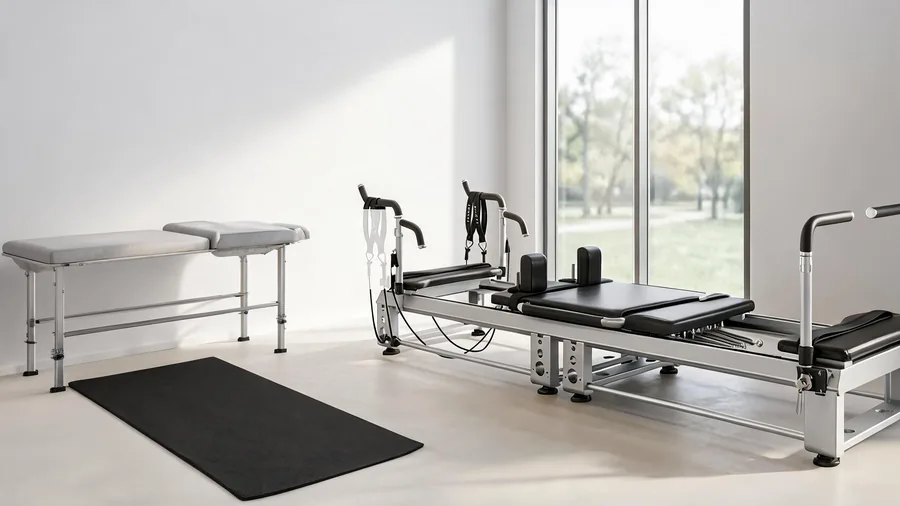
Pilates reformers are becoming increasingly popular in physical therapy practices as they provide many benefits to patients looking for strength, flexibility, and mobility improvements. A heavy-duty Pilates reformer can be an effective tool for physical therapy treatments due to its adjustability to cater to patients with various conditions. In this article, we’ll discuss the advantages of a heavy-duty Pilates reformer for physical therapy.
Comparing Rehabilitation Reformer Models: What Sets Them Apart?
When it comes to Pilates reformers designed for rehabilitation, there are a few key differences that can make one model more suitable than another for your clinic or practice. Let’s take a closer look at what to consider when selecting the right heavy-duty reformer for rehab settings.
1. Height and Accessibility
Some rehabilitation reformers come with an elevated carriage platform—typically around 22 to 23 inches high. This increased height makes them far more accessible for patients with injuries, mobility challenges, or conditions that limit their ability to squat or bend low. For example, the Мегакор Пилатес реформатор both offer higher carriage options, allowing easier transitions on and off the machine.
2. Customization and Upgradability
Look for models that are highly customizable and offer various upgrades. Features such as a vertical frame, adjustable gearbars, and expanded spring resistance allow therapists to tailor the workout for a wide range of patient needs. Upgrades like high-precision gearbar systems and wider footbars make these machines more versatile when accommodating different body types and rehab protocols.
3. Versatility for Multiple Patient Types
Some pilates reformers are designed to transition seamlessly between rehabilitation and fitness use. They often come with a combination of features that make them ideal for both recovering patients and healthy clients looking to maintain or improve mobility. Consider options that include a tower or trapeze, as these expand exercise possibilities for both gentle rehabilitation and advanced strength training.
4. Compatibility with Studio Equipment
For clinics that may also serve athletes or integrate Pilates with other physical therapy modalities, choose a model that is compatible with common studio accessories—like jumpboards or sitting boxes—for a comprehensive exercise program.
In summary, while most heavy-duty Pilates reformers for rehabilitation share a sturdy construction and wide adjustability, the main differences often come down to platform height, customizability, and flexibility for various user needs. Selecting the right model ensures your patients not only have a safe environment to recover but one that truly adapts to their unique rehabilitation journey.
- Low Impact and Customizable
One of the main advantages of using a heavy-duty Pilates reformer for physical therapy is its low-impact nature. Pilates reformers offer an excellent way to incorporate full-body exercises and strengthen the muscles without putting stress on the joints. They are customisable to cater to a wide range of patients with various conditions. The machine’s adjustable features such as springs and tension settings can be tailored to accommodate the physical abilities and limitations of the patient.
Thoughtful Design Streamlines Patient Care
When it comes to physical therapy, every detail of a rehabilitation-focused Pilates reformer is intentionally crafted to support both the clinician and the patient. These careful design elements enable practitioners to concentrate on high-quality care, knowing the equipment will complement their efforts at every step.
User-Friendly Adjustments for All Needs
Modern rehab reformers feature rope and pulley systems with rapid, precise adjustment options. This means therapists can quickly tailor the apparatus for each patient’s unique range of motion or condition—without fumbling with complicated settings. Positions can be modified in seconds, helping clinicians maintain an efficient and seamless session.
Durable and Adjustable Spring Mechanisms
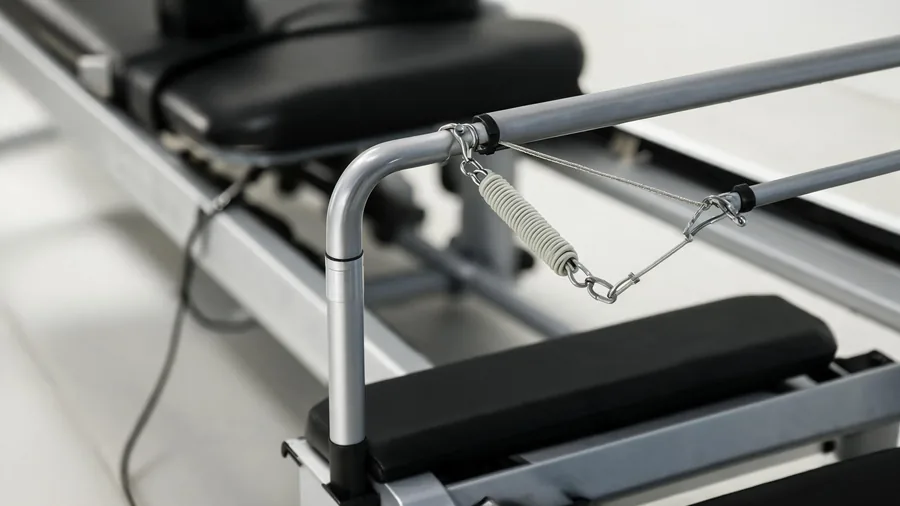
Robust, high-grade springs are a hallmark of these reformers. They provide customizable resistance to accommodate everything from gentle rehabilitation to more advanced muscle strengthening. The tension systems are not only easy to set but are also engineered for longevity, ensuring consistent, reliable performance with minimal maintenance.
Versatile Gearbar and Carriage Options
Gearbars with multiple position settings allow therapists to fine-tune resistance precisely. Wide carriages cushioned with dense foam deliver comfort and support for a variety of body types—even accommodating taller clients with optional extensions. The smooth, quiet glide of the carriage supports focused, distraction-free sessions, letting patients relax and therapists stay keyed into treatment.
Supportive, Customizable Features
Every detail—from cushioned footbars with adjustable heights, to ergonomically contoured headrests and stable shoulder rests—is designed with patient alignment and comfort in mind. Quick adjustments and removable components allow therapists to easily reconfigure the machine for different exercises or therapy needs.
Non-Slip Stability and Personalization
Solid, non-slip surfaces ensure safety during standing or dynamic movements, and high-traction feet keep the equipment stable on all types of flooring. Customizable upholstery colors allow clinics to blend utility with an inviting aesthetic, fostering a more welcoming environment for patients.
Incorporating these design nuances not only makes the rehab reformer adaptable for a variety of therapy plans, but also saves clinicians valuable time—enabling more focus on movement, recovery, and patient progress.
Enhanced Comfort and Support for Rehabilitation
A wider carriage on a heavy-duty Pilates reformer brings upgraded comfort and stability to rehabilitation sessions. This extra width provides patients with ample space to move securely—an important factor for those who need additional support or have limited mobility. By offering more room, the reformer helps patients position themselves comfortably during exercises, reducing unnecessary strain and allowing them to focus on the movements prescribed for their therapy.
Equally important is the use of high-quality foam padding. Dense, responsive foam not only cushions the body during workouts but also delivers the gentle, tactile feedback needed to promote proper alignment. The smooth, easy-to-clean surface is ideal for maintaining a hygienic therapy environment, while still delivering the comfort needed for longer sessions. Together, these enhancements ensure patients feel well-supported and safe, helping them fully engage in their rehabilitation exercises without distraction.
Adjustable Footbar for Comfort and Versatility
An adjustable footbar is another important feature that enhances both exercise programming and patient comfort on a heavy-duty Pilates reformer. By providing a secure and comfortable platform for both the hands and feet, the footbar reduces unwanted stress or compression during movements. Its multiple height positions allow physical therapists to easily modify exercises based on the needs of each patient—whether they’re recovering from injury or building up strength.
The ability to reposition or move the footbar entirely out of the way means a wider range of exercises can be accommodated. This flexibility supports varied rehabilitation goals, optimizes ergonomics for different body types, and allows for seamless transitions between movements. In short, the adjustable footbar makes sessions more comfortable, adaptable, and effective for every individual.
Enhanced Comfort and Versatility
Padded, removable shoulder rests add another layer of comfort and versatility to a heavy-duty Pilates reformer. The plush padding cushions the shoulders, making exercises more comfortable for users during movements that require foot or hand placement against the rests. Even better, their removable design enables therapists to adapt the reformer for a wide range of exercises or accessories. When necessary, the shoulder rests can be taken off entirely, turning the reformer into a flat surface—essential for clients who may need more space or a mat-based setup for certain rehabilitation exercises. This thoughtful adaptability ensures both support and flexibility for patients at every stage of their recovery.
Adjustable Headrests and Pulley Posts: Enhanced Comfort and Versatility
Another key benefit of heavy-duty Pilates reformers lies in their adjustable components—specifically, the headrest and pulley posts. The adjustable headrest allows users to select the best position for optimal alignment of the spine and neck, helping to ensure proper support and comfort during each session. This feature is especially important in physical therapy, where maximizing cervical support can make exercises both safer and more effective.
Similarly, adjustable pulley posts let practitioners fine-tune the height and angle of the ropes, enabling personalized resistance and exercise variety. By customizing these settings, therapists can better target specific muscle groups and accommodate individual mobility needs, which is essential for patient-centered rehabilitation plans.
Comparing Traditional and High-Precision Gearbars
Another feature to consider when choosing a Pilates reformer for physical therapy is the type of gearbar. The gearbar is essential in adjusting the reformer’s resistance, which directly affects how much support or challenge a patient feels during their exercises.
Traditional gearbars generally offer a straightforward, reliable system with a set number of positions—typically three—to secure the springs. This setup is user-friendly and covers the needs of most physical therapy routines, making it a popular choice in clinical settings.
On the other hand, high-precision gearbars provide a greater level of adjustability, often with up to six positions. This expanded range allows therapists to fine-tune the tension with more subtle increments, ensuring each patient receives resistance tailored precisely to their needs and comfort level. High-precision gearbars can also offer improved ergonomics, making adjustments easier and more efficient during sessions.
In summary:
- Traditional gearbars: Three positions, straightforward controls, reliable for general use.
- High-precision gearbars: Up to six positions, more nuanced resistance settings, enhanced ergonomics for both therapist and patient.
This added customization can be especially beneficial when working with patients needing gradual progression or those with unique requirements.
Upholstery Customization Options
When it comes to customizing your Pilates reformer, you aren’t limited to a single shade. You can select from a palette of six standard upholstery colors to match your clinic or studio’s existing décor. For those wanting even more personalization, there are over twenty additional specialty colors available—perfect if you want your reformer to blend in, stand out, or simply reflect your style. Note that opting for these specialty upholstery colors may involve an extra fee, but the end result is a unique piece tailored to your space and taste.
Accommodating Taller Clients
For taller clients, most heavy-duty Pilates reformers offer thoughtful features to ensure a comfortable experience. Many reformers include a carriage extension option—typically a 6-inch (15 cm) add-on—that provides extra length. This is especially helpful for individuals over 6’4″ (193 cm), preventing crowding or restricted movement during exercise.
Additionally, wide, well-padded carriages enhance both comfort and support for users of all heights. The smooth gliding of the carriage along the rails, paired with supportive foam padding, ensures that even taller clients can perform a full range of motion without compromise. These adjustments help tailor the reformer to each individual’s physique, allowing physical therapists to focus on effective, personalized rehabilitation for everyone.
- Full-Body Exercise
A heavy-duty Пилатес реформатор is excellent for full-body exercise, making it ideal for physical therapy. The reformer offers a variety of exercises that work multiple muscle groups simultaneously, which is critical in physical therapy. These exercises also enhance your body’s alignment, balance, and flexibility while improving endurance and stamina.
Expanded Exercise Versatility with a Vertical Frame
Another way to boost the versatility of a Pilates reformer in a clinical setting is by adding a vertical frame. This simple addition transforms the reformer into a multifaceted piece of equipment—without requiring extra space in your clinic. With the vertical frame in place, therapists and patients gain access to a much broader range of exercises, including those that incorporate bars, straps, or resistance springs at different heights.
This setup supports everything from seated arm and upper body work to assisted squats and gentle stretches, making it especially helpful for rehabilitation routines that need to be tailored to different mobility levels. Patients benefit from added programming options and the ability to progress safely through a wider array of movements—all in the same footprint as a standard reformer.

Safe and Supportive Standing Platform
A wooden standing platform is particularly useful for rehabilitation exercises thanks to its sturdy construction and reliable grip. The solid, robust surface offers stability for patients as they perform standing movements, which can be crucial during recovery. Additionally, the non-slip coating ensures safety by minimizing the risk of slips or falls, giving both patients and therapists greater confidence during balance and strengthening exercises. This combination of support and safety is essential for effective, secure rehabilitation sessions.
- Progressive Resistance
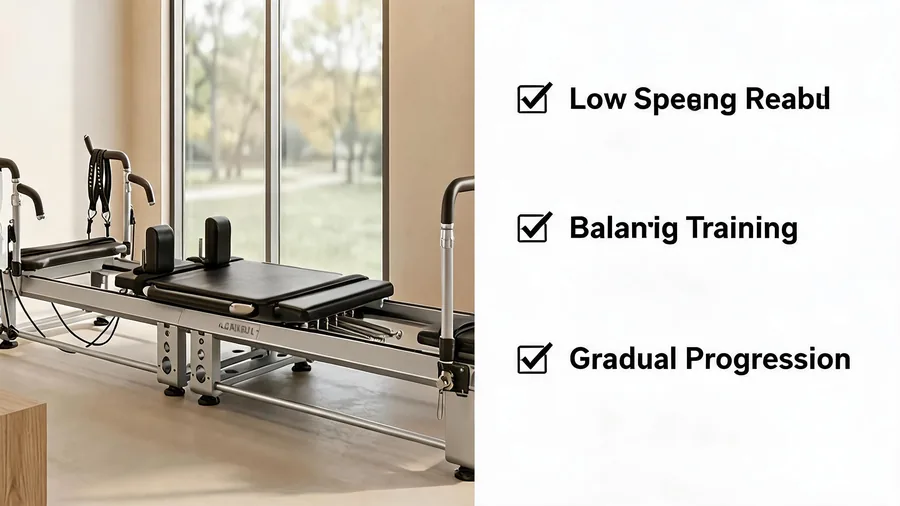
The reformers can provide progressive resistance that is essential in physical therapy. Since they incorporate springs and tension settings, patients can start at lower resistance levels and gradually increase strength and flexibility without over-stressing the region in recovery.
- Improved Posture
Pilates reformers can help patients with their posture alignment. Exercising on a reformer encourages better posture by working the muscles that support the spine, thus adding extra stability to the recovering region.
- Reduced Stress on Injured Areas
Physical therapy often involves working around specific injured or sensitive areas, which can be a significant challenge. That’s where a reformer can come in handy. The machine can help reduce stress on injured areas and isolate specific muscle groups. This helps promote healing by focusing on the therapeutic exercise rather than area movement that puts undue pressure on the affected joints and muscles.
Clinician Feedback on Pilates Reformers in Rehabilitation Settings
Clinicians who incorporate Pilates reformers into their rehabilitation practices often highlight several key benefits for both their patients and their practice as a whole.
- Supportive of Professional Goals: Many therapists appreciate that reformers help them broaden the range of services they can provide, supporting both their clinical and business objectives.
- Ease of Customization: Physical therapists note that the adjustable nature of reformers allows them to tailor exercises to suit each patient’s needs, from early rehab stages through to advanced functional training.
- Quality of Movement and Body Awareness: Practitioners value how reformer exercises facilitate improved movement quality—especially important for neuromuscular re-education and increasing patient body awareness during recovery.
- Enhanced Patient Confidence: The smooth, reliable operation of heavy-duty reformers instills confidence in patients. Therapists report that their patients feel safe and stable, which helps encourage participation and commitment during sessions.
- Progressive Strength and Flexibility: Many clinicians point out the spring tension systems as especially useful. These features allow patients to progress gradually, safely increasing resistance as strength and flexibility improve, which aligns well with best practices in rehabilitation.
Overall, feedback from clinicians consistently emphasizes that Pilates reformers not only support professional care but are also well-received by patients for their adaptability, comfort, and ability to accelerate positive rehabilitation outcomes.
Accessories to Enhance Rehabilitation on Pilates Reformers
To broaden the scope of rehabilitation programming, a variety of accessories can be added to a Pilates reformer. These attachments not only make sessions more engaging for patients but also help customize exercises to their unique needs.
Some commonly used options include:
- Soft footbars for added comfort and support during footwork or leg exercises.
- Rotational diskboards that allow for gentle rotation and improved joint mobility, especially helpful in physical therapy for ankles, knees, and hips.
- Jump boards to introduce gentle, low-impact cardio and plyometric exercise.
- Platform extenders that provide additional stability or allow for a greater range of motion, especially useful for larger clients or those needing more space.
- Box attachments to expand exercise variety, including sitting, prone, or side-lying positions for targeted muscle work.
- Padded straps and handles that maximize comfort and support, reducing strain during upper or lower limb exercises.
- Arch and wedge props to assist with spinal alignment and postural support, which is particularly beneficial in the early stages of rehabilitation.
Incorporating these accessories allows therapists to modify reformer sessions specifically for each patient, ensuring safety, motivation, and optimal recovery results.
Support for Integrating Pilates Reformers in Rehabilitation Practices
Setting up Pilates reformers in a rehabilitation facility may seem like a daunting task, but there is ample support available to make the process seamless and effective. Many equipment providers offer comprehensive packages designed specifically for rehab clinics. These packages often include a variety of reformer models and accessories to suit diverse patient needs, from acute injury recovery to ongoing strength maintenance.
What’s more, you can expect guidance from knowledgeable support teams who understand the unique demands of physical therapy settings. These experts can advise on everything from room layout and equipment selection to staff training and patient safety. They will work with you to develop a tailored setup, ensuring your new Pilates space aligns with your clinic’s workflow and treatment goals.
Additional support may include:
- Onsite or virtual staff training to ensure safe and effective use of the Pilates reformer with different patient populations.
- Access to educational resources, such as workshops and manuals, focused on Pilates-based rehabilitation techniques.
- Ongoing customer service for troubleshooting equipment and optimizing patient outcomes.
- Recommendations for exercise programming that fits both group settings and one-on-one therapy sessions.
By leveraging these resources, rehabilitation facilities can confidently integrate Pilates reformers into their practice, offering patients a modern and effective path to recovery.
Enhanced Safety with High-Traction Reformer Feet
Stability and safety during rehabilitation exercises are vital, especially when working with a wide spectrum of patient abilities. High-traction feet on a heavy-duty Pilates reformer play a key role here. These feet are typically crafted from grippy materials like silicone rubber, which helps keep the reformer steady on a variety of flooring types—be it hardwood, tile, or even carpeted surfaces.
With this sure-footed design, both patients and therapists can focus on performing movements correctly without worrying about the reformer shifting or sliding mid-exercise. The increased grip not only enhances safety by preventing sudden slips but also allows for confident transitions between exercises, making sessions smoother and more secure for everyone involved.
Outfitting Your Rehab Facility with Pilates Equipment Bundles
Equipping a rehabilitation clinic with the right Pilates apparatus can feel overwhelming, especially when factoring in the diverse needs of your patients. Bundle options make this process much simpler, providing a comprehensive solution that ensures your practice has everything required—without the hassle of sourcing equipment piece by piece.
With these bundles, you’ll find:
- A Variety of Equipment: Each bundle typically includes different types of Pilates machines and accessories to address a broad spectrum of patient needs. This means you’ll be able to support rehab protocols for mobility, injury prevention, strength building, and more, all in one go.
- Seamless Setup: Rather than assembling your clinic’s Pilates space over time, bundles offer a convenient, all-in-one approach. You can quickly create a dedicated pilates area that’s ready for a wide range of therapies and exercises—ideal for busy clinics or expanding practices.
- Expert Guidance: Many suppliers offer support to help you choose the best package for your specific facility and patient population. Expert advice ensures your clinic’s setup aligns with your treatment goals and workflow.
- Designed for Professional Spaces: The equipment found in these bundles is tailored for use in physiotherapy and rehabilitation environments, combining durability, adjustability, and user safety for both therapists and patients.
By choosing bundle options, you streamline the process of setting up or upgrading your rehabilitation Pilates offerings—ensuring your clinic is well-equipped to help patients rebuild strength, restore function, and get back to what matters most.
Conclusion
A heavy-duty Pilates reformer provides an ideal piece of equipment for physical therapy practices. Its customizable, low-impact, full-body exercise, resistance, posture alignment, and injury-focused benefits make it a perfect tool to include in the recovery process. Physical therapists can utilise the reformer’s adjustable features to help patients regain strength, flexibility, and mobility progressively while avoiding over-stressing the sensitive injured areas.