
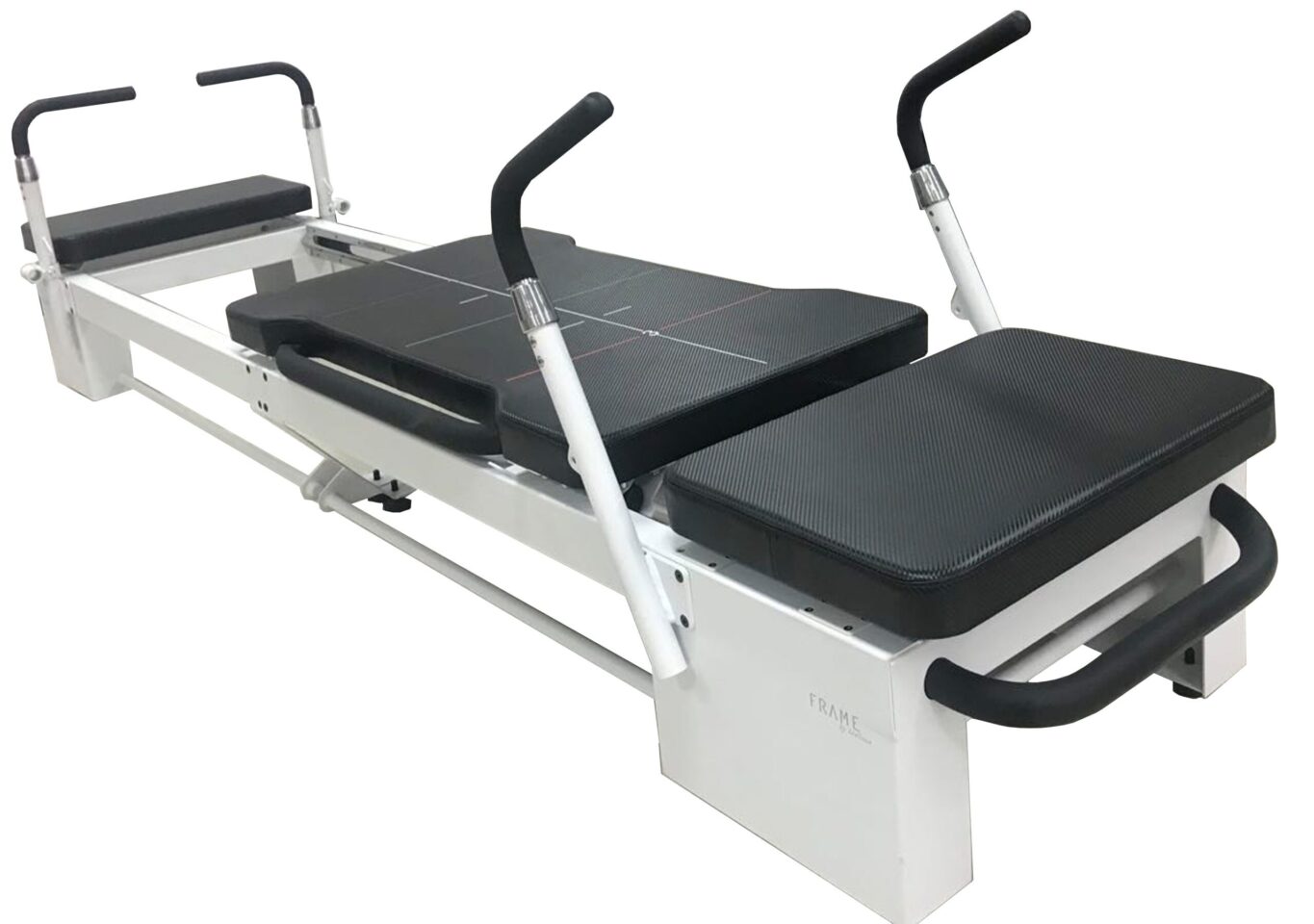
Pilates reformer workouts have become increasingly popular in recent years due to their numerous health benefits, including improved flexibility, posture, and strength. One way to take your Pilates reformer workouts to the next level is by using a heavy-duty Pilates reformer in the comfort of your home. In this article, we’ll discuss the benefits of in-home Pilates workouts using a heavy-duty reformer and some exercises you can try.
Beneficiile utilizării unui aparat Pilates Reformer pentru antrenamente la domiciliu
- Personalization: Reformatoare Pilates provide a wide range of adjustable features that allow you to customize your workout based on your body type and fitness level.
- Full-body workout: By using a pilates reformer, you can perform a variety of exercises that work different parts of your body, promoting full-body fitness.
- Impact redus: Antrenamentele Pilates cu reformer au impact redus, ceea ce înseamnă că sunt blânde pentru articulații și ideale pentru persoanele cu probleme de rănire.
- Progressive resistance: Heavy-duty pilates reformers provide continuous progressive resistance with the use of pulleys and springs for a more challenging workout. It’s important to note that the number and strength of springs can vary between different reformer models, so you may need to adjust spring resistance based on your equipment and personal strength level. Always check your reformer’s settings and experiment to find the right level of resistance that feels both effective and safe for you.
Modifying and Sequencing Exercises for All Levels
One of the perks of using a heavy-duty Pilates reformer at home is the ability to tailor and sequence your workout based on your experience and goals. Whether you’re just getting started or already have a few sessions under your belt, you can adjust both the difficulty and the flow of exercises to suit your needs.
For Beginners:
Stick with foundational moves that emphasize proper alignment and core stability. Classic beginner-friendly exercises like footwork series, leg circles, and simple back extensions help you master the basics without overwhelming your body. Focus on slow, controlled movements and lighter spring settings until you feel confident.
For Intermediate Levels:
As you progress, you can introduce more challenging exercises or increase resistance by adjusting the springs. Try adding in movements such as the rowing series or long box work to target multiple muscle groups. At this stage, you might also start experimenting with short, controlled transitions between exercises to keep your heart rate up and your muscles guessing.
For Advanced Practitioners:
If you’re experienced, you can take things up a notch by incorporating complex sequences and advanced moves like “climb a tree” or advanced rowing variations. This is also the time to challenge your balance and coordination with fewer supports and higher resistance. Mixing in props like resistance bands or the jump board can further intensify your session and keep things interesting.
Tips for All Levels:
- Always begin with a gentle warm-up to prepare your body.
- Listen to your own body and modify resistance or range of motion as needed.
- If you’re unsure about technique, consider a virtual session with a certified Pilates instructor to ensure you’re practicing safely.
Customizing your reformer routine not only keeps things fresh, but also helps you steadily build strength and flexibility at your own pace.
Essential Safety Tips and Cues for Pilates Reformer Workouts
While a heavy-duty Reformer Pilates can amplify your workouts at home, practicing good form is crucial for safety and effectiveness. Here are some tried-and-true safety tips and key cues to keep in mind during your session:
- Focus on Breath: Breathe deeply throughout each movement. Typically, inhale as you extend the carriage and exhale as you return. Pay attention if a specific exercise calls for a different pattern.
- Maintain Neutral Spine: Keep your spine in a neutral position, particularly during footwork and core exercises. Avoid overarching or flattening your back.
- Engage Your Core: Think of drawing your navel in toward your spine. Your abs should power the movement, rather than relying solely on the legs or arms.
- Mind Your Alignment: Ensure your knees, hips, and shoulders are aligned. For exercises with external rotation, lead the movement from your hips, not your knees or feet.
- Work With Control: Move with intention, not momentum. Let the springs create resistance, but don’t let them snap the carriage back. Smooth, controlled motion is safer and more effective.
- Limit Range for Beginners: If you’re new to reformer workouts, keep legs no lower than 45 degrees for exercises involving leg extensions to protect your lower back.
- Use Equipment Properly: Adjust straps, springs, and the footbar as needed for your height and skill level. Always double-check that everything is secure before starting.
- Emphasize Whole-Body Engagement: Press the backs of your arms into the mat, connect through the heels, and lengthen from head to toe, even when focusing on one muscle group.
- Stay Present: Monitor how your body feels. If you sense tension in the neck, shoulders, or lower back, pause and check your alignment.
- Consult a Pro When Needed: Whenever possible, work with a certified instructor or follow professional guidance—especially when trying new movements.
By keeping these cues in mind, you’ll build both safety and strength, setting a solid foundation for your Pilates practice at home.

The Importance of Live Pilates Instruction When Using a Reformer
While a heavy-duty Pilates reformer offers tremendous versatility and challenge for your home workouts, there’s no substitute for guidance from a live Pilates instructor—especially for beginners. The pilates reformer introduces a new set of movements, adjustments, and safety considerations that can be tricky to navigate solo.
Here’s why live instruction matters:
- Proper Form and Safety: In-person instructors can spot and correct your form in real time, reducing the risk of injury and ensuring you get the most benefit from each exercise.
- Personalized Feedback: Everyone’s biomechanics are unique. An experienced instructor tailors movements to your abilities, limitations, and goals, helping you make the most of each session.
- Motivation and Accountability: Sometimes, getting started (or sticking with it!) is the hardest part. Live instruction keeps you motivated and on track with your fitness journey.
- Progression and Technique: Advanced Pilates movements often require subtle technique adjustments. A professional coach will gradually introduce new challenges as you build strength and confidence.
If you’re new to Pilates or to the reformer, consider attending a few studio classes, either in person at a local gym or via online private sessions, before diving fully into your solo routine. This way, you’ll build a solid foundation and get the most out of your in-home practice.
Using Photos as a Reference for At-Home Pilates Reformer Exercises
If you’re practicing Pilates reformer exercises at home, having a visual guide can be a real game-changer—think of it as your own personal “cheat sheet” for form, alignment, and setup. High-quality photos illustrating each movement or position can help you double-check your technique and ensure you’re making the most out of each exercise.
When using these visual references, pay close attention to:
- Body positioning: Notice how the head, spine, arms, and legs are aligned in each photo.
- Equipment setup: Photos usually display how the foot bar, springs, and straps should be adjusted. Matching your reformer to the image can help you get started with confidence.
- Key movement cues: Look for reminders about hand or foot placement and range of motion, which you can mimic as you move through each exercise.
Keep in mind, though, that while images are a helpful supplement—like a friendly nudge in the right direction—nothing replaces personalized guidance from a certified instructor, especially for newcomers. Safety always comes first, so use photos to reinforce what you’ve learned in class or from a trusted tutorial.
Exerciții pe care le puteți încerca cu un Reformer Pilates de mare putere
Exerciții pe care le puteți încerca cu un Reformer Pilates de mare putere
Recommended Reps and Sets for Beginner Pilates Reformer Exercises
When you’re just getting started with your Pilates reformer, knowing how many reps and sets to aim for can help you get the most from each session. Here’s a quick guide to the recommended repetitions for classic beginner-friendly moves. This will help ensure your workout is challenging enough to build strength, but not overwhelming—so you can focus on good form and quality movement.
1. Reformer Footwork
- Choose three standard foot positions: Pilates V (heels together, toes out), feet parallel (heels and toes together), and heels only.
- Perform about 10 reps in each foot position.
- Rest briefly between positions as needed.
2. Leg Circles and Frog
- For leg circles, start with 5 controlled circles in each direction.
- Follow up with 5 reps of the frog position (heels together, toes apart, knees bent and then extend out).
3. The Hundred
- Complete 10 sets of breath cycles (inhale for 5 counts, exhale for 5 counts). Each set includes a full breath cycle and arm pumps.
4. Heel Lower and Lift
- Aim for 10 slow repetitions: press out, then lower and lift your heels with steady control.
5. Stomach Massage Series
- For both the rounded back and arms-back variations, perform 8 repetitions each.
6. Short Box Series
- Choose the round back, flat back, and flat back with a pole.
- Perform about 5 slow, controlled reps for each movement.
7. Elephant and Knee Stretch Series
- Try for 8 repetitions each of the elephant, knee stretch with a rounded back, and knee stretch with an arched back.
8. Running
- Alternate feet for 20 total sets (about 10 per leg).
9. Bottom Lift
- Complete 5–8 slow, focused repetitions, keeping your core engaged throughout.
Remember, the key for beginners is consistency and form—not racing through the exercises. As you grow stronger and more confident, you can gradually increase reps or add variations, but starting with these numbers will help you build a strong foundation and reduce your risk of injury.
Ready to get moving? Here are a few specific exercises to include in your next reformer session—along with exactly how to do them:
Breathing Techniques for Pilates Reformer Workouts
Proper breathing is a key part of any Pilates session, including when using a reformer. Focus on taking deep, controlled breaths—inhale fully as you push or extend the carriage away, and exhale completely as you return it toward the starting position. Occasionally, specific exercises may have unique breathing patterns, so pay close attention to those cues. In general, keep your breathing steady and deliberate throughout your workouts to help maintain rhythm, support your core, and get the most benefit from each movement.
Safety Considerations for the Hundred on the Pilates Reformer
When performing the Hundred on your Pilates reformer, keeping safety in mind is crucial to prevent strain or injury, especially as you’re building core strength. Here are some essential tips to ensure a safe and effective experience:
- Protect Your Spine: Be mindful not to lower your legs so much that your lower back begins to lift off the reformer’s carriage. Maintaining a neutral spine helps safeguard against unnecessary pressure on your back.
- Engage Your Core: Focus on drawing your belly button towards your spine throughout the exercise. This stabilizes your core and lessens the risk of overworking your neck or shoulders.
- Stay Within Your Range: Start with your legs in a tabletop position or extend them upwards, only lowering as far as you can comfortably keep your low back pressed down.
- Use Controlled Movements: Pump your arms in a steady, rhythmic motion and avoid any jerky or abrupt movements.
- Ascultă-ți corpul: If you experience discomfort in your neck or if your form falters, pause and reset. You can always keep your head resting down or bend your knees more to reduce the challenge.
By following these guidelines, you’ll make the most out of your Hundred while minimizing risk—setting yourself up for consistent progress on your reformer workouts.
Common Foot Positions for Pilates Reformer Footwork
When it comes to Pilates reformer work, foot positioning plays a crucial role in targeting various muscle groups and ensuring proper alignment. Here are a few classic foot positions you’ll encounter during your workouts:
- Pilates V: Place the balls of your feet on the foot bar with your heels together and lifted, creating a small V shape with the toes angled outward. This stance helps engage the inner thighs and promote external hip rotation.
- Bird on a Perch: Keep your legs together and rest the arches of your feet over the bar as if you’re gently wrapping your toes around a tree branch. This variation challenges your stability and encourages foot and ankle flexibility.
- Heels Together: Place your heels on the bar with your legs pressed together. This position shifts the emphasis to the hamstrings and glutes, offering a slightly different challenge for your lower body strength.
- Heels Lower Lift: This move begins with your heels on the bar, legs together, and involves lowering and lifting the heels to increase calf engagement and ankle mobility.
Integrating these foot positions helps you get the most out of your reformer sessions, ensuring a well-rounded lower body workout.
Proper Sequence and Setup for the Reformer Footwork Series
One of the foundational Pilates reformer routines is the footwork series, which is excellent for warming up and cueing proper alignment throughout your practice. To get started, adjust your reformer with four springs attached and the headrest elevated for comfort. Begin lying on your back, aligning your spine neutrally and gently engaging your core.
Here’s how to set up and move through each foot position:
- Pilates V: Position the balls of your feet on the foot bar, heels lifted and together, so your knees naturally track just outside hip width. This stance fires up your inner thighs and pelvic floor as you press out.
- Bird on a Perch: Bring your legs together with the toes wrapped over the bar, keeping the heels lifted. This position helps activate the entire lower leg.
- Heels: With legs together, place your heels firmly on the bar, flexing your ankles. This targets the backs of your legs while maintaining a full-body stretch.
For each position, aim for 10 repetitions—pressing out on the inhale and returning on the exhale. Throughout the exercise, keep your arms pressing gently into the mat to help stabilize your shoulders and lengthen your posture. Focus on moving with control, making sure you’re engaging your glutes and hamstrings instead of letting the quadriceps do all the work.
With this sequence, your entire lower body is warmed up and prepped for the rest of your reformer session.
- Cercuri de picioare
Acest exercițiu vizează partea inferioară a corpului, în special șoldurile și coapsele.
Steps:
– Lie down on the carriage of the reformer with your head towards the foot bar.
– Secure your feet in the foot stirrups and lift your legs up to the ceiling.
– Circle your legs in the air, making sure to keep your core engaged and your spine neutral.
Tips for Getting the Most Out of Leg Circles:
- Set up your reformer with 2 springs and the headrest up for optimal support.
- Thread the long straps through the loops and handles, ensuring the metal clips are on the outside for safety and comfort.
- Begin with your legs lifted and together, externally rotated from the hips.
- For beginners, avoid lowering your legs below a 45-degree angle to protect your lower back.
- As you circle, exhale to bring the legs up, inhale to sweep them open, and exhale again to bring them together.
- Aim for 5 circles in each direction, maintaining smooth and controlled movement throughout.
This classic Pilates move not only strengthens your hips and thighs but also challenges your core stability, helping to improve overall control and flexibility.
Frog
This classic Pilates reformer move focuses on strengthening your hips, inner thighs, and core while promoting flexibility.
Steps:
– Begin by lying on the carriage with your head resting comfortably and your shoulders relaxed.
– Place your feet into the long straps, heels together and toes pointed outward in a small “V” shape.
– Draw your knees in towards your chest, keeping them shoulder-width apart—avoid letting them go wider than your shoulders.
– Press your legs out at a 45-degree angle, extending them fully while squeezing your inner thighs together.
– Bend your knees to return to the starting position, always keeping your core engaged and your spine neutral.
Tips for Alignment:
- Maintain a neutral spine throughout the movement—avoid arching or pressing your back flat into the carriage.
- Keep your inner thighs connected for stability, and initiate the movement from your hips rather than your knees.
- Move steadily and focus on control rather than speed, ensuring each repetition is precise.
- Extensie spate
Acest exercițiu vizează mușchii spatelui, promovând forța și stabilitatea.
Steps:
– Start by lying down on your stomach with your hips and legs on the carriage and your hands on the shoulder rests.
– Lift your upper body off the carriage in a controlled manner, engaging your back muscles.
– Lower down slowly, ensuring you keep your spine neutral and your core engaged.
- ### Short Box Series
Acest exercițiu vizează mușchii de bază, promovând forța și stabilitatea.
Steps:
– Sit on the carriage with your legs bent, holding the box in front of you.
– Round your spine and roll back onto the box, aligning your shoulders with the opening.
– Engage your core and bring your torso upright.
For greater challenge and variety, try these classic variations of the Short Box Series:
Short Box – Round Back
- Place the short box over the shoulder blocks.
- Secure your flexed feet under the foot strap.
- Sit upright on your sit bones, focusing on a feeling of length through the legs—imagine energy traveling up the front of the legs and down the back.
- Begin in a deep, long C-curve, keeping your core engaged.
- Inhale as you curl your pelvis under, rolling back while maintaining the roundness in your spine. Avoid hinging at the hips.
- Exhale to return upright, using your abdominals to bring you forward.
- Repeat for 5 reps.
Short Box – Flat Back
- Again, place the short box over the shoulder blocks and keep your feet securely flexed under the strap.
- Sit tall, ensuring your torso stays in one solid piece, aligned with your pelvis.
- Lift up and back through your belly, keeping your arms active and shoulders relaxed.
- Inhale as you lean back with a flat back, without arching or collapsing.
- Exhale to return upright.
- Repeat for 5 reps.
Short Box – Flat Back with Pole (Optional)
- Hold a pole or dowel overhead to connect your arms to your core.
- Keep your arms in your peripheral vision, shoulders down and back.
- Maintain the same tall posture and movement as above, focusing on keeping your core strong and your movement controlled.
- Inhale to lean back, exhale to return upright.
- Complete 5 reps.
These Short Box variations are excellent for building core strength, improving spinal mobility, and reinforcing good posture. Adjust the difficulty by modifying the range of motion or using added props, depending on your experience and comfort level.
Advancing Your Pilates Reformer Workout
If you’re looking to add variety and challenge as you progress, consider incorporating the rowing series into your routine. The rowing exercises on the reformer are perfect for targeting your upper body, core, and posture as you gain confidence with foundational movements.
For those new to these exercises, you may prefer to stick with the basics like leg circles at first. As you become more comfortable and your technique improves, you can gradually expand your workout by introducing intermediate moves such as the stomach massage series—a great way to engage your core and explore more dynamic movements.
If you’re following an intermediate-level program, you might also try adding exercises like “climb a tree,” which enhances spinal articulation and hamstring flexibility. From there, continue building your skills with exercises like the elephant, which helps improve your balance, stability, and core strength.
By rotating these advanced and intermediate exercises into your sessions, you’ll be able to keep your Pilates workouts fresh and continually challenge your body as you progress.
Bottom Lift
This exercise is a fantastic way to target your glutes and hamstrings while reinforcing proper spinal alignment.
How to do it:
- Set your reformer with four springs, footbar raised, and headrest in the up position.
- Lie on your back with your feet on the footbar, knees bent and slightly turned out from the hips. Your arms should rest long by your sides, with the backs of your arms pressing gently into the mat.
- Before lifting, activate your glutes and, from deep in your hips, press your feet into the bar.
- Lift your pelvis just a fist’s height above the carriage. Focus on keeping your spine in a neutral position throughout the movement—there should be no tucking or arching.
- Lower your pelvis in a controlled way to return to the starting point.
- Perform 5-8 slow, deliberate repetitions.
Key alignment tips:
- Keep the turnout initiated from your hips, not your knees.
- Maintain that neutral spine—avoid curling your tailbone under or over-arching your back.
- Press the backs of your arms gently into the mat for added stability and shoulder support.
Working with the bottom lift helps ensure your glutes and hamstrings are engaged while minimizing unnecessary strain on your lower back.
The Hundred
A classic Pilates exercise, the Hundred is a core-strengthening favorite that transitions beautifully onto the reformer. Beginners can feel right at home by following these simple steps:
Starting Position:
– Begin with the footbar lowered. Lie on your back on the reformer carriage.
– Take hold of the handles, arms extended straight and resting at your sides.
– Draw your knees in toward your chest, curling your head and shoulders up so your gaze is toward your legs.
How to Perform:
- Bring your legs into tabletop position (knees bent at 90 degrees), or if you’re comfortable, extend them straight up toward the ceiling. Only lower your legs as far as you can while keeping your lower back flat and engaged on the carriage—don’t arch or let your back peel off.
- With your core braced, begin pumping your straight arms up and down, just above the carriage.
- The pattern is 10 sets of breaths: Inhale through the nose for five arm pumps, then exhale through the mouth for five pumps. That’s one set; continue until you complete ten full sets (totaling 100 pumps).
Remember, the focus should be on controlled breathing and keeping your core active throughout. If you’re ever unsure, stick to a higher leg position to protect your lower back.
Key Reminders for Proper Reformer Footwork
To get the most out of your footwork on the heavy-duty Pilates reformer, keep these pointers in mind:
- Maintain a neutral spine throughout the movement, making sure your abs are engaged for stability.
- When in Pilates V position, lift your heels slightly to help activate your inner thighs and pelvic floor muscles.
- Focus on elongating your body both as you press out (inhale) and return (exhale). Think about reaching through your legs rather than just pushing.
- Involve your entire leg—especially the backs of your thighs—not just your quadriceps. This will ensure a more balanced workout and better muscle engagement.
- Press the backs of your arms gently into the mat for added upper body stability, keeping your shoulders relaxed.
These tips will help you perform your reformer footwork safely and effectively, maximizing the benefits of each repetition.
Running on the Pilates Reformer
Running is a great finishing exercise on the Pilates reformer that helps stretch and strengthen your lower legs, improving both flexibility and control.
How to Do It:
– Set your reformer with four springs engaged, keeping the headrest and foot bar up.
– Lie on your back and place your feet parallel on the foot bar, about hip-width apart.
– Extend your legs fully, then alternate bending one knee as you lower the heel of the opposite foot toward the foot bar—mimicking a gentle running or “pedaling” motion.
– Perform 20 alternating reps, focusing on smooth transitions and controlled movement.
Muscles Worked:
Running on the reformer primarily targets your calves and ankles, while also engaging your hamstrings, quadriceps, and glutes. As you emphasize lifting through the heel and extending from the back of the leg, you’ll not only build muscle endurance but also reinforce strong foot articulation and ankle stability.
This exercise is an excellent way to reinforce technique and finish your session, leaving your lower body feeling both activated and lengthened.
Elephant
The Elephant is a classic reformer exercise that builds core strength and stability while stretching your hamstrings and calves.
How to Perform the Elephant Correctly:
- Set up your reformer with two springs, headrest up, and footbar raised.
- Stand on the carriage with your hands on the footbar, shoulders aligned over your wrists, and feet flat against the carriage, pressing down through your heels.
- Keep your back flat and spine neutral, ensuring your hips stay lifted without collapsing into your back.
- As you exhale, use the strength of your abdominals—not just your hips—to pull the carriage in toward the footbar. The movement should be controlled and initiated from your center.
Remember, proper execution is all about engaging your core and maintaining stability throughout the exercise. Avoid relying solely on your legs to move the carriage, and you’ll get the most out of this effective reformer movement.
Knee Stretch Series: Main Cues for Proper Form
The knee stretch series is a staple on the heavy-duty Pilates reformer, perfect for targeting core stability and improving hip mobility. To get the most from these exercises, focus on these main movement cues:
- Set Your Position: Whether you’re working with a rounded or arched back, establish your spine position first and commit to maintaining it throughout the set.
- Engage the Core: Keep your abdominal muscles actively engaged. Think about pulling your belly button toward your spine.
- Isolate the Movement: The action should come primarily from the opening and closing of your hips. Resist the urge to move your back or shoulders as you go through repetitions.
- Stable Upper Body: Anchor your hands firmly and avoid shifting your upper body—your arms and shoulders should remain steady.
- Controlled Pace: Perform each repetition mindfully and with control, avoiding momentum.
Keep these cues in mind to ensure you’re activating the right muscle groups and getting the most benefit out of your knee stretch series.
Knee Stretch Series on the Reformer
The knee stretch series on a heavy-duty Pilates reformer is excellent for targeting your core, hips, and back. This series features two popular variations: the round back and the arch back. Here’s how you can perform each one effectively at home:
Knee Stretch – Round Back
This variation focuses on engaging your abdominals and maintaining a flexed (rounded) spine.
Steps:
- Set your reformer with two springs, footbar up, and headrest elevated for proper alignment.
- Kneel on the carriage, placing your hands on the footbar and your feet against the shoulder rests.
- Round your spine by tucking your chin slightly and drawing your belly in, as if creating a gentle C-curve from head to tailbone.
- Without changing the position of your spine, push the carriage back by extending your legs—opening at the hips only.
- Pull the carriage forward, using your abdominals to control the movement. Repeat for the desired number of reps, keeping your core active and your back rounded throughout.
Knee Stretch – Arch Back
This variation shifts the focus to your back extensors and promotes both strength and stability through your core and spine.
Steps:
- Remain in the same starting position as the round back: hands on the footbar, knees on the carriage, feet at the shoulder rests, and the same spring and headrest configuration.
- Instead of rounding, extend your spine by lifting your chest and arching your lower back gently while keeping your abdominals engaged and shoulders away from your ears.
- As in the previous variation, move the carriage by hinging at your hips—push back to open the hips and then pull the carriage forward using your core.
- Maintain the arched position in your back throughout each repetition, ensuring the movement stays controlled and precise.
Perform each variation for about 8 repetitions, focusing on quality over speed. This series effectively wakes up your core while building strength and stability throughout your entire body.
Heels Lower and Lift
This exercise is excellent for strengthening your calves and improving ankle mobility.
Steps:
– Start by lying down on the reformer carriage and place the balls of your feet on the footbar in a Pilates V position, keeping your heels together and lifted.
– Press the carriage out until your legs are straight, but avoid locking your knees.
– With control, lower your heels below the footbar for a count of three, feeling a gentle stretch through your calves.
– Lift your heels back up for a slow count of three, engaging your calf muscles as you rise.
– Repeat this motion for ten controlled repetitions, keeping your core engaged and movements steady throughout.
Stomach Massage Series: Key Cues for Technique
Rounded Stomach Massage
This classic reformer move fires up your abdominals and invites a full, rounded C-curve through your spine.
- Set-Up: Sit right near the edge of the carriage, ideally on non-slip pads for extra grip. Place your feet in Pilates V (heels together, toes apart), with your heels floating a bit above the footbar.
- Form Tips: Deeply round your spine, creating that signature “C-curve.” Keep your shoulders relaxed away from your ears.
- Movement Cues:
- Inhale as you press the carriage out.
- As you exhale, lower your heels toward the bar.
- Inhale to lift your heels again.
- Then, exhale and draw the carriage back in, maintaining a strong crease at the hips and your core fully engaged.
- Reps: Aim for about 8 controlled movements.
Arms Back Variation
Take the stomach massage a step further by adding a chest-opening challenge.
- Set-Up: Adjust your springs for less resistance (typically dropping one spring compared to the rounded version). Sit at the same edge, with feet in Pilates V. This time, reach your arms straight behind you, opening up through your chest.
- Form Tips: Lift tall through your rib cage—not just the front, but all around—while keeping your shoulders broad.
- Movement Cues:
- Inhale to push the carriage out.
- Exhale and lower your heels, keeping the energy through your inner thighs.
- Inhale to lift your heels.
- Exhale to pull the carriage in, carving out a deep crease at the hips.
- Bonus Focus: Keep powering the movement from your abdominals, not just your legs. You’ll feel both your inner thighs and the backs of your legs working, while your arms help you expand through the chest.
Blending control, breath, and body awareness, these cues help you get the most from the stomach massage series during your reformer session.
Stomach Massage Series
Stomach Massage exercises are a classic part of the reformer repertoire, offering a unique blend of core strength and mobility work. This series actually has a few variations you can perform for different benefits.
Stomach Massage – Rounded
Start by sitting near the edge of the reformer’s carriage—using non-slip pads can help you stay stable. Your feet should be in a “Pilates V” position, heels lifted and toes touching the foot bar, with your knees bent and pulling toward your chest. Round your spine, finding that deep C-curve through your torso.
To perform the movement:
- Inhale as you press the carriage out with your feet.
- Exhale, dropping your heels to stretch the calves.
- Inhale again as you lift your heels.
- Finally, exhale to pull the carriage back in, keeping your core engaged and the hips deeply creased.
Move with control, focusing on maintaining your rounded shape throughout the sequence; this targets your abdominals and helps build heat in the inner thighs.
Stomach Massage – Arms Back Variation
For the arms back variation, keep the same basic setup but lower the resistance slightly. Sit close to the edge with your feet remaining in Pilates V and heels up. This time, shift your posture to lengthen your spine, lifting tall through your rib cage, and extend your arms straight behind you, opening the chest.
Repeat the movement pattern:
- Inhale to press the carriage out,
- Exhale to lower the heels,
- Inhale to lift the heels,
- Exhale as you draw the carriage back in.
Focus on using your abdominals and leg muscles, especially the inner thighs and backs of your legs. The addition of arms reaching back encourages you to open your chest and further engages your postural muscles, while maintaining that deep crease at your hips.
These variations challenge your stability and core strength, adding diversity and focus to your Pilates routine.
Concluzie
Reformatoarele Pilates rezistente sunt instrumente fantastice pentru oricine dorește să își îmbunătățească antrenamentele Pilates la domiciliu. Acestea oferă numeroase beneficii, inclusiv personalizare, antrenamente pentru întregul corp, exerciții cu impact redus și rezistență progresivă. Încercați câteva dintre aceste exerciții de mai sus și lăsați reformerul să vă provoace corpul în timp ce vă bucurați de toate beneficiile practicii Pilates în confortul propriei case.
