
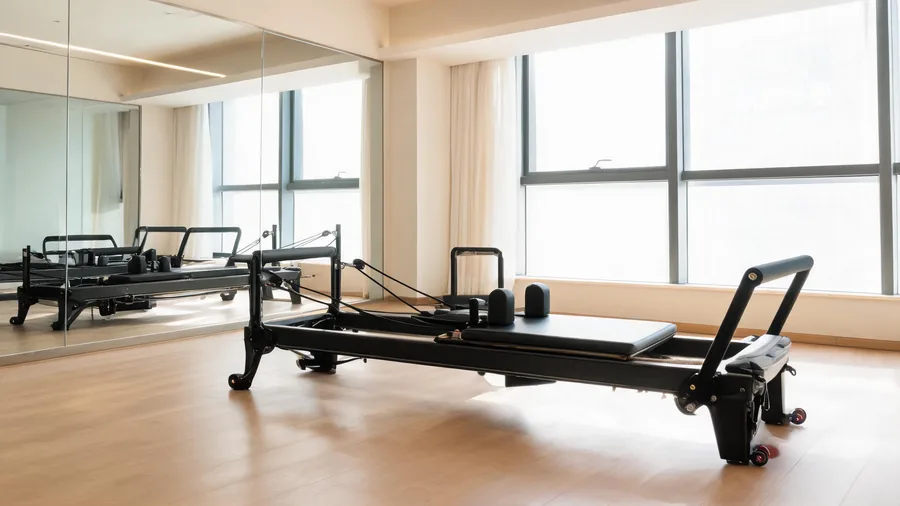
Mengajar kelas reformer multi-level bukan soal menghafal 50 latihan — melainkan menguasai sekelompok kecil variabel modifikasi lalu menerapkannya secara sistematis. Ubah beban pegas, basis tumpuan, tempo, atau rentang gerak, dan latihan yang sama menjadi aman untuk pemula atau menantang bagi lanjutan. Panduan ini memberi Anda kerangka yang benar-benar dipakai instruktur untuk memodifikasi dan menyusun urutan latihan reformer: variabelnya, tangga progresinya, dan template kelas siap pakai untuk grup multi-level.
1. Lima Variabel Modifikasi
Setiap latihan reformer dapat disesuaikan pada lima sumbu independen. Ubah satu variabel pada satu waktu agar klien tahu persis apa yang diminta dari mereka:
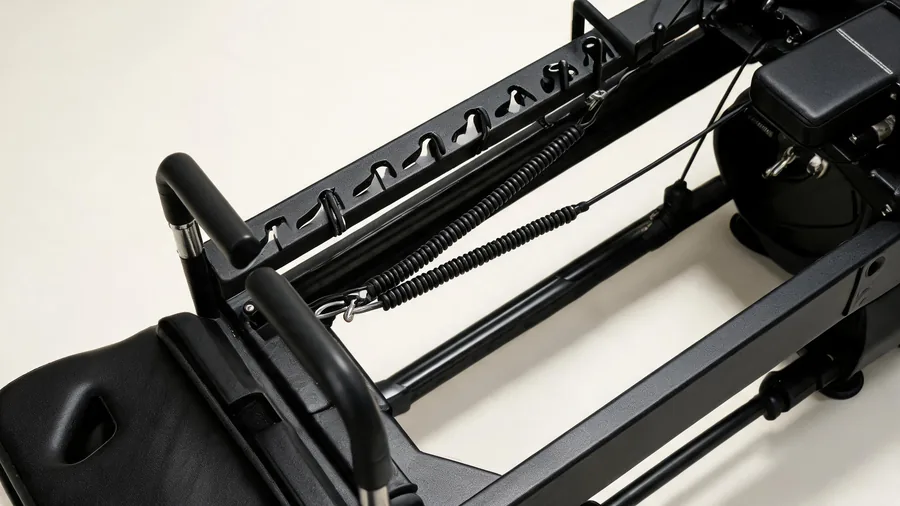
Gunakan tabel ini seperti papan dial: saat klien kesulitan, turunkan satu dial; saat mereka terlalu mudah, naikkan satu dial. Jangan pernah mengubah dua variabel sekaligus dalam situasi mengajar — Anda tidak akan tahu mana yang menyebabkan perubahan.
2. Tangga Progresi: Dari Fondasi ke Tantangan
Susun latihan agar setiap gerakan menyiapkan tubuh untuk gerakan berikutnya. Tangga yang andal untuk kelas campuran:
- Fondasi (supine, stabil): footwork, pelvis netral, latihan lengan supine — membangun pernapasan dan kesadaran pegas
- Aktivasi core: variasi hundreds, abdominal prep, assisted roll-up — merekrut stabilizer dalam dengan carriage sebagai umpan balik
- Transfer beban: footwork satu kaki, lunge, bridging — mengajarkan perpindahan berat melalui pegas
- Pola tidak stabil: kerja berlutut, berbaring miring, dan keseimbangan duduk — menantang kontrol tanpa menambah kecepatan
- Integrasi: aliran seluruh tubuh (long stretch, short spine, control balance) — menggabungkan semuanya dalam kondisi lelah
Urutan ini penting karena dua alasan: membangun dari stabil ke tidak stabil (keselamatan), dan menyimpan pola paling berat untuk saat tubuh sudah hangat (kualitas).
3. Template Kelas Siap Pakai
3.1 Template 45 Menit Ramah Pemula
- 0-5 menit: Latihan napas, posisi footbar, cek keselamatan pegas
- 5-15 menit: Rangkaian footwork (semua supine, 2 pegas ringan)
- 15-25 menit: Persiapan core (pelvic curl, hundreds dengan lutut tertekuk)
- 25-35 menit: Tubuh bagian atas (arm spring duduk, chest expansion)
- 35-45 menit: Footwork pendinginan + peregangan
3.2 Template 50 Menit Multi-Level (yang wajib disimpan)
- 0-5 menit: Persiapan + napas + cek level (tanyakan tujuan tiap klien hari ini)
- 5-15 menit: Footwork — pemula: dua kaki/2 pegas; lanjutan: satu kaki/3 pegas
- 15-25 menit: Core — pemula: persiapan supine; lanjutan: roll-up penuh + persiapan teaser
- 25-35 menit: Kaki/glute — pemula: bridging; lanjutan: lunge satu kaki di pegas
- 35-45 menit: Tubuh atas + keseimbangan — pemula: lengan duduk; lanjutan: pola berdiri/rolling
- 45-50 menit: Pendinginan, satu peregangan per stasiun
Trik dalam kelas multi-level: latihan sama, variabel berbeda. Semua orang melakukan footwork; perbedaan level ada pada pegas dan basis tumpuan, bukan pada daftar latihan yang berbeda.
3.3 Contekan Modifikasi per Latihan
Cara tercepat mengajar kelas campuran adalah referensi siap pakai untuk enam latihan reformer paling umum. Cetak ini untuk clipboard Anda:
Simpan lembar ini dalam pandangan saat mengajar. Dalam enam minggu Anda akan menghafalnya — tetapi memiliki contekan mencegah kesalahan klasik: menyamakan semua orang ke level yang sama karena lupa regresinya saat tertekan.
4. Mengelola Grup Multi-Level Tanpa Kekacauan
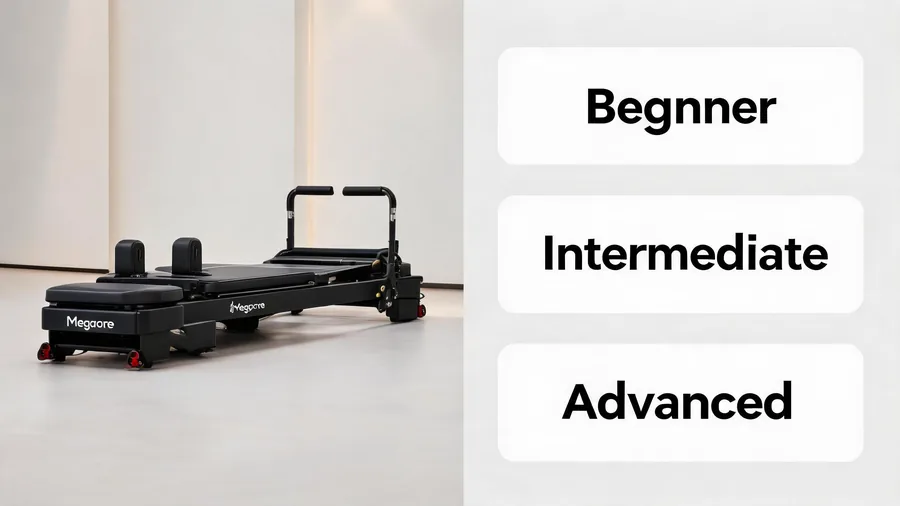
- Beri isyarat regresi lebih dulu, baru progresi. Give the beginner option, then add “for those ready for more.” New clients hear the safe version; experienced clients hear the upgrade.
- Atur posisi reformer berdasarkan level. Put beginners near the instructor’s sightline, advanced clients at the far end — you see the risky clients first.
- Gunakan hitungan musik yang sama untuk semua. Tempo berbeda per level membingungkan; pertahankan satu tempo, bedakan lewat pegas dan ROM.
- Siapkan satu modifikasi per latihan sebelumnya. Jangan berimprovisasi saat tertekan — tulis rencana sebelum kelas, termasuk cadangan untuk setiap latihan.
- Batasi rentang level. Jika satu kelas berisi pemula absolut dan klien sangat lanjutan, bagi ruangan menjadi dua zona dengan pengaturan pegas berbeda dan ajar bagian tengahnya, sambil memeriksa tiap zona.
5. Kesalahan Urutan yang Umum (dan Perbaikannya)
| Kesalahan | Mengapa merugikan | Perbaikan |
|---|---|---|
| Jump board di awal kelas | Lonjakan kardio sebelum pemanasan, teknik buruk saat lelah | Letakkan setelah 25+ menit, hanya klien yang sudah lolos skrining |
| Dua variabel baru sekaligus | Klien tidak bisa mengisolasi apa yang berubah; cedera tersembunyi | Satu dial setiap kali |
| Urutan sama setiap minggu | Plateau; kelas terasa monoton | Rotasi urutan tangga tiap minggu |
| Latihan lanjutan untuk seluruh kelas | Pemula mengompensasi dengan teknik buruk | Regresi lebih dulu, selalu |
| Tanpa footwork pendinginan | Klien pulang dengan hip flexor kaku | Akhiri setiap kelas dengan 3-5 menit footwork ringan |
6. Memajukan Klien Antar Minggu (Bukan Hanya dalam Satu Kelas)
Modification is also a long game. Track each client’s default springs and the hardest variable they managed. When a client completes three consecutive classes at a level without cues, progress one variable. When they miss cues twice, regress one. This simple rule prevents both stagnation and over-reaching — and it gives you objective data for selling private sessions or level-up programs.
7. Pertanyaan yang Sering Diajukan
Bagaimana memodifikasi latihan reformer Pilates untuk pemula?
Mulai setiap pemula pada posisi supine dengan 1-2 pegas ringan, kedua kaki di footbar, dan tempo lambat. Kurangi rentang gerak lebih dulu (naikkan footbar), lalu tambah pegas hanya setelah teknik konsisten. Jangan pernah memberi klien baru pola satu kaki atau berlutut pada sesi pertama.
Apa urutan terbaik untuk kelas reformer?
Stabil ke tidak stabil, sederhana ke kompleks: footwork supine → persiapan core → transfer beban (bridging, lunge) → keseimbangan/koordinasi → aliran integrasi → footwork pendinginan. Simpan pola paling berat di sepertiga tengah kelas saat tubuh hangat tetapi belum lelah.
Bagaimana mengajar kelas reformer multi-level?
Gunakan satu daftar latihan untuk semua dan bedakan dengan lima variabel: pegas, basis tumpuan, tempo, rentang gerak, kompleksitas. Isyaratkan regresi lebih dulu, posisikan pemula dekat Anda, dan siapkan satu modifikasi per latihan sebelum kelas dimulai.
Berapa pegas yang sebaiknya dipakai pemula?
One to two light springs for most beginner footwork and core work. The exact number depends on the reformer’s spring configuration and the client’s size — the test is 8-10 controlled repetitions without the pelvis moving. If the carriage slams or the client strains, reduce load.
Apakah kelas reformer dengan level kebugaran campuran bisa aman?
Bisa, dengan struktur: batasi rentang level, bedakan lewat variabel bukan latihan, dan jaga kelas di bawah 10 reformer (5-6 per instruktur lebih baik). Untuk grup campuran yang sangat besar, gunakan dua zona dengan pengaturan pegas berbeda.
8. Panduan Terkait
- Latihan Boxing dengan Reformer Pilates — bangun format kelas signature
- Latihan Jump Board Reformer Pilates — tambahkan kardio dengan progresi terstruktur
- Tabel Tegangan Pegas Reformer Pilates — referensi beban pegas untuk mengajar
- Panduan Profit Pilates Kelompok Kecil — peralatan dan ekonomi kelas
9. Peralatan yang Memudahkan Pengajaran Multi-Level
Melengkapi atau memperluas studio berbasis kelas? Lihat rangkaian reformer komersial — pegas berkode warna dan footbar yang dapat disesuaikan sudah standar di setiap rangka Megacore.