
If you are outfitting a studio, “megaformer vs reformer vs lagree” is one of the most confusing searches in fitness, and the confusion is not your fault. The industry uses the three names loosely, often in the same sentence, and they refer to overlapping but different things.
Here is the short version before the detail. A reformátor is the traditional Pilates machine. Lagree is a training method. A Megaformer is the machine built for that method. They look similar because both use a sliding carriage and springs, but they are designed for different training experiences, and they attract different clients.
This guide explains what each one actually is, where they differ, and how to decide which belongs in your studio.
1. Three Names, Three Different Things
The first thing to untangle is that these are not three competing brands. They are a machine type, a method, and a machine.
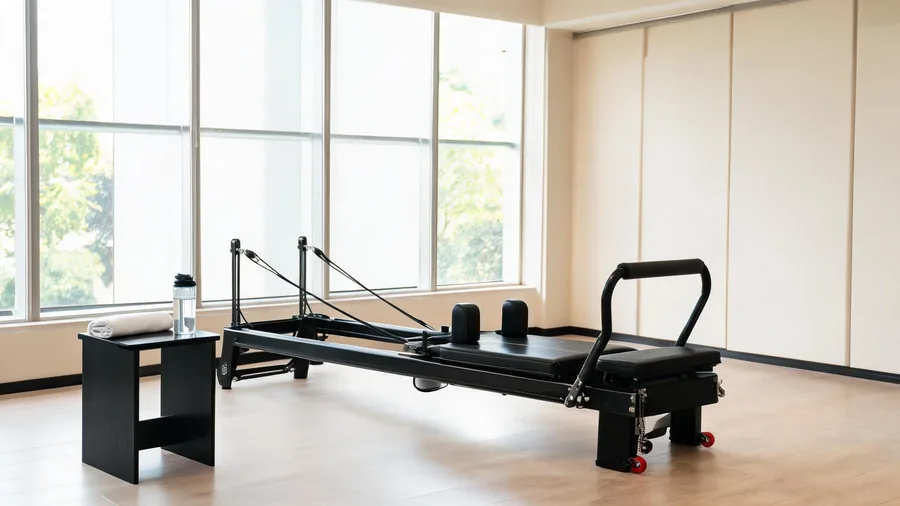
Pilates reformer. A bed-like frame with a sliding carriage, a foot bar, springs and straps. Developed by Joseph Pilates nearly a century ago. Designed for controlled, precise movement, adjustable resistance, and a wide range of exercises. It is the machine most studios use and the one most instructor certifications are built around.
Lagree. A training method created by Sébastien Lagree. It takes the reformer format and turns it into a faster, higher-intensity, low-impact class with minimal rest between movements. Lagree is a method, the way HIIT or Pilates is a method.
Megaformer. The machine designed for the Lagree method. Wider, heavier, built for fast transitions, and usually equipped with a moving platform and side handles. If you attend a Lagree class, you are almost certainly on a Megaformer. Newer machines in the same family, like the Sculptformer and Xformer, follow the same design logic.
So “Lagree vs reformer” is really “method vs machine,” and “megaformer vs reformer” is “one machine vs another.” Once you see that, the rest makes sense.
2. How the Two Machines Differ
On the surface a Megaformer and a reformer look related. In use they feel very different.
| Pilates reformer | Megaformer | |
|---|---|---|
| Tempo | Slow, controlled, mindful | Fast, continuous, minimal rest |
| Focus | Precision, alignment, control | Intensity, endurance, muscle burn |
| Odolnosť | Springs, graded in small steps | Springs with a moving platform; heavier feel |
| Nastaviteľnosť | High (springs, foot bar, headrest) | Lower, with fewer setup variables |
| Class style | Instructor-led, corrective cues | Group energy, pace-driven |
| Client fit | Broad, including rehab and beginners | Fitness-oriented, likes intensity |
The practical consequence is that the reformer is more versatile. You can run a gentle rehab session and a hard athletic session on the same reformer with different springs. A Megaformer is optimised for one experience, and it does that experience very well. Our comparison of a reformer vs Lagree Megaformer goes deeper on the training differences.
3. Why the Megaformer Lifestyle Is Popular
Lagree has built a strong following, and it is worth understanding why, because it tells you who your competition is for class bookings.
It feels intense. Clients who come from HIIT or weight training often find a traditional reformer class too slow at first. Lagree plugs that gap with pace and burn, and the “no rest” format feels like serious work.
It is low impact. Despite the intensity, it stays joint-friendly. That combination, hard but not pounding, is exactly what a lot of 2026 clients want.
It has a scene. Lagree studios sell a branded, high-energy experience with strong community and social appeal. That drives memberships even when the workout can be replicated elsewhere.
The takeaway for a studio owner is that Lagree is not a machine problem, it is a positioning problem. If you run a reformer studio, you can compete for the same client without buying a Megaformer.
4. What Each Is Actually Good For
Neither machine is “better.” They are suited to different jobs.
A reformer is the better fit if: you serve a broad client base, you offer rehab or pre/postnatal work, you want one machine that covers beginners through athletes, and you value adjustability. Most Pilates studios and clinics sit here, and it is why the reformer remains the default. See our guide to reformers for studios.
A Megaformer is the better fit if: your brand is intensity-led, your clients expect a fast group class, and you want a signature experience that is hard to copy on a standard reformer.
Many studios run both. A reformer room for technique, rehab and beginner classes, plus a Megaformer-type room for the high-intensity crowd. It is more capital, but it serves two markets with one address.
5. Cost and the Real Question
The machines sit in different price bands, and the difference is larger than most people expect. Megaformers and similar high-intensity machines are priced as premium equipment, and the figure often surprises studios used to reformer pricing. Our breakdown of what a Megaformer costs covers the range and why it sits where it does.
Just as important, a Megaformer class limits how many clients can train at once, because the machine is not built for quick setup changes. That caps the revenue per square foot compared with a reformer room where the same footprint can host different class types through the day.
Before you decide, run the numbers with real class sizes, not sticker prices. A less expensive machine in a fully booked room usually beats an expensive one with empty slots.
6. If You Already Run a Reformer Studio
If you are a reformer studio wondering how to answer the “do you do Lagree?” question, you have options that do not require buying anything.
Add a faster class. Build an intensity-led reformer class with heavier springs and less rest. It is not Lagree, but it reaches the client who wants pace.
Explain the difference. Clients often cannot tell the machines apart. A clear, honest page or post on the difference positions you as the studio that knows its craft. If you want to target that search intent, our existing reformer vs Lagree Megaformer guide is a good model.
Choose the machine that serves more people. For most studios with mixed clients, a commercial reformer is the safer investment, and it can run an intense class when you want one.
7. How to Choose: A Short Checklist
- Who are your clients: broad and mixed, or intensity-seeking?
- Do you need one machine to cover rehab, beginners and athletes, or a signature high-intensity format?
- What is your realistic class size and revenue per machine, not just the purchase price?
- Will the machine suit your instructors’ certification and training?
- What spare parts and service look like over five years, whichever brand you choose?
If you are building a studio and want the machine count right before you buy, our guide to how many reformers a studio needs and the studio startup guide cover the planning side.
If your answer lands on “a commercial reformer that can run both calm and hard classes,” talk to our team, because that is the machine we build.
Najčastejšie kladené otázky
Is a Megaformer the same as a Pilates reformer?
No. Both use a sliding carriage and springs, but a reformer is built for controlled, adjustable Pilates work, while a Megaformer is built for the faster, higher-intensity Lagree method. They feel different to train on and suit different clients.
Is Lagree the same as Pilates?
No. Lagree is a training method with its own rules and machine, inspired by but distinct from traditional Pilates. It is higher intensity and lower in adjustability than a standard reformer class.
What is the difference between a Megaformer and a reformer?
A reformer prioritises precision and adjustability across a wide range of clients. A Megaformer prioritises intensity and pace, with a moving platform and fewer setup variables, for a fast continuous class.
Which is better, a reformer or a Megaformer?
Neither is better in general. A reformer suits mixed clients, rehab and technique work, and covers more class types. A Megaformer suits an intensity-led brand. Many studios run both.
Can you do Lagree on a regular reformer?
You can build a faster, more intense reformer class, but it will not fully replicate Lagree, which is designed around the Megaformer’s platform and resistance. The general intensity principle transfers; the exact method does not.
Why is a Megaformer so expensive?
Megaformers are premium machines with heavier builds, moving platforms and branded method positioning. The price reflects both the hardware and the model’s market position, which is why they compete at a different level from standard reformers.
Should a new studio buy a Megaformer or a reformer?
For most new studios, a commercial reformer is the more versatile investment. Choose a Megaformer if your brand is built around high-intensity classes and you can keep it full.
Do you need a Megaformer to offer high-intensity classes?
No. A commercial reformer with heavier springs and a fast class format reaches many of the same clients, and keeps one machine doing double duty across your schedule.