
Hiter odgovor
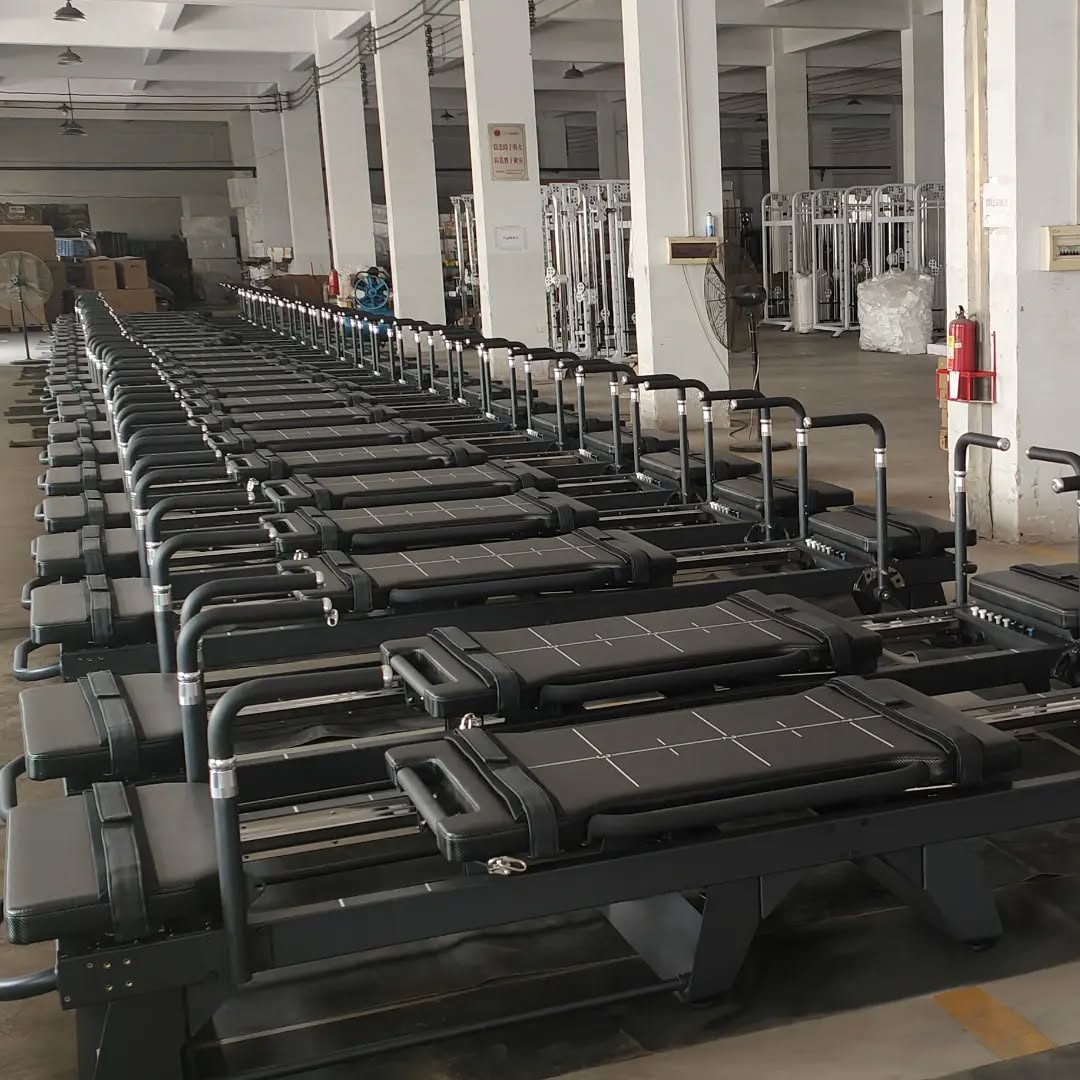
The best reformer for high-frequency use (10+ classes per day) is a steel-frame commercial model with 8 springs, 300+ lb weight capacity, and reinforced frame construction. Look for machines with heavy-gauge steel (14-gauge or thicker), replaceable spring systems, and easy-maintenance carriages. Factory-direct options like Megacore’s full-size commercial model ($3,500–$5,000) offer the same durability as $6,000–$8,000 brand-name alternatives.
What High-Frequency Use Means for a Reformer
A high-frequency studio runs 12–20 classes per day across 6–10 reformers. Each machine gets used 4–8 times daily. Over a year, that’s 1,500–2,500 cycles per machine. Components that wear fastest in this environment: springs (tension loss after 100,000–200,000 cycles), carriage bearings (wear from repeated gliding), ropes (fraying from daily use), and upholstery (compression from constant weight).
Must-Have Features for High-Frequency Use
| Component | Requirement | Why |
|---|---|---|
| Frame | Steel, 14-gauge minimum | Steel doesn’t fatigue under constant load like aluminum |
| Springs | 8 springs, easily replaceable | More springs = less tension per spring = longer life |
| Bearings | Sealed bearings (not bushings) | Sealed bearings don’t collect dust and require no lubrication |
| Upholstery | Commercial-grade PVC, 2mm+ thick | Home-grade upholstery compresses in 6 months of daily use |
| Ropes | Braided nylon, replaceable | Rope fraying is the most common field repair |
Recommended Models for High-Frequency Use
Megacore Full-Size Commercial — Steel frame, 8 springs, sealed bearings, $3,500–$5,000. Best value for studios buying 6+ machines.
Balanced Body Allegro 2 — Steel/aluminum, 5–6 springs, $5,000–$7,000. Proven track record, US support, but 40%+ premium.
Merrithew Stott — Steel/wood options, 5–8 springs, $4,500–$8,000. Good quality, high brand premium.
Pogosta vprašanja
How often should I replace springs in a high-frequency studio?
Every 12–18 months for a machine doing 6+ classes per day. Rotate springs between machines to even out wear.
Can a home reformer handle studio use?
No. Home reformers use lighter materials (aluminum, thinner steel, fewer springs) and will fail within 3–6 months of daily commercial use.
Explore Commercial Models
View Megacore commercial reformers →
Source Content (Merged)
From: The Best Heavy-Duty Pilates Reformers fo
Understanding Carriage Dimensions and Heights Across Reformer Models
When exploring heavy-duty pilates reformers for your studio, carriage width and height are two critical specs to pay attention to. These dimensions don’t just affect accessibility and comfort—they influence stability, client range, and even how easily you can store or move your equipment.
Carriage Widths:
Most commercial-grade pilates reformers fall into two main categories here. Entry-level and space-saving models typically feature carriages around 22 inches (56 cm) wide, which provides ample support for most clients while still being compact enough for shared or multi-use spaces. If your client base includes larger individuals or if your focus is on premium comfort, some reformers up the ante with a 24-inch (61 cm) wide carriage. This extra width can make a notable difference in accommodating clients with broader shoulders or for exercises involving wider arm placements.
Carriage Heights:
There’s also noticeable variation in deck height. Some pilates reformers are designed with a lower profile, coming in at about 9 to 10 inches (roughly 23 to 24 cm) off the ground. These are ideal for environments where stackability or upright storage is needed—you’ll often find they come with vertical stand or wheel options to make storage simpler. On the other hand, models that sit higher—topping out around 16 inches (about 40 cm) tall—offer easier mount/dismount for taller or less mobile clients and a traditional feel that many instructors prefer for group classes and dedicated Pilates spaces.
Customization and Extension Options:
If you cater to particularly tall clients—think 6’4″ (193 cm) and above—look for reformers that allow for optional carriage extensions. This upgrade ensures everyone can achieve full range of motion without compromise.
By weighing carriage dimensions and height against your studio’s needs (and your clients’), you’ll be able to zero in on reformer models that seamlessly blend comfort, functionality, and space-saving features.
From: The Best Heavy-Duty Pilates Reformers fo
Understanding Traditional vs. High-Precision Gearbar Systems
One important feature to consider when comparing pilates reformers is the type of gearbar system they use, as this directly affects the machine’s adjustability and overall user experience.
A traditional gearbar system typically offers a few fixed positions—usually three—for securing the springs. This setup is reliable and straightforward, making it a trusted choice in many professional studios. However, it can feel somewhat limited if your clientele ranges from beginners to advanced practitioners who crave more nuanced resistance customization.
Enter the high-precision gearbar system. Designed for enhanced versatility, this advanced setup provides up to six different positions for spring attachment. That means instructors and clients can fine-tune the resistance with greater accuracy, catering to a broader variety of exercises and body types. Not only does this benefit users looking for incremental challenge progression, but it also streamlines transitions between exercises so studios can keep sessions efficient.
It’s worth noting that opting for a high-precision system is a decision best made at purchase, as these upgrades are typically installed during the initial manufacturing process and can’t always be retrofitted later. For studios aiming to future-proof their investment or offer the most adaptable workout experience, a high-precision gearbar can make all the difference.
From: The Best Heavy-Duty Pilates Reformers fo
Understanding Pilates Reformers Springs
One of the most important components of any heavy-duty Pilates reformers is its system of springs. These springs control the resistance for each exercise, allowing for smooth, adjustable movements that can be tailored to clients of all fitness levels. High-quality springs are crafted from durable metals—often nickel-plated and heat-treated—to provide both longevity and safety.
Each spring is securely attached to the carriage and gearbar, ensuring a consistent and reliable connection during even the most demanding studio sessions. Most commercial-grade reformers also include special connectors or locking mechanisms for added stability throughout your workout.
To maintain top performance and ensure client safety, it’s recommended to replace the springs approximately every two years, regardless of visible wear. Regular replacement helps your reformer maintain its signature smooth ride and keeps your warranty valid for the long haul.
