
Sporcular faydalarını keşfettikçe erkekler için Reformer Pilates hızla yaygınlaşıyor. Pilates uzun süre kadın egzersizi olarak biliniyordu. Bu algı hızla değişiyor. 2025 yılında erkeklerin reformer Pilates derslerine katılımı, sektör verilerine göre yıllık arttı; bu artış büyük ölçüde profesyonel sporcular, askeri personel ve üst düzey yöneticilerden kaynaklandı. Erkekler, reformer antrenmanının fonksiyonel güç geliştirdiğini, kas dengesizliklerini düzelttiğini ve sakatlanmaları önlediğini keşfediyor — bunlar geleneksel ağırlık antrenmanının tek başına sağlayamadığı sonuçlardır. Bu doğrultuda Pilates Method Alliance yönergelerine uyulması ekipman ömrünü garanti eder.
Bu makale, elit sporculardan hafta sonu sporcularına kadar erkeklerin reformer Pilates'i antrenman programlarına neden dahil ettiğini ve erkek müşteriler için hangi ekipman özelliklerinin en çok önem taşıdığını inceliyor.
1. Erkekler için Reformer Pilates: Atletik Performans
Profesyonel spor takımları, reformer Pilates'i kondisyon programlarının vazgeçilmez bir parçası haline getirdi. NFL, NBA ve Premier League kulüpleri özel Pilates antrenörleri çalıştırıyor ve takım antrenman tesislerine çok sayıda reformer kuruyor. Bunun nedeni biyomekanik: reformer antrenmanı, gövde, kalça ve omuzların derin stabilizasyon kaslarını güçlendirir — geleneksel ağırlık antrenmanının yeterince çalıştırmadığı bölgeleri.
Journal of Strength and Conditioning Research'te yayımlanan bir çalışma, mevcut programına haftada iki reformer seansı ekleyen sporcuların 12 haftalık dönemde tek bacak stabilitesini artırdığını ve bel ağrısı görülme sıklığını azalttığını ortaya koydu. Ağır antrenman yapan erkek sporcular için — ağırlık kaldırma, sprint, ani yön değiştirme — bu sonuçlar doğrudan daha az kaçırılan maç ve daha uzun kariyer anlamına geliyor.
2. Erkekler için Reformer Pilates: Neden Mat Yerine Reformer
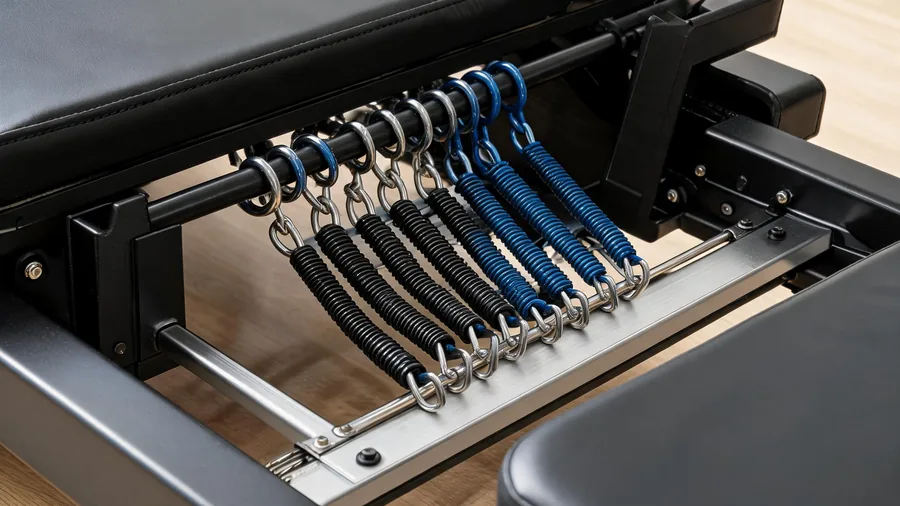
Mat Pilates, ilk seanstan itibaren belirgin bir gövde gücü ve beden farkındalığı gerektirir; bu da dış dirence alışkın erkekler için sinir bozucu olabilir. Reformer, ayarlanabilir yay gerginliği sunarak bu sorunu çözer. Erkek bir müşteri, kaslarını zorlayan ama doğru formu korumasına izin veren orta düzey bir dirençle başlayabilir — ağırlık antrenmanındaki progresif yüklenme ilkesinin, ağırlık plakaları yerine yaylarla uygulanmış hali.
Reformer ayrıca ölçülebilir bir ilerleme sunar. Erkekler sayısal verilere iyi yanıt verir: yay sayısı, taşıyıcı hareket mesafesi ve tekrar hacmi. Bir reformer antrenmanı, tıpkı bir güç seansı gibi programlanabilir — set A (ayak çalışması, 3 yay, 12 tekrar), set B (ayakta hamle, 2 yay, her bacak için 10 tekrar) — bu da onu spor salonu geçmişi olan herkes için tanıdık hale getirir.
3. Erkekler için Reformer Pilates: Temel Egzersizler
Ayak Çalışması (Tüm Varyasyonlar):
Bacak gücü ve ayak bileği stabilitesi kazandırır. Erkek müşteriler iki yayla (orta direnç) başlamalı ve kontrollü eksantrik dönüşe odaklanmalıdır. Form elverdiğinde üç yaya geçin.
Ayakta Hamle:
Tek bacak stabilitesi ve kalça fleksör hareketliliği geliştirir. En az iki yay. Eksantrik faza vurgu yapın — kontrollü ve yavaş dönüş.
Uzun Esneme / Plank Serisi:
Tüm ön zinciri zorlar. Üst gövdesi güçlü erkek müşteriler sıklıkla kol gücüne aşırı güvenir; onlara önce gövdeyi devreye almalarını hatırlatın.
Reformer'da Koşu:
Patlayıcı güç geliştiren plyometrik tek bacak çalışması. İki ağır yay kullanın. 30 saniyelik aralıklarla başlayın, 60 saniyeye çıkarın.
Karın Masajı Serisi:
Ağırlık antrenmanının atladığı derin karın kaslarını hedefler. Hafif ile orta arası yaylar — ağır direnç belin çukurlaşmasına neden olur.
4. Erkekler için Reformer Pilates: Ekipman Özellikleri
Erkekler ortalama olarak kadın müşterilerden daha uzun ve daha ağırdır. Erkek müşteri tabanına hizmet veren stüdyo sahipleri, belirli özelliklere sahip reformerleri önceliklendirmelidir:
Uzatılmış taşıyıcı uzunluğu — en az 105 cm taşıyıcı platformu daha uzun kullanıcılara (185 cm+) uyum sağlar. Bazı üreticiler premium seriler için 110 cm taşıyıcı sunar. Daha geniş yay direnci aralığı — setteki en az bir yay 30+ lb direnç sağlamalıdır. Bacak gücü üzerinde çalışan erkek müşteriler, standart hafif/orta setin sunduğundan daha fazla yüke ihtiyaç duyar. Daha geniş omuz dayamaları — 18–20 cm dolgulu dayamalar, kürek kemiklerine baskı yapmadan daha geniş omuzlara uyum sağlar. Ayak barı yükseklik ayarı — birden fazla konum (3–5) farklı bacak uzunluklarına uyum sağlar. Şasi stabilitesi — daha ağır erkek müşteriler ve patlayıcı jump board çalışması yapanlar daha yüksek dinamik yükler uygular. 250 kg+ derecelendirilmiş bir şasi, sarsıntı olmadan gerekli stabiliteyi sağlar. Yukarıda listelenen tüm özellikler, ticari sınıf Guangzhou fabrikalarından çıkan reformerlerde standarttır.
5. Erkekler için Reformer Pilates: Erkeklere Pazarlama
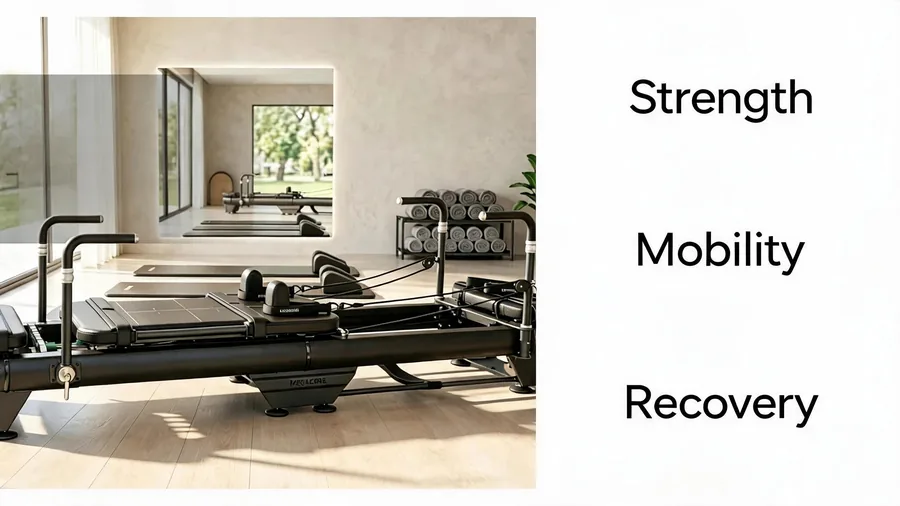
Pilates sektörü erkek pazarındaki fırsatın farkına vardı. Stüdyolar; erkek eğitmenler, erkek müşteri referansları ve spor salonu tarzı ders dili — 'reformer kondisyonu', 'hareketlilik ve güç', 'atletik toparlanma' — öne çıkaracak şekilde mesajlarını yeniden tasarlıyor. 'Gövde stabilitesi', 'eklem sağlığı' ve 'performans optimizasyonu' gibi terimler, 'esneklik' veya 'zihin-beden bağlantısı'ndan daha iyi yankı buluyor.
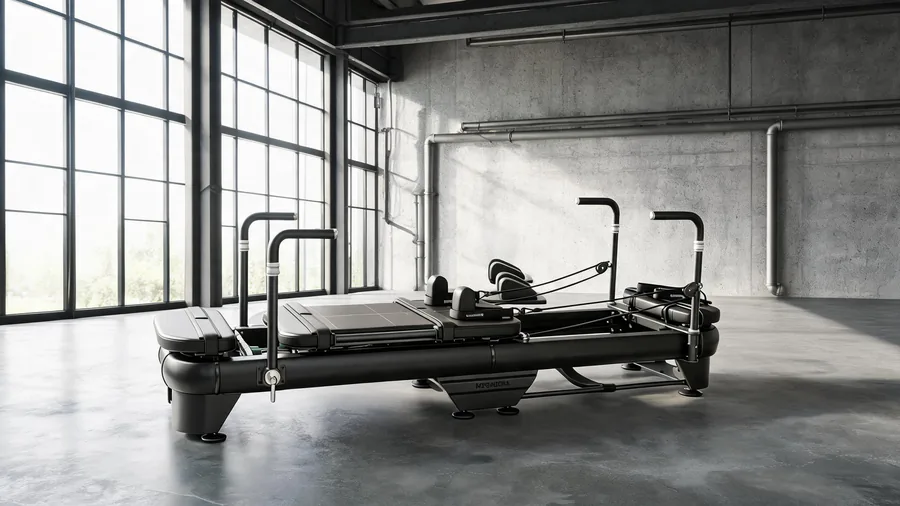
Stüdyo yerleşimi de önemlidir. Spor salonu ortamlarına alışkın erkekler; temiz, endüstriyel estetiğe sahip stüdyoları tercih eder — açıkta çelik, koyu renkler ve dağınık olmayan alanlar. Siyah veya gri döşemeli, toz boya kaplı çelik şaseli reformerler bu estetiğe beyaz veya pastel ekipmandan daha iyi uyum sağlar.
6. Erkekler için Reformer Pilates: Özet
Erkek Pilates pazarı hızla büyüyor ve stüdyo sahipleri için önemli bir gelir fırsatı sunuyor. Erkek müşteriler; daha yüksek ağırlık kapasitesine, uzatılmış taşıyıcı uzunluğuna ve daha geniş yay direnci aralığına sahip reformerler gerektirir. Guangzhou merkezli üreticilerin ticari sınıf reformerleri bu özellikleri fabrikadan almak fiyatlarla karşılıyor. Doğru ekipman ve hedefli pazarlama ile stüdyolar bu büyüyen kitleyi yakalayabilir ve yıl boyunca antrenman yapan sadık bir erkek müşteri tabanı oluşturabilir. Uzun Sporcular için En İyi Ağır Hizmet Pilates Reformerları
Erkekler için Reformer Pilates: Sıkça Sorulan Sorular
Pilates yeni başlayanlar için uygun mu?
Kesinlikle. Pilates, en erişilebilir egzersiz türlerinden biridir. Yeni başlayanlar temel hareketlerle başlar ve kendi hızlarında ilerler. İyi bir eğitmen, egzersizleri farklı fitness seviyelerine göre uyarlar. Birçok stüdyo yeni başlayanlara özel dersler sunar.
Sporcular için en iyi Pilates hangisi?
Sporcular; gövde stabilitesi, esneklik ve dengeli kas gelişimi sağlayan reformer çalışmasından fayda görür. Spora özel protokoller, belirli sporlarla ilgili hareket kalıplarını hedefleyebilir. Artık birçok profesyonel takım Pilates'i antrenmana dahil ediyor.
Pilates kilo vermek için iyi mi?
50 dakikalık bir reformer seansı, dinlenme metabolizmasını artıran yağsız kas kütlesi oluştururken 250-450 kalori yakar. Beslenme disiplini ve kardiyo ile birleştirildiğinde Pilates, vücut kompozisyonu değişimleri için çok etkilidir.
erkekler için reformer Pilates: Sonuç
Pilates; farklı fitness seviyelerine, hedeflere ve vücut tiplerine şaşırtıcı derecede iyi uyum sağlar. Doğru ekipman ve eğitim, Pilates'i yeni başlayanlardan profesyonel sporculara kadar herkes için erişilebilir ve etkili kılar. Çok yönlü, kaliteli bir reformer seçmek, geniş bir müşteri kitlesine hizmet etmeniz için size zemin sağlar.
Teklif alın Megacore'dan — ticari sınıf Pilates ekipmanında fabrikadan doğrudan fiyatlandırma için.
Erkekler için Reformer Pilates İçin Reformerlar Edinin
Stüdyonuz için erkeklere yönelik reformer Pilates ekipmanını görüşmek üzere bizimle iletişime geçin.
Carriage width and weight capacity per model are on the reformer model pages.