
1. متى تجدول استبدال زنبركات Reformer Pilates
الزنبركات هي قلب أي جهاز Reformer في Pilates reformerفهي توفر المقاومة المتغيرة التي تجعل التمرين على الـ Reformer تجربة فريدة، وحالتها تؤثر مباشرة في جودة التمرين وسلامة العميل وثبات تجربة التمرين. وخلافًا للإطارات التي تدوم عقودًا، فإن الزنبركات مكوّنات استهلاكية لها عمر خدمة محدود. ومعرفة متى تستبدلها — وكيف تفعل ذلك بشكل صحيح — معرفة صيانة أساسية لكل صاحب استوديو.
تختلف فترات استبدال زنبركات Reformer Pilates حسب الاستخدام. الاستوديو الذي يقدم 10 حصص يوميًا على كل Reformer ينبغي أن يستبدل الزنبركات كل 6–8 أشهر. أما المستخدم المنزلي الذي يتدرب 3 مرات أسبوعيًا فيمكنه أن يتوقع عمرًا للزنبرك من 3 إلى 5 سنوات. وتتبُّع عدد الدورات أدق من التوقيت الزمني عند جدولة استبدال زنبركات Reformer Pilates. وكثير من الاستوديوهات تعلّق ورقة تسجيل بسيطة على إطار كل Reformer لتدوين عدد الحصص.
2. استبدال زنبركات Reformer Pilates: الأدوات والتحضير
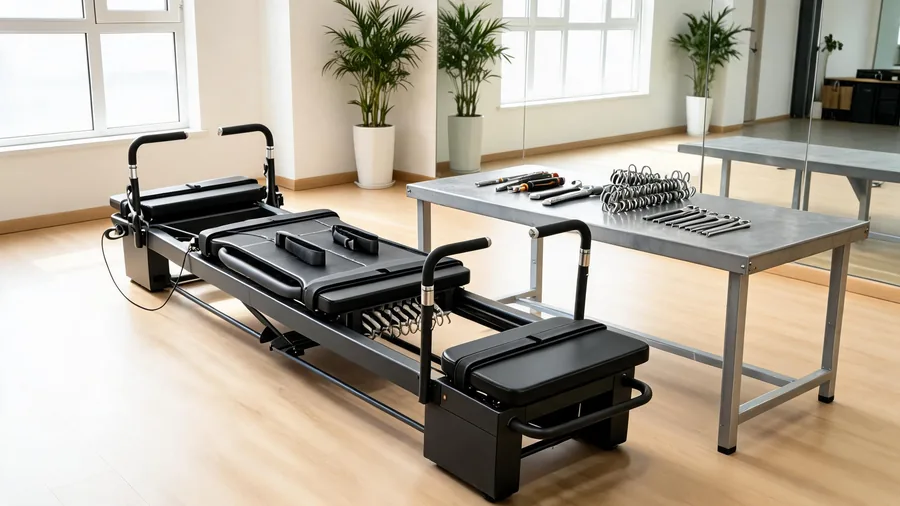
قبل البدء في استبدال زنبركات Reformer Pilates، جهّز ما يلي: زنبركات بديلة مطابقة لموديل الـ Reformer، وأداة خطّاف زنبرك للفك والتركيب بأمان، وقفازات واقية لحماية اليدين من شدّ الزنبرك، ومساحة عمل نظيفة. واستبدل الزنبركات دائمًا في مجموعات متطابقة للحفاظ على شدّ متساوٍ على العربة. فخلط زنبركات قديمة وأخرى جديدة بالتصنيف نفسه قد ينتج مقاومة غير متساوية تؤثر في جودة التمرين.
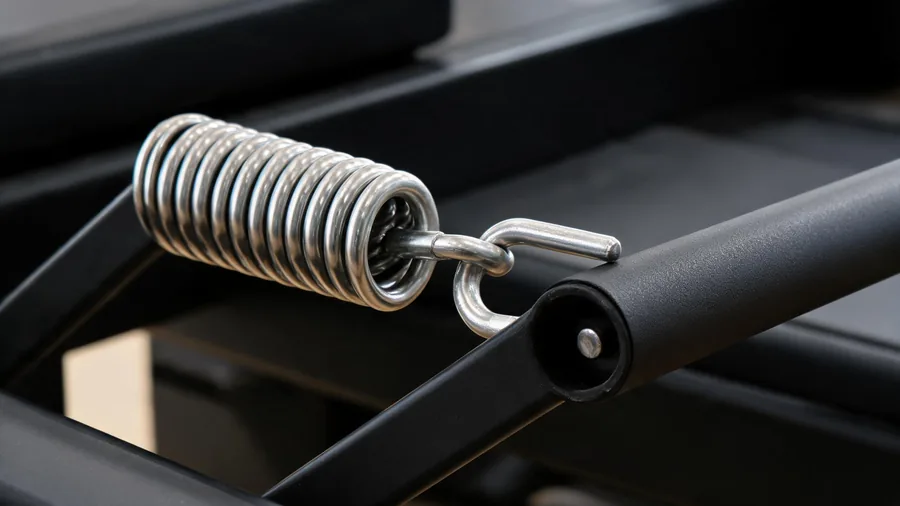
زنبركات Reformer Pilates هي زنبركات شدّ مصممة للعمل ضمن نطاق قوة محدد. ويستخدم الـ Reformer التجاري النموذجي زنبركات بتصنيف يتراوح بين 1.0 كغ و2.5 كغ من المقاومة لكل مليمتر من الاستطالة، وعادةً ما تكون مرمّزة بالألوان للتعرف السريع. ويخضع كل زنبرك لمئات الآلاف من دورات التحميل خلال عمر خدمته. وكل دورة استطالة وعودة تُحدث إجهادًا مجهريًا في سلك الزنبرك — خصوصًا عند السطح الداخلي للفاتة حيث يكون إجهاد الشدّ أعلى.
إجهاد الزنبرك تراكمي وغير خطي. فقد يعمل الزنبرك بالطريقة نفسها خلال 90 بالمئة من عمره المفيد ثم يتدهور بسرعة. والمؤشرات الرئيسية هي تغيّر الإحساس بالمقاومة (أن يبدو الزنبرك «طريًا» أو «مرتخيًا») والتشوه المرئي في شكل الفاتة. وبمجرد ظهور استطالة دائمة تتجاوز الطول الحر الأصلي، تكون منحنى المقاومة قد تغيّر ويجب استبداله فورًا.
3. استبدال زنبركات Reformer Pilates خطوة بخطوة
الصدأ أو التآكل الظاهر على سطح الزنبرك أوضح إشارة للاستبدال. فالزنبركات المطلية بالكروم أو المغطاة بالزنك تقاوم التآكل لكنها ليست محصّنة، خاصة في الاستوديوهات الساحلية ذات الهواء المالح. والتآكل النُقَري — نقاط داكنة صغيرة خشنة الملمس — يعني أن الطبقة الواقية اخترقت وأن سلك الزنبرك يتدهور.
فقدان الطول الحر هو أدق مقياس كمي. قِس طول الزنبرك في حالة عدم التحميل وقارنه بالمواصفة الأصلية. فالزنبرك الذي استطال 3 بالمئة أو أكثر فوق طوله الحر الأصلي تجاوز حدّه المرن وسيعطي مقاومة غير ثابتة. ولمواصفة زنبرك بطول 20 سم، ينبغي سحب أي زنبرك يبلغ طوله 20.6 سم أو أكثر في حالة عدم التحميل.
تغيّر الإحساس بالزنبرك أثناء الاستخدام — أن تحتاج العربة جهدًا أقل للتحرك في المدى نفسه، أو أن يبدو الزنبرك «مرتدًا» بدلًا من تقديم مقاومة سلسة متدرجة — يعني أن خصائص التخميد الداخلية تغيّرت. وكثيرًا ما يلحظ ذلك المدربون ذوو الخبرة قبل ظهور أي تغيّر قابل للقياس في الطول.
4. اختبار الزنبركات بعد استبدال زنبركات Reformer Pilates
تعتمد فترة الاستبدال على حجم الاستخدام. فالـ Reformer المستخدم في 8–10 حصص يوميًا في استوديو تجاري عالي الحركة ينبغي استبدال زنبركاته كل 6–8 أشهر. أما الـ Reformers متوسطة الاستخدام عند 4–5 حصص يوميًا فقد تمضي 12–18 شهرًا بين كل تغيير. وقد تحتاج الاستوديوهات الخاصة منخفضة الحركة إلى استبدال كل 2–3 سنوات فقط. والأسلم هو تتبُّع عدد الحصص لكل آلة وجدولة الاستبدال على فترة ثابتة مبنية على بيانات الاستخدام الفعلية.
كثير من المشغّلين التجاريين يوزّعون الاستبدال — فيستبدلون نصف زنبركات كل Reformer في دورة والنصف الآخر في الدورة التالية. وهذا يمنع وصول جميع زنبركات الآلة الواحدة إلى نهاية العمر في الوقت نفسه، ويوفر مقارنة مرجعية بين زنبركات جديدة وأخرى متآكلة جزئيًا تساعد المدربين على معرفة وقت الحاجة إلى الاستبدال.
توثيق نتائج الاختبار لكل عملية استبدال زنبركات Reformer Pilates يبني سجل صيانة يساعد على توقّع احتياجات الاستبدال المستقبلية. وينبغي للاستوديوهات الاحتفاظ بسجلات تواريخ الاستبدال ومواصفات الزنبركات وقراءات الاختبار لكل Reformer في مخزونها.
5. مواصفات قطع استبدال زنبركات Reformer Pilates
يستلزم استبدال زنبركات Reformer Pilates مطابقة المواصفات الصحيحة: قطر السلك (عادةً من 1.8 مم إلى 2.2 مم في الزنبركات التجارية)، والطول الكلي (يختلف حسب موديل الـ Reformer)، ونوع الطرف (خطّاف أو حلقة أو مشبك). واستخدام مواصفات زنبرك غير صحيحة يضرّ بالسلامة والأداء. ويوفر المصنّعون مباشرون مثل Megacore مواصفات تفصيلية لكل زنبرك بديل لضمان توافقه مع أجهزتهم.
يجب أن تطابق الزنبركات البديلة المواصفات الأصلية بدقة. والمعايير الحاسمة هي قطر السلك (عادةً 1.8–2.2 مم في زنبركات الـ Reformer)، وقطر الفاتة، والطول الحر، وعدد الفاتات الفعّالة، ومعدل الزنبرك (كغ/مم أو رطل/بوصة). فالزنبرك بقطر سلك مطابق لكن بقطر فاتة أو عدد فاتات فعّالة مختلف سيعطي منحنى مقاومة مختلفًا حتى لو كان الطول الكلي واحدًا.
كما يجب أن تتطابق أطراف التثبيت — الحلقات أو الخطّافات التي تتصل بالإطار والعربة. فالحلقات المغلقة والخطّافات المفتوحة والخطّافات الممتدة ليست قابلة للتبادل دون تعديل نقاط تثبيت الزنبرك على الـ Reformer. وعند طلب زنبركات بديلة، زوّد المورّد بالموديل وسنة الإنتاج بدقة ليتحقق من مطابقة طرف التثبيت.
نوع مادة الزنبرك مهم. فسلك الموسيقى (ASTM A228) هو المعيار الصناعي لزنبركات الـ Reformer التجارية بفضل قوته الشدّ العالية ومقاومته للإجهاد. وتتوفر زنبركات من الستانلس ستيل للبيئات الساحلية أو عالية الرطوبة لكنها تكلف نحو ضعف سعر زنبركات سلك الموسيقى. أما زنبركات سبيكة الكروم-سيليكون فتمنح أطول عمر إجهاد بين مواد الزنبرك الشائعة، ومصنّفة لأكثر من 500,000 دورة قبل ظهور استطالة قابلة للقياس.
6. تخزين مخزون بدائل زنبركات Reformer Pilates
تركيب الزنبركات الجديدة يستلزم الانتباه إلى ثلاثة تفاصيل: التثبيت الكامل، والمحاذاة، والشدّ. فيجب أن يُثبَّت خطّاف كل زنبرك بالكامل في نقطة تثبيته — فالتثبيت الجزئي يجعل الخطّاف ينفتح تحت الحمل ويخلق خطرًا على السلامة. ويجب أن يتدلى الزنبرك مستقيمًا من نقاط تثبيته دون أن يلتصق بالزنبركات المجاورة أو الإطار. وبعد التركيب، تحقق من أن كل زنبرك يعود إلى طوله الحر الكامل عند إزالة الحمل وأنه لا يحتك بأي جزء من الإطار أثناء حركة العربة.
استبدل دائمًا جميع زنبركات الـ Reformer كمجموعة، لا فرديًا. فخلط زنبركات بأعمار مختلفة يخلق مقاومة غير متساوية بين المواضع ويجعل من المستحيل على العميل معرفة المقاومة التي يحصل عليها. ومجموعة من 4–5 زنبركات متطابقة من الدفعة الإنتاجية نفسها تضمن منحنيات مقاومة متطابقة في جميع المواضع.
7. بروتوكول صيانة الاستوديو لاستبدال زنبركات Reformer Pilates
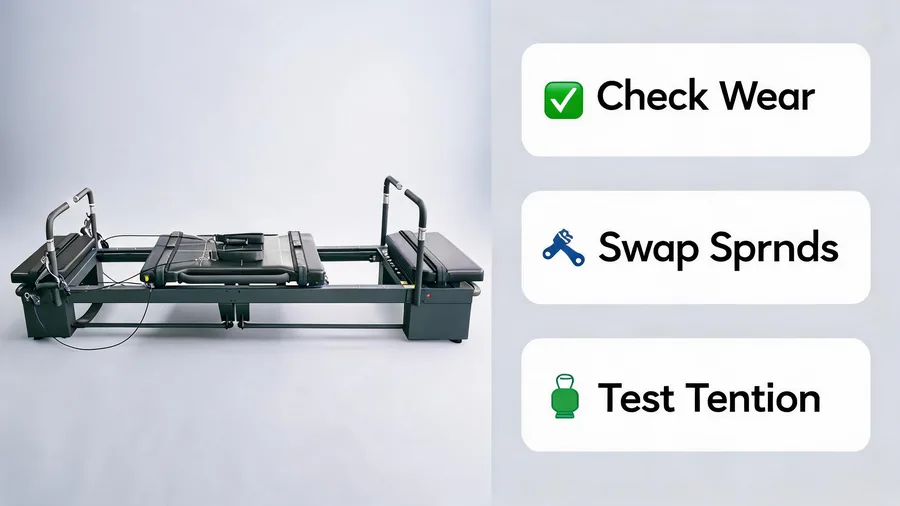
يجب أن يتضمن بروتوكول استبدال زنبركات Reformer Pilates الموثق: فحصًا بصريًا شهريًا لجميع الزنبركات بحثًا عن تآكل أو تشوه ظاهر، واختبار شدّ ربع سنوي بميزان زنبركي، واستبدالًا مجدولًا وفق عدد الدورات. ويستفيد الاستوديو الذي يملك عدة Reformers من سجل صيانة مركزي يتتبع كل آلة على حدة. واستبدل الزنبركات في جميع أجهزة الموديل نفسه في الوقت نفسه للحفاظ على تجربة حصة متساوية في الاستوديو.
احتفظ بمجموعات زنبركات احتياطية لكل موديل Reformer لديك. فمجموعات الزنبركات صغيرة الحجم وعمرها التخزيني غير محدود إذا خُزّنت في بيئة جافة، لذا لا ضرر من الاحتفاظ بمخزون يكفي ثلاثة أشهر إضافية. وعند الطلب من الخارج، احسب 15–30 يومًا لزمن الشحن في تخطيط مخزونك. ويُفضّل تخزين الزنبركات في أكياس بلاستيكية محكمة مع هلام السيليكا المجفف لمنع التآكل أثناء التخزين.
توفر Megacore Pilates مجموعات زنبركات متطابقة لجميع موديلات أجهزتها، مرمّزة بالألوان حسب تصنيف المقاومة ومرفقة بشهادة اختبار شدّ. وتُصنع زنبركاتنا من سلك الموسيقى ASTM A228 بطلاء زنك-نيكل يوفر مقاومة تآكل بالرشّ الملحي لمدة 72 ساعة — وهو أعلى بكثير من المعيار الصناعي البالغ 24 ساعة. وتُطابَق كل مجموعة زنبركات على مستوى الدفعة بحيث تعطي جميع زنبركات الطقم مقاومة متطابقة ضمن تفاوت ±2 بالمئة.
ضع جدولًا مكتوبًا لفحص الزنبركات وحدّد موظفًا بعينه مسؤولًا عنه. أسبوعيًا: فحص بصري لجميع الزنبركات بحثًا عن صدأ أو تشوه أو تلف. شهريًا: قياس الطول الحر لكل زنبرك وتدوينه في سجل الصيانة. ربع سنويًا: اختبار إحساس وظيفي يقوم به مدرب أول قادر على ملاحظة التغيّرات في جودة المقاومة. ويصبح سجل الصيانة أصلًا قيمًا لمطالبات الضمان ويساعد على توقّع احتياجات الاستبدال قبل أن تصبح عاجلة. أفضل أجهزة البيلاتس ريفورمر للاستخدام التجاري
استبدال زنبركات Reformer Pilates: الأسئلة الشائعة
ما الذي يميّز معدات Pilates هذه عن البدائل المبتدئة؟
استبدال زنبركات Reformer Pilates مهمة صيانة أساسية لأصحاب الاستوديوهات التجارية. والفرق يعود إلى المواد والتصنيع. فالمعدات التجارية تستخدم إطارات معدنية بالكامل ومحامل محكمة وزنبركات معايرة. أما البدائل المبتدئة فتستخدم مواد أخف تتدهور أسرع. والـ Reformer الجيد يدوم 5–10 سنوات أو أكثر، بينما يحتاج الـ Reformer المبتدئ إلى استبدال غالبًا خلال 1–2 سنة.
كيف أعرف إن كانت هذه المعدات مناسبة لاحتياجاتي تحديدًا؟
انظر إلى حالة الاستخدام الأساسية: استوديو أم منزل، وتركيبة العملاء، وحجم الحصص، والسعر. فأصحاب الاستوديوهات ينبغي أن يعطوا الأولوية للمتانة وسهولة الصيانة، والمستخدمون المنزليون لتوفير المساحة وسهولة الاستخدام. طابق مواصفات المعدات مع متطلباتك المحددة بدلًا من الشراء للأغراض العامة.
ما الضمان والدعم اللذان ينبغي أن أتوقعهما من مصنّع موثوق؟
يجب أن تحمل المعدات التجارية ضماناً هيكلياً لا يقل عن سنتين وسنة على المكونات. وكثيراً ما يقدم المصنّعون المباشرون مثل Megacore تغطية ممتدة ودعماً فنياً مباشراً. واطلب دائماً وثائق الضمان كتابياً قبل الشراء.
استبدال زنبركات Reformer Pilates: الخلاصة
اختيار المعدات المناسبة يحدث فرقًا كبيرًا في ممارستك أو عملك في البيلاتس. وسواء كنت تؤسس استوديو أو تحدّث أجهزتك الحالية أو تجهّز مساحة منزلية — فالاستثمار في معدات جيدة تناسب احتياجاتك هو أساس رضا وأداء يدومان على المدى الطويل.
تصفّح أجهزة الـ Reformer التجارية لدينا ←
هل تحتاج قطع استبدال زنبركات Reformer Pilates؟
تواصل معنا للحصول على قطع استبدال زنبركات Reformer Pilates أصلية لاستوديوك التجاري. نوفر جميع مستويات الشدّ ونشحن إلى جميع أنحاء العالم.
Spring length and rating are model-specific, and the reformer model pages list both.