
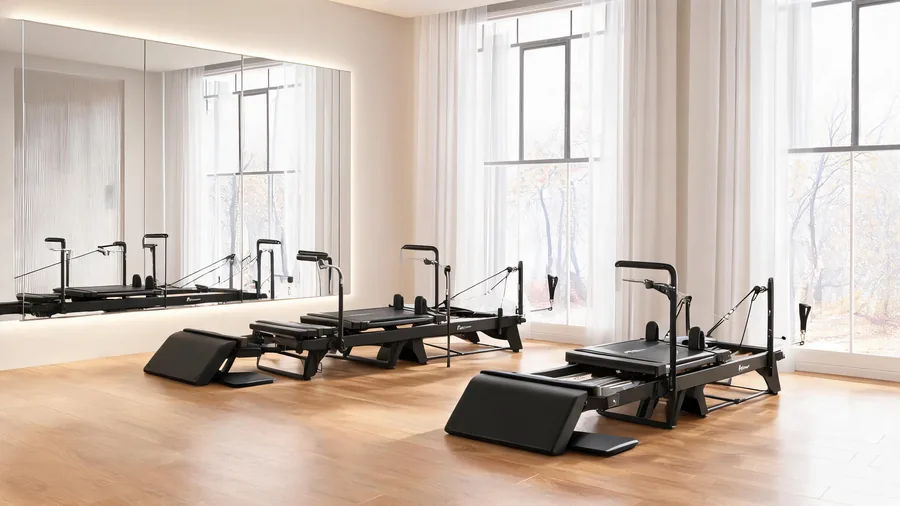
The jump board turns a Pilates reformer into a low-impact cardio and power tool — but only if you teach it with structure. Random jumping burns clients out and scares off beginners; a programmed approach builds stamina safely and keeps classes full. This guide covers the jump board from the instructor’s seat: spring and board setup, progressions that respect joints, session templates, and the safety protocols that keep you protected.
1. How the Jump Board Works (and Why It Is Not “Just Jumping”)
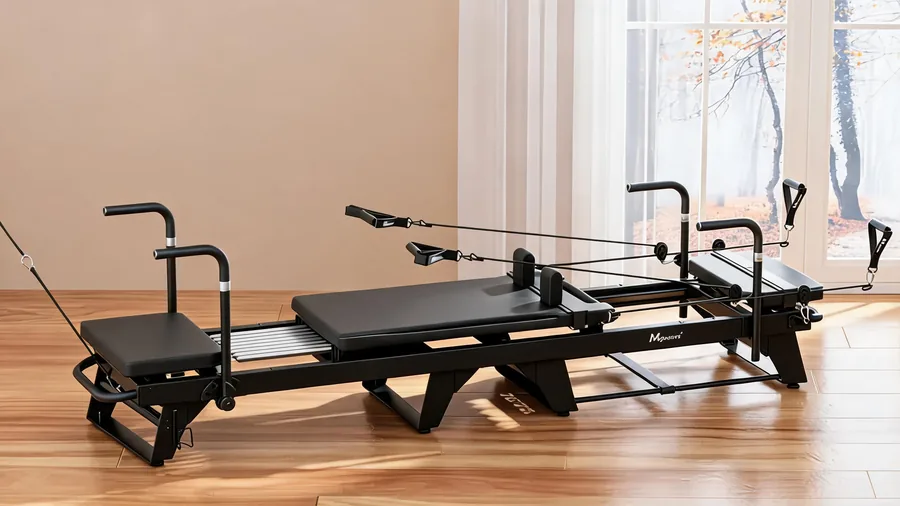
Jump board-ът се закрепва за края на реформера при опората за крака. Клиентът ляга, седи или стои на количката и се оттласква от дъската, като се движи напред-назад върху пружините. За разлика от бягането или скоковете на кутия, пружините поемат приземяването — натоварването върху колената и гръбнака е част от това при кардиото на земята. Това е клиничният аргумент за jump board-а: кардио и силова подготовка с контролирани, нискоударни приземявания.
Но пружините означават и че техниката е още по-важна. Натиснете твърде силно и количката удря в края; приземете се сковано и отскокът разтърсва гръбнака. Да преподавате jump board добре означава да преподавате синхрон с пружините, не просто усилия.
2. Избор на пружини и настройка: основата
| Профил на клиента | Пружини | Позиция на дъската |
|---|---|---|
| Начинаещи с jump board | 2 леки пружини | Най-ниска настройка, близо до количката |
| Общ фитнес клас | 2 средни пружини | Средна настройка |
| Напреднали / атлетични | 3-4 пружини (различни) | Най-висока настройка, по-дълъг ход |
| След травма (само с разрешение) | 1-2 леки пружини | Най-ниско, само кратък обхват |
Правило: пружините трябва да поемат приземяването, а не да се борят с натиска. Ако количката стига до края или клиентът се напряга да се върне, намалете натоварването. Ако усещането е мъртво и тромаво, добавете пружина.
3. Стълбица на прогресията с jump board
Напредвайте клиентите в този ред — никога не прескачайте стъпало:
- Етап 1 — Скачане в седнало положение: стъпала на дъската, тазът леко повдигнат, малки контролирани подскоци. Учи ритъма на пружините без пълно натоварване.
- Етап 2 — Малки скокове в изправено положение: два крака, меки колена, малък обхват. Фокус: тихо приземяване, количката никога не удря.
- Етап 3 — Пълни скокове: пълен обхват, ръцете се движат естествено. Фокус: постоянен темп, без подскачане при връщане.
- Етап 4 — Единичен крак и посоки: редуване на краката, малки модели настрани или напред-назад. Фокус: контрол при асиметрия.
- Етап 5 — Интервали за мощност: серии с максимално усилие и пълна почивка. За атлетични клиенти и signature класове.
Повечето групови класове работят между етап 2 и 4. Етап 5 е само за специализирани атлетични или signature класове.
4. Готови шаблони за сесии
4.1 20-минутно допълнение с jump board (за всеки клас)
- 0-3 мин: Настройка, проверка на пружините, мобилност на ставите (глезени, таз)
- 3-7 мин: Скачане в седнало положение + загрявка за стъпала
- 7-12 мин: Скокове в изправено положение, умерен темп, 45 с работа / 15 с почивка
- 12-16 мин: Редуване на краката + малки модели с посока
- 16-20 мин: Разпускане с работа за стъпала, бавни пружини, стречинг за глезени
4.2 50-минутен signature клас с jump board
- 0-8 мин: Пълна загрявка (стъпала, мобилност на гръбнака, дишане)
- 8-15 мин: Прогресия етап 1-2 (всички учат ритъма)
- 15-30 мин: Интервален блок — 40 с работа / 20 с почивка, редуване на пълни скокове и възстановяване с работа за стъпала
- 30-40 мин: Блок за мощност (етап 4-5 за одобрени клиенти, скачане в седнало за останалите)
- 40-45 мин: Ядро + горна част на тялото на реформера (възстановяване с цел)
- 45-50 мин: Разпускане, стречинг на задната част на бедрото и прасеца
Интервалната структура е това, което прави часовете с jump board безопасни и повторяеми: тежката работа винаги се редува с възстановяване, подпомогнато от пружините, никога пълна почивка на пода.
5. Протоколи за безопасност, нужни на всеки инструктор
- Скрининг: без jump board за клиенти със скорошна операция на коляно или глезен, остър проблем с диск, бременност (без разрешение) или нарушения на баланса. Вземете писмено разрешение за клиенти след травма.
- Проверка на дъската: проверявайте закрепването и каишките на дъската преди всеки клас — разхлабена дъска при скорост е сериозен риск от нараняване.
- Обувки: чорапи с грайфер или боси крака за напреднали клиенти със силни стъпала. Никога хлъзгави чорапи.
- Команда за приземяване: “soft knees, quiet landing” — the carriage should never slam. Stop the set immediately if it does.
- Ограничете блока: не повече от 15-20 минути работа с jump board на сесия за групови класове; умората е там, където формата се разпада.
- Аварийно спиране: всеки клиент знае да освободи пружините или да стъпи на рамката, за да спре количката.
6. Маркетинг на класовете с jump board (и ценообразуване)
Jump board classes are among the most marketable reformer offerings because they promise a visible benefit: cardio in a Pilates studio. Position them as “cardio on the reformer — no impact on your joints.” Popular formats that sell: 20-minute add-ons (premium of $10-15), 50-minute signature classes (premium of $5-10 over standard), and athlete-focused conditioning blocks. Word-of-mouth drivers: post short clips of the class, track member attendance, and offer a “first jump class free” for members.
7. Често задавани въпроси за упражненията с jump board
Безопасна ли е работата с jump board за клиенти с проблеми с колената?
Може да бъде, при условия: леки пружини, малък обхват, само в седнало положение или нисък етап и писмено разрешение от лекуващия специалист. Пружините поемат удара от приземяването, което е по-щадящо от скачането на земята — но всеки клиент с активна болка в колената трябва да остане на етап 1 (скачане в седнало положение), докато болката изчезне.
Колко струва приставката jump board?
Приставките jump board обикновено са в диапазона $100 до $400 в зависимост от качеството на изработката. Комерсиалните дъски с усилени скоби струват повече, но издържат на ежедневна употреба в класове — домашните дъски може да се спукат в точката на закрепване при повтарящи се тежки скокове. Преди покупка потвърдете, че дъската е съвместима с вашия модел реформер.
Мога ли да използвам jump board на всеки реформер?
Most modern reformers accept a compatible jump board, but mounting systems vary by brand and model. Check the manufacturer’s compatibility list — using an incompatible board risks frame damage and injury. If you are buying reformers for a jump board program, confirm the board compatibility at purchase time.
Колко калории мога да изгоря в клас с jump board?
Оценките варират от 300-500 калории на час за умерен клас — подобно на бързо кардио, но с по-ниско натоварване на ставите. Реалната цифра зависи от телесното тегло, натоварването на пружините и интервалите — интервалите за мощност изгарят повече от равномерното скачане. Това е инструмент за кондиция, не трик за отслабване; ползите за сила и контрол са също толкова важни, колкото калориите.
Нужна ли ми е специална сертификация, за да преподавам класове с jump board?
Повечето ръководни органи не изискват отделна сертификация, но пълната сертификация за инструктор по реформер е силно препоръчителна. Добавете специализиран уъркшоп (много Pilates школи предлагат модули за jump board), за да научите прогресиите, протоколите за безопасност и противопоказанията, преди да преподавате публично.
8. Избор на реформер за програма с jump board
Кажете ни колко класа с jump board провеждате седмично и ще препоръчаме правилната рамка и конфигурация на дъската — говорете с нашия екип.
Не всеки реформер издържа на ежедневна употреба с jump board. Търсете: усилена рамка (стомана, не лек алуминий), пружини за тежко натоварване, оценени за повтарящо се натоварване, стабилна опора за крака, която не се огъва, и съвместим комерсиален jump board. Ако провеждате няколко класа с jump board седмично, избягвайте сгъваеми или домашни рамки — повтарящият се удар бързо износва съединенията им.
9. Свързани ресурси
Изграждате програмата си с реформер? Вижте ръководството ни за модифициране и подреждане на упражнения на реформер за смесени класове, и пълния каталог с аксесоари за реформер за jump board, кутии и приставки тип кула.
- Ръководство за размери на Pilates реформер — спецификации на рамката за съвместимост с jump board
- Pilates реформер: бокс тренировка — друг signature формат за клас
- Комерсиални Pilates реформери — конфигурации, готови за jump board