
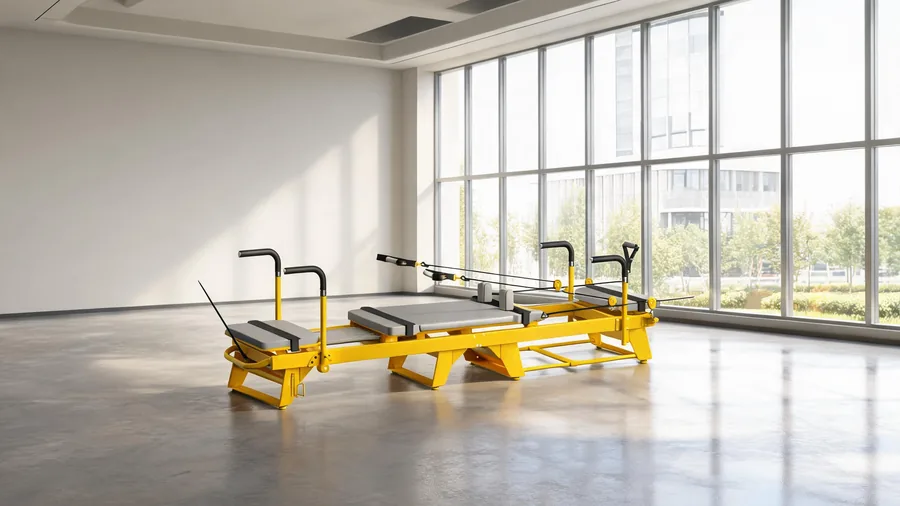
Pilates реформери за комерсиална употреба трябва да издържат 8 до 15 занимания на ден, да пасват на клиенти от всякакъв размер и години по-късно да работят плавно и тихо. Това е по-висока летва от домашното оборудване и определя реалната цена на машината през живота ѝ. Това ръководство обхваща какво всъщност означава комерсиален клас, какво да зададете преди покупка и какви разходи да очаквате.
Бърз отговор: Реформерът е комерсиален клас, когато са верни четири неща: заварена стоманена или тежка алуминиева рамкапружинна система, изчислена за 8 до 12 занимания на дени карета с уплътнени ролкови лагери вместо обикновени втулки, и гаранция, издадена от производителя а не от препродавач. Очаквайте приблизително 1,800 до 3,500 USD за брой на фабрични цени. За десет години комерсиалната машина обикновено струва по-малко на занимание от потребителската, защото преживява цикъла на подмяна, вместо да го увеличава.
What makes a reformer “commercial grade”?
Не цената и не марката. Всичко опира до четири инженерни решения: материал на рамката, клас на натоварване на пружините, качество на лагерите на каретата и кой стои зад гаранцията. Студийната машина е създадена да се използва от 20 до 40 различни тела седмично с години, което е различна задача от домашния реформер.
Сравнение на рамки на комерсиални реформери
| Заварена неръждаема стомана | Алуминиева сплав | Дърво | |
|---|---|---|---|
| Дневен капацитет занимания | 8 до 12 занимания/ден | 4 до 8 занимания/ден | 2 до 4 занимания/ден |
| Тегло и стабилност | Най-тежка, най-стабилна под натоварване | Най-лека и най-лесна за местене или преконфигуриране | Лека, но се размества при тежко пружинно натоварване |
| Поддръжка | Заваръчните шевове са единствената точка на износване; нищо за достягане | Периодична проверка на крепежите | Влажността и потта развалят покритието; изисква пребоядисване |
| Най-подходяща за | Студиа с висока натовареност, фитнеси, хотели | Бутикови студиа, помещения със смесена употреба, домашни студиа | Класически или в ретро стил |
| Модел Megacore | K16 | K20 | Не се предлага |
Спецификации на комерсиални реформери Megacore
| K16 | K20 | K30 | |
|---|---|---|---|
| Позициониране | Универсален комерсиален работен кон | Лек / бутиково студио | Програми, насочени към сила |
| Рамка | Неръждаема стомана, заварена | Алуминиева сплав | Стомана, дизайн Megacore |
| Габаритни размери | 327 × 86.6 × 89.4 cm | 294 × 90 × 95 cm | дължина на платформата 314 cm |
| Карета | 122.6 × 66.8 cm | 112 × 66 cm | 120 × 66.8 cm |
| Височина на седалката | 45 cm | — | 43 cm |
| Пружини | 8 пружини: 4 lb × 2 + 8 lb × 3 + 22 lb × 2 + тежка × 1 | 6 пружини, диапазон 4 до 44 kg | 8 пружини, до 102 kg общо |
| Регулиране | Щифтово фиксиране (стъпка за крака и рамена) | Облегалки за ръце с 4 позиции | Облегалки за ръце с 4 позиции, задна стъпка за крака с 4 ъгъла |
| Тегло | 150 kg нето (160 kg бруто) | 180 kg бруто (опаковано) | 180 kg бруто (опаковано) |
| Гаранция | 3 години, директно от производителя | 3 години, директно от производителя | 3 години, директно от производителя |
Купувате на голям обем? Вижте комерсиални реформери директно от фабриката и нашето ръководство за цени на едро и обемни поръчки.
What Separates Studio Duty Cycles From Home Machines?
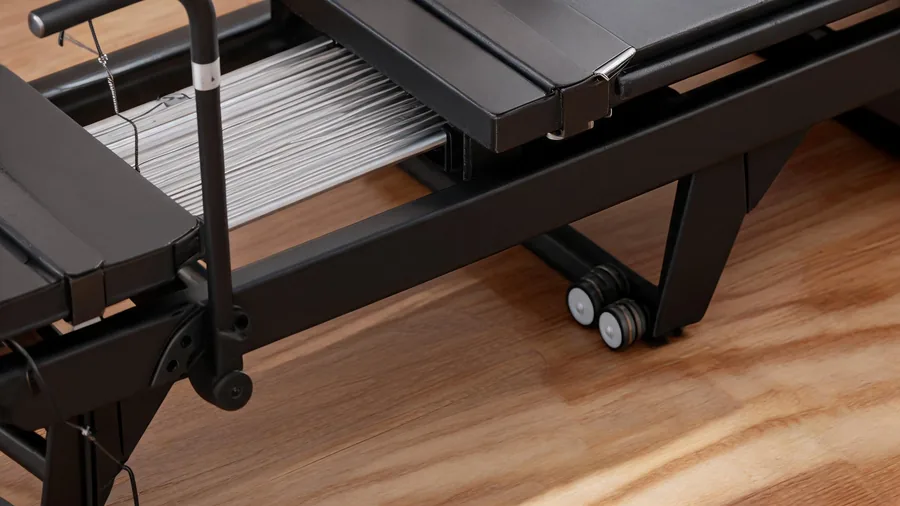
A Pilates реформер за комерсиална употреба се различава от домашния модел в три критични области: конструкция на рамката, дълготрайност на пружините и издръжливост на системата на каретата. Комерсиалните машини са създадени за 8–10 часа ежедневна употреба, докато домашните модели понасят 1–2 часа. Разликата не е само маркетинг — тя е в материалите, допуските и контрола на качеството на всеки компонент. Когато оценявате Pilates реформери за комерсиална употребазапочнете с рамката — тя е основата на всичко останало. Комерсиалната рамка трябва да е от конструкционна стомана Q235 или авиационен алуминий. Комерсиалните рамки използват конструкционна стомана Q235 или авиационен алуминий с тегло 70–90 kg и товароносимост 250–350 kg. Домашните рамки използват по-тънки стоманени тръби или дърво, с тегло 25–40 kg и лимит 120–200 kg. По-тежките рамки по-добре поглъщат вибрации при високоинтензивни упражнения, намаляват шума и създават по-професионално изживяване за клиента.
Материали на рамката: стомана срещу алуминий срещу дърво
Материалът на рамката на Pilates реформери за комерсиална употреба директно определя издръжливостта, теглото и изискванията за поддръжка. Стоманените рамки (конструкционна стомана Q235, 70–90 kg) предлагат най-висока товароносимост 250–350 kg и издържат 10–15+ години. Алуминиевите рамки (авиационен клас, 40–55 kg) са по-леки и по-лесни за местене, но с по-ниски лимити. Дървените рамки изглеждат красиво, но с времето поемат влага и могат да развият структурни слабости във влажна студийна среда. За повечето комерсиални студиа стоманата е оптималният избор — тя дава стабилността и дълготрайността, които ежедневната интензивна употреба изисква, а допълнителното тегло всъщност подобрява стабилността при високоинтензивни упражнения като работа с jump board.
Пружинни системи: сърцето на комерсиалното съпротивление
Pilates реформери за комерсиална употреба изискват пружинни системи, които поддържат постоянно напрежение през хиляди цикли.
Комерсиалните пружини са калибрирани до точни нива на съпротивление, цветово кодирани за лесно разпознаване и проектирани за подмяна след 2–3 години ежедневна употреба. Потребителските пружини губят напрежение неравномерно след 6–12 месеца, създавайки непоследователно съпротивление между отделните реформери в студиото. Тази непоследователност пряко влияе на качеството на заниманията — клиентите усещат, когато един реформер се различава от друг. Комерсиалните пружинни системи използват по-дебела тел и прецизно навиване, гарантирайки, че всяка пружина дава същото съпротивление като в деня на монтажа. Реформерите Megacore използват сменяеми, цветово кодирани пружинни системи, които правят поддръжката лесна и поддържат постоянно представяне на оборудването.
Система на каретата: ролкови лагери срещу обикновени втулки Pilates реформери за комерсиална употреба Системата на каретата е мястото, където се проектира плавното, тихо плъзгане на комерсиалния реформер. Висококачествените
разполагат с уплътнени сачмени лагери, движещи се по прецизно обработени релси.
Тези лагери са проектирани за милиони цикли и изискват само годишно смазване. Потребителските реформери използват обикновени втулки по по-прости релси, които развиват неравномерно износване след 6–12 месеца ежедневна употреба. Неравномерното износване на лагерите прави каретата да се движи на тласъци, влияе на качеството на упражненията и не може да се поправи без подмяна на целия възел. Комерсиалните лагери могат да се обслужват и подменят индивидуално. Тази единствена разлика — поддържаеми лагери срещу втулки за изхвърляне — е един от най-важните фактори за общата цена на притежаване през живота на реформера. Pilates реформери за комерсиална употребаКлючови характеристики, които да търсите в комерсиален реформер
Отвъд базовите спецификации за Pilates реформери за комерсиална употребаобърнете внимание на дизайна на каретата. Комерсиалните реформери трябва да имат карета, която се плъзга плавно по цялата дължина на рамката с нулево съпротивление в точките на лагерите. Платформата трябва да е подплатена с високоплътен дунапрен, който запазва формата си след хиляди употреби. Регулируемите стъпки за крака, облегалки за глава и раменни опори приспособяват клиенти с различна височина и пропорции, което е от съществено значение за студио, обслужващо разнообразна публика. Свалящите се системи на каретата позволяват дълбоки разтягания, които клиентите очакват в професионална среда.
Когато избирате
дайте приоритет на тези характеристики: гаранция на рамката 3+ години, дневен капацитет 10–15+ занимания, товароносимост минимум 250 kg, сменяема пружинна система, карета с уплътнени сачмени лагери, регулируема облегалка за глава и раменни опори, сваляща се карета за дълбоки разтягания и съвместимост на рамката със студийни аксесоари като jump board и box barrel. Тези характеристики отличават комерсиалното оборудване от потребителските машини и определят колко дълго инвестицията ви ще служи на студиото. Отделеното време за сравняване на тези спецификации преди покупка спестява хиляди в разходи за подмяна по-нататък. Студиата, които избират реформери с тези спецификации, отчитат значително по-ниски разходи за поддръжка, по-високо удовлетворение на клиентите и по-добра дълготрайност на оборудването.
Анализ на разходите: комерсиално срещу потребителско за 10 години Pilates реформери за комерсиална употреба За да си представите: студио, което обновява 12 реформера до комерсиален клас на фабрични цени от $2,200 за брой, харчи $26,400 предварително. При тези реформери, генериращи $60–$90 на занимание и 8 занимания дневно, оборудването се изплаща за приблизително 55 дни работа. След това всяко занимание е чиста печалба минус минимална поддръжка. Ето защо студиата, които инвестират в комерсиално оборудване, последователно превъзхождат тези, които купуват потребителски клас и подменят на всеки 3–4 години — математиката на прихода на занимание силно благоприятства комерсиалната издръжливост и надеждност.
Числата говорят сами. Потребителските реформери струват $800–$1,500 за брой, но изискват подмяна на всеки 3–5 години с годишни разходи за поддръжка $200–$400 на брой.
струват $1,800–$3,500 за брой предварително, но издържат 10–15+ години с годишна поддръжка само $50–$80 на брой. За 10-годишен период при студио с 10 реформера потребителското оборудване струва $3,300–$5,100 годишно, докато комерсиалното струва $1,930–$3,620 годишно. Точката на равновесие настъпва в година 3–4, след което комерсиалното оборудване спестява пари на студиото всяка година, като същевременно осигурява по-добро изживяване за клиентите. Pilates реформери за комерсиална употреба Защо студиата избират Megacore за комерсиална употреба
Megacore е доставил Pilates реформери за комерсиална употреба на студиа в над 40 държави, от бутикови студиа с 6 реформера в Токио до флагмански локации с 30 реформера в Ню Йорк. Клиентите ни последователно отчитат три предимства: фабрични цени, които намаляват разходите с 30–50% спрямо търговските дистрибутори, протоколи за качествена инспекция за всяка партида (доклад GZHL2601000020601SP) и следпродажбена поддръжка с назначени акаунт мениджъри, които отговарят в рамките на часове чрез WeChat или WhatsApp.
Megacore се превърна в доверено име за
по целия свят. Нашите реформери използват рамки от конструкционна стомана Q235, тествани до 350 kg товароносимост, цветово кодирани сменяеми пружинни системи с постоянно напрежение, карети с уплътнени сачмени лагери за почти безшумна работа и 3-годишна гаранция както за рамката, така и за компонентите. Всеки реформер преминава качествена инспекция преди изпращане и предоставяме резервни части за целия живот на оборудването. Фабричните цени спестяват на студиата 30–50% спрямо местните дистрибутори, а производственият ни екип може да персонализира цветове на рамката, позициониране на логото и конфигурации на пружините, за да паснат на марката на вашето студио. Pilates реформери за комерсиална употреба Гаранция и следпродажбена поддръжка
Комерсиалният реформер е дългосрочна инвестиция и гаранцията отразява увереността на производителя в продукта му.
трябва да има минимум 3-годишна гаранция за рамката и компонентите. Pilates реформери за комерсиална употреба:
Megacore предоставя пълна 3-годишна гаранция, покриваща както рамката, така и пружините, с резервни части, налични за целия живот на оборудването. Екипът ни за поддръжка осигурява видео техническа помощ, което улеснява персонала на студиото да извършва рутинна поддръжка и дребни ремонти, без да чака посещение на техник. Това ниво на поддръжка е от съществено значение за студиа, които не могат да си позволят престой на оборудването. Често задавани въпроси за Pilates реформери за комерсиална употреба
Често задавани въпроси за Кой е най-добрият реформер за комерсиална употреба в студио?
Колко занимания на ден издържа един комерсиален реформер? Комерсиалните реформери са проектирани за 10–15+ занимания на ден. Потребителските модели издържат 2–4 занимания, преди да покажат признаци на износване. Това е най-важната спецификация за собствениците на студиа.
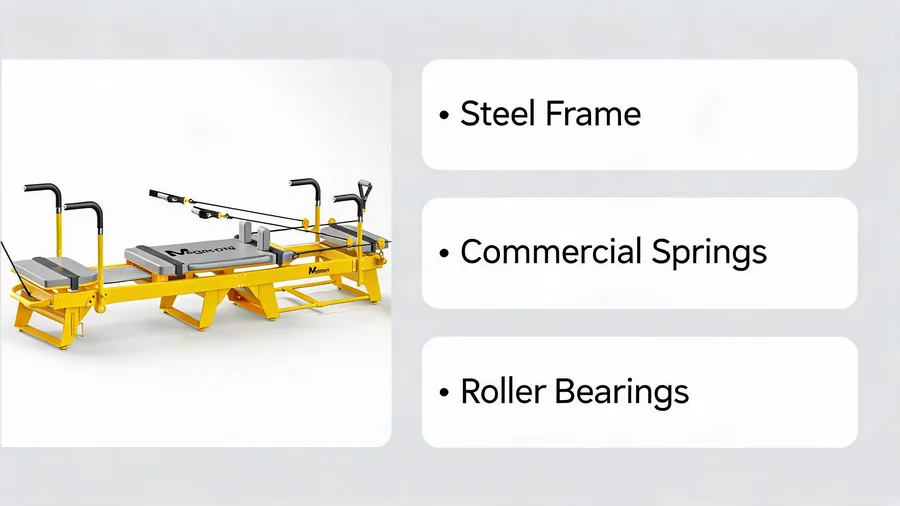
Инфографика с характеристики на комерсиален Pilates реформер: стоманена рамка, пружини, ролкови лагери Колко издържат комерсиалните Pilates реформери?
10–15+ години при правилна поддръжка. Пружините се сменят на всеки 2–3 години в зависимост от обема занимания. Megacore предлага 3-годишна гаранция както за рамката, така и за компонентите. Каква е товароносимостта на комерсиалните реформери?
250–350 kg (550–770 lbs). Реформерите Megacore със стоманена рамка са тествани до 350 kg с предпазни резерви, подходящи за всички типове тела на клиенти и напреднала атлетична подготовка. Подходящи ли са реформерите Megacore за комерсиални студиа?
Да. Реформерите Megacore се използват от студиа по целия свят заради издръжливите стоманени рамки, плавните системи на каретата, постоянното напрежение на пружините и фабричните цени, които намаляват разходите за оборудване с 30–50% спрямо търговските марки. Мога ли да персонализирам комерсиални реформери за моето студио? Pilates реформери за комерсиална употребаДа. Megacore предлага персонализирани цветове на рамката, гравиране на лого, брандирана опаковка и персонализирани конфигурации на пружините при минимална поръчка от 10 бройки за пълна персонализация.
Научни изследвания и индустриални стандарти
Pilates реформери за комерсиална употреба За Pilates Method Alliance Научни изследвания и индустриални стандарти
подлежат на по-високи стандарти за безопасност и представяне от потребителското оборудване. ASTM F2116-18 покрива спецификациите за безопасност на Pilates оборудване, включително товароносимост, тестване на пружини и структурна цялост.
Pilates Method Alliance Pilates реформери за комерсиална употреба препоръчва комерсиални стоманени рамки и сертифицирани пружинни системи за професионална студийна употреба. Изследванията показват, че пружинното променливо съпротивление осигурява ефективно прогресиране на натоварването както при рехабилитация, така и при кондиционна подготовка. Индустриални данни от изследвания на управлението на фитнес съоръжения показват, че комерсиалното оборудване намалява разходите за оборудване на занимание с 55% за 10 години спрямо потребителските алтернативи, които изискват честа подмяна. Студиата, използващи комерсиални реформери, отчитат 40% по-малко престой на оборудването спрямо тези с потребителски машини. Pilates реформери за комерсиална употреба Готови ли сте да изберете комерсиалните си реформери?
Заключение
Изборът на подходящ Pilates реформери за комерсиална употреба Получете оферта за комерсиален реформер → Заключение Изборът на правилния
Свързани ръководства
Ръководство за покупка на Пилатес реформер 2026: пълен чеклист
Ръководство за товароносимостта на Pilates Reformer
Комерсиален Пилатес реформер: пълно ръководство за купувача