
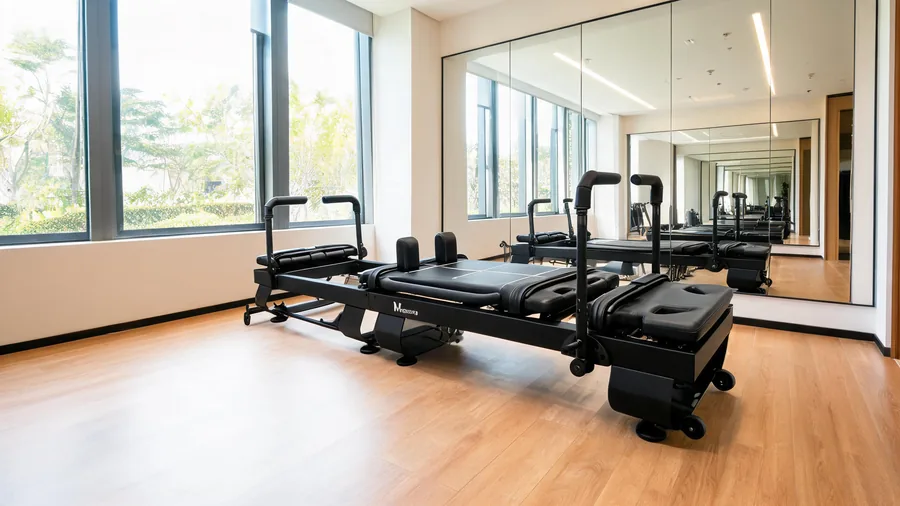
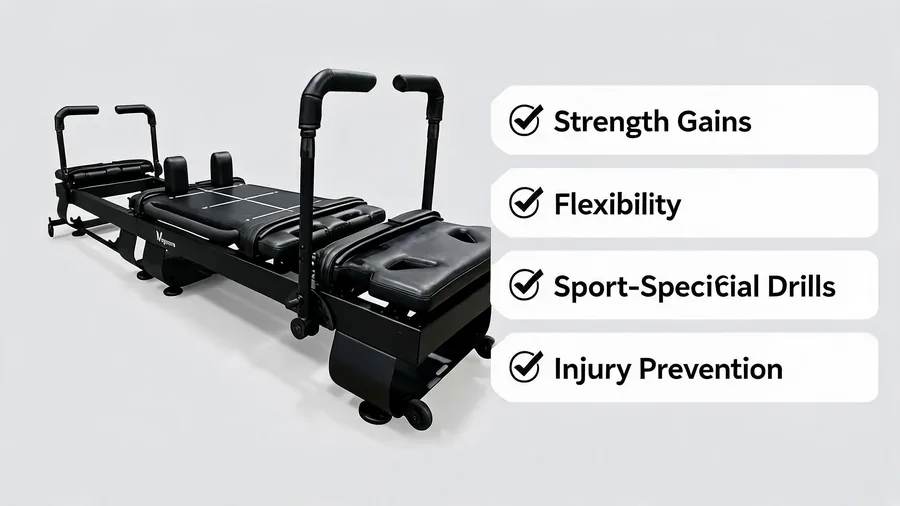
Elite-Athleten aus zahlreichen Sportarten integrieren Pilates-Reformer-Training für Athleten in ihre Konditionsprogramme, um Wettbewerbsvorteile bei Kraft, Flexibilität und Gesamtleistung zu erzielen. Das federgestützte Widerstandssystem bietet einzigartige Trainingsreize, die klassisches Krafttraining und sportartspezifisches Üben sinnvoll ergänzen. Dieser Leitfaden zeigt, wie Sportprogramme Reformer-Training integrieren können, um Ergebnisse zu verbessern und das Verletzungsrisiko in verschiedenen Disziplinen und Trainingsumgebungen auf jeder Leistungsstufe zu senken.

Der Pilates-Reformer-Training für Athleten bietet einen variablen Widerstand, der sich der Kraftkurve jeder Bewegung anpasst und eine gleichmäßige Muskelaktivierung über den gesamten Bewegungsumfang gewährleistet. Anders als bei freien Gewichten mit konstantem Widerstand nimmt der Federwiderstand mit der Dehnung zu, folgt der natürlichen Kraftkurve des Körpers und sorgt für eine optimale Belastung in jeder Übung. Dieses besondere Widerstandsprofil ist einer der Hauptgründe, warum Profiteams und Elite-Athleten Reformer-Arbeit in ihren Trainingsplan und ihre Regenerationsprotokolle aufnehmen.
1. Warum Athleten auf Reformer-Training setzen
Profiathleten und Sportteams integrieren Reformer-Training zunehmend in ihre Konditionsprogramme, weil es gezielt Lücken im klassischen Athletiktraining schließt. Herkömmliches Krafttraining entwickelt konzentrische Kraft, vernachlässigt aber oft die exzentrische Kontrolle und Stabilität. Der federgestützte Widerstand des Reformers fordert sowohl konzentrische als auch exzentrische Bewegungsphasen und fördert die ausgewogene Muskelentwicklung, die Athleten für explosive Leistung und Verletzungsresistenz in allen Sportarten und Trainingszyklen brauchen. Dieser ausgewogene Ansatz ist besonders wertvoll in Sportarten, die Kraft und Präzision verbinden – etwa Turnen, Kampfsport und Tanz. Standard-Krafttraining entwickelt konzentrische Kraft, vernachlässigt aber oft exzentrische Kontrolle und Stabilität. Der federgestützte Widerstand des Reformers fordert beide Bewegungsphasen und fördert die ausgewogene Muskelentwicklung, die Athleten für explosive Leistung und Verletzungsresistenz in allen Sportarten und Trainingszyklen benötigen.
Ein weiterer Faktor für die zunehmende Verbreitung von Pilates-Reformer-Training für Athleten Training ist die gelenkschonende Art des Reformer-Trainings. Athleten belasten ihren Körper in Wettkampf und Training enorm, und effektive Trainingsformen, die diesen Gelenkstress nicht zusätzlich erhöhen, sind für die langfristige sportliche Entwicklung entscheidend. Der Pilates-Reformer-Training für Athleten bietet hochintensive Konditionierung ohne die Aufprallkräfte von Laufen, Springen oder schwerem Krafttraining – ideal für Erhaltungstraining in der Saison und regenerationsorientierte Einheiten zwischen Wettkämpfen und Trainingsblöcken.
2. Kraftzuwachs durch variablen Widerstand
Das Federsystem des Reformers liefert variablen Widerstand, der der natürlichen Kraftkurve des Körpers folgt. Muskeln sind an den Endpunkten ihres Bewegungsumfangs am schwächsten und im Mittelbereich am stärksten. Klassische freie Gewichte bieten konstanten Widerstand über die gesamte Bewegung, sodass die Last durch den schwächsten Punkt des Bewegungsumfangs begrenzt wird. Der Federwiderstand nimmt mit der Dehnung zu: leichter an den Bewegungsextremen, schwerer in der kräftigsten Mittelposition – für eine vollständigere Muskelaktivierung und -entwicklung.
Dieser variable Widerstand ist besonders wertvoll für Athleten, die eine ausgewogene Kraftentwicklung über den gesamten Bewegungsumfang benötigen. Ein Fußballspieler, der am Reformer die Hüftstreckung trainiert, erlebt einen Widerstand, der seiner Kraftkurve entspricht, und baut funktionelle Kraft auf, die direkt in Sprintbeschleunigung und Sprungleistung einfließt. Das konstante Feedback des Federsystems verbessert zudem die Propriozeption und Körperwahrnehmung bei dynamischen Bewegungen in mehreren Bewegungsebenen. Ein Fußballspieler, der am Reformer die Hüftstreckung trainiert, erlebt einen Widerstand, der seiner Kraftkurve entspricht, und baut funktionelle Kraft auf, die direkt in Sprintbeschleunigung, Sprungkraft und Richtungswechsel auf dem Platz einfließt. Das konstante Feedback des Federsystems verbessert zudem Propriozeption und Körperwahrnehmung bei dynamischen Bewegungen und Trainingsdrills.
3. Mehr Flexibilität und Bewegungsumfang
Flexibilität ist ein entscheidender Leistungsfaktor, der in klassischen Krafttrainingsprogrammen oft zu kurz kommt. Der Pilates-Reformer-Training für Athleten schließt diese Lücke durch kontrolliertes Dehnen unter variablem Federwiderstand. Der gefederte Schlitten des Reformers ermöglicht aktives Dehnen über den vollen Bewegungsumfang bei gleichzeitiger Muskelspannung und verbindet so die Vorteile von Flexibilitäts- und Krafttraining in einer einzigen Bewegung. Dieser aktive Ansatz ist für die sportliche Leistung wirksamer als passives Dehnen, weil er die Muskeln darauf trainiert, unter Last im vollen Umfang zu arbeiten.
Athleten, die regelmäßig am Reformer trainieren, zeigen durchweg Verbesserungen bei Hüftmobilität, Wirbelsäulenflexibilität und Schulterbeweglichkeit. Bessere Mobilität ermöglicht effizientere Bewegungsmuster mit weniger Kompensation, die langfristig zu Verletzungen führen kann. Diese Zugewinne wirken direkt auf die sportliche Leistung: bessere Hüftmobilität verbessert die Sprintmechanik, mehr Wirbelsäulenflexibilität steigert die Rotationskraft in Wurf- und Schlagportarten, und eine bessere Schulterbeweglichkeit senkt das Verletzungsrisiko bei Overhead-Athleten wie Baseball-Pitchern, Volleyballern und Tennisspielern, die mit hoher Intensität trainieren.
4. Leistungszuwächse in verschiedenen Sportarten
Forschung und Praxiserfahrung zeigen, dass Athleten, die regelmäßig Pilates-Reformer-Training für Athleten Training in ihre Programme einbeziehen, messbare Leistungsverbesserungen bei mehreren Fitnessparametern und Wettkampfkennzahlen gleichzeitig erzielen. Studien berichten nach 8 bis 12 Wochen konsequentem Reformer-Training von Verbesserungen bei Sprunghöhe, Sprintgeschwindigkeit, Agilitätszeiten und Muskelausdauer. Diese Zugewinne entstehen aus der Kombination von Kraftaufbau, Flexibilitätsverbesserung und verbesserter neuromuskulärer Koordination, die Reformer-Training gleichzeitig fördert.
Die sportartspezifischen Vorteile unterscheiden sich je nach Disziplin. Läufer erleben eine effizientere Schrittgestaltung und kürzere Bodenkontaktzeiten in jedem Schrittzyklus. Fußball- und Basketballspieler zeigen bessere Richtungswechselfähigkeiten und niedrigere Verletzungsraten über ihre Saisons und Trainingspläne hinweg. Golfer gewinnen Rotationskraft und Rumpfstabilität, was sich in höherer Schlägerkopfgeschwindigkeit und konstanterem Balltreffer niederschlägt. Schwimmer entwickeln mehr Kraft im Latissimus dorsi und mehr Schulterstabilität, was die Zugkraft verbessert und das Risiko von Überlastungsschäden senkt, die im Wettkampfschwimmen häufig sind.
Sportartspezifische Leistungsvorteile von Pilates-Reformer-Training für Athleten.
| Sportart | Reformer-Vorteil | Leistungskennzahl |
|---|---|---|
| Laufen/Leichtathletik | Schritteffizienz | Schnellere Sprintzeiten |
| Fußball/Basketball | Richtungswechsel | Geringere Verletzungsrate |
| Golf | Rotationskraft | Höhere Schlägergeschwindigkeit |
| Schwimmen | Lat- und Rumpfkraft | Bessere Zugkraft |
| Baseball/Tennis | Schulterstabilität | Geringeres Verletzungsrisiko |
| Radfahren | Hüftmobilität | Besserer Krafttransfer |
5. Sportartspezifische Reformer-Programmierung
Eine effektive Pilates-Reformer-Training für Athleten Programmierung folgt Periodisierungsprinzipien wie im klassischen Krafttraining. In der Nebensaison steht der Aufbau von Grundkraft und der Abbau von Muskelungleichgewichten aus dem Bewegungs-Screening im Vordergrund. In der Vorbereitung liegt der Fokus auf Kraftentwicklung und sportartspezifischen Bewegungsmustern. In der Saison werden Kraft und Flexibilität erhalten, während Regeneration und Verletzungsprävention in allen Trainingsphasen und Wettkampfplänen Priorität haben.
Jede Pilates-Reformer-Training für Athleten Trainingsphase nutzt unterschiedliche Federspannungen, Wiederholungsbereiche und Bewegungstempi, um spezifische Anpassungsziele zu erreichen. In der Nebensaison werden schwerere Federlasten mit kontrolliertem Tempo für den Kraftaufbau eingesetzt. In der Vorbereitung kommen schnellere Tempi und dynamischere Bewegungsmuster hinzu, um Kraft und Reaktionsfähigkeit für den Wettkampf zu entwickeln. In der Saison werden leichtere Federn genutzt, mit Fokus auf Mobilität, Regeneration und Erhalt der neuromuskulären Koordination über den gesamten Wettkampfkalender und die fordernden Trainingspläne hinweg.
6. Integration in bestehende Trainingsprogramme
Der Pilates-Reformer-Training für Athleten lässt sich am effektivsten als ergänzende Trainingsform einsetzen – nicht als Ersatz für sportartspezifisches Üben und klassisches Krafttraining. Athleten planen typischerweise 2 bis 3 Reformer-Einheiten pro Woche in der Nebensaison und reduzieren in der Wettkampfsaison auf 1 bis 2 Einheiten. Einheiten von 45 bis 60 Minuten bieten ausreichend Reiz für Kraft- und Flexibilitätszuwächse, ohne die Erholung von primärem Training und Wettkampfanforderungen über die Woche zu beeinträchtigen.
Der Zeitpunkt der Reformer-Einheiten ist für optimale Ergebnisse entscheidend. Viele Krafttrainer legen Reformer-Arbeit auf Regenerationstage oder als aktive Erholungseinheit nach intensiven Trainings. Die Gelenkschonung macht Reformer-Training ideal, um das Trainingsvolumen zu halten, ohne zusätzlichen Gelenkstress in schweren Trainingsphasen, in denen die kumulative Ermüdung am höchsten ist. Die gelenkschonende Art des Reformer-Trainings macht es ideal, um Trainingsvolumen ohne zusätzlichen Gelenkstress zu halten. Manche Programme nutzen kurze Reformer-Einheiten als Aufwärmen vor dem Krafttraining, um die Rumpfmuskulatur zu aktivieren und die Bewegungsqualität in den folgenden Übungen zu verbessern.
7. Regeneration und Verletzungsprävention
Verletzungsprävention ist einer der überzeugendsten Gründe, Pilates-Reformer-Training für Athleten Training in ihre Programme einzubeziehen. Die Pilates Method Alliance stellt fest, dass kontrolliertes Widerstandstraining am Reformer die stabilisierende Muskulatur rund um die Gelenke stärkt und so das Risiko typischer Sportverletzungen wie Hamstring-Zerrungen, Kreuzbandrisse und Schulterimpingement senkt. Die ausgewogene Muskelentwicklung durch Reformer-Training gleicht Kraftungleichgewichte aus, die bei Athleten häufig zu Überlastungsverletzungen führen.
Über die Verletzungsprävention hinaus ist der Pilates-Reformer-Training für Athleten ein hervorragendes Werkzeug für aktive Erholung und Rehabilitation. Athleten können nach einer Verletzung früher mit kontrollierten Bewegungen am Reformer beginnen als mit vollem Krafttraining, was die Rehabilitation beschleunigt und die Kondition erhält. Der Federwiderstand lässt sich präzise an die aktuelle Leistungsfähigkeit anpassen und ermöglicht eine progressive Belastung entlang des Heilungsverlaufs, die erneute Verletzungen in der kritischen Rückkehrphase in den Sport verhindert.
8. Geräteauswahl für das Athletiktraining
Kommerzielle Reformer für Athletiktraining sollten höhere Haltbarkeitsstandards erfüllen als Heimgeräte, weil Athleten typischerweise intensiver und häufiger trainieren. Rahmenstabilität ist bei Athletiktraining entscheidend, denn Athleten erzeugen explosive Kraft und brauchen eine solide Basis, die bei dynamischen Bewegungen nicht wackelt oder verrutscht. Kommerzielle Reformer mit verstärkten Stahlrahmen und Hochlast-Federsystemen eignen sich besser für Athletiktraining als leichtere Freizeitmodelle für gelegentliche Heimnutzung. Rahmenstabilität ist entscheidend – Athleten, die am Reformer explosive Kraft erzeugen, brauchen eine solide Basis, die bei dynamischen Bewegungen nicht wackelt oder verrutscht. Kommerzielle Reformer mit verstärkten Rahmen und Hochlast-Federsystemen sind für Athletiktraining besser geeignet als leichtere Freizeitmodelle.
Ein weiterer wichtiger Aspekt ist der Federweg, entscheidend für die Pilates-Reformer-Training für Athleten Programmplanung. Athletisches Training erfordert eine breitere Bandbreite an Federspannungen als allgemeines Reformer-Training, weil Athleten sowohl sehr leichten Widerstand für Mobilitätsarbeit als auch sehr schweren Widerstand für den Kraftaufbau brauchen. Ein Reformer mit anpassbaren Federkonfigurationen erlaubt Trainern eine progressive Überlastung, die zum steigenden Kraft- und Konditionsniveau des Athleten im Trainingszyklus passt. Kommerzielle Reformer mit 4 bis 5 Federoptionen bieten die Vielseitigkeit, die athletische Programme brauchen, während Heimreformer mit 2 bis 3 Federoptionen für fortgeschrittenes Athletiktraining in professionellen Umgebungen oft nicht ausreichen. Der Pilates Method Alliance bietet zusätzliche Hinweise zu Gerätespezifikationen für Athletik- und Leistungstraining in kommerziellen Studio-Umgebungen.
9. Einstieg in das Athleten-Reformer-Training
Trainer und Athleten, die zusätzlich Pilates-Reformer-Training für Athleten Training einsetzen möchten, sollten mit einer Einschätzung der aktuellen Bewegungsqualität beginnen und konkrete Leistungsziele für ihr Pilates-Reformer-Training für Athleten Programm festlegen. Die Zusammenarbeit mit einer zertifizierten Reformer-Trainerin oder einem Trainer, der athletische Trainingsprinzipien versteht, hilft, Programme passend zu Sportart, Position, Trainingshistorie und aktuellem Konditionsniveau zu gestalten. Viele Profiteams beschäftigen eigene Pilates-Lehrer, die auf Leistungstraining und Verletzungsprävention spezialisiert sind.
Die Investition in kommerzielle Reformer eines renommierten Herstellers sorgt dafür, dass die Geräte unter den anspruchsvollen Bedingungen des Athletiktrainings konstant zuverlässig arbeiten – in Profiteams und Elite-Trainingszentren, die mit Hochleistungsathleten in verschiedenen Disziplinen und Trainingsumgebungen arbeiten. Der Direktkauf ab Werk ermöglicht angepasste Federkonfigurationen und Rahmenspezifikationen, die genau zu den Anforderungen athletischer Trainingsprogramme passen. Athleten, die konsequent am Reformer trainieren, sehen typischerweise innerhalb von 8 bis 12 Wochen messbare Leistungsverbesserungen, mit weiteren Zugewinnen, wenn Trainingsvolumen und Komplexität innerhalb der progressiven Programmstruktur steigen.
Weitere Ratgeber
- Pilates-Reformer-Kaufberatung 2026
- Ratgeber für gewerbliche Pilates-Reformer
- Ratgeber zur Traglast von Reformern
- Ratgeber zu Sicherheitsstandards für Reformer
- Checkliste Studioausstattung
Training facilities that run back-to-back sessions pick from the studio-grade reformers.