

Studioinhaber und Pilates-Trainer diskutieren häufig, ob sie in Reformer investieren oder den Schwerpunkt auf Mattenprogramme legen sollen. Die Antwort lautet selten das eine oder das andere — erfolgreiche Studios nutzen beides, um unterschiedliche Kundenbedürfnisse und Umsatzquellen zu bedienen. Diese Gegenüberstellung untersucht die Wirtschaftlichkeit von Pilates-Reformer vs. Matten-Pilates in Bezug auf Umsatz, Fläche, Personal und Kundenbindung, damit Sie die richtige Geräteauswahl für Ihr Studio treffen.
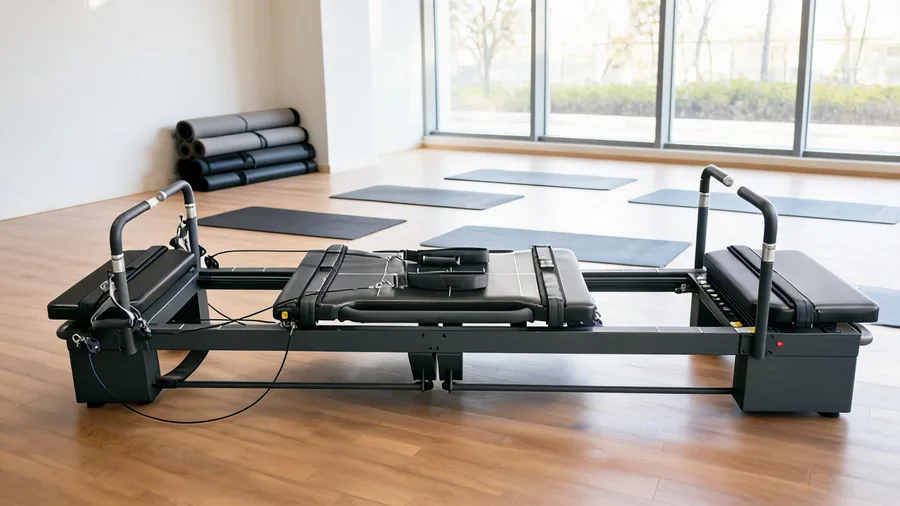
Ein ausgewogener Ansatz bei der Pilates-Reformer vs. Matten-Pilates Investitionsplanung berücksichtigt Ihre Zielgruppe, die verfügbare Fläche, den lokalen Wettbewerb und die Verfügbarkeit von Trainern. Manche Studios sind mit reformerlastigen Modellen erfolgreich, andere florieren mit stark frequentierten Mattenkursen. Wer die Wirtschaftlichkeit beider Optionen versteht, setzt Ressourcen dort ein, wo sie die beste Rendite erzielen, ohne den ursprünglichen Finanzplan zu überziehen.
1. Umsatzvergleich: Reformer- vs. Mattenkurse
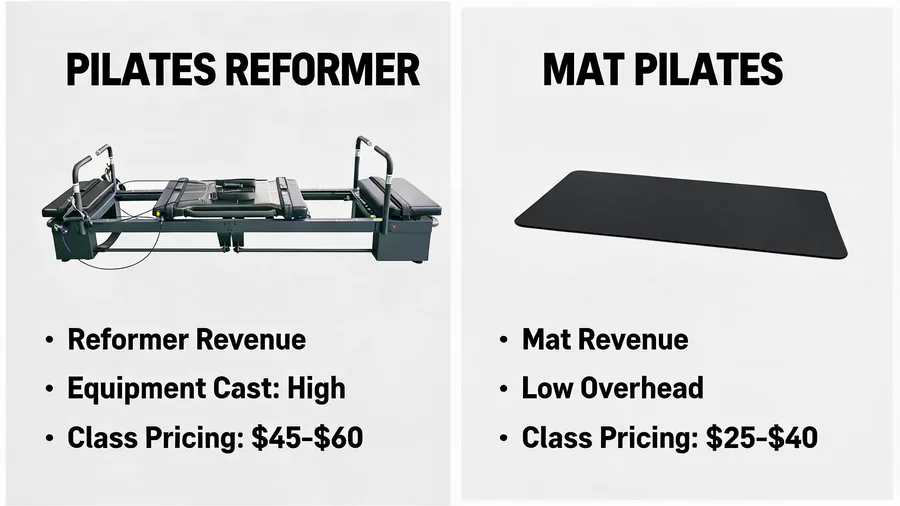
Reformerkurse erzielen deutlich höhere Kursgebühren als Mattenkurse — bedingt durch Gerätekosten, kleinere Gruppengrößen und den wahrgenommenen Premiumwert. Einzelstunden am Reformer liegen je nach Standort und Erfahrung des Trainers üblicherweise zwischen 60 und 120 US-Dollar pro Einheit, während Mattenkurse meist 15 bis 35 US-Dollar pro Person kosten. Dieses Preisgefälle ist der wesentliche Treiber für die Pilates-Reformer vs. Matten-Pilates unternehmerische Entscheidung der meisten Studioinhaber, die ihr Kursangebot überprüfen.
Gruppenkurse am Reformer mit 4–6 Teilnehmern erbringen bei üblicher Preisgestaltung 240 bis 720 US-Dollar pro Einheit. Mattenkurse mit 10–15 Teilnehmern kommen dagegen auf 150 bis 525 US-Dollar pro Einheit. Reformereinheiten bieten zwar ein höheres Umsatzpotenzial pro Kurs, erfordern aber auch deutlich höhere Investitionen in Geräte und Fläche. Mattenkurse benötigen außer Matten und kleinen Hilfsmitteln kaum Ausstattung und sind damit ein niedrigschwelliger Einstieg für neue Studios mit begrenztem Kapital.
Die monatlichen Mitgliedsbeiträge zeichnen ein ähnliches Bild. Reformer-Mitgliedschaften sind in der Regel 50 bis 100 Prozent teurer als reine Matten-Mitgliedschaften, was den Gerätewert und die kleineren Gruppengrößen widerspiegelt. Studios mit unbegrenzten Reformer-Mitgliedschaften verlangen dafür häufig 200 bis 400 US-Dollar im Monat, verglichen mit 80 bis 150 US-Dollar für unbegrenzte Matten-Mitgliedschaften. Diese Zahlen wirken sich direkt auf Ihre Umsatzprognosen und Ihre Finanzplanung aus.
Umsatzvergleich zwischen Reformer- und Matten-Pilates-Kursen für gewerbliche Studios.
| Kennzahl | Reformerkurse | Mattenkurse |
|---|---|---|
| Preis Einzelstunde | $60–$120 | $15–$35 |
| Gruppengröße | 4–6 Teilnehmer | 10–15 Teilnehmer |
| Umsatz pro Gruppenkurs | $240–$720 | $150–$525 |
| Monatsbeitrag | $200–$400 | $80–$150 |
| Gerätekosten pro Platz | $2,000–$7,000 | $50–$200 |
2. Platz- und Ausstattungsbedarf
Die Raumplanung unterscheidet sich deutlich zwischen reformerorientierten und mattenorientierten Studios. Wer den Pilates-Reformer vs. Matten-Pilates Platzbedarf kennt, kann die Fläche effizient aufteilen. Ein einzelner Reformer-Platz benötigt inklusive Freizonen für Anleitung und Aufstieg etwa 45 bis 55 Quadratfuß. Ein Mattenkursbereich braucht dagegen nur 20 bis 25 Quadratfuß pro Teilnehmer, einschließlich Zugangsfläche für den Trainer. Dieser grundlegende Unterschied in der Flächennutzung ist ein zentraler Faktor für die Pilates-Reformer vs. Matten-Pilates Entscheidung über die Ausstattungsstrategie von Studioinhabern, die ihre Grundrisse und ihre Kapazitätsplanung bewerten.
In einem Studio mit 1.000 Quadratfuß liegt die maximale Reformer-Kapazität nach gängigen Abstandsrichtlinien bei etwa 16 bis 18 Reformern. Auf derselben Fläche finden 40 bis 45 Matten-Teilnehmer mit angenehmen Abständen zwischen den Plätzen Platz. Das bedeutet: Mattenkurse können in Stoßzeiten trotz niedrigerer Kursgebühren einen vergleichbaren oder höheren Gesamtumsatz erzielen, einfach weil pro Kurs mehr Kunden betreut werden. Der höhere Personalbedarf für Mattenkurse schmälert diesen Umsatzvorteil jedoch wieder, sodass der Vergleich beim Nettogewinn enger ausfällt, als es die Bruttoumsatzzahlen vermuten lassen.
Reformer bieten jedoch den Vorteil kleinerer Gruppen mit intensiverer Betreuung des Einzelnen. Ein Studio mit durchgehenden Reformereinheiten von morgens bis abends erzielt mit weniger Kunden einen starken Tagesumsatz, schont die Räumlichkeiten und ermöglicht eine individuellere Anleitung, für die Kunden bereit sind, Premiumpreise zu zahlen.
3. Umsatz pro Quadratmeter im Vergleich
Der Umsatz pro Quadratmeter ist eine nützliche Kennzahl, um die wirtschaftliche Effizienz von Pilates-Reformer vs. Matten-Pilates Kursbelegungen zu vergleichen. Ein typischer Reformer-Platz, der pro Woche 300 an Kursumsatz auf 50 Quadratfuß erwirtschaftet, bringt etwa 6 pro Quadratfuß wöchentlich. Ein Mattenkurs, der pro Woche 450 auf 500 Quadratfuß erzielt, ergibt rund 0,90 pro Quadratfuß — geringere Flächenproduktivität, dafür aber mit minimalen Geräteabschreibungen, die vom Bruttoumsatz abzuziehen wären.
Der eigentliche Vorteil von Reformern zeigt sich, wenn man den Gewinn pro Quadratfuß nach Abzug der Geräteabschreibung berechnet. Ein Reformer zum Kaufpreis von 4.000, über 5 Jahre abgeschrieben, kostet 800 pro Jahr oder rund 15 pro Woche. Mattenausstattung für 100 pro Schüler, über 2 Jahre abgeschrieben, schlägt mit etwa 1 pro Woche zu Buche. Nach den Gerätekosten erwirtschaften Reformer-Plätze in der Regel den zwei- bis dreifachen Gewinn pro Quadratfuß im Vergleich zu Mattenflächen — was die höhere Anfangsinvestition für Studios mit ausreichend Kapital rechtfertigt.
4. Kundengewinnung und Kundenbindung
Reformerprogramme sind bei der Kundenbindung deutlich stärker als reine Mattenangebote — ein entscheidender Faktor für die Pilates-Reformer vs. Matten-Pilates unternehmerische Entscheidung. Branchendaten von Studio-Management-Plattformen zeigen, dass Reformer-Kunden ihre Mitgliedschaft im Schnitt 14 bis 18 Monate halten, während reine Mattenkunden nach durchschnittlich 6 bis 9 Monaten kündigen. Dieser Bindungsunterschied ist einer der überzeugendsten Gründe, Reformer in Ihr Studioangebot aufzunehmen, wenn Sie Pilates-Reformer vs. Matten-Pilates Investitionsoptionen für langfristige Stabilität und wiederkehrende Umsätze prüfen.
Dieser Bindungsvorteil hat mehrere Ursachen. Reformer-Kunden fühlen sich stärker mit dem Gerät und der Studioatmosphäre verbunden, was einen Wechsel zur Konkurrenz unwahrscheinlicher macht. Der messbare Fortschritt am Reformer — höherer Federwiderstand, längere Einheiten, komplexere Bewegungsmuster — schafft sichtbare Verbesserungen, die zur regelmäßigen Teilnahme motivieren. Mattenkunden sind zwar anfangs leichter zu gewinnen, zeigen aber höhere Abwanderungsraten, weil sie ihr Training mit minimaler Ausstattung überall nachvollziehen können.
5. Anforderungen an Trainer und Personalkosten
Qualifizierte Reformer-Trainer verdienen aufgrund der zusätzlichen Aus- und Weiterbildung höhere Honorare als Matten-Trainer. Eine umfassende Reformer-Zertifizierung erfordert 400 bis 600 Stunden Ausbildung plus begleitete Unterrichtsstunden, während Matten-Zertifizierungen üblicherweise 100 bis 200 Stunden umfassen. Diese Ausbildungsdifferenz wirkt sich direkt auf Ihre Personalkosten und die Verfügbarkeit von Trainern aus, wenn Sie Ihr Studio und Ihr Kursangebot erweitern.
Reformer-Trainer verdienen pro Unterrichtsstunde üblicherweise 35 bis 60 US-Dollar, reine Matten-Trainer 20 bis 35 US-Dollar. Bei einem Studio mit 40 Reformereinheiten und 20 Matteneinheiten pro Woche kann der jährliche Unterschied in den Personalkosten 40.000 übersteigen. Der höhere Umsatz pro Reformereinheit gleicht diese Kosten jedoch in der Regel aus: In den meisten gewerblichen Studios macht der Traineranteil am Reformer 30 bis 35 Prozent des Kursumsatzes aus, bei Mattenkursen 40 bis 45 Prozent.
6. Investition in Ausstattung und Skalierbarkeit des Studios
Die anfängliche Investition in die Ausstattung ist in jedem Pilates-Reformer vs. Matten-Pilates Ausstattungskonzept die größte Hürde beim Einstieg in Reformer. Ein einzelner gewerblicher Reformer kostet je nach Ausstattung und Verarbeitungsqualität 2.000 bis 7.000, während Matten-Pilates nur einfache Matten, Bänder und kleine Hilfsmittel benötigt. Dieser Kapitalbedarf bedeutet, dass Studios ihre Wachstumsstrategie sorgfältig prüfen müssen, bevor sie sich für ein reformerlastiges Modell entscheiden — statt für einen mattenorientierten Ansatz, der sich mit geringeren Stückkosten leichter skalieren lässt.
Gewerbliche Reformer, die für die tägliche Dauerbelastung im Studio gebaut sind, stellen einen erheblichen langfristigen Vermögenswert dar. Bei richtiger Wartung und Pflege halten kommerzielle Reformer im professionellen Studiobetrieb 10 bis 15 Jahre und liefern über ihre gesamte Nutzungsdauer eine hervorragende Kapitalrendite. Diese lange Lebensdauer macht die Anfangsinvestition in einen Reformer-Fuhrpark mit der Zeit immer wirtschaftlicher, da die Gerätekosten pro Einheit nach den ersten Betriebsjahren deutlich sinken.
7. Die richtige Kursmischung finden
Branchendaten der Pilates Method Alliance zeigen, dass die finanziell erfolgreichsten Studios mit einem Verhältnis von 60:40 bis 70:30 zwischen Reformer- und Mattenkapazität arbeiten. Diese Balance erlaubt es Studios, Mattenkurse als niedrigschwelligen Einstieg für neue Kunden zu nutzen und gleichzeitig den Umsatz über höherpreisige Reformereinheiten zu maximieren. Mattenkurse wirken als Trichter — neue Kunden testen Ihr Studio zu einem niedrigeren Preis, fassen Vertrauen in Ihre Anleitung und wechseln zu Reformerprogrammen, wenn ihr Training tiefer geht und die Bindung über die Zeit wächst.
Monatliche Workshops, Einstiegspakete und Neukunden-Aktionen, die sowohl Matten- als auch Reformer-Kurse umfassen, konvertieren in der Regel besser als Programme mit nur einer Trainingsform. Kunden, die beide Formate erleben, entwickeln eine tiefere Bindung an das Studio und kaufen eher hochwertige Mitgliedschaftspakete. Die Synergie zwischen Reformer- und Mattenprogrammen schafft eine vollständige Customer Journey, die langfristige Bindung und stetiges Umsatzwachstum über alle Servicelevel und Preisstufen hinweg fördert.
Für Studios mit begrenztem Startkapital eignet sich ein schrittweises Vorgehen: Beginnen Sie mit 4–6 Reformern und einem eigenen Mattenbereich und erweitern Sie die Reformer-Kapazität, sobald Umsatz und Kundennachfrage steigen. Diese Strategie minimiert das Anfangsrisiko und führt schrittweise zur optimalen Ausstattungsmischung für Ihren Markt und Ihre Zielgruppe.
8. Häufige Fragen zu Reformer vs. Matten-Pilates
Kann ein Studio mit ausschließlich Mattenkursen profitabel sein?
Ja, stark frequentierte Mattenstudios können profitabel sein, besonders in Ballungsräumen mit hoher Nachfrage. Der Umsatz pro Kunde ist jedoch begrenzt, und die Kundenbindung fällt in der Regel niedriger aus als bei Studios mit Reformerprogrammen. Reine Mattenstudios benötigen meist ein höheres Kundenvolumen, um den Umsatz gemischt ausgestatteter Studios mit Reformerprogrammen zu erreichen.
Mit wie vielen Reformern sollte ein neues Studio starten?
Die meisten erfolgreichen Boutique-Studios starten mit 4 bis 6 Reformern. Das ermöglicht kleine Gruppenkurse, während die Anfangsinvestition in die Ausstattung überschaubar bleibt. Mit wachsendem Umsatz ist die Erweiterung auf 8–12 Reformer in den ersten 1–2 Jahren des Studiobetriebs und beim Aufbau des Kundenstamms üblich.
Bleiben Reformer-Kunden wirklich länger als Mattenkunden?
Branchendaten der Pilates Method Alliance zeigt durchgängig, dass Reformer-Kunden ihre Mitgliedschaft 50 bis 100 Prozent länger halten als reine Mattenkunden. Die Investition in das Gerät schafft eine stärkere Bindung, und der sichtbare, messbare Fortschritt in der Reformerarbeit fördert die regelmäßige Teilnahme und höhere Bindungsraten über alle Kundensegmente und Mitgliedschaftsstufen hinweg.
Wann amortisiert sich ein gewerblicher Reformer?
Bei üblichen Preisen von 60–80 US-Dollar pro Einzelstunde oder 25–35 US-Dollar pro Gruppenkurs amortisiert sich ein einzelner Reformer je nach Auslastung und Kurspreis innerhalb von 6 bis 18 Monaten. Nach der Amortisation erwirtschaftet jeder Reformer bei richtiger Wartung über die verbleibenden 8 bis 14 Jahre seiner Nutzungsdauer reinen Gewinn.
Sollte ich Ausbildungen für Reformer- oder Matten-Trainer anbieten?
Beides hat seinen Wert. Die Matten-Trainerausbildung ist günstiger und erreicht einen größeren Bewerberkreis. Die Reformer-Zertifizierung qualifiziert Trainer für höherwertige Kurse mit Premiumpreisen. Viele erfolgreiche Studios bieten beide Wege an, um unterschiedliche Karrierepfade in ihrer Trainer-Community zu bedienen.
9. Ihre Entscheidung für das Studio
Die Entscheidung, ob Sie sich auf Pilates-Reformer vs. Matten-Pilates konzentrieren, ist keine Entweder-oder-Frage. Erfolgreiche Studios nutzen Mattenkurse, um Kunden effizient zu gewinnen, und Reformer-Kurse, um den Umsatz mit treuen Mitgliedern zu maximieren. Ein ausgewogener Ansatz mit beiden Trainingsformen schafft das stärkste Geschäftsmodell — mit diversifizierten Einnahmequellen und mehreren Wachstumspfaden für unterschiedliche Kundensegmente und Marktbedingungen.
Gewerbliche Reformer, die zu Ihrer Fläche und Ihrem Budget passen, bilden die Grundlage für Premiumpreise und starke Kundenbindung. Die Investition in Qualitätsgeräte von einem zuverlässigen Hersteller sorgt dafür, dass Ihr Reformer-Fuhrpark über Jahre konstant performt und die hohen Kursfrequenzen zuverlässig trägt, die die Profitabilität des Studios bestimmen. Der Direktkauf ab Werk bei erfahrenen Herstellern eliminiert Zwischenhandelsaufschläge und verschafft Ihnen Zugang zu individuellen Spezifikationen sowie direkter technischer Unterstützung über die gesamte Lebensdauer Ihrer Investition.
Die wichtigste Erkenntnis für Studioinhaber, die Pilates-Reformer vs. Matten-Pilates abwägen, ist, dass beide Trainingsformen im ausgewogenen Geschäftsmodell eines Studios wichtige Rollen spielen. Mattenkurse treiben die Kundengewinnung und füllen die Studiokapazität in schwachen Zeiten. Reformer-Kurse maximieren den Umsatz pro Quadratmeter und schaffen die Kundenloyalität, die langfristiges Wachstum trägt. Studios, die auf beides setzen, bauen widerstandsfähige Unternehmen auf, die sich Marktveränderungen anpassen und das gesamte Spektrum an Kundenbedürfnissen über alle Erfahrungsstufen und Ausgabenniveaus hinweg bedienen.
Weitere Ratgeber
- Pilates-Reformer-Kaufberatung 2026
- Ratgeber für gewerbliche Pilates-Reformer
- Reformer-Maße und Platzbedarf
- Checkliste für die Pilates-Studioausstattung
- Ratgeber zur Federspannung am Reformer
- Reformer-Pilates für Einsteiger
If the revenue math points to reformers, the commercial Pilates reformer pages give cost per unit and footprint per station.