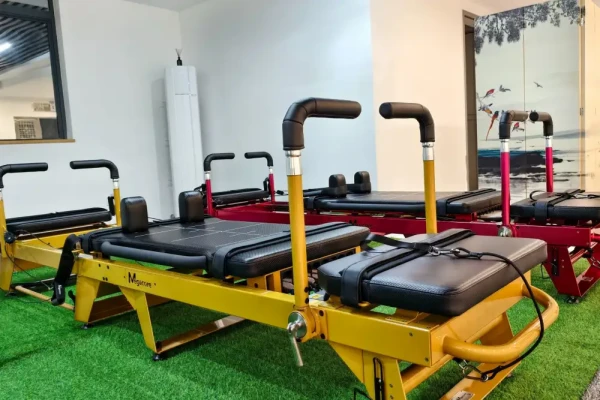
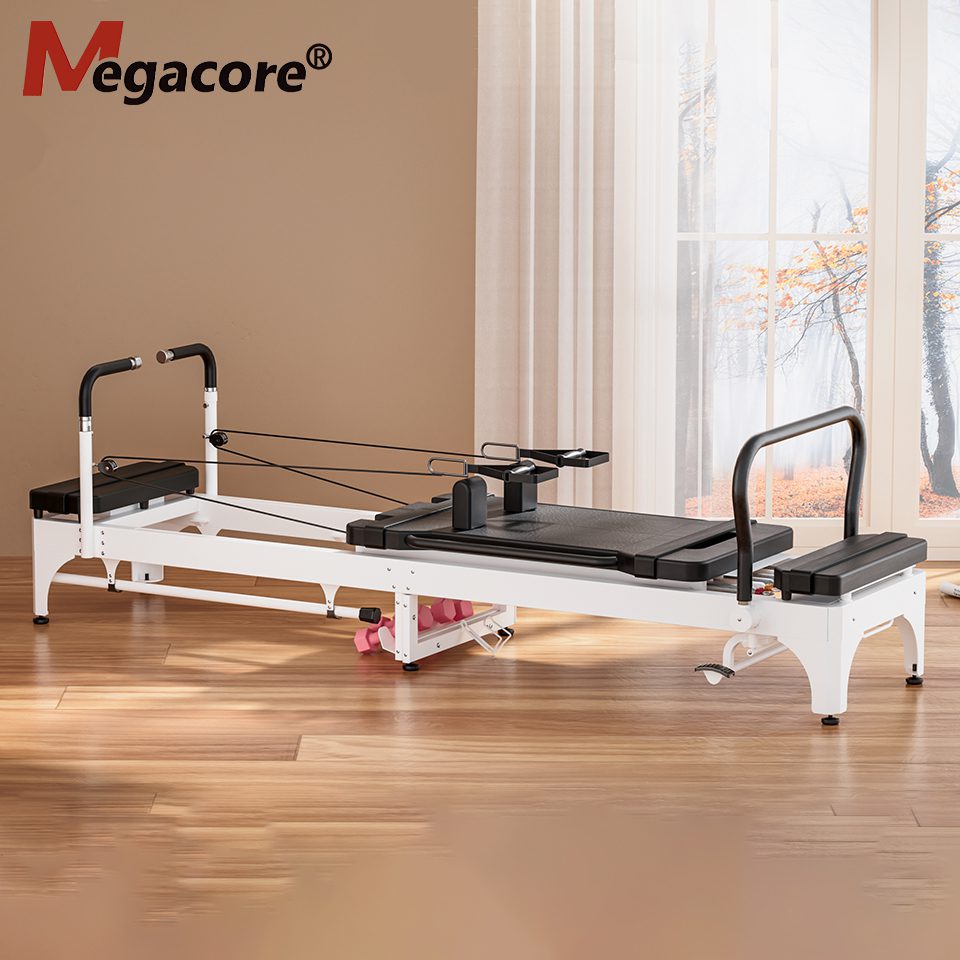
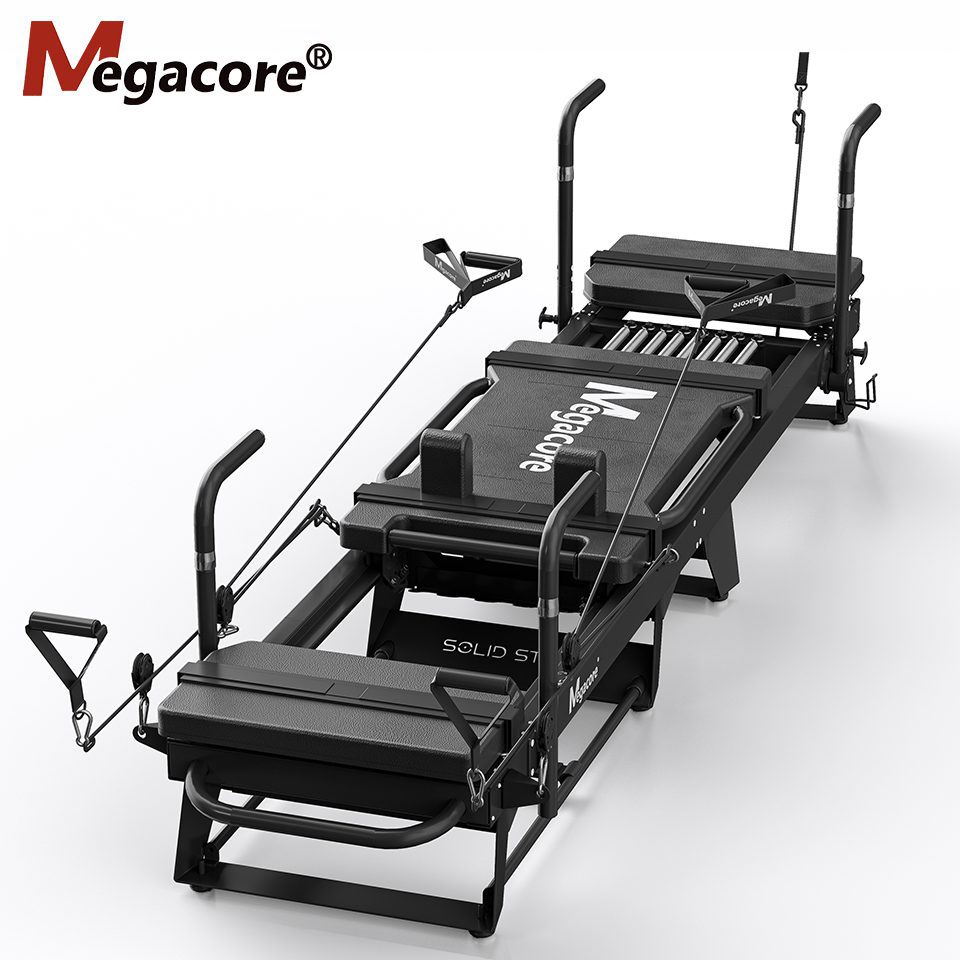
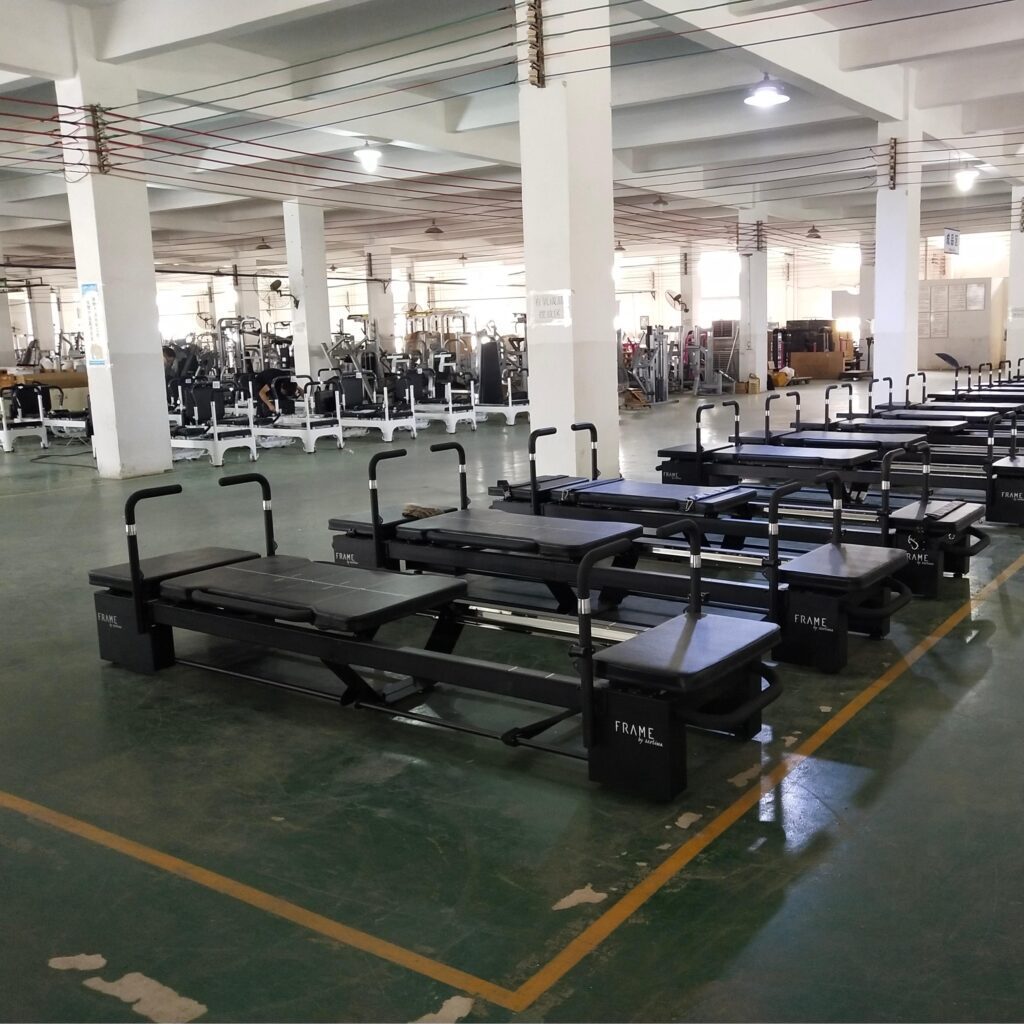
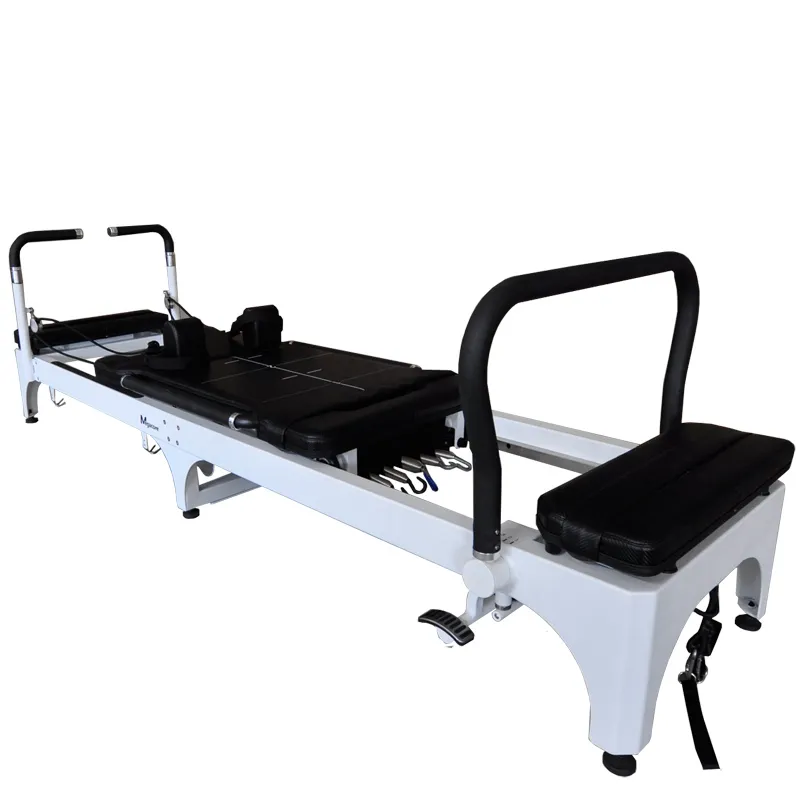
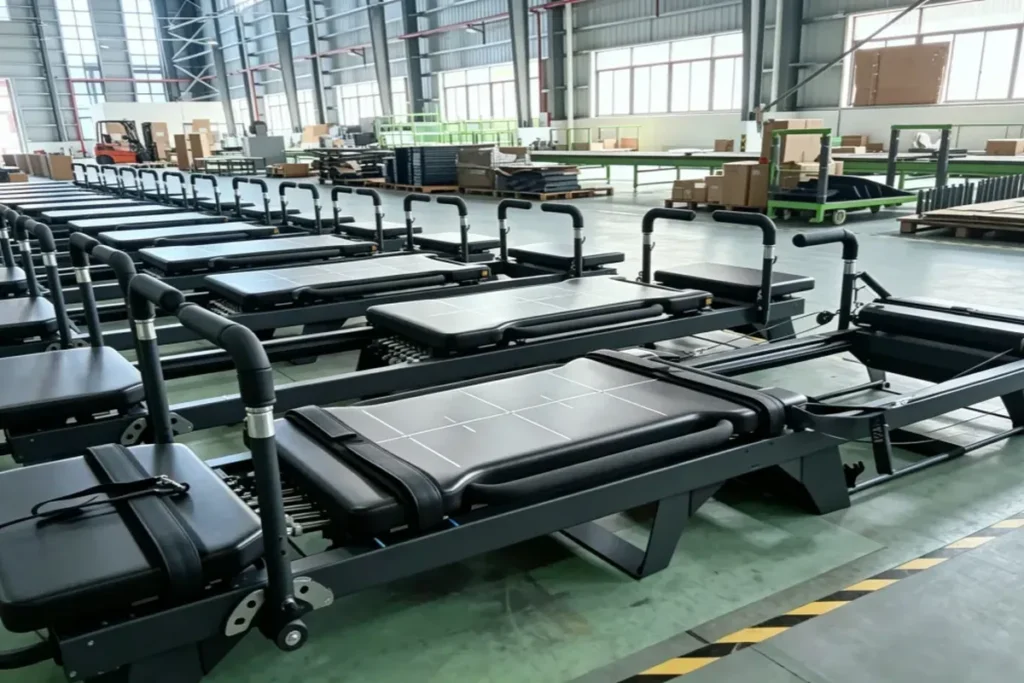
Commercial Pilates Reformers Built for High-Traffic Studios

Pilates Reformer Guide for studio owners

If you’re outfitting a studio, you don’t need a “heavy-duty home reformer” — you need a machine engineered for 10–15 classes daily, 7 days a week. The difference isn’t marketing. It’s in the frame thickness, bearing grade, spring metallurgy, and warranty terms. Here’s exactly what to look for.

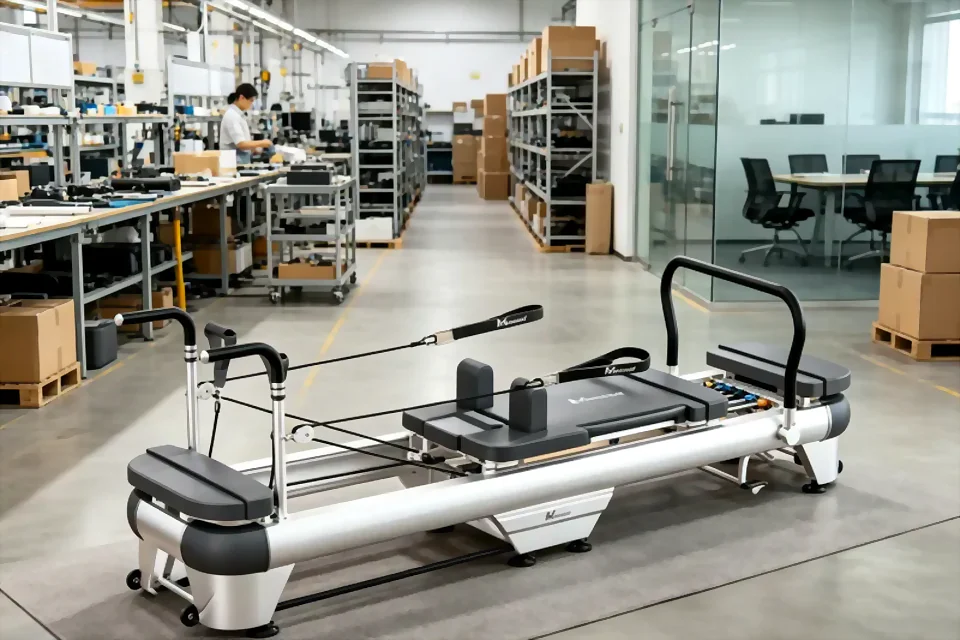
K20_commercial pilates reformer

What Makes a Reformer "Commercial Grade"?

4 THINGS THAT DEFINE A TRUE COMMERCIAL REFORMER

1. Frame Fatigue Testing

A home reformer’s frame is tested for occasional use. Commercial frames undergo cyclic fatigue testing at 12,000+ cycles — simulating years of daily classes. Look for welded (not bolted) joints and minimum 2.5mm wall thickness on load-bearing tubes.

2. Bearing & Rail Quality

Standard ball bearings develop play after 2,000–3,000 hours of use. Commercial reformers use sealed, precision-ground bearings that maintain smooth glide for 10,000+ hours. Tracks should be steel-on-steel, not nylon-on-aluminum.


3. Spring Metallurgy

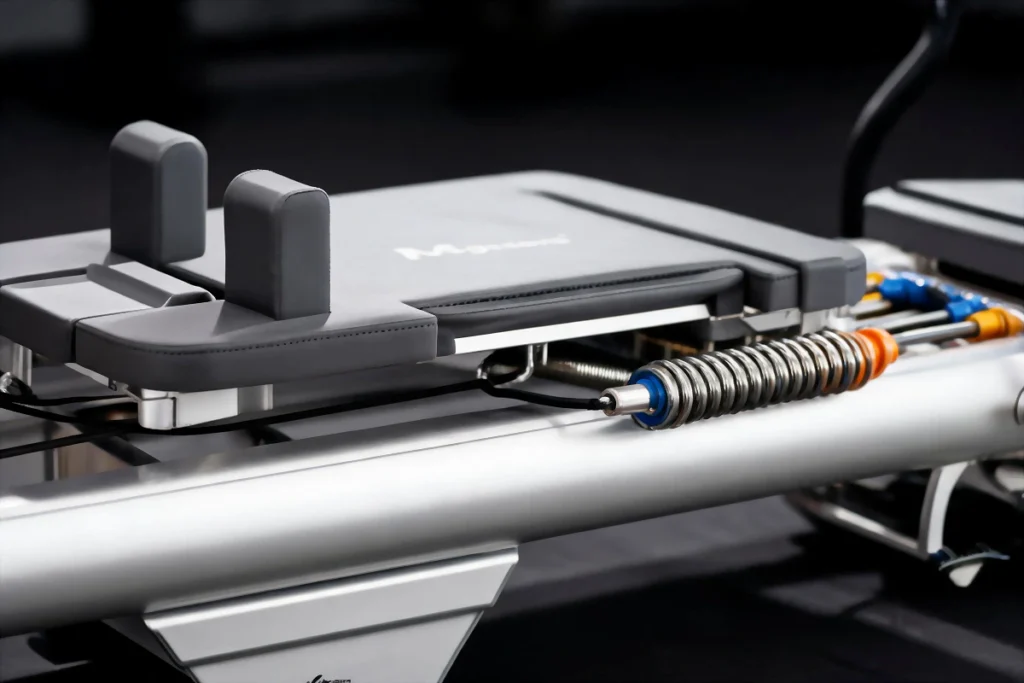
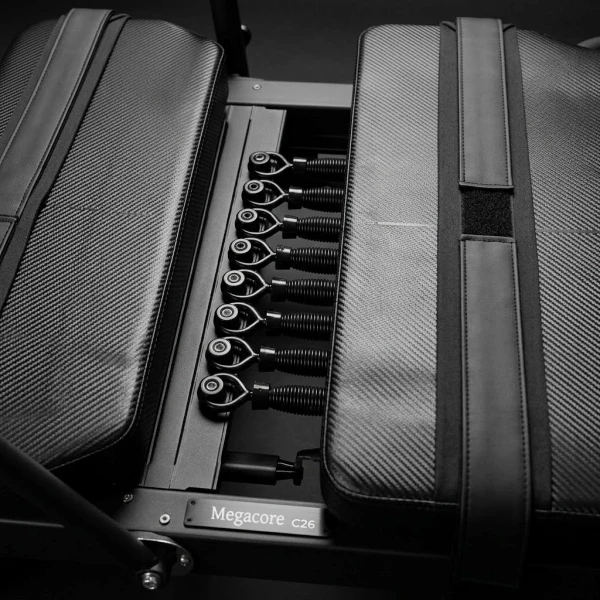
Springs are the most frequently replaced component in any studio. Home-use springs lose tension after 6–12 months of studio-level use. Commercial reformers use heat-treated music wire springs rated for 200,000+ cycles with consistent tension throughout.

4. Warranty Structure

A 1-year warranty on a “commercial” reformer is a red flag. Real commercial equipment comes with at least 3 years on the frame. The warranty length tells you how confident the manufacturer is in their build quality — and how long they expect the machine to last.


Catálogos de productos

Commercial vs. Home-Use: The Real Difference

Understand what makes a reformer suitable for professional studio environments.

EspecificaciónHome-Use ReformerMegacore Commercial
Material del marcoAluminum / light steelReinforced steel, 3mm+ wall thickness
Capacidad de carga250–300 lbs400–500 lbs
Daily Class Capacity2–4 sessions12–15+ sessions
Bearing SystemStandard ball bearingsIndustrial sealed bearings
Spring Lifecycle~50,000 cycles~200,000+ cycles
Garantía1–2 years3 years (frame & components)
OEM / CustomizationNot availableFull OEM / private labeling

Commercial Reformer FAQs

How long does a commercial reformer typically last in a studio?

With daily use of 10–12 classes, a well-built commercial reformer should last 5–8 years before requiring significant parts replacement. Frame lifespan is essentially unlimited with proper maintenance. The key limiting factors are upholstery, springs, and bearings — all replaceable parts.

At 12 classes a day, how often do I need to replace springs?

Commercial-grade springs (200,000+ cycle rated) should be inspected every 6 months. Under heavy daily use, expect to replace spring sets every 12–18 months. Replace sooner if you notice uneven resistance or return speed. It’s good practice to rotate springs from different positions to balance wear.

If I buy from China, how does after-sales work?

Reputable manufacturers provide direct support via email/WhatsApp, ship replacement parts from regional warehouses when available, and offer video-guided troubleshooting. Look for manufacturers with a local distribution partner or warehouse in your region — it significantly reduces downtime if parts are needed urgently.

What maintenance does a commercial reformer need?

Daily: wipe down upholstery and rails. Monthly: inspect springs for wear, lubricate bearings if needed (most sealed bearings are maintenance-free). Quarterly: check all bolts for tightness, inspect ropes/straps for fraying. Annual: evaluate spring tension, consider replacement if needed.

What’s a reasonable warranty for a commercial reformer?

Minimum 3 years on the frame (welds and structural components). 1 year on moving parts (bearings, springs, ropes, pulleys). Anything less suggests the manufacturer doesn’t expect the frame to last. Some premium commercial lines offer 5-year frame warranties — that’s the gold standard.

Can I use a home reformer in a commercial studio?

Technically yes, but it won’t last. Home reformers built with lighter frames start developing wobble within 3–6 months of studio-level use. Bearings wear out, upholstery compresses unevenly, and springs lose tension. The cost of replacing a home machine every year quickly exceeds the upfront savings.

If I buy from China, how does after-sales work?

Reputable manufacturers provide direct support via email/WhatsApp, ship replacement parts from regional warehouses when available, and offer video-guided troubleshooting.

¿No sabes qué modelo se adapta mejor a tu estudio?

Tell us your daily class volume, space, and budget — we’ll recommend the right commercial model.

Contacto

Rellene el siguiente formulario y en breve nos pondremos en contacto con usted.

Formulario de contacto