
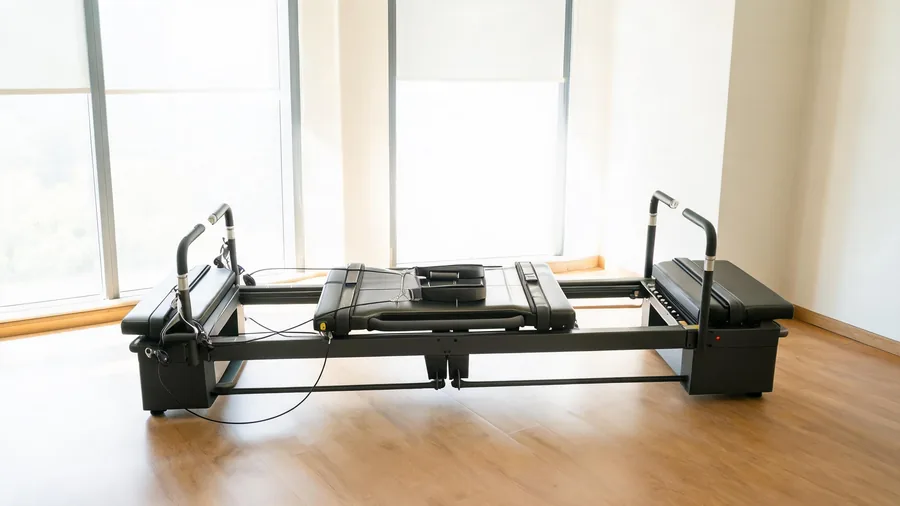
Sustav kolica srce je svakog Pilates reformera. On određuje kako glatko klizi platforma, kako tiho stroj radi, koliko održavanja zahtijeva i, na kraju, kakav je osjećaj klijenta na reformeru. Tržištem dominiraju dvije glavne tehnologije kolica: tradicionalni valjkasti ležajevi i sustavi klizanja bez trenja. Svaka ima jasne prednosti za različite namjene, a razumijevanje razlike ključno je pri odabiru opreme za vaš studio.
Ovaj vodič kroz sustave kolica Pilates reformera explains how roller bearing and friction-free designs work, compares their performance characteristics, and helps you decide which system suits your studio’s needs.
1. Sustavi kolica Pilates reformera: kako rade valjkasti ležajevi
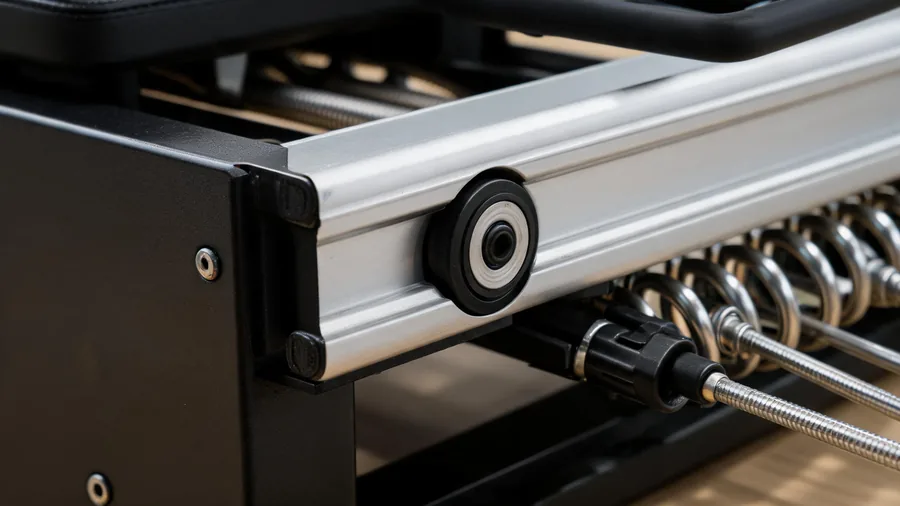
Sustavi kolica s valjkastim ležajevima koriste male cilindrične ležajeve koji se kreću po čeličnim vodilicama ispod platforme kolica. Ležajevi su smješteni u zatvorenim kasetama koje zadržavaju podmazivanje i sprječavaju ulazak prašine. Dok se kolica kreću, ležajevi se okreću po vodilicama i stvaraju glatko kotrljanje uz minimalno trenje. Taj je dizajn desetljećima standard u komercijalnoj Pilates opremi jer je pouzdan, izdržljiv i servisno pristupačan.
Zatvoreni kasetni ležajevi — vrsta koja se koristi u Megacore reformerima — predviđeni su za stotine tisuća metara upotrebe. Tvornički su podmazani i zatvoreni, pa uz normalnu komercijalnu upotrebu ne zahtijevaju održavanje godinama. Kada se ležajevi na kraju istroše, kaseta se može zamijeniti kao cjelina i kolica se vraćaju u stanje kao novo. Ta mogućnost popravka velika je prednost za vlasnike studija koji planiraju zadržati opremu 5–10 godina.
2. Sustavi kolica Pilates reformera: kako radi dizajn bez trenja
Sustavi kolica bez trenja koriste drukčiji pristup. Umjesto ležajeva koji se kotrljaju po vodilicama, kolica klize po materijalima s niskim trenjem — obično jastučićima od UHMW (polietilen ultravisoke molekularne mase) ili sličnim polimernim površinama. Ti jastučići tvore glatku kliznu površinu na poliranim aluminijskim ili čeličnim vodilicama. Budući da nema rotirajućih elemenata, sustav radi gotovo nečujno i ne zahtijeva podmazivanje.
Dizajn bez trenja uobičajen je kod reformera za kućnu upotrebu i srednje klase, gdje je važno držati troškove proizvodnje nižima. Sustav je jednostavniji za proizvodnju — nema kasetnih ležajeva za sastavljanje i brtvljenje — što smanjuje troškove. No jastučići za trenje s vremenom se troše, a klizanje kolica može postati manje glatko kako se jastučići sabijaju i dobivaju ravna mjesta. Zamjena jastučića moguća je, ali može zahtijevati više rada od zamjene kasetnog ležaja.
3. Sustavi kolica Pilates reformera: usporedba performansi
Kada uspoređujete sustave kolica Pilates reformera, važno je nekoliko čimbenika performansi:
Za pitanja razine buke pogledajte vodič o razinama buke komercijalnih reformera koji objašnjava kako kvaliteta ležajeva izravno utječe na iskustvo u studiju.
4. Sustavi kolica Pilates reformera: što odgovara vašem studiju
Odabir između ta dva sustava sustave kolica Pilates reformera depends on your studio’s priorities. For commercial studios with high daily usage — 6–10 classes per day, multiple clients per reformer — roller bearing systems are the standard choice. The bearings handle heavy use consistently for years, and when maintenance is needed, a cartridge replacement is quick and affordable. For studios planning to keep equipment for 5+ years, the higher upfront cost of bearing systems pays off through lower lifetime maintenance costs.
Sustavi bez trenja mogu biti prikladni za kućne studije, višenamjenske prostore za trening ili manje lokacije s manjim obujmom upotrebe. Početni trošak je niži, a kod opreme koja se koristi samo nekoliko sati tjedno jastučići za trenje mogu trajati nekoliko godina prije nego što zatraže pažnju. No u svakom okruženju u kojem će se reformer svakodnevno koristiti komercijalno, valjkasti ležajevi su pouzdaniji dugoročni izbor.
5. Sustavi kolica Pilates reformera: uloga kvalitete okvira
Čak i najbolji sustavi sustave kolica Pilates reformera perform poorly on a substandard frame. The rails that guide the carriage must be straight, parallel, and securely mounted. On a quality frame — like Megacore’s welded steel construction with 14-gauge Q235 steel tubes — the rails maintain their alignment under heavy use. On a lower-quality frame, the rails can shift or bend, causing the carriage to bind or develop uneven wear patterns.
Okvir također određuje kakav je osjećaj sustava kolica tijekom upotrebe. Krut okvir čisto prenosi klizanje kolica, dok savitljiv okvir upija dio kretanja i klizanje čini neodređenim ili nestabilnim. Vodič kroz materijale okvira objašnjava kako vrsta čelika i kvaliteta izrade utječu na ukupne performanse reformera.
6. Sustavi kolica Pilates reformera: održavanje i trajnost
Zahtjevi za održavanjem znatno se razlikuju između sustave kolica Pilates reformerapojedinih sustava kolica. Sustavi s valjkastim ležajevima u zatvorenim kasetama praktički ne zahtijevaju rutinsko održavanje. Ležajevi su tvornički podmazani i zatvoreni, a brtve sprječavaju ulazak prašine i vlage koji bi mogli pogoršati rad. Dovoljan je brz vizualni pregled svakih 3–6 mjeseci — provjerite klizi li kolica glatko i osluškujte neobičnu buku.
Sustavi bez trenja mogu zahtijevati više pažnje. Polimerni jastučići skupljaju prašinu i nečistoće, što ubrzava trošenje. Redovito čišćenje vodilica i jastučića vlažnom krpom produljuje njihov vijek. Kada se jastučići istroše, treba ih zamijeniti u kompletu kako bi visina kolica ostala ujednačena i kretanje glatko. Učestalost zamjene ovisi o upotrebi — od svakih 1–2 godine pri intenzivnoj komercijalnoj upotrebi do 3–4 godine pri lakšoj.
7. Sustavi kolica Pilates reformera: na što paziti pri kupnji
Pri procjeni sustave kolica Pilates reformera sustave kolica pri odluci o kupnji, postavite ova pitanja:
- Koju vrstu ležajeva koristi reformer? Zatvorene kasetne ili otvorene ležajeve?
- Jesu li vodilice čelične ili aluminijske? Čelične su trajnije za komercijalnu upotrebu.
- Koliki je nazivni vijek trajanja ležajeva u metrima upotrebe?
- Mogu li se kasetni ležajevi ili jastučići za trenje zamijeniti pojedinačno?
- What warranty covers the carriage system? Megacore’s 3-year warranty covers the entire machine including bearings.
- Nudi li proizvođač rezervne dijelove za sustav kolica?
- Kakav je osjećaj klizanja kolica na probnoj vožnji? Trebao bi biti gladak i tih.
Najbolje je prije kupnje osobno isprobati klizanje kolica. Provucite kolica od jednog do drugog kraja — trebala bi se kretati glatko i uz ujednačen otpor. Osluškujte zvukove kliktanja, struganja ili grebanja. Kvalitetan sustav kolica u radu je gotovo nečujan. Pilates Method Alliance objavljuje standarde za opremu koje profesionalni proizvođači trebaju zadovoljiti.
8. Sustavi kolica Pilates reformera: često postavljana pitanja
Koliko dugo traju sustavi kolica s valjkastim ležajevima?
Zatvoreni kasetni ležajevi u reformerima komercijalne klase poput Megacorea predviđeni su za više od 500.000 metara upotrebe, što obično znači 5–10 godina svakodnevnog komercijalnog rada.
Jesu li sustavi bez trenja tiši od valjkastih ležajeva?
Sustavi bez trenja nešto su tiši jer nemaju rotirajućih elemenata. No kvalitetni zatvoreni kasetni ležajevi već su vrlo tihi, ispod 50 dB — unutar prihvatljivih razina buke u studiju.
Mogu li sustav kolica bez trenja nadograditi na valjkaste ležajeve?
Ne — sustav kolica ugrađen je u dizajn okvira. Trebate odabrati sustav koji odgovara vašim potrebama u trenutku kupnje.
Kakvo održavanje zahtijevaju valjkasti ležajevi?
Zatvoreni kasetni ležajevi ne zahtijevaju rutinsko održavanje. Provjeravajte klizanje kolica svakih 3–6 mjeseci. Kada se istroše, zamijenite kasetu kao cjelinu.
Koji je sustav kolica bolji za komercijalni studio?
Sustavi s valjkastim ležajevima industrijski su standard za komercijalne studije zbog trajnosti, ujednačene kvalitete klizanja i jednostavne mogućnosti popravka.
9. Sustavi kolica Pilates reformera: odaberite kvalitetu gdje je najvažnija
Sustav kolica jedna je od najvažnijih komponenti svakog reformera — izravno utječe na iskustvo klijenata na svakom satu. Razumijevanje sustave kolica Pilates reformera pomaže vam donijeti informiranu odluku pri ulaganju u opremu. Odaberete li valjkaste ležajeve zbog dugoročne trajnosti ili sustav bez trenja zbog niže početne cijene, kad znate što dobivate, kupujete pravi reformer za svoj studio.
Megacore Pilates equips all commercial-grade reformers with sealed cartridge roller bearing systems rated for 500,000+ meters of use, mounted on welded steel frames with precisely aligned steel rails. Every reformer is backed by a 3-year warranty covering the carriage system and all components, with quality control documented in inspection certification GZHL2601000020601SP. Factory-direct pricing eliminates middleman costs while maintaining the quality that matters for your studio’s success.
Više resursa: Vodič kroz materijale okvira | Vodič kroz razine buke | Vodič za kupnju 2026 | Vodič kroz jamstvo
Carriage system type per model is listed on the reformer model pages.