
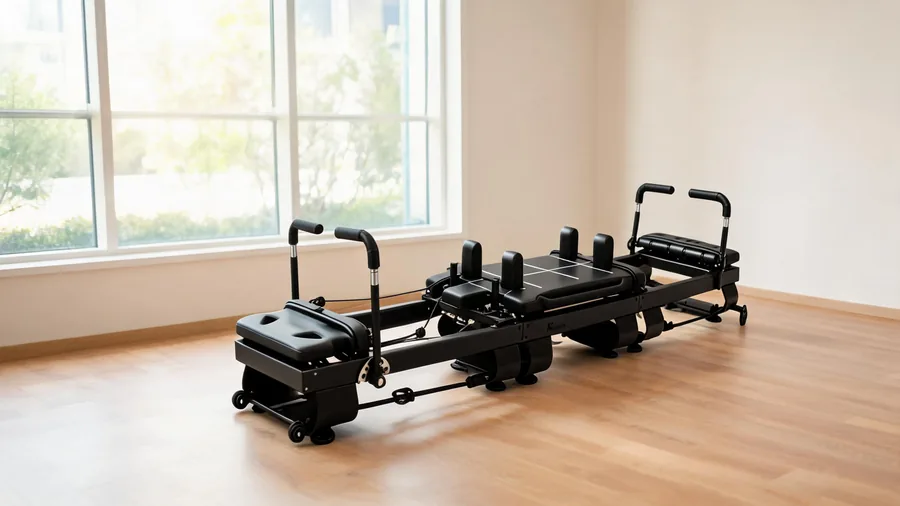
The Pilates reformer is increasingly recognized as a valuable rehabilitation tool for clients recovering from injuries and surgical procedures. Its spring-based resistance system provides accommodating load that adjusts to each patient’s current strength and range of motion, making it suitable for rehab centers treating sports injuries, joint replacements, back conditions, and post-surgical deconditioning. Choosing the right Pilates reformer za oporavak nakon ozljede zahtijeva razumijevanje specifičnih značajki opreme koje podržavaju sigurne i postupne rehabilitacijske programe.
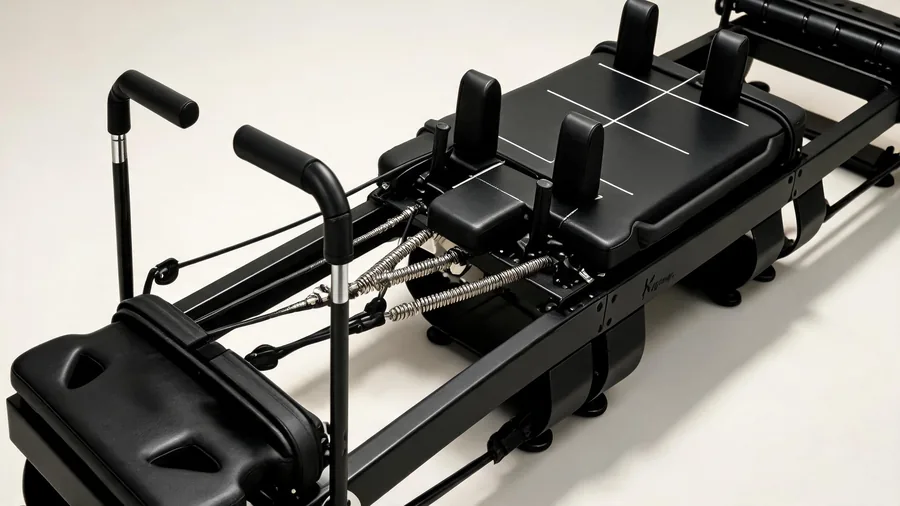
Ovaj vodič obrađuje ključne aspekte opreme i načela programiranja za rehabilitacijske centre koji ulažu u kliničku rehabilitacijsku opremu. Ovaj Pilates reformer za oporavak nakon ozljede razlikuje se od standardne fitness opreme na nekoliko važnih načina, uključujući preciznost opruga, prilagodljivost i sigurnosne sustave osmišljene posebno za terapijsku primjenu. Odabir prave opreme izravno utječe na ishode liječenja i na raspon stanja koja vaša ustanova može učinkovito liječiti.
1. Klinička osnova za rehabilitaciju na reformeru
A Pilates reformer za oporavak nakon ozljede offers unique advantages over traditional rehabilitation equipment. Unlike weight machines that load joints through fixed planes of motion, the spring-based resistance accommodates each patient’s current range of motion and strength level. A patient recovering from knee surgery can begin with minimal spring tension and progress gradually without compromising joint alignment.
Reformer podržava vježbanje u više položaja — na leđima, sjedeći, bočno i stojeći — što terapeutima omogućuje da pronađu najsigurniji položaj za svaku fazu oporavka. Istraživanja podržavaju rehabilitaciju na reformeru kod bolova u donjem dijelu leđa, oporavka ramena nakon operacije rotatorne manšete, rehabilitacije nakon ugradnje kuka i opće poslijeoperacijske kondicijske pripreme. Mogućnost izolacije pojedinih mišićnih skupina uz održavanje stabilnosti cijelog tijela čini reformer osobito učinkovitim za fazne rehabilitacijske protokole. Za klinike koje traže Pilates reformer za oporavak nakon ozljedeta je klinička svestranost primarni kriterij.
Prijelaz s pasivne na aktivnu rehabilitaciju jedna je od najkritičnijih faza oporavka. Reformeri omogućuju terapeutima da počnu s potpomognutim pokretima uz vrlo laganu napetost opruga, postupno prelazeći na aktivni otpor kako pacijent dobiva snagu i samopouzdanje.
Pacijenti kojima rehabilitacija najviše koristi
Rehabilitacija na reformeru osobito je učinkovita za pacijente nakon totalne artroplastike koljena i kuka, rekonstrukcije prednje ukrižene sveze, popravka rotatorne manšete, lumbalne fuzije i operacije stabilizacije gležnja. Kontrolirani opseg pokreta i promjenjivi otpor omogućuju terapeutima da osmisle protokole koji poštuju kirurška ograničenja, a istovremeno pružaju smislen podražaj za vježbanje.
2. Preciznost opruga i postupno povećanje otpora u rehabilitaciji
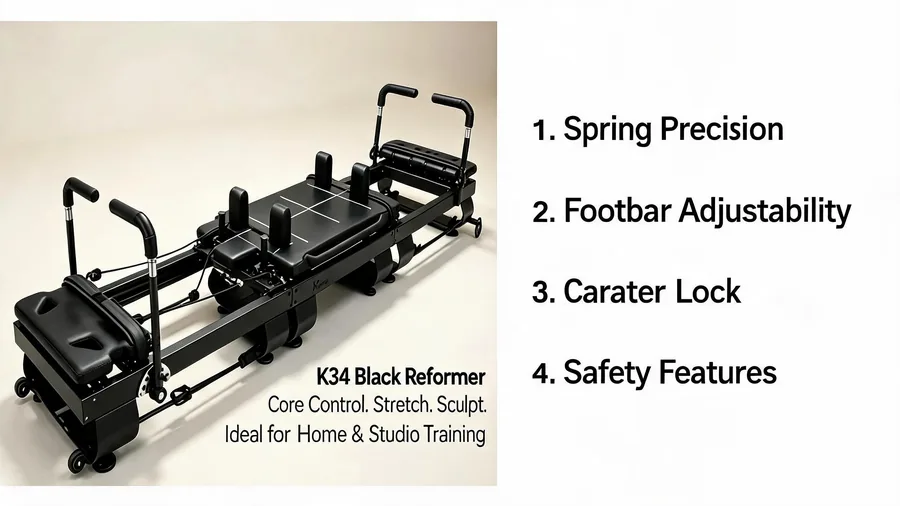
Preciznost opruga najkritičnija je značajka pri odabiru Pilates reformer za oporavak nakon ozljede. Rehabilitacijski klijenti često trebaju vrlo lagan otpor koji raste u malim koracima. Reformer s oprugama koje nude najmanje 5 različitih razina otpora — od vrlo laganog (0,5 kg) do teškog (5 kg i više) — omogućuje terapeutima fino podešavanje opterećenja za svaku vježbu i svaku fazu oporavka.
Opruge označene bojama s jasno naznačenim vrijednostima otpora pomažu terapeutima da brzo odaberu odgovarajuću napetost. Kalibrirane opruge koje zadržavaju dosljedan otpor kroz tisuće ciklusa ključne su za objektivno praćenje napretka pacijenta. Svaka opruga treba se glatko prikopčavati i otkopčavati, bez trzaja ili zapinjanja, kako bi se pacijent mogao usredotočiti na kvalitetu pokreta.
Preporučena konfiguracija opruga za rehabilitaciju
Održavanje opruga u rehabilitacijskim uvjetima
Rehabilitacijski centri trebaju pregledavati opruge češće od općih studija. Zamijenite opruge na prvi znak istezanja, deformacije ili nedosljednog otpora kako biste osigurali sigurnost pacijenta i ujednačene terapijske ishode. Pravilna briga o oprugama produljuje životni vijek Pilates reformer za oporavak nakon ozljede ove investicije.
3. Podesivost nožne šipke za terapijske vježbe
Podesivost nožne šipke ključna je za učinkovitu rehabilitaciju nakon ozljede. Rehabilitacijski klijenti imaju različite opsege pokreta, a nožna šipka mora pokriti ograničenja u fleksiji kuka, ekstenziji koljena i dorzifleksiji gležnja. Reformer s 4 do 5 različitih položaja nožne šipke omogućuje terapeutima da pronađu optimalan početni položaj za svakog pacijenta.
Za pacijente s ugrađenim kukom viši položaj nožne šipke smanjuje potreban opseg pokreta kod vježbi stopalima. Kod oporavka od ozljede gležnja mogućnost mijenjanja visine nožne šipke mijenja kut gležnja. Nožna šipka mora se sigurno zaključati u svakom položaju, uz zvučnu i taktilnu povratnu informaciju.
The footbar surface material also matters for clinical rehabilitation applications. A non-slip surface prevents the patient’s feet from sliding during pushing exercises, which is especially important for patients with reduced proprioception following surgery or neurological conditions that affect balance and coordination during movement.
Položaji nožne šipke za uobičajene rehabilitacijske protokole
4. Sustavi za zaključavanje nosača i sigurnosne značajke
Sigurnost je najvažnija pri radu s klijentima nakon ozljede. Ovaj Pilates reformer za oporavak nakon ozljede treba uključivati sustave za zaključavanje nosača koji terapeutu omogućuju da fiksira nosač u položaju tijekom određenih vježbi ili dok pacijent ulazi i izlazi. Brave koje se pozitivno uklapaju i lako otpuštaju daju terapeutu potpunu kontrolu nad opremom u osjetljivim trenucima.
Dodatne sigurnosne značajke uključuju naslone za ramena s podstavom koja sprječava bočno klizanje, nožnu šipku koja se ne otpušta pod pritiskom ako je slučajno udarena, graničnike koji sprječavaju izlazak nosača iz vodilica te protukliznu podstavu nosača. Naš Pilates reformer safety standards guide pruža više detalja o sigurnosnim mehanizmima relevantnima za rehabilitacijske korisnike.
5. Dodatna oprema i terapijske prilagodbe za rehabilitaciju
Dobro opremljen klinički reformer treba podržavati niz dodataka koji proširuju terapijske mogućnosti u oporavku nakon ozljede. Jump board može poslužiti za kontrolirano udarno opterećenje u kasnijim fazama oporavka. Push-through šipke omogućuju vježbe gornjeg dijela tijela u ležećem položaju. Kutije za sjedenje pružaju povišeni položaj pacijentima koji se tijekom termina teško prebacuju iz stojećeg u ležeći položaj.
Dodatne opcije podstavljanja — gel jastučići, potpore od pjene i klinasti jastuci — prilagođavaju se pacijentima s posebnim zahtjevima za udobnost. Remenje i ručke trebaju uključivati standardne petlje i dulje izvedbe za pacijente sa slabijom snagom stiska ili smanjenom pokretljivošću ramena. Mogućnost brzog prikopčavanja i otkopčavanja dodataka bez alata praktična je za prometne rehabilitacijske centre koji dnevno primaju više pacijenata u različitim sobama.
Osnovna dodatna oprema za rehabilitacijske centre
6. Načela programiranja u rehabilitacijskim uvjetima
Programiranje treninga na Pilates reformer za oporavak nakon ozljede reformeru slijedi drukčija načela od općih Pilates treninga. Treninzi trebaju biti sporiji, s duljim pauzama između vježbi. Naglasak treba biti na neuromuskularnoj reedukaciji, a ne samo na izdržljivosti ili povećanju snage.
Rani treninzi obično uključuju nježan rad stopalima za uspostavljanje kontrole nosača, vježbe stabilnosti zdjelice s minimalnom napetošću opruga i vježbe aktivacije središnjeg dijela tijela u potpomognutim položajima. Pokazatelji napretka uključuju završetak ciljanog broja ponavljanja bez bolova, bolju kvalitetu pokreta i spremnost za prijelaz na sljedeću razinu napetosti opruga. Pilates Method Alliance pruža kliničke materijale za uključivanje Pilates opreme u rehabilitacijske programe.
Struktura treninga za rehabilitacijske klijente
Tipičan 45-minutni rehabilitacijski trening na reformeru uključuje 5 minuta nježnog rada stopalima za procjenu trenutnog stanja pacijenta, 10 minuta vježbi stabilizacije zdjelice i središnjeg dijela tijela, 10 minuta ciljanog rada na gornjim ili donjim udovima ovisno o mjestu ozljede, 10 minuta funkcionalnih obrazaca kretanja i treninga ravnoteže, 5 minuta rada na fleksibilnosti i opsegu pokreta te 5 minuta hlađenja s laganim istezanjem. Svaki trening treba prilagoditi na temelju reakcije pacijenta na prethodni termin.
7. Kriteriji odabira opreme za rehabilitacijske centre
Pri odabiru opreme rehabilitacijski centri trebaju ocijeniti kriterije izvan onih koje bi opći studio stavio u prvi plan. Raspon i preciznost opruga najkritičniji su čimbenici, a slijede podesivost nožne šipke i sigurnosne značajke. Svaki Pilates reformer za oporavak nakon ozljede should be evaluated against your facility’s specific rehabilitation needs.
Pri odabiru Pilates reformer za oporavak nakon ozljede, razmotrite koje vrste stanja najčešće liječite. Ustanova usmjerena na ortopedsku rehabilitaciju može dati prednost podesivosti nožne šipke, dok centar koji liječi neurološka stanja može trebati veću kompatibilnost dodataka. Usklađivanje značajki opreme s vašim kliničkim fokusom osigurava ulaganje u prave alate.
Factory-direct purchasing offers rehab centers commercial-grade quality without distributor markup, making it practical to equip multiple treatment rooms with standardized equipment for consistent patient outcomes across your facility. Working directly with a manufacturer also provides access to custom configurations that address your facility’s specific clinical requirements, ensuring your patients receive the best possible care throughout their rehabilitation journey.
8. Često postavljana pitanja o rehabilitaciji na reformeru
S kojom napetošću opruga početi kod klijenta nakon ozljede?
Počnite s najlakšom dostupnom oprugom — obično 0,5 kg. Cilj je kvaliteta pokreta i izvedba bez bolova, a ne otpor.
Je li reformer siguran za pacijente nakon operacije?
Yes, with clearance from the surgeon and supervision by a trained professional. The reformer’s accommodating resistance makes it suitable for phased post-surgical rehabilitation.
Kako trening na reformeru pomaže u oporavku od bolova u leđima?
Trening na reformeru jača središnji dio tijela i paravertebralne mišiće uz održavanje poravnanja kralježnice. Otpor opruga pruža proprioceptivnu povratnu informaciju koja pomaže pacijentima da ponovno nauče pravilne obrasce kretanja.
Može li se reformer koristiti za rehabilitaciju ramena?
Da. Vježbe poput opruga za ruke, širenja prsnog koša i rada na trapezu pružaju kontroliran otpor za rehabilitaciju ramena u ležećem položaju.
Koliko obično traje rehabilitacija nakon ozljede?
Većina protokola traje 8 do 12 tjedana s 2 do 3 treninga tjedno. Napredak ovisi o vrsti ozljede, kirurškom zahvatu i kvaliteti osmišljenog programa.
9. Odaberite opremu koja podržava sigurnu rehabilitaciju
Odabir pravog Pilates reformer za oporavak nakon ozljede is an investment in your patients’ outcomes. Equipment with precise spring calibration, adjustable footbars, reliable safety features, and full accessory compatibility gives therapists the tools they need for effective rehabilitation programs. A well-chosen Pilates reformer za oporavak nakon ozljede reformer podržava progresivnu i sigurnu rehabilitaciju od ranog oporavka do povratka funkciji.
Rehabilitacijski centri trebaju dati prednost opremi s najširim rasponom opruga i najfinijim koracima otpora, najviše položaja nožne šipke za fleksibilnost i najsveobuhvatnijim dostupnim sigurnosnim značajkama. Ti čimbenici izravno utječu na kvalitetu skrbi koju možete pružiti i na raspon stanja koja možete učinkovito liječiti. Dodatne kliničke smjernice potražite u Pilates Method Alliance materijalima o rehabilitacijskim protokolima za Pilates opremu.
Povezani materijali o Pilates reformeru
- Pilates reformer za starije osobe: prilagodbe opreme
- Vodič kroz sigurnosne standarde za Pilates reformer
- Vodič za kupnju Pilates reformera 2026
- Vodič kroz nosivost Pilates reformera
- Pilates reformer za sportaše
For clinic and rehab rooms, the commercial reformer lineup lists the models built for daily patient use.