Determining exactly how many reformers for a pilates studio operations require is one of the first and most important decisions you will make as a studio owner. Get this number right, and your studio runs efficiently — instructors stay booked, clients get the classes they want, and your equipment investment delivers maximum return. Get it wrong, and you either have reformers sitting idle or you are turning away clients because every class is full. This guide provides a data-driven framework for calculating the ideal reformer count based on your studio type, class schedule, and financial goals.
The question of how many reformers for a pilates studio owners need depends on several interrelated factors including class size targets, daily class count, peak hour demand, and equipment utilization goals. A balanced approach considers both current enrollment and projected growth projections to avoid under-investing or over-investing in reformer equipment. This guide covers calculation methods, industry benchmarks, revenue analysis, and equipment purchasing strategies for studio owners planning their reformer fleet size for commercial operations and training programs.
1. Why Reformer Count Matters for Studio Success
Reformer count directly impacts three critical aspects of studio operations: revenue potential, member satisfaction, and instructor utilization rates across the weekly schedule. A studio with too few reformers limits total class capacity, capping revenue and frustrating members who cannot get into popular class times. Too many reformers ties up capital in underutilized equipment and increases space requirements, raising fixed costs unnecessarily and reducing overall studio profitability and return on investment over the long term.
The ideal reformer count balances peak demand with average utilization rates across the weekly class schedule. Understanding how many reformers for a pilates studio operations require involves analyzing class attendance data from peak periods and sizing the fleet to accommodate maximum demand while maintaining 75% to 85% overall utilization across the full weekly schedule and class programming calendar during morning, midday, and evening peak time blocks throughout each operating week.
2. Five Factors That Determine Your Reformer Quantity
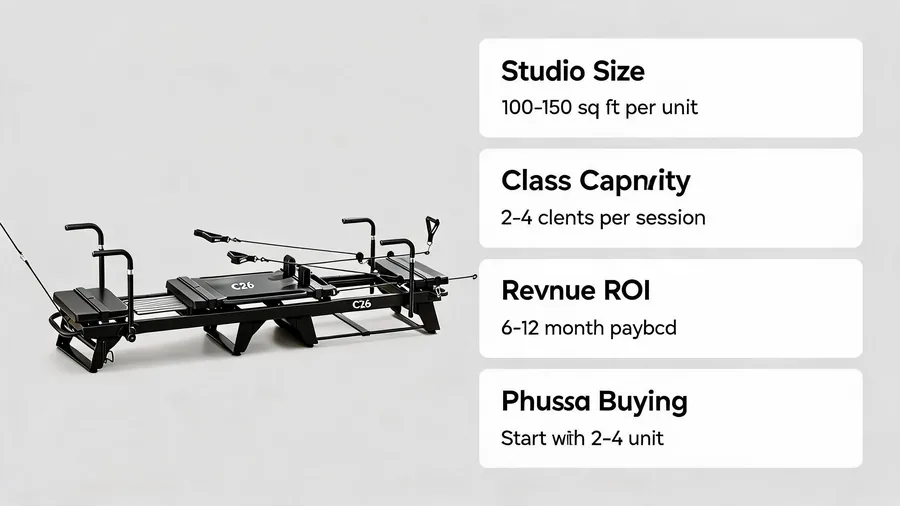
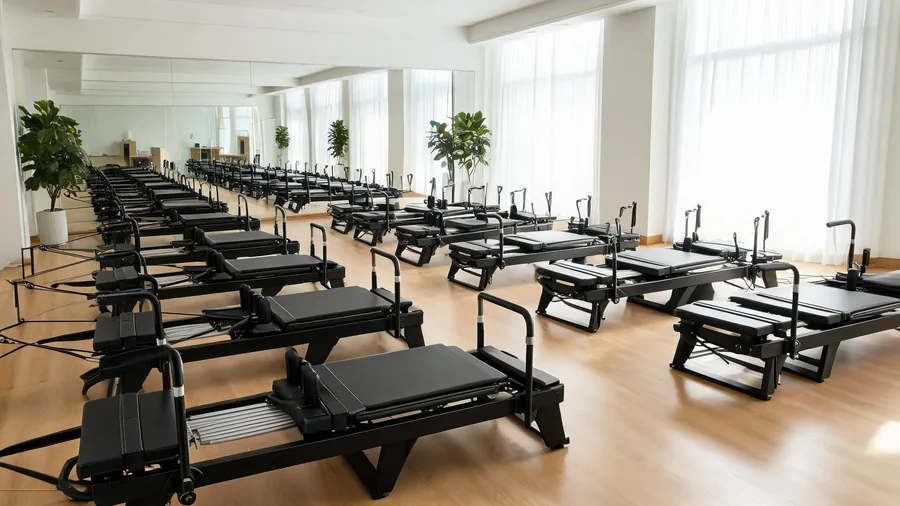
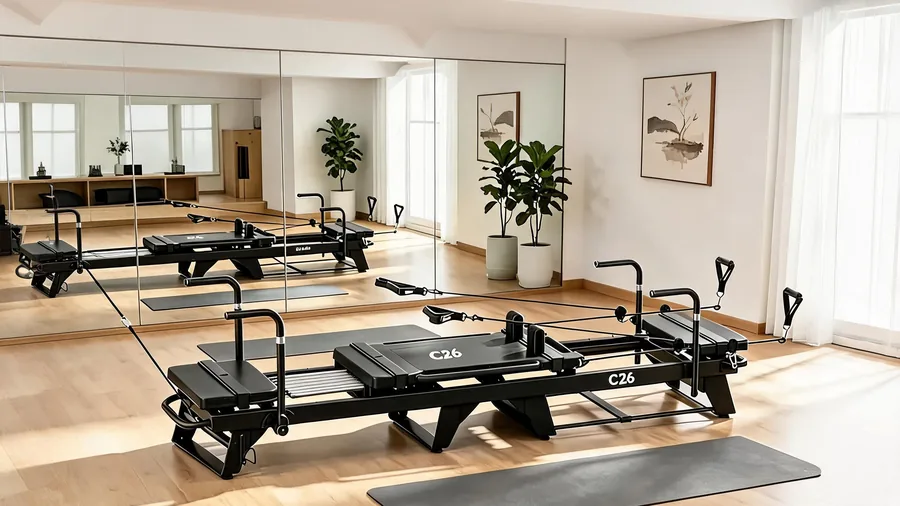
Five key factors influence the answer to how many reformers for a pilates studio owners require for their specific facility and operating model. Studio square footage is the most fundamental constraint — each reformer needs approximately 30 to 40 square feet of floor space including client access area and instructor circulation space around the equipment. Commercial reformers themselves measure roughly 8 feet long and 3 feet wide, requiring adequate clearance on all sides for safe operation during classes offered at the facility.
Class size targets represent the second factor in determining how many reformers for a pilates studio class capacity requires. If you plan to teach reformer classes with 6 clients per session, you need at least 6 reformers available during that class time. The third factor is class frequency — a studio offering 30 reformer classes per week needs fewer reformers than one offering 60 classes per week. Daily schedule density and peak hour overlap complete the five factors that determine total reformer requirements for the facility.
3. Reformer Count by Studio Type Quick Reference
Industry benchmarks provide a useful starting point for answering how many reformers for a pilates studio operators in different categories typically require. Boutique studios focusing exclusively on reformer Pilates usually start with 6 to 10 reformers and expand as enrollment grows from initial membership levels. Mixed-use studios that combine reformer with yoga and barre typically need fewer reformers, often starting with 4 to 6 units given their diverse class schedule across multiple fitness modalities and training disciplines.
Industry benchmarks determining how many reformers for a pilates studio types require for different business models and class schedules.
| Studio Type | Starting Count | Expansion Count | Weekly Classes |
|---|---|---|---|
| Boutique reformer studio | 6-10 | 10-14 | 50-80 |
| Mixed-use studio | 4-6 | 6-10 | 20-40 |
| Franchise location | 10-14 | 14-18 | 80-120 |
| Private session studio | 2-4 | 4-6 | N/A |
| Gym/fitness center | 4-8 | 8-12 | 15-30 |
4. Revenue Impact and ROI by Reformer Count
Each reformer represents both a capital cost and a revenue-generating asset when answering how many reformers for a pilates studio financial planning requires for the business model. A commercial reformer priced between $2,500 and $5,000 generates revenue through class attendance and private sessions scheduled on that equipment throughout the week. A commercial reformer priced between $2,500 and $5,000 generates revenue through class attendance and private sessions scheduled on that equipment throughout the week. Calculating the return on investment helps determine how many reformers to purchase initially and when to expand the fleet as the studio grows over time with increasing membership numbers and class attendance rates.
A single reformer generating 20 sessions per week at $25 per session produces $500 weekly revenue in a studio that properly answers how many reformers for a pilates studio capacity planning requires for its specific business model. With a purchase price of $3,500, the equipment pays for itself in about 7 weeks if fully utilized. Understanding this math helps studio owners determine the optimal reformer count for their business and make confident equipment purchasing decisions based on projected class schedules, pricing structures, and expected attendance levels during peak operating periods.
5. How to Phase Your Equipment Purchase
Most successful studio owners phase their how many reformers for a pilates studio equipment purchases rather than buying the full fleet at once. Starting with a smaller number of reformers and expanding based on actual demand reduces financial risk and allows the business to build cash flow before making additional equipment investments for fleet expansion. A typical phasing strategy starts with 4 to 6 reformers for the initial studio launch, then adds 2 to 4 reformers every 6 to 12 months as class attendance and membership numbers continue growing.
The phased approach also allows studio owners to refine their understanding of how many reformers for a pilates studio operations truly need for their unique business circumstances. After 3 to 6 months of operation, attendance metrics reveal peak demand periods, popular class times, and equipment utilization rates that inform the next round of equipment purchasing decisions and fleet expansion planning for the growing studio facility and expanding client base.
6. Equipment Cost Allocation and Planning
While reformers represent the largest equipment investment, studio owners must consider supporting infrastructure costs carefully in their planning. Each reformer needs compatible springs, straps, ropes, and padding that require replacement every 12 to 18 months under commercial use conditions. Storage solutions, cleaning supplies, and maintenance tools add to ongoing operational costs of maintaining a commercial reformer fleet in a professional studio environment with daily class programming.
Smart studio owners allocate approximately 60% to 70% of their equipment financial allocation to reformers and reserve the remaining 30% to 40% for supplementary equipment, infrastructure, and ongoing maintenance over the first year of operation. This balanced approach ensures the studio is fully equipped for daily operations while maintaining flexibility for unexpected equipment needs and spare parts throughout the lifecycle of the reformer fleet and supporting apparatus.
7. Frequently Asked Questions About Studio Reformers
Can I start with too few reformers?
Starting with fewer reformers than needed limits revenue and frustrates members who cannot book popular class times. Most studios find that starting slightly under capacity with a clear expansion plan works better than over-investing in equipment that sits idle during slower seasonal periods throughout the operating calendar and weekly schedule.
What is the minimum number of reformers for a commercial studio?
Most commercial studios need at least 4 to 6 reformers to offer viable group class programming. Studios with fewer than 4 reformers typically operate as private session facilities rather than group class studios, which changes the revenue model and pricing structure for the overall business operation and financial planning approach.
How much space do I need per reformer?
Each reformer requires approximately 30 to 40 square feet of floor space for safe operation. A studio with 6 reformers needs roughly 180 to 240 square feet of dedicated reformer floor space plus additional area for reception, changing rooms, and storage requirements. The Pilates Method Alliance provides facility planning guidelines and space recommendations for commercial studio operations.
How many private session reformers do I need?
Private session studios typically need one reformer per instructor working simultaneously in the facility. A studio with 3 instructors teaching concurrent private sessions requires 3 reformers for those sessions during peak teaching hours. The Pilates Method Alliance offers additional guidance on equipment ratios for different studio formats and service models.
Should I buy all reformers at once or phase them?
Phasing reformer purchases is generally recommended unless you have accurate attendance projections from an existing facility operating successfully. Most successful studios start with 4 to 6 reformers and add more based on actual demand data collected during the first months of regular studio operation and class scheduling experience.
8. Smart Scaling Strategies for Growing Studios
As a studio grows, the answer to how many reformers for a pilates studio operations need changes over time. Studios that start with 4 to 6 reformers often expand to 8 to 10 within the first 12 to 18 months as class enrollment increases and member demand grows. The key is establishing clear trigger points for expansion based on measurable metrics such as class waitlist frequency, attendance rates above 85%, and new member enrollment numbers indicating growing demand for additional class capacity and session availability.
Expansion planning should also consider floor layout modifications needed to accommodate additional reformers in the existing space. Some studios design their initial layout with expansion in mind, leaving space for additional reformers while using the area for other purposes until expansion is needed. This forward-thinking approach reduces the cost and disruption of major layout reconfiguration when the time comes to add more reformers to the growing studio fleet.
9. Getting Started with Your Reformer Purchase
Determining how many reformers for a pilates studio operations need is the first step in a larger equipment purchasing journey. Once you have calculated your ideal reformer count based on class size targets, schedule density, and growth projections, the next step is selecting commercial-grade reformers that match your quality requirements and financial allocation for equipment investment. Factory-direct purchasing provides access to wholesale pricing and customized configurations for your studio needs and class programming requirements.
Investing in high-quality reformers from a reputable manufacturer ensures your equipment performs consistently throughout daily commercial use in a how many reformers for a pilates studio environment with multiple class formats and instructor teaching styles. Studio owners who prioritize commercial-grade equipment with reinforced frames and durable spring systems typically see lower maintenance costs and longer equipment lifespans. The initial investment in quality reformers pays dividends through reliable daily performance and positive member experiences in the studio environment.
Seasonal demand fluctuations also affect how many reformers you need at peak times versus slower periods throughout the year for your specific studio location and class programming schedule. Studio owners should plan their fleet size around the busiest 8 to 10 weeks of the year rather than average attendance, ensuring they can serve maximum demand during New Year resolution periods, September enrollment surges, and pre-summer training peaks without turning away clients during the highest revenue weeks of the studio operating year.
Maintenance planning is another factor that affects the total number of reformers needed for continuous studio operations. Having one or two spare reformers beyond the number needed for scheduled classes allows studios to continue full operations while equipment undergoes routine maintenance, spring replacement, or unexpected repairs. This buffer capacity ensures class schedules remain uninterrupted and members always have access to functioning equipment during their scheduled training sessions without disruption to the weekly class schedule and member experience.
Kapcsolódó útmutatók
- Pilates Reformer Buying Guide 2026
- Commercial Pilates Reformers Guide
- A reformer méretei és helyigénye
- Mixed-Use Studio Guide
- Studio Equipment Checklist
- Reformer Weight Capacity Guide