1. Pilates Reformer Frame Materials: Steel vs Aluminum vs Wood Overview
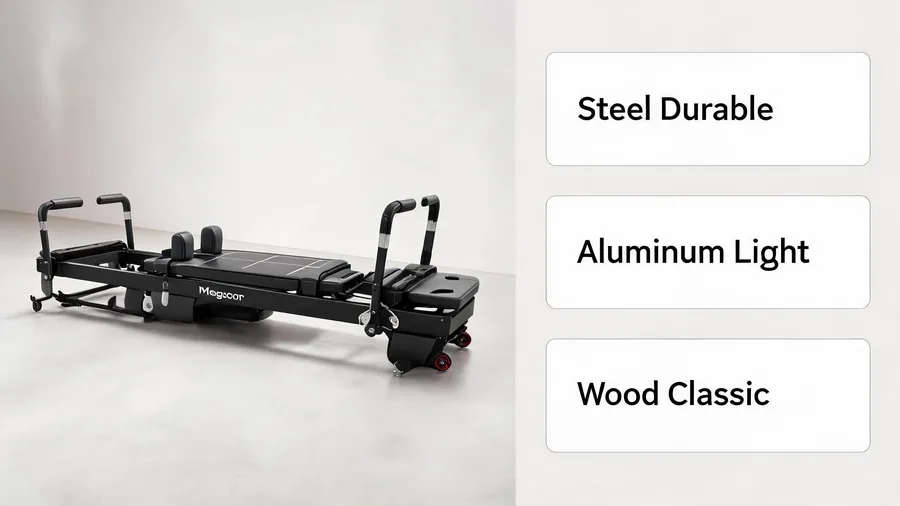
The frame material of a 필라테스 reformer is one of the most consequential decisions a studio owner makes. It determines the machine’s weight, durability, maintenance requirements, and — ultimately — how it feels to both clients and instructors. Steel, aluminum, and wood are the three primary frame materials used in commercial reformers, each with distinct performance characteristics that suit different studio contexts. Here is a detailed comparison to inform your purchasing decision.

2. Steel Pilates Reformer Frame Materials for Commercial Studios
Steel is the dominant frame material in the commercial reformer market for good reason. Its high strength-to-weight ratio allows manufacturers to create rigid frames that resist torsional flex during heavy spring loads. A well-designed steel reformer frame made from 14-gauge or 16-gauge rectangular tubing will not deflect measurably even under maximum spring tension with a 120 kg client performing intense footwork.
The weight of steel is both a benefit and a consideration. A steel-frame reformer typically weighs 65–85 kg, which provides stability during vigorous exercises — the machine stays planted on the floor without shaking or walking. This mass also means a higher shipping cost and more effort required to rearrange studio layouts. Steel frames are available in powder-coated finishes that resist chipping and chemical sanitizers, meeting 필라테스 메소드 얼라이언스 durability standards, and properly treated steel frames can last 15–20 years in commercial service.
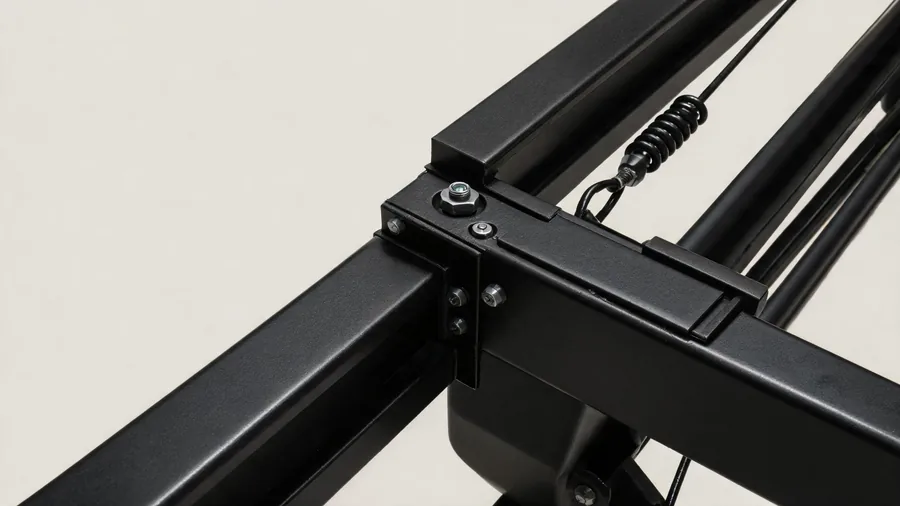
Welding quality is the key variable in steel frame longevity. Production welds should be full-penetration butt welds at frame junction points, not simple tack welds. Each weld should be ground smooth and finished to match the surrounding surface. Inferior steel frames with poor weld quality are the source of most structural warranty claims in the industry. Megacore Pilates reformers use robotic MIG welding with controlled penetration parameters, and each frame undergoes a dimensional inspection and weld integrity check before finishing.
3. Aluminum Pilates Reformer Frame Materials: Pros and Cons
Aluminum frames appeal to studio owners who prioritize portability. An aluminum reformer typically weighs 35–50 kg — approximately 40 percent less than a comparable steel unit. This weight saving is meaningful for studios that reconfigure their layout frequently, operate on upper floors without elevators, or offer mobile reformer services at corporate wellness sites. Aluminum does not rust, which is an advantage in high-humidity coastal environments or studios with poolside locations.
However, aluminum’s lower elastic modulus means it flexes more than steel under equivalent loads. To achieve the same rigidity as a steel frame, an aluminum frame must use thicker extrusions or larger cross-sections. This partially offsets the weight advantage and increases the frame’s physical footprint. Aluminum frames also carry a higher base material cost — expect a 15–25 percent premium over comparable steel reformers.
Surface finish is another consideration. Raw aluminum oxidizes naturally, but most commercial aluminum reformers use an anodized or powder-coated finish to maintain appearance. Anodizing is durable but can show scratches more prominently than powder coating. Aluminum is softer than steel, so threaded holes for footbar adjustments and accessory mounts are more prone to stripping if over-torqued during maintenance.
4. Wood Pilates Reformer Frame Materials for Boutique Studios
Wood-frame reformers occupy a niche but growing segment of the commercial market. Their primary advantage is aesthetic — warm wood tones create a studio atmosphere that aligns with wellness-focused branding and appeals to clients seeking an alternative to the clinical feel of metal-frame equipment. High-end boutique studios in metropolitan markets often use wood reformers as a differentiator.
The structural limitations of wood are significant. Hardwoods such as beech, ash, or birch can be engineered to support commercial loads, but the joinery systems required — mortise-and-tenon, doweled, or metal-reinforced corner blocks — add complexity and cost. Moisture is the enemy of wood frames; in humid studio environments, even sealed wood can warp over time, causing carriage rail misalignment that affects glide quality. Wood frames also require periodic refinishing, adding to long-term maintenance costs.
Weight-wise, wood frames fall between steel and aluminum at 40–65 kg. Their environmental impact is more complex to evaluate: responsibly sourced wood from certified forestry operations is renewable, but the treatment and finishing chemicals used for durability offset some of the environmental benefit. Wood reformers command the highest price point of the three materials, typically 30–50 percent above comparable steel models.
5. Lifespan of Pilates Reformer Frame Materials: Steel vs Aluminum vs Wood
Steel frames with proper corrosion protection represent the longest service life. With routine maintenance — inspecting for rust spots at coastal locations and checking bolt torque annually — a steel reformer should function well for 15 years or more. Aluminum frames last 10–15 years but require vigilance around threaded connections and hinge points where galvanic corrosion can occur between aluminum and stainless steel components. Wood frame reformers typically require refinishing every 3–5 years and structural inspection for joint integrity annually, with an expected service life of 8–12 years before major restoration is needed.
6. Choosing Between Pilates Reformer Frame Materials
The right frame material depends on your studio’s specific operational requirements. Steel is the default recommendation for any studio seeking maximum durability, lowest lifetime cost, and predictable long-term performance. Aluminum is the better choice when weight is the primary constraint — multi-floor studios, mobile programs, or frequent layout changes. Wood is appropriate for boutique studios where the aesthetic contributes directly to the brand experience and the premium price point aligns with the studio’s pricing strategy.
Some studio operators choose a mixed-fleet approach: steel reformers for the main studio floor where throughput and durability are paramount, a few aluminum units for satellite or pop-up locations, and wood reformers for a premium private studio space that commands higher session rates. Mixing materials within a single facility requires careful instructor training since the different weights and handling characteristics affect exercise execution cues.

7. Verifying Pilates Reformer Frame Materials Quality from Suppliers
Regardless of material choice, request material certifications from your supplier. Steel frames should come with mill test certificates specifying the grade (typically Q235 or equivalent mild steel for commercial reformers). Aluminum frames should specify the alloy grade (6061-T6 is the standard for structural applications). Wood frames should come with documentation of the wood species, moisture content at manufacture (ideally 7–10 percent), and the finishing system used. These documents provide a baseline for quality assurance and are useful for customs classification at import.
Our inspection report (GZHL2601000020601SP) documents material composition verification as part of the standard quality control protocol. This includes ultrasonic thickness testing of frame tubing, weld penetration inspection, and finish adhesion testing — providing documented assurance that the frame material meets structural specifications. 상업용으로 가장 적합한 필라테스 리포머
다음 업계 자료들은 이 주제에 대한 권위 있는 지침을 제공합니다:
- OSHA Safety Standards
- Fitness Industry Association
- 미국 운동 협의회
- CDC Environmental Infection Control
- ACE Fitness Industry Standards
- 국제 피트니스 협회
운동 기구의 안전 및 품질 기준에 대해서는 필라테스 메소드 얼라이언스(Pilates Method Alliance)의 업계 지침을 참조하십시오. 피트니스 시설에 대한 미국 질병통제예방센터(CDC)의 환경 지침은 상업용 기구의 위생 및 유지 관리에 관한 추가 기준을 제시합니다. 또한, 공용 기구를 사용하는 상업용 피트니스 스튜디오에는 미국 직업안전보건청(OSHA)의 위생 기준도 적용됩니다.
Pilates reformer frame materials: Frequently Asked Questions
이 필라테스 기구가 초보자용 제품들과는 어떤 점이 다른가요?
The difference comes down to materials and construction. Commercial-grade equipment uses all-metal frames, sealed bearings, and calibrated springs. entry-level alternatives use lighter materials that degrade faster. A quality reformer lasts 5-10+ years — an entry-level reformer often needs replacement in 1-2 years.
이 장비가 제 구체적인 요구 사항에 적합한지 어떻게 알 수 있나요?
Consider your primary use case: studio vs home, client demographics, class volume, and cost. Studio owners should prioritize durability and maintenance access. Home users should prioritize space efficiency and ease of use. Match the equipment specifications to your specific requirements rather than buying general-purpose.
신뢰할 수 있는 제조업체로부터 어떤 보증과 지원을 기대할 수 있나요?
상업용 장비에는 최소 2년의 구조적 보증과 1년의 부품 보증이 제공되어야 합니다. 메가코어(Megacore)와 같은 공장 직영 제조업체는 종종 보증 기간 연장 및 직접적인 기술 지원을 제공합니다. 구매하기 전에 반드시 서면으로 된 보증 서류를 요청하십시오.
Pilates reformer frame materials: Conclusion
적합한 장비를 선택하는 것은 필라테스 수련이나 사업 운영에 큰 차이를 만들어 줍니다. 스튜디오를 새로 개설하든, 기존 기구를 업그레이드하든, 아니면 집에서 수련할 환경을 갖추든 간에, 자신의 구체적인 필요에 맞는 고품질 장비에 투자하는 것이 장기적인 만족도와 성과를 위한 토대가 됩니다.
- Pilates Reformer Acrylic vs Aluminum vs Wood Platform Board: Which to Choose
- 필라테스 리포머 vs 메가포머 vs 캐딜락: 스튜디오 운영자를 위한 장비 비교
- Pilates Reformer Ropes & Straps: Materials, Durability, and Replacement Guide
- 필라테스 리포머 하중 용량 가이드: 250kg 이상의 강철 프레임이 중요한 이유
- 필라테스 리포머 vs 매트 필라테스: 스튜디오에서는 어느 쪽에 중점을 두어야 할까요?
- Pilates Reformer Transport and Logistics: Air Freight vs Sea Freight from China
- Pilates Reformer Rope Length Guide: Standard vs Extended Options for Different Heights
- Pilates Reformer Gear Systems: Belt Drive vs Spring-Based vs Bungee Cord Resistance
Choose the Right Pilates Reformer Frame Materials
Contact us to discuss Pilates reformer frame materials and find the best option for your studio. Choosing the right Pilates reformer frame materials ensures your equipment performs for years. Comparing Pilates reformer frame materials before purchasing ensures you get the right equipment for your needs. Our team can help you select between steel, aluminum, and wood frames based on your needs. Choosing the right Pilates reformer frame materials makes all the difference in your studio equipment investment.