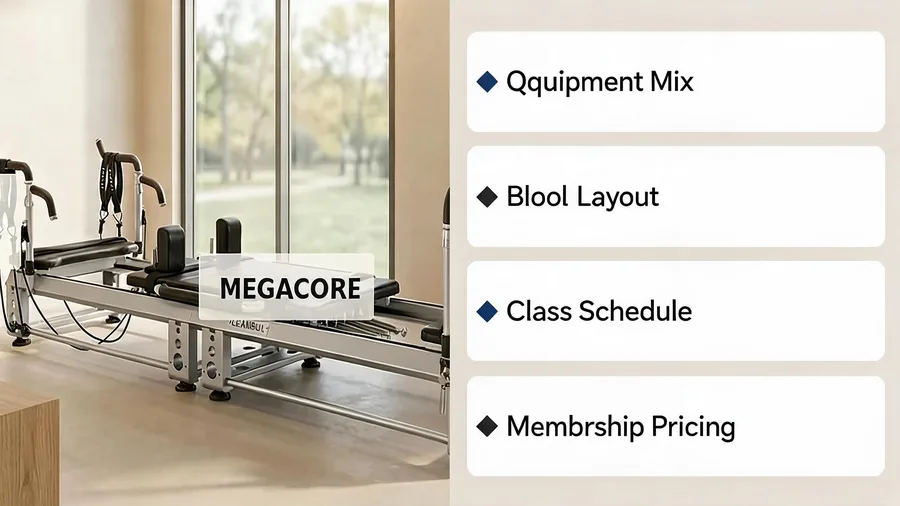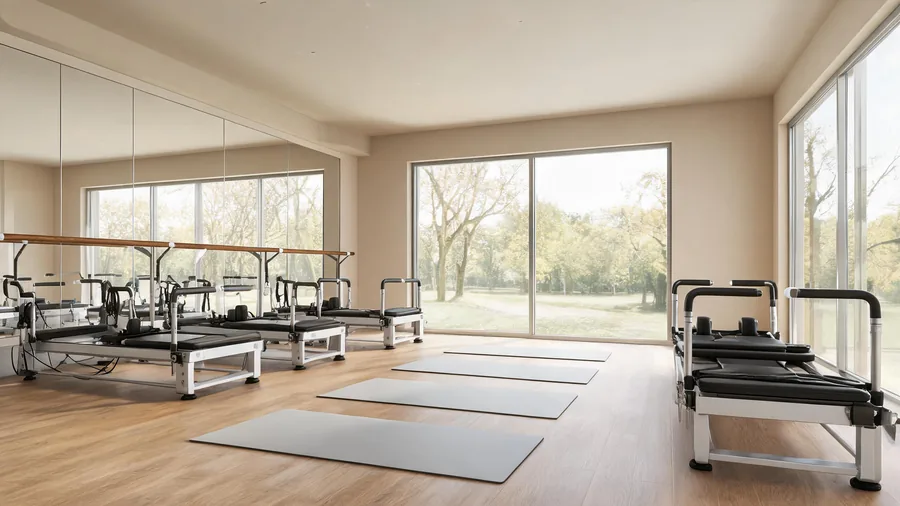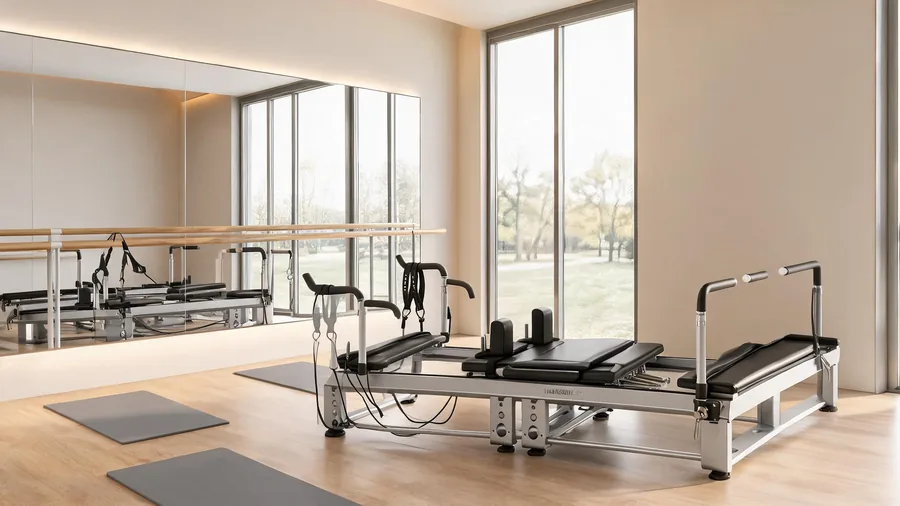
The modern fitness consumer does not want to commit to a single modality. They want yoga on Monday, barre on Wednesday, and reformer Pilates on Friday — ideally in the same studio with one membership. Mixed-use studios that combine multiple disciplines under one roof are outperforming single-modality studios in retention rates and revenue per square foot. This guide covers everything you need to know about equipping and operating a multi-discipline space that serves yoga, barre, and Pilates reformer mixed use studio programs effectively.
A strategically designed Pilates reformer mixed use studio maximizes equipment utilization across different class types while maintaining the specialized environment each discipline requires. The key is selecting versatile equipment that transitions smoothly between modalities and planning a floor layout that accommodates different class configurations without requiring extensive setup time between sessions. Operators who master this balance typically see higher membership retention and better revenue performance than single-discipline studios in comparable markets and locations.
1. The Growing Demand for Multi-Discipline Studios
Consumer fitness preferences in the Pilates reformer mixed use studio market have shifted dramatically toward variety and flexibility. Members want access to multiple class types without maintaining separate memberships at different studios. Mixed-use studios meet this demand by offering yoga for flexibility and mindfulness, barre for low-impact strength training, and reformer Pilates for core development and full-body conditioning under one roof. This model reduces member churn because clients can vary their workouts without leaving the studio ecosystem.
The economics favor mixed-use studios as well. Real estate costs in urban areas make it challenging to operate single-modality studios profitably without charging premium rates. A well-planned Pilates reformer mixed use studio generates higher revenue per square foot by scheduling classes across multiple disciplines throughout the day. Morning yoga sessions utilize the same floor space as midday barre classes and evening reformer sessions, maximizing the return on every square foot of studio space leased and maintained.
2. Equipment Selection for Multiple Disciplines
Pilates reformer mixed use studio operators need for a Pilates reformer mixed use studio is the most critical decision when opening a mixed-use facility. Each discipline requires specific apparatus, but strategic selection allows operators to serve multiple modalities without over-investing in equipment that sits idle for portions of the day. The foundation of any multi-discipline facility is high-quality reformers that can withstand daily use across different class formats and instructor teaching styles while maintaining consistent performance and safety standards.
In a Pilates reformer mixed use studio,, mixed-use studios need yoga mats, blocks, straps, barre rails or portable barres, and resistance bands. Storage solutions are equally important — equipment must be easily accessible for setup and quickly stowable for transition between class types. Wall-mounted barre systems paired with retractable storage for reformers allow the same room to transform from a yoga studio to a barre studio to a reformer studio within minutes between classes scheduled throughout the day.
3. Floor Layout Strategy for Fast Transitions
Floor layout determines how efficiently a mixed-use studio can transition between disciplines. The most successful layouts use a modular approach with clearly defined zones for each modality. Reformers positioned along walls with retractable storage systems allow the center of the room to open up for yoga and barre classes. This zone-based approach minimizes setup time while maintaining safe spacing between equipment during reformer sessions and open floor activities.
Traffic flow is another critical consideration in a Pilates reformer mixed use studio layout. Members need clear pathways to access equipment without crossing through active exercise zones or disrupting ongoing classes elsewhere in the studio space. Separate entry and exit paths for each equipment zone reduce congestion during class transitions and improve the overall member experience. Thoughtful layout planning also accommodates accessibility requirements and emergency egress routes while maximizing the number of class participants the studio can safely accommodate per session.
4. Reformer Selection Criteria for Mixed-Use Studios
Not all reformers are suitable for a busy Pilates reformer mixed use studio environment. Studios that serve yoga and barre clients alongside reformer practitioners need equipment that is intuitive for beginners while durable enough for high-frequency commercial use. Key specifications include reinforced frame construction, smooth carriage movement, adjustable spring resistance, and easy maintenance access for routine cleaning and servicing between classes throughout the day.
Commercial-grade reformers with standardized spring configurations allow instructors to cue spring tension changes across different class levels and disciplines within the same studio environment. Adjustable shoulder rests and headrests accommodate clients of varying heights and body types, which is important in mixed-use settings where the same equipment serves everyone from flexibility-focused yoga practitioners to strength-oriented barre clients to core-focused reformer participants in different class formats.
5. Pricing Models for Multi-Discipline Memberships
Pricing structure significantly impacts member acquisition and retention in mixed-use studios. The most common models include tiered memberships that grant access to specific combinations of disciplines, unlimited memberships for the full schedule, and class package systems for clients who prefer one or two modalities. Each model has advantages depending on the studio’s target demographic, location, and competitive landscape within the local fitness market and surrounding community.
Common pricing models for multi-discipline fitness studios and their target member segments.
| Model | Best For | Typical Monthly Price |
|---|---|---|
| Tiered (1-2 disciplines) | Single-modality focused clients | $120-180 |
| Unlimited all-access | Variety-seeking members | $180-280 |
| Class packages (10-20) | Occasional users | $150-300 |
| Founder rates | Early adopters | $99-149 |
| Corporate/group | Employee wellness programs | Custom |
6. Class Schedule Optimization
Schedule design directly affects revenue and member satisfaction in a well-run Pilates reformer mixed use studio. The most profitable studios alternate discipline times to capture different demographics throughout the day. Early morning and lunchtime classes typically draw the highest attendance for reformer and barre, while evening sessions attract more yoga participants seeking stress relief after work. Weekend scheduling should emphasize longer, more immersive classes that differentiate the studio from everyday fitness options in the area.
Technology integration is becoming increasingly important for Pilates reformer mixed use studio operations. Scheduling software that manages class capacities across different disciplines, automated waitlist management, and integrated payment systems, automated class reminders, and member progress tracking features streamline daily operations and significantly improve the overall member experience. Many successful mixed-use studios invest in management platforms that track equipment utilization rates, class attendance trends, and member retention metrics to optimize their class schedule and pricing strategy over time based on real performance data collected during daily studio operations.
Data from successful mixed-use studios shows that offering at least one reformer class in each time block (morning, midday, evening) maximizes equipment utilization and member attendance. Yoga classes tend to perform best in evening slots when clients want to decompress from the workday, while barre classes see peak attendance during lunch breaks and mid-morning time slots when energy levels are highest for strength-focused training sessions requiring high-intensity engagement throughout the class period.
Strategic scheduling also accounts for instructor availability and equipment utilization rates. A Pilates reformer mixed use studio might schedule reformer classes during peak demand hours and use off-peak times for yoga and barre that require less specialized equipment. This approach maximizes the return on reformer investment while offering discipline variety throughout the week to retain members who value flexibility and diverse training options under a single membership.
7. Frequently Asked Questions About Mixed-Use Studios
How many reformers do I need for a mixed-use studio?
Most successful mixed-use studios start with 6 to 10 reformers, which accommodates reformer classes while leaving floor space for yoga and barre. The ratio of reformers to total class capacity typically ranges from 30% to 50% depending on the studio’s discipline mix and scheduling priorities across the weekly class calendar.
Can the same room really work for yoga, barre, and reformer?
Yes, with proper planning and equipment selection. Wall-mounted barre systems, retractable reformer storage, and modular yoga mat storage allow a single room to serve all three disciplines effectively. Many successful studios operate with one large room that transforms between modalities throughout the day using these strategic storage and layout approaches.
What is the minimum square footage for a mixed-use studio?
A viable mixed-use studio requires approximately 800 to 1200 square feet for the main practice area, plus additional space for reception, changing rooms, and storage. Studios under 800 square feet typically cannot accommodate the equipment for all three disciplines while maintaining safe spacing for participants during active classes and transition periods.
How many instructors do I need to hire?
Start with 3 to 5 instructors who are certified in at least two disciplines to maximize scheduling flexibility. Cross-trained instructors can teach yoga and barre or yoga and reformer, reducing payroll costs while maintaining schedule variety. The Pilates metodes alianse provides certification resources for reformer instruction.
What is the startup cost for a mixed-use studio?
Startup costs range from $50,000 to $150,000 depending on location, size, and equipment quality. The largest expense is typically commercial-grade reformers, followed by build-out costs and barre equipment. The Pilates metodes alianse offers business planning resources for studio operators.
8. Marketing Your Multi-Discipline Studio
Marketing a Pilates reformer mixed use studio requires communicating value proposition clearly across different consumer segments. Social media content should showcase each discipline with dedicated posts while emphasizing the convenience of multiple modalities under one membership. Trial offers that let prospective members try all three disciplines before committing to a membership are particularly effective for converting leads who are considering between different fitness options in your market area.
Partnerships with local businesses and wellness professionals can drive referrals to the Pilates reformer mixed use studio. Physical therapists, personal trainers, and corporate wellness programs are excellent referral sources for reformer and barre classes. Hosting community events featuring mini-sessions of each discipline gives potential members a sample experience and demonstrates the value of multi-discipline access under a single membership structure offered at the studio location.
9. Getting Started with Your Mixed-Use Studio
Opening a profitable Pilates reformer mixed use studio requires thorough planning in equipment selection, floor layout, pricing, and staffing decisions for long-term success. Start by researching your local market to determine which discipline combination has the most demand and least competition. Visit existing mixed-use studios in other markets to observe their operations and learn from their successes and challenges in operating multi-discipline fitness facilities serving diverse client populations.
Investing in commercial-grade equipment from a manufacturer that understands the mixed-use studio model ensures you start with reliable apparatus that performs daily across different disciplines. Factory-direct purchasing provides access to customized configurations and pricing that supports the business model of multi-discipline studios. Studio owners who prioritize equipment quality and floor layout efficiency typically achieve profitability faster and maintain higher member satisfaction than those who choose based solely on initial purchase price and installation costs.
10. Staffing Requirements for Multi-Discipline Studios
Staffing a Pilates reformer mixed use studio requires finding instructors who are certified in at least two of the three disciplines to maximize scheduling flexibility and minimize payroll costs. Cross-trained instructors can teach yoga and barre or yoga and reformer, allowing the studio to maintain a varied class schedule without requiring separate teaching staff for each discipline type offered at the facility throughout the week.
Front desk staff should understand the basics of all three disciplines to answer member questions accurately and help new clients choose appropriate classes for their fitness level and goals. Many successful mixed-use studios provide cross-training opportunities and continuing education support so existing staff can expand their teaching qualifications over time, reducing turnover and building a team culture that values versatility across all fitness modalities offered in the multi-discipline studio environment.
Related Guides
- Pilates Reformer Buying Guide 2026
- Commercial Pilates Reformers Guide
- Reformer Dimensions and Space Requirements
- Studijas aprīkojuma pārbaudes saraksts
- Reformer Weight Capacity Guide