
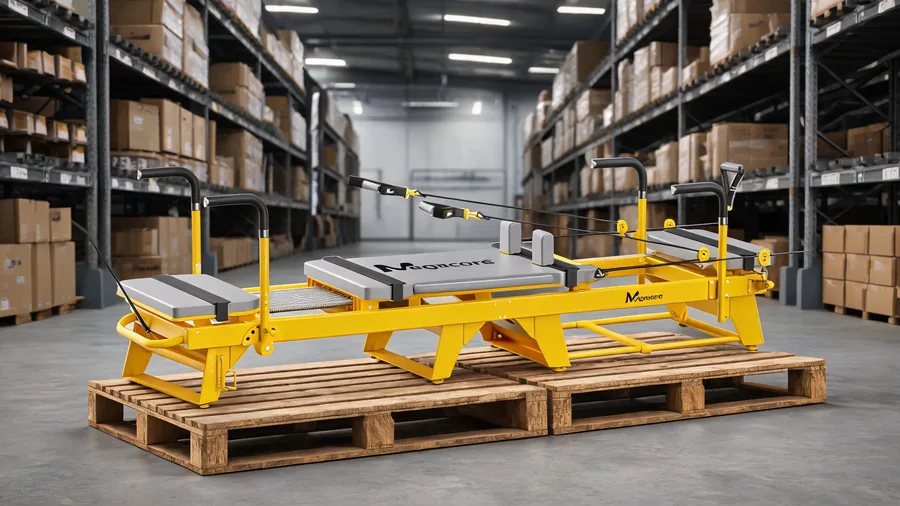
Właściciele studiów, influencery fitness i marki sprzętowe dodają reformery do swoich źródeł przychodu bez wynajmowania magazynu i zamrażania kapitału w zapasach. Program drop shippingu Pilates Reformerów to umożliwia: fabryka produkuje, branduje i wysyła każdy reformer bezpośrednio do Twojego klienta, a Ty odpowiadasz za sprzedaż, marketing i relację z klientem. Ten przewodnik wyjaśnia, jak działa model, co sprawdzić u partnera oraz jak wyceniać i sprzedawać brandowane reformery z zyskiem.
1. Czym jest drop shipping Pilates Reformerów?
Drop shipping to model realizacji zamówień, w którym producent magazynuje produkt, nanosi Twoje brandowanie i wysyła zamówienia bezpośrednio do Twojego klienta końcowego. Nigdy nie dotykasz zapasu. W przypadku reformerów — dużych, ciężkich maszyn, kosztownych w magazynowaniu i transporcie — eliminuje to dwie największe bariery sprzedaży sprzętu: powierzchnię magazynową i kapitał początkowy.
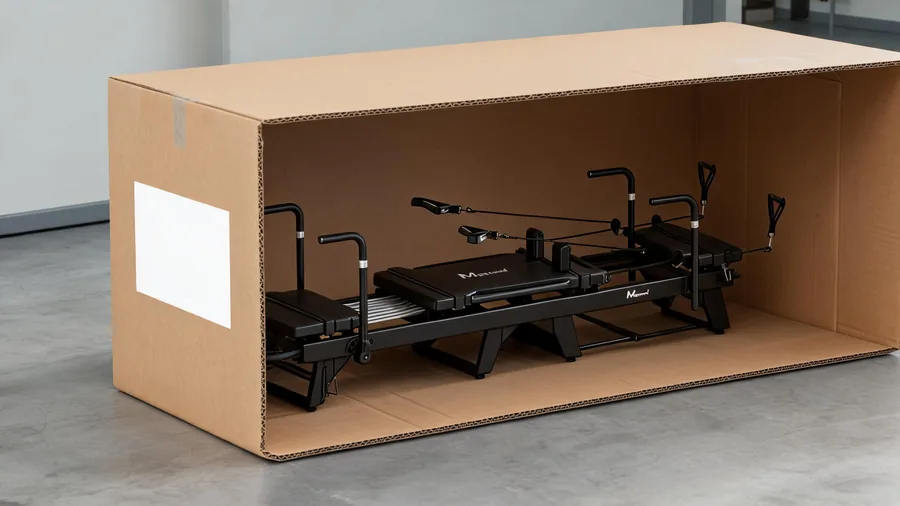
Model drop shippingu Pilates Reformerów różni się od dystrybucji hurtowej w jednym zasadniczym punkcie: kupujesz jedną sztukę na raz, na zamówienie klienta, zamiast zobowiązywać się do kontenera 50-100 maszyn. Ceną tego jest wyższy koszt jednostkowy niż w hurcie, równoważony zerowym ryzykiem zapasu i brakiem magazynu. Dla studia testującego kanał sprzętowy lub marki wprowadzającej linię reformerów drop shipping Pilates Reformerów jest wejściem o najniższym ryzyku.
2. Jak przebiega proces drop shippingu
Przebieg zamówienia w programie drop shippingu Pilates Reformerów jest zawsze taki sam, a każdy etap warto opisać w umowie z partnerem jeszcze przed pierwszym zamówieniem:
- Zamówienie klienta: klient składa zamówienie w Twoim sklepie internetowym.
- Przekazanie zamówienia: przekazujesz fabryce dane zamówienia i specyfikację brandowania.
- Produkcja: fabryka produkuje reformer z Twoim logo, wybranym kolorem i opakowaniem.
- Wysyłka bezpośrednia: maszyna jedzie z fabryki do Twojego klienta, z Twoim adresem zwrotnym i numerem śledzenia.
- Rozliczenie marży: zostawiasz sobie różnicę między ceną detaliczną a kosztem drop shippingu.
Większość producentów podaje 15-25 dni roboczych produkcji dla zamówienia z brandowaniem oraz czas transportu do miejsca docelowego. Pisemne potwierdzenie terminu chroni wrażenia klienta, bo reformer to zakup o wysokiej wartości, a kupujący oczekują daty dostawy, którą mogą zaplanować.
Ścieżka hurtowa wygrywa w ekonomii jednostkowej przy skali; drop shipping Pilates Reformerów wygrywa elastycznością, płynnością finansową i niższym ryzykiem.
3. Co sprawdzić u partnera drop shippingowego
Nie każdy producent reformerów prowadzi prawdziwy program drop shippingu Pilates Reformerów, a różnice między programami to dokładnie te miejsca, w których kryją się problemy. Przejdź te punkty przed podpisaniem czegokolwiek:
- Realna obsługa pojedynczych zamówień: potwierdź, że fabryka przyjmuje zamówienia na jedną sztukę, a nie tylko partie MOQ.
- Zakres brandowania: ustal dokładnie, które powierzchnie noszą Twoje logo — rama, platforma, opakowanie — i jakie opłaty za przygotowanie lub narzędzia obowiązują.
- Integracja śledzenia: zapytaj, czy numery śledzenia i powiadomienia o wysyłce trafiają bezpośrednio do klienta pod Twoją marką.
- Polityka zwrotów i uszkodzeń: uzyskaj pisemne warunki ubezpieczenia transportu i wymiany.
- Struktura gwarancji: wyjaśnij, kto obsługuje reklamacje — Ty, fabryka czy wspólny proces — i co obejmuje gwarancja.
- Dokumentacja jakości: poproś o certyfikat kontroli jakości i raport z badań (np. numer raportu GZHL2601000020601SP), które towarzyszą urządzeniom komercyjnym.
Komercyjne reformery sprzedawane w programie drop shippingu Pilates Reformerów powinny spełniać te same standardy wykonania co jednostki hurtowe: komercyjne ramy, uszczelnione łożyska i sprężyny o trwałości przewidzianej na 8-12 sesji dziennie. Certyfikat kontroli jakości dołączany do każdego reformera Megacore obowiązuje również przy zamówieniach drop shippingowych, więc Twoi klienci otrzymują udokumentowane zapewnienie jakości, a nie niesprawdzoną maszynę.
4. Wycena i marże przy drop shippingu reformerów
Wycena kanału drop shippingu Pilates Reformerów wymaga zrozumienia struktury kosztów. Ceny drop shippingowe są zwykle o 15-25% wyższe niż ceny hurtowe, co odzwierciedla obsługę pojedynczych zamówień i indywidualną wysyłkę. Ale ponieważ nie utrzymujesz zapasu, Twoja efektywna marża często wypada zdrowiej niż w operacji hurtowej z zalegającym towarem.
Dwie zasady cenowe utrzymują kanał drop shippingowy w dobrej formie. Po pierwsze, wyceniaj reformer jako sprzęt komercyjny premium, nigdy jako produkt z dolnej półki — wartość, którą sprzedajesz, to Twoja rekomendacja marki. Po drugie, zanim ustalisz cenę detaliczną, uwzględnij koszty płatności, ewentualną integrację finansowania i koszt pozyskania klienta.
5. Brandowanie programu drop shippingowego
Brandowanie to właśnie to, co odróżnia program drop shippingu Pilates Reformerów od zwykłej odsprzedaży. Klienci kupują reformer z Twoim nazwiskiem, bo ufają Twojej ocenie sprzętu. To zaufanie przenosi się tylko wtedy, gdy brandowanie jest wykonane porządnie.
Poważny partner oferuje nanoszenie logo na ramę i platformę, kolory tapicerki dopasowane do palety studia oraz brandowane opakowania. To usługi personalizacji z wycenionymi kosztami przygotowania i narzędzi — uwzględnij je, modelując ekonomikę. Niektóre fabryki oferują też produkcję white label bez żadnego brandingu producenta, co odpowiada markom chcącym mieć pełną kontrolę nad tożsamością produktu.
Poza samą maszyną program powinien obejmować brandowaną komunikację zamówień: e-maile ze śledzeniem, aktualizacje dostawy i dokumentację gwarancyjną z Twoją nazwą, a nie fabryki. Ta spójność sprawia, że reformer staje się naturalnym rozszerzeniem studia lub marki.
6. Marketing brandowanych reformerów wśród klientów
Największy popyt na brandowane reformery pochodzi od Twojej istniejącej bazy klientów. Osoby, które już ćwiczą w Twoim studiu, ufają Twoim wyborom sprzętowym — zaproponowanie im tego samego reformera do domu, z Twoją rekomendacją, jest naturalnym krokiem. Marketing kanału drop shippingu Pilates Reformerów polega więc mniej na pozyskiwaniu nowych osób, a bardziej na wykorzystaniu zaufania, które już zbudowałeś.
- Przedstaw reformer jako swój flagowy sprzęt, wybrany i przetestowany pod potrzeby klientów.
- Zaproponuj konfigurację dostępną wyłącznie w studiu — kolor lub pakiet unikalny dla Twojej marki.
- Pokaż reformer w akcji w studiu na wideo i w opiniach klientów.
- Połącz reformer z sesjami treningowymi online lub planem zajęć.
- Wprowadź finansowanie zewnętrzne, aby klienci mogli rozłożyć płatność na raty.
- Uruchom program poleceń dla klientów, którzy kupią.
Największą rolę odgrywa content marketing. Krótkie wideo z reformerem w użyciu, porównanie modeli domowych i studyjnych oraz szczere odpowiedzi o terminach wysyłki konwertują znacznie lepiej niż sama treść karty produktu. Ponieważ maszyna wysyłana jest bezpośrednio z fabryki, Twoim zadaniem jest, by ścieżka zakupowa była osobista od pierwszego zapytania po dostawę.
7. Koszty, terminy i logistyka do zaplanowania
Trzy realia operacyjne kształtują każdy program drop shippingu Pilates Reformerów: struktura kosztów, czas realizacji i ryzyko transportowe. Żadne z nich nie przekreśla projektu, ale wszystkie trzy zasługują na uwagę przed startem. Zaplanuj je wszystkie przed pierwszym zamówieniem.
Reformery z brandowaniem mają czas produkcji 15-25 dni roboczych, a całkowita dostawa zwykle wynosi 30-50 dni, zależnie od miejsca docelowego i metody wysyłki. Transport morski do Ameryki Północnej lub Europy trwa 25-40 dni; transport lotniczy skraca go do 7-10 dni wyższym kosztem. Komunikuj ten harmonogram jasno na karcie produktu — klienci akceptują dłuższe oczekiwanie na brandowany sprzęt komercyjny, gdy oczekiwania są ustawione z góry.
Ubezpieczenie transportu chroni obie strony. Reklamacje za uszkodzenia powinna obejmować polisa transportowa, a fabryka powinna szybko wysłać zastępstwo. Umowa powinna też określać zwroty z powodu zmiany zdania: wiele programów przyjmuje nieotwarte zwroty z opłatą za ponowne przyjęcie, natomiast używane reformery zwykle nie podlegają zwrotowi ze względów higienicznych i bezpieczeństwa.
8. Gwarancja i zapewnienie jakości
Obsługa gwarancji to najczęstsze źródło nieporozumień w programach drop shippingowych, więc określ ją wcześnie. Komercyjny reformer wysyłany w programie drop shippingu Pilates Reformerów powinien mieć taką samą 3-letnią gwarancję na ramę i maszynę jak jednostki hurtowe, a gwarancja powinna być realizowana pod Twoją marką, aby klient miał kontakt z jednym podmiotem.
Dokumentacja jakości liczy się równie mocno jak gwarancja. Megacore wysyła każdy komercyjny reformer z certyfikatem kontroli jakości i raportem z badań — dla przykładu raport numer GZHL2601000020601SP obejmuje serię komercyjną. Poproś partnera o równoważną dokumentację i opublikuj streszczenie na swojej stronie, aby klienci widzieli, że maszyna spełnia udokumentowane standardy, a nie obietnice marketingowe.
Prowadź prosty rejestr każdego zamówienia: start produkcji, odbiór kontroli jakości, data wysyłki i potwierdzenie dostawy. Ta dyscyplina chroni klientów, Twoją markę i pozycję gwarancyjną w razie sporu.
9. Jak zacząć w czterech krokach
Uruchomienie kanału drop shippingu Pilates Reformerów nie wymaga tygodni przygotowań. Praktyczna ścieżka wygląda tak:
- Określ pozycjonowanie marki i docelowy przedział cenowy reformera komercyjnego.
- Wybierz producentów z prawdziwym programem drop shippingowym i zweryfikowaną dokumentacją jakości.
- Zamów próbkę z Twoim brandowaniem, aby osobiście ocenić jakość wykonania, naniesienie logo i opakowanie.
- Wystartuj z prostym sklepem, jasną komunikacją terminów i ofertą poleceń dla obecnych klientów.
Większość partnerów może dostarczyć brandowaną próbkę w ciągu 4-6 tygodni od pierwszego kontaktu, co czyni drop shipping Pilates Reformerów jednym z najszybciej uruchamianych kanałów sprzętowych. Od tego momentu pierwsze zamówienie klienta jest zwykle kwestią dni, a nie miesięcy.
Najczęściej zadawane pytania
P1: Czy mogę umieścić własne logo na reformerze wysyłanym w drop shippingu?
Tak. Odpowiedni program drop shippingu Pilates Reformerów obejmuje nanoszenie logo na ramę i platformę, opcje kolorów tapicerki oraz brandowane opakowania. Usługi personalizacji wiążą się z kosztami przygotowania lub narzędzi, które należy wycenić z góry i wliczyć w model cenowy.
P2: Jak długo trwa dostawa?
Produkcja trwa 15-25 dni roboczych dla zamówień z brandowaniem. Całkowita dostawa wynosi zwykle 30-50 dni, zależnie od miejsca docelowego: 25-40 dni transportem morskim do USA lub Europy, 7-10 dni transportem lotniczym. Opublikuj ten harmonogram na karcie produktu, aby oczekiwania klientów były jasne przed zakupem.
P3: Co się dzieje, jeśli reformer dotrze uszkodzony?
Reklamacje za uszkodzenia obejmuje ubezpieczenie transportu. Po udokumentowaniu zgłoszenia fabryka szybko wysyła zastępstwo. Nieotwarte zwroty z powodu zmiany zdania są zwykle przyjmowane z opłatą za ponowne przyjęcie; używane reformery nie podlegają zwrotowi ze względów higienicznych i bezpieczeństwa.
P4: Czy klienci mogą finansować reformer z drop shippingu?
Tak. Wielu partnerów drop shippingowych integruje zewnętrzne opcje finansowania, takie jak Affirm, Klarna czy Shopify Payments. Warunki ustalasz po swojej stronie, a fabryka wysyła towar po rozliczeniu płatności.
P5: Czy muszę najpierw kupić próbkę?
Zdecydowanie zalecane. Zamów jedną brandowaną próbkę przed sprzedażą klientom. To weryfikuje jakość wykonania, naniesienie logo, opakowanie i wrażenia z rozpakowania — wszystko, po czym klienci będą Cię oceniać.
P6: Czy drop shipping jest opłacalny w porównaniu z hurtem?
Marża jednostkowa jest niższa niż w hurcie, ale nie ponosisz ryzyka zapasu ani kosztów magazynowania — dlatego wielu operatorów porównuje drop shipping Pilates Reformerów z utrzymywaniem towaru. Dla większości studiów efektywny zwrot z kapitału jest lepszy przy drop shippingu Pilates Reformerów, zwłaszcza w pierwszym roku.
Podsumowanie
Drop shipping Pilates Reformerów pozwala sprzedawać brandowane reformery komercyjne bez zapasu, magazynu i zobowiązania na cały kontener. Model pasuje do studiów rozszerzających sprzedaż sprzętu dla klientów, influencerów fitness wprowadzających własną linię produktów oraz marek wchodzących na rynek reformerów bez własnych mocy produkcyjnych.
Kluczem jest wybór partnera z prawdziwym programem pojedynczych zamówień, udokumentowanym zapewnieniem jakości i czystym wykonaniem brandowania — a następnie wycenienie reformera jako produktu komercyjnego premium, którym jest.
Porozmawiaj z Megacore o swoim programie drop shippingowym
Powiązane poradniki
- Program partnerski sprzedaży Pilates Reformerów
- Chińska fabryka Pilates a lokalny dostawca
- Poradnik: czyszczenie reformera pilates
- Komercyjne Pilates Reformery z Chin
Odniesienia branżowe: Standardy branżowe Pilates Method Alliance, Wytyczne FTC dotyczące wysyłkioraz Kontrola zakażeń środowiskowych CDC.
If you plan to hold no inventory, the wholesale reformer options include drop-ship compatible models.