
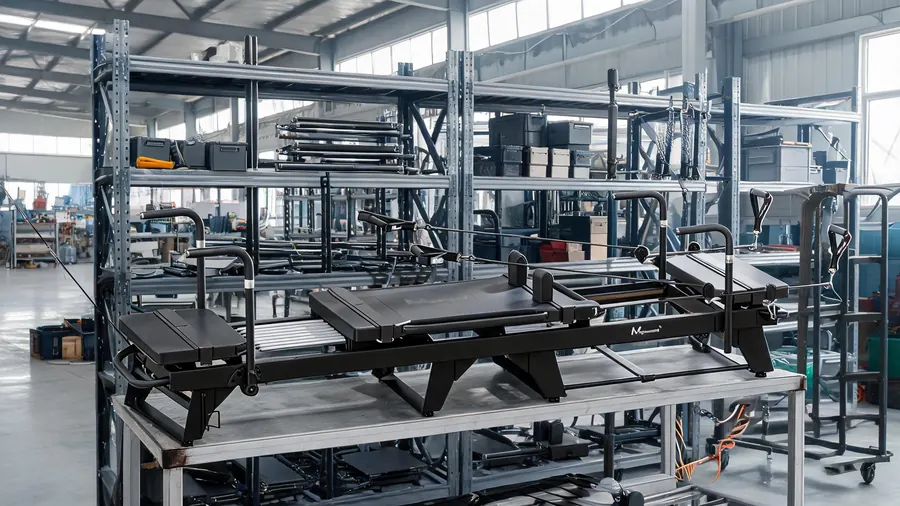
Cumpărarea de Pilates Reformer en gros direct de la o fabrică din China vă poate economisi 30–50% față de prețurile distribuitorilor. Dar procesul are capcane care le costă timp și bani pe proprietarii de studiouri. Pe baza anilor de experiență cu cumpărători en gros la prima achiziție, iată cele mai frecvente greșeli și cum să le evitați atunci când vă achiziționați echipamentul de la producători din străinătate.
1. Nu verificați capacitățile fabricii
Una dintre cele mai costisitoare greșeli în achiziția en gros de Pilates Reformer este să luați de bun ce spune producătorul, fără verificare. O fabrică poate susține că produce Reformere de calitate comercială, dar capacitățile reale s-ar putea să nu corespundă materialelor sale de marketing. Solicitați specificațiile produsului în scris, cereți rapoarte de testare independente și organizați o vizită la fabrică atunci când este posibil.
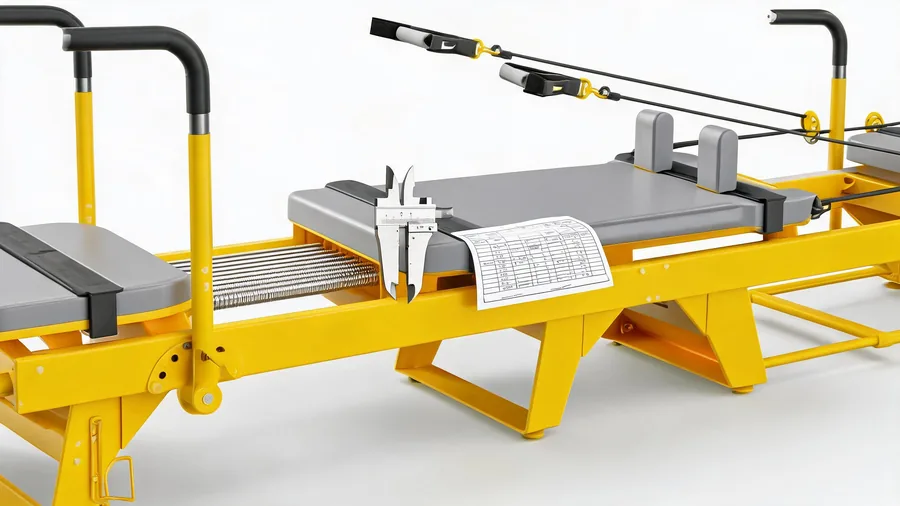
Dacă o vizită fizică nu este fezabilă, solicitați un apel video pentru a parcurge linia de producție. Un producător transparent vă va arăta cu plăcere facilitățile, iar transparența în verificarea fabricii este primul test al oricărei relații en gros de Pilates Reformer. Fiți atenți la fabricile care evită întrebările despre procesele de control al calității sau nu pot furniza documentație specifică despre procedurile de testare și standardele de aprovizionare cu materiale.
2. Ignorarea costului total livrat
Costul livrat depinde și de metoda de transport. Transportul maritim este standardul pentru Pilates Reformer en gros, deoarece Reformerele sunt grele și voluminoase; un container de 20 de picioare ține aproximativ 40–60 de Reformere, în funcție de livrarea asamblată sau demontată. Transportul aerian este rareori economic pentru comenzi mari și ar trebui luat în calcul doar pentru unități mostră urgente. Întrebați producătorul ce configurație de ambalare recomandă pentru dimensiunea comenzii, deoarece Reformerele demontate reduc volumul de transport cu până la o treime.
Taxele vamale de import variază în funcție de țara de destinație, așa că verificați clasificarea tarifară locală înainte de a compara ofertele. Unele țări aplică taxe antidumping echipamentelor de fitness din anumite regiuni, ceea ce poate adăuga 10–25% peste prețul unitar. Un producător care a livrat deja în țara dvs. poate furniza de obicei codul HS corect și o estimare realistă a taxelor vamale.
Prețul unitar cotat este doar o parte a ecuației atunci când evaluați o afacere en gros de Pilates Reformer. Costul total livrat include prețul unitar, taxele de transport maritim sau aerian, asigurarea, taxele vamale de import, comisioanele brokerilor vamali și transportul intern de la port la studioul dvs. Mulți cumpărători la prima achiziție se concentrează doar pe prețul fabricii și sunt surprinși de costurile suplimentare care apar după ce transportul pleacă din China.
Solicitați producătorului o defalcare completă a costurilor, inclusiv toate taxele de transport și de documentare. Obțineți oferte de la case de expediții înainte de a vă angaja într-o achiziție. Includeți 10–20% costuri suplimentare peste prețul unitar pentru transport, taxe vamale și manipulare, ca să vă planificați corect comanda en gros și investiția în echipament.
3. Alegerea unui furnizor en gros de Pilates Reformer doar după preț
Cel mai mic preț în comerțul en gros cu Pilates Reformer este rareori cea mai bună valoare. Producătorii care oferă prețuri semnificativ mai mici reduc de obicei costurile undeva — țeavă de oțel mai subțire, rulmenți de calitate inferioară, arcuri standard în locul unor arcuri cu tensiune personalizată, evaluate pentru uz comercial. Aceste compromisuri pot să nu fie vizibile în fotografiile produsului, dar devin evidente în câteva luni de utilizare zilnică în studioul dvs.
Un producător din gama medie, cu procese documentate de control al calității, specificații de nivel comercial și o garanție rezonabilă, oferă adesea o valoare mai bună pe termen lung decât opțiunea cea mai ieftină. Cei câteva sute de dolari economisiți pe unitate la achiziția inițială se pot pierde de multe ori dacă echipamentul cedează prematur sau necesită reparații frecvente în primii ani de utilizare.
When comparing pilates reformer wholesale quotes, score each supplier on documented quality control, steel thickness, spring specifications, warranty, and spare parts availability — not just the unit price. A supplier that scores well on those factors will almost always cost less over the equipment’s service life. Ask for the steel grade and thickness in writing, the spring wire diameter, and the bearing specification. These three numbers tell you more about build quality than any brochure, and they are the same details a pilates reformer wholesale buyer should verify on every quote before comparing prices.
4. Nu comandați mai întâi o mostră
Folosiți perioada de testare pentru a face aceleași verificări pe care le vor face clienții dvs.: alunecarea căruciorului la toate setările arcurilor, blocarea barei de picioare în fiecare poziție, lungimea chingilor și calitatea frânghiilor, precum și nivelul de zgomot în timpul unui antrenament complet. Filmați testele și împărtășiți-le echipei de instructori, pentru că cei care predau pe echipament vor observa lucruri pe care dvs. nu le observați. Țineți unitatea mostră în uz zilnic cel puțin două săptămâni înainte de a decide, deoarece unele probleme apar doar după sesiuni repetate.
Angajarea pentru un container întreg de Reformere fără testarea unei unități este un regret frecvent în comerțul en gros cu Pilates Reformer. Chiar și cu specificații detaliate și fotografii din fabrică, contează senzația reală a Reformerului. Finețea căruciorului, consistența tensiunii arcurilor, stabilitatea cadrului și calitatea tapițeriei se evaluează cel mai bine în persoană, nu doar prin specificații.
Order 1 to 3 sample units first. The sample cost is typically deductible from your first volume order if you proceed. Use the sample period to test the equipment with your instructors, clients, and maintenance team. Their feedback on the equipment’s performance and usability can help you make adjustments before committing to a larger purchase order.
5. Neglijarea garanției
A written warranty matters more than a verbal promise. Confirm what the warranty covers in writing: frame, springs, ropes, upholstery, bearings, and labor. Check how claims are handled for international buyers — whether the manufacturer covers return shipping, replaces parts directly, or requires the unit to be shipped back. The quality inspection certificate GZHL2601000020601SP documents the testing behind Megacore’s warranty, so buyers can verify the process rather than take the claim on trust.
Warranty terms vary significantly among pilates reformer wholesale suppliers, so read the warranty clause before signing rather than after a failure. A manufacturer offering only 6 to 12 months of warranty on commercial equipment may not be confident in their product’s longevity. Quality commercial-grade manufacturers offer a minimum of 3 years on the frame and 1 year on wear items that require periodic replacement during the equipment’s service life.
Întrebați despre disponibilitatea pieselor de schimb înainte de comandă. Chiar și cel mai bun echipament are nevoie de piese de schimb în timp, în special arcuri, frânghii și tapițerie. Confirmați că producătorul ține piese de schimb pentru modelele sale și le poate livra prompt atunci când este nevoie, pentru a minimiza timpii de nefuncționare care afectează orarul cursurilor și operațiunile zilnice ale studioului.
6. Neînțelegerea termenelor de livrare
Solicitați un program de producție în scris: sosirea materialelor, sudură, vopsire, asamblare, controlul calității și datele de ambalare. Un furnizor care poate garanta date concrete pentru fiecare etapă are un control real al producției; unul care oferă doar o fereastră vagă de livrare este mai greu de folosit ca bază de planificare. Cereți fotografii la fiecare etapă de producție, în special la punctul de control al calității dinaintea ambalării, ca să puteți urmări progresul fără a vizita fabrica.
Producția plus transportul pentru o comandă en gros de Pilates Reformer durează de obicei 6–10 săptămâni în total, iar acest interval este același indiferent dacă comandați un container sau cinci. Cumpărătorii la prima achiziție subestimează adesea acest termen și ajung să aștepte mai mult decât se așteptau, cu un studio plin de clienți nerăbdători și fără echipament pentru cursuri. Planificați din timp și plasați comanda cu cel puțin 3 luni înainte de data de deschidere dorită, pentru a acoperi întârzierile neprevăzute.
Includeți timp tampon în planificare. Întârzierile pot apărea în orice etapă — disponibilitatea materiilor prime, capacitatea de producție, congestia portuară, vămuirea sau transportul intern. Un producător care comunică proactiv despre modificările termenelor este valoros. Întrebați despre rata lor tipică de livrare la timp și despre modul în care gestionează întârzierile apărute în producție sau în transport.
7. Vizitele la fabrică
Dacă o vizită fizică este imposibilă, cereți un tur video live al halei de producție, nu un video înregistrat anterior. Un tur live arată condițiile reale de lucru, comenzile în curs și zona reală de control al calității. Cereți să vedeți unde este depozitat oțelul, cum sunt inspectate sudurile și unde așteaptă Reformerele finite ambalarea. O fabrică care ezită la un tur live ascunde de obicei ceva.
Dacă vizitați un potențial furnizor en gros de Pilates Reformer, priviți dincolo de showroom. Un showroom impecabil nu garantează calitatea fabricii. Cereți să vedeți hala reală de producție — posturile de sudură, linia de asamblare, zona de control al calității și depozitul de materiale. Verificați fluxul de lucru organizat, echipamentul de protecție adecvat și punctele de control documentate de-a lungul procesului de producție.
Cunoașteți echipa de control al calității și întrebați despre procedurile lor de testare. O fabrică cu personal dedicat de control al calității și procese de inspecție documentate are mai multe șanse să livreze o calitate constantă pentru comanda dvs. Întrebați câte unități produc lunar, de cât timp produc specific echipamente Pilates și solicitați referințe de la studiouri similare cu al dvs.
Întrebări frecvente
Î: Care este cea mai mare greșeală pe care o fac cumpărătorii en gros la prima achiziție?
R: Să nu verifice capacitățile fabricii înainte de comandă. Solicitați întotdeauna specificații în scris, rapoarte de testare independente și organizați o vizită la fabrică sau un apel video pentru a confirma că producătorul poate livra constant calitate de nivel comercial.
Î: Cu cât ar trebui să planific mai mult peste prețul unitar?
R: Planificați 10–20% suplimentar pentru transport, taxe vamale de import, brokeraj vamal și transport intern. Calculați întotdeauna costul total livrat înainte de a compara ofertele diferiților producători.
Î: Ar trebui să cumpăr întotdeauna de la producătorul cu cel mai mic preț?
R: Nu. Opțiunea cea mai ieftină compromite adesea calitatea materialelor, specificațiile arcurilor sau controlul calității. Producătorii din gama medie, cu procese documentate, oferă de obicei o valoare mai bună pe termen lung pentru uzul comercial în studio.
Î: Câte unități mostră ar trebui să comand?
R: Comandați 1–3 unități pentru a le testa cu echipa dvs. Majoritatea producătorilor scad costul mostrei din prima comandă voluminoasă. Folosiți perioada de testare pentru a evalua performanța înainte de a vă angaja la un transport cu container complet.
Î: Ce garanție ar trebui să aștept de la un furnizor en gros?
R: Minimum 3 ani garanție pentru cadrul de oțel și 1 an pentru piesele de uzură, cum ar fi arcurile și tapițeria. Perioadele de garanție mai scurte pot indica o încredere mai mică a producătorului în calitatea produsului.
Î: Cu cât timp înainte ar trebui să plasez comanda en gros?
R: Cu cel puțin 3 luni înainte de data de deschidere dorită. Producția durează 2–6 săptămâni, iar transportul 2–6 săptămâni, în funcție de metoda de transport și de destinația aleasă pentru comandă.
Aceste șase întrebări acoperă esențialul, dar fiecare afacere en gros de Pilates Reformer are propriile detalii. Întocmiți-vă propria listă de verificare înainte de a contacta furnizorii — specificații, documentație de control al calității, garanție, piese de schimb, termene — și nu lăsați niciun singur factor să le anuleze pe celelalte.
Încă un obicei îi deosebește pe cumpărătorii en gros de succes de ceilalți: comunicarea scrisă. Confirmați în scris fiecare acord — preț, date de livrare, condiții de garanție, piese de schimb și documentație de control al calității — înainte de plată. Firele de e-mail protejează ambele părți și fac întreaga tranzacție en gros de Pilates Reformer mai fluidă atunci când apar întrebări mai târziu.
Concluzie
Pilates reformer wholesale purchasing rewards preparation. Verify the factory, calculate total landed cost, sample before committing, confirm the warranty, plan the timeline, and visit or video-audit the production floor. Every step protects the investment behind your studio’s equipment.
Megacore’s factory in Guangzhou welcomes wholesale buyers for factory tours, sample orders, and documented quality testing. Every unit ships with the quality inspection certificate GZHL2601000020601SP and a 3-year warranty covering frame and machine.
Ghiduri conexe
- Pilates Reformer en gros: prețuri și comenzi
- Cum să achiziționați Reformere comerciale din China
- Ghid de achiziții: selecția fabricii și calitatea
- Fabrica din China versus furnizorul local
- Ghid de control al calității pentru Pilates Reformer
Standardele din industrie pentru calitatea echipamentelor sunt disponibile de la Pilates Method Alliance. Pentru îndrumări privind conformitatea la import, consultați resursele comerciale ale U.S. Customs and Border Protection.