

Dve ponudbi za komercialni pilates reformer lahko prispevata v isti nabiralnik še isti dan. Ena pravi 800 $, druga 3.000 $. Ista kategorija, iste fotografije izdelka, enake trditve o „neposredni prodaji iz tovarne“ — kaj torej v resnici pomeni razlika med ceno in kakovostjo pilates reformerja? Iskren odgovor: približno dva tisoč dolarjev skozi življenjsko dobo naprave, ker bo poceni reformer treba kupiti dvakrat.
Če že nabavljate na Kitajskem, verjetno veste, od kod prihajajo ponudbe za 800 $. Shandong je največje proizvodno središče fitnes opreme na Kitajskem in večina izjemno poceni reformerjev s tržnic je izdelanih tam. To ni napad na provinco — to je geografija. Pomembno je, kaj je z naprave odstranjeno, da je dosežena ta cena, in prav to obravnava ta vodnik.
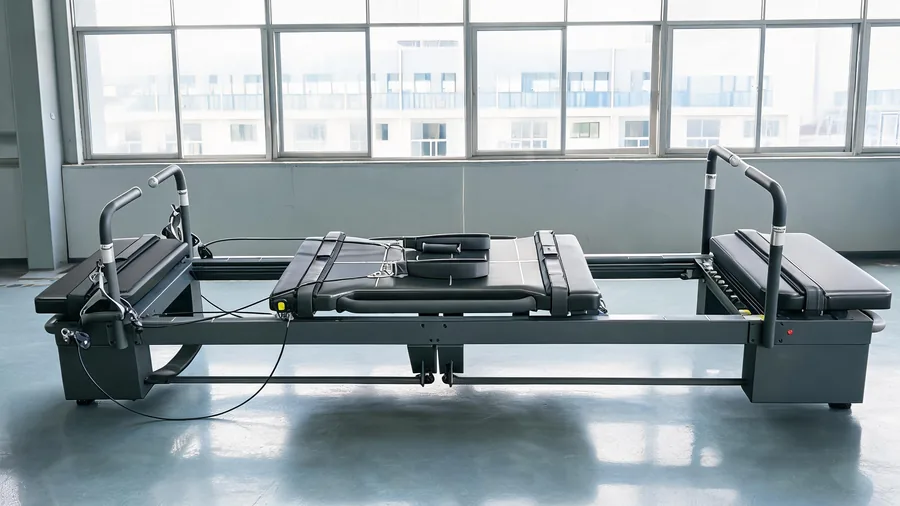
Ta vodnik razčlenjuje, kam gre denar pri reformerju za 800 $ v primerjavi s tistim za 3.000 $ — jeklo, vzmeti, premaz, pena, testiranje in garancija — na koncu pa prinaša še resnične odzive strank. Napisan je za lastnike studiev, upravljavce telovadnic in preprodajalce, ki prav zdaj primerjajo ponudbe in ne želijo več ugibati. Če ste sredi primerjave cene in kakovosti pilates reformerja in vam dobavitelj zatrjuje „enaka kakovost, polovična cena“, preberite to, preden nakažete avans.
1. Zakaj se ponudbe za pilates reformer gibljejo med 800 $ in 3.000 $?
Vsak reformer je kopica materialov, dela, testiranja in obljub. Razlika med poceni napravo in napravo komercialnega razreda ni v „marži“ — temveč v tem, kaj posamezni proizvajalec vloži v te štiri kategorije. Ponudba za 800 $ običajno pomeni, da je bilo vsaj eno od tega zmanjšano: tanjše jeklo, cenejše vzmeti, tanjša plast barve, pena, ki propade v nekaj mesecih, brez testiranja vsake enote in garancija, ki velja le do trenutka, ko jo potrebujete.
Ko primerjate ceno in kakovost pilates reformerja, koristnejše vprašanje ni „zakaj je drag?“ ampak „kaj je bilo odstranjeno, da je poceni?“ Spodnji razdelki natančno kažejo, kam pogledati, primerjalna tabela pa vam ponuja enostranski kontrolni seznam, ki ga lahko držite ob katerih koli dveh ponudbah. Pustite ga odprtega med pogovorom z dobavitelji — namesto vas bo opravil pogajanja.
2. Jeklo in ogrodje: kje se kakovost skriva na očeh
Debeline stene na fotografiji izdelka ne morete videti, zato je prav tam prvo mesto, kjer poceni proizvajalec prihrani. Ogrodje nosi več kot 100 kg gibajoče se obremenitve na vsaki vadbi, stokrat na dan. Ogrodje iz tankostenske cevi se upogiba, upogibanje pa lomi zvare — običajno v 14. mesecu, tik po izteku garancije.
Pri primerjavi cene in kakovosti pilates reformerja zahtevajte pisno navedbo vrste jekla in debeline stene. Komercialni reformerji Megacore uporabljajo cevi komercialnega razreda z ojačanimi spoji na vodilu vozička in nosilcu vzmeti, kjer se obremenitev koncentrira. Tovarna, ki je ponosna na svoje jeklo, bo številke zapisala v ponudbo. Tista, ki ni, vam bo rekla „brez skrbi, močno je“. Lahko prosite tudi za video ogled proizvodne linije za varjenje — pravi proizvajalci pokažejo proizvodnjo, preprodajalci pa razstavne salone. Ta ena navada razreši več dvomov o razmerju med ceno in kakovostjo pilates reformerja kot kateri koli podatkovni list.
Zvari so enako pomembni kot jeklo. Iščite neprekinjene, brušene zvare na obremenjenih mestih. Ogrodja s točkovnimi zvari na fotografijah izgledajo v redu, v drugem letu pa odpovejo. To je petminutni pregled, ki loči prave proizvajalce od sestavljalcev.
3. Vzmeti in ležaji: varnostno najpomembnejša razlika
Vzmeti so edini del reformerja, ki shranjuje energijo. Počena vzmet pod obremenitvijo ni zgolj nevšečnost — je odgovornost studia in tveganje za poškodbo stranke. To je najpomembnejše področje vsake primerjave cene in kakovosti pilates reformerja. Kompleti vzmeti so tudi eden najdražjih nadomestnih delov, kar jih boste kdaj kupili, zato je kakovost vzmeti v ponudbi pomembnejša od barve ogrodja, ki jo izbirate.
Poceni naprave uporabljajo vzmeti, ocenjene na nekaj sto tisoč ciklov, z velikimi odstopanji napetosti med vzmetmi v istem kompletu. To opazite kot „ta reformer se obnaša drugače od tistega“ — in opazijo tudi vaše stranke, ki o tem govorijo. Komercialne naprave uporabljajo na utrujenost testirane vzmeti z usklajeno napetostjo, tako da se vsi reformerji v studiu obnašajo enako.
Ležaji in valji so drugi varnostni element. Zatesnjeni ležaji brez vzdrževanja zdržijo leta vsakodnevnih vadb. Odprti ležaji nabirajo prah, v šestem mesecu začnejo škripati in neenakomerno obrabijo vodilo vozička. Ko primerjate ponudbe, vprašajte, kakšna vrsta ležajev je v vozičku — odgovor v dveh besedah vam pove več kot katera koli marketinška stran.
4. Prašno barvanje in površinska obdelava: preizkus petih let
Reformer v studiu je stalno v stiku z rokami, udarci, čiščenjem z razkužili in vlago. Površina je prva stvar, ki jo stranke opazijo, in prva, ki pri poceni napravi odpove. Poceni reformerji imajo pogosto tanko enoslojno prevleko, ki se pri dotiku odlušči in pod barvo spusti rjo.
Komercialna obdelava poteka v več fazah: predpriprava, temeljni premaz, prašno barvanje in sušenje v peči. Ogrodja Megacore prestanejo testiranje s solno meglico in test oprijema, zato površina prenese leta vsakodnevnega razkuževanja. Pri primerjavi cene in kakovosti pilates reformerja je zarjavelo ogrodje v drugem letu naprava za 800 $, ki je zdaj videti kot tista za 200 $ — in brez preostale vrednosti. Studii, ki rabljene reformerje prodajo ob nadgradnji, to dobro vedo: rabljen reformer s čistim ogrodjem obdrži 40–60 % vrednosti, zarjavel pa je strošek odvoza.
5. Pena in prevleke: kaj stranke občutijo na vsaki vadbi
Vaše stranke 50 minut preživijo ob dotiku blazine vozička, ramenskih blokov in naslona za glavo. Pena nizke gostote se v nekaj mesecih trajno stisne — stranke skozi blazino začutijo vodilo in se pritožijo. Tudi prevleka je pri poceni napravah tanjša, zato se raztegne, zmečka in pretrga pri vsakodnevni uporabi.
Komercialni reformerji uporabljajo peno visoke gostote, ki leta ohrani obliko, in prevleko, odporno na obrabo, ki zdrži brisanje z razkužili brez razpok. Prav ta del enačbe med ceno in kakovostjo pilates reformerja odloča, ali bodo stranke vaš studio opisale kot „luksuzen“ ali „nekoliko obrabljen“. Lastniki studiev, ki so poceni blazine zamenjali že dvakrat, točno vedo, o čem govori ta odstavek. Vsakega dobavitelja vprašajte, za koliko vadb je ocenjena njegova blazina — če odgovor spremlja skomig z rameni, predpostavite, da boste blazino zamenjali prvo.
6. Tovarniško testiranje: vsaka enota ali naključni vzorec
Najbolj razkrivalno vprašanje, ki ga lahko postavite tovarni: „Ali se vsaka naprava testira pred pakiranjem ali le vzorec?“ Odgovor razkrije celotno kulturo kakovosti. Naključno vzorčenje prihrani denar in ustvari klasičen vzorec napak — ena slaba enota v seriji, ki jo odkrije nesrečni kupec, ki jo prejme.
Megacore testira vsak reformer pred pakiranjem: preverjanje napetosti vzmeti, glajenja vozička, poravnave ogrodja in zategnjenosti vijakov. Naše potrdilo o pregledu kakovosti (poročilo GZHL2601000020601SP) dokumentira postopek. Ko stranke primerjajo ceno in kakovost pilates reformerja med dobavitelji, je testiranje vsake enote razlika med „neposredno iz tovarne“ kot marketinško frazo in kot resničnim postopkom.
7. Garancija in poprodajna podpora: kaj pomeni 3-letna obljuba
Pogoje garancije preberite pred primerjavo cen, ne po njej. 12-mesečna garancija za napravo, ki naj bi obratovala 12 vadb na dan, je izjava: proizvajalec ne pričakuje, da bo zdržala. 3-letna garancija na ogrodje in napravo je izjava nasprotnega — tovarna stavi svoj denar na to, da bo naprava zdržala.

Megacore ponuja 3-letno garancijo na ogrodje in napravo, podprto s strani tovarne in neposredno poprodajno podporo. Svojega poceni dobavitelja vprašajte isto: „Kdo odgovori, ko se v 20. mesecu kaj pokvari?“ Če je odgovor okno za klepet na tržnici, je to vaš odgovor o razmerju med ceno in kakovostjo. Preberite tudi izključitve: nekatere „3-letne garancije“ krijejo le ogrodje, ne pa vzmeti ali vozička — delov, ki se dejansko obrabijo. Garancija, ki poimenuje dele, ki jih krije, je vredna desetih, ki jih ne.
8. Resnične zgodbe strank: kdaj nizka cena stane več
Statistika je koristna; dokazila so boljša. Lastnica studia nas je kontaktirala, potem ko je pri prodajalcu s tržnice s sedežem v Shandongu kupila poceni napravo. Prodajalec je obljubil logotip po meri, nato pa po plačilu avansa to zavrnil. Sama naprava, kot smo opozorili že med pogovorom, ob dostavi ni bila uporabna, prodajalec pa je stranki rekel „srečno pri vračilu denarja“ — ker tudi tržnica ni bila na njeni strani.
Pojavila se je tudi težava s patentom. Stranki so prodali napravo, ki je tesno posnemala patentirani dizajn, z nasvetom, naj jo „preprosto uporablja in ne oglašuje blagovne znamke“. Ta nasvet ščiti prodajalca, ne lastnice studia. Studio, ki uporablja posnemano opremo, je pravno izpostavljen v trenutku, ko se prvotna znamka odloči uveljaviti svoje pravice — povsem druga vrsta stroška, ki se nikoli ne pojavi v ponudbi.
Avans je bil izgubljen. Naprava neuporabna. Prodajalec je izginil v spor o vračilu. In potem je ista stranka našla proizvajalca, ki testira vsako enoto, spoštuje 3-letno garancijo in mu ni treba posnemati nikogar. Njene besede, objavljene z dovoljenjem: „Resnično sem navdušena nad napravami in vsi pravijo, da so odlične kakovosti.“
To je prava matematika med ceno in kakovostjo pilates reformerja: naprava za 800 $, ki je ni mogoče uporabljati, vrniti ali zakonito upravljati, ni 800 $ — je 800 $ plus strošek naprave, ki jo morate še vedno kupiti, plus spor zaradi vračila, plus tveganje patentnega zahtevka. Naprava za 3.000 $ je bila vseskozi cenejši nakup. Enako izračunajte za svojo ponudbo, preden podpišete: nabavni ceni prištejte strošek zamenjave vzmeti, blazin in morebitne odpovedi površine, nato delite s pričakovano dobo uporabe. Ta številka — ne cena na nalepki — je tisto, kar mora zajeti primerjava cene in kakovosti pilates reformerja.
Pogosto zastavljena vprašanja
V: Ali so reformerji iz Shandonga vedno slabe kakovosti?
O: Ne — a preverjati morate bolj temeljito. Shandong je največje proizvodno središče fitnes opreme na Kitajskem in cenovna konkurenca je tam huda, zato poceni ponudbe običajno pomenijo tanjše jeklo, vzmeti z manj cikli ali manj testiranja. Od vsakega dobavitelja iz Shandonga pred primerjavo cene in kakovosti zahtevajte pisne podatke o vrsti jekla, oceni ciklov vzmeti, zapisih o testiranju vsake enote in garancijskih pogojih.
V: Kako naj primerjam ceno in kakovost pilates reformerja med dvema tovarnama?
O: Obe vprašajte istih pet vprašanj: vrsta jekla in debelina stene, ocena ciklov vzmeti, vrsta ležajev, ali se vsaka enota testira pred odpremo in natančni garancijski pogoji. Nato primerjajte odgovore, ne fotografij.
V: Zakaj se nekateri reformerji obnašajo drugače, čeprav je cena podobna?
O: Običajni razlog so odstopanja napetosti vzmeti. Poceni naprave uporabljajo vzmeti s široko toleranco, zato se vsak reformer obnaša nekoliko drugače. Komercialne naprave uporabljajo usklajene komplete vzmeti, tako da se vsi reformerji v studiu obnašajo enako.
V: Je 12-mesečna garancija običajna za komercialne reformerje?
O: Pri poceni napravah je pogosta — in je signal. Naprava, ki vsak dan izvaja vadbe 12 mesecev brez kritja, je tvegan nakup. Tovarniško podprte 3-letne garancije na ogrodje in napravo odražajo zaupanje v izdelavo.
V: Kakšno je patentno tveganje pri posnemalnih pilates napravah?
O: Resnično. Naprave, ki tesno posnemajo patentirane dizajne, izpostavijo lastnika studia — ne prodajalca — pravnemu postopku. Strankam svetujemo, naj se posnemani opremi popolnoma izognejo, ne glede na ceno.
V: Ali lahko obiščem tovarno pred naročilom?
O: Da. Megacore vabi kupce v svojo tovarno v Guangdongu na Kitajskem, da si od blizu ogledajo proizvodno linijo, postopek testiranja in kakovost jekla. Ogled postopka je najhitrejši način, da razrešite vsak dvom o razmerju med ceno in kakovostjo pilates reformerja.
Zaključek
Razlika med ceno in kakovostjo pilates reformerja ni skrivnost, ko enkrat veste, kam gre denar: jeklo, vzmeti, premaz, pena, testiranje in garancija. Ponudba za 800 $ trgovske družbe iz Shandonga in ponudba za 3.000 $ tovarne, ki testira vsako enoto, sta lahko na fotografiji enaki, v studiu pa povsem različni napravi. Postavite prava vprašanja, preberite garancijo in zgodbe strank jemljite kot dokaz, kakršen so.
Pripravljeni na primerjavo specifikacij namesto fotografij? Pridobite podrobno ponudbo pri Megacore
Za neodvisne informacije o varnosti opreme in delovanju studia glejte PMA standarde poučevanja in OSHA smernice za varnost pri delu.
Sorodni vodniki
- Stroški komercialnega pilates reformerja: celoten pregled cen
- Kakovostni nadzor Pilates reformerja: vodič po tovarniškem pregledu
- Rdeče zastavice pri dobaviteljih pilates reformerjev
- 7 pogostih napak pri veleprodajnem nakupu reformerjev na Kitajskem
- Megacore C26 proti K20: kateri reformer ustreza vašemu studiu?
Price tiers map to duty cycle. The commercial Pilates reformer range is the tier built for 10 or more classes a day.