
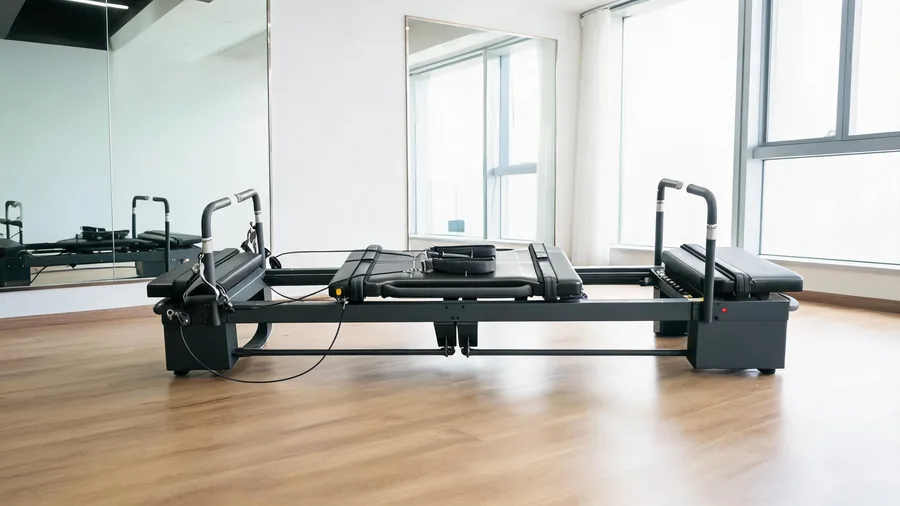
Vrvi in trakovi za Pilates reformer so ključne kontaktne točke med uporabnikom in sistemom upora. Prenesejo silo iz uporabnikovih rok ali stopal prek sistema škripcev na vzmeti vozička. Stanje vaših vrvi in trakov za Pilates reformer neposredno vpliva na kakovost vadbe, varnost strank in celotno izkušnjo v studiu. Izrabljene ali poškodovane vrvi ustvarjajo neenakomeren upor, prinašajo varnostna tveganja in zmanjšujejo profesionalni videz vaše opreme.
Ta vodnik zajema materiale, ki se uporabljajo v vrvi in trakov za Pilates reformer, kako oceniti njihovo stanje, kdaj jih zamenjati in kako pridobiti kakovostne nadomestne dele za komercialno studijsko okolje. Ne glede na to, ali vzdržujete studio z 10 reformerji ali vodite verigo s 100 napravami, je poznavanje vzdrževanja vrvi in trakov ključnega pomena za dolgo življenjsko dobo opreme in zadovoljstvo strank.
1. Materiali, uporabljeni v vrveh in trakovih za Pilates reformer
Materiali, uporabljeni v vrvi in trakov za Pilates reformer se znatno razlikujejo med komercialno in stanovanjsko opremo. Komercialni reformerji običajno uporabljajo trakove iz poliestra ali najlona z visoko trdnostjo in pretržno trdnostjo od 1.500 do 3.000 funtov. Ti materiali se bolje upirajo obrabi, UV-degradaciji in čistilnim sredstvom kot slabše kakovosti. Trak je običajno širok 1,5 do 2 palca z ojačenim robnim šivom, ki preprečuje cepljenje na točkah napetosti, kjer se med uporabo prenaša največja sila.
Vrhunski komercialni trakovi imajo dvojno šivanje ali ojačitev z bartack na vseh točkah napetosti – zlasti tam, kjer trak poteka skozi zaponke, se pritrdi na vponke ali ovije okoli priključkov škripcev. Šivanje naj uporablja poliestrsko nit, odporno na UV, namesto običajne bombažne niti, ki v studijskem okolju z naravno svetlobo in rednim čiščenjem z razkužili propade v nekaj mesecih.
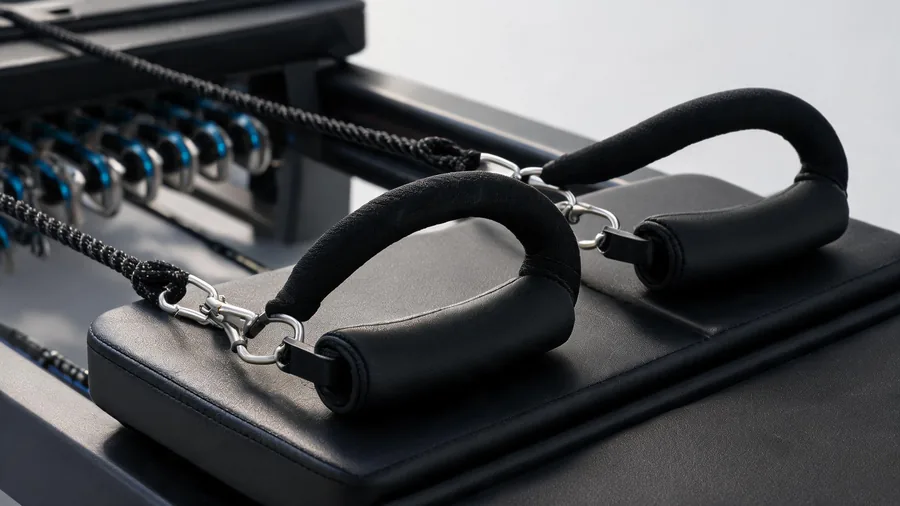
Vrvi, ki se uporabljajo v sistemih reformerjev, so običajno iz pletenega poliestra ali najlona s premerom od 6 do 10 milimetrov. Pletene vrvi nudijo boljši oprijem in večjo prožnost kot sučene vrvi, ki se sčasoma lahko razpletejo in ustvarijo neenakomerno debelino, kar vpliva na potek vrvi skozi sistem škripcev. Kakovostne komercialne vrvi imajo zgradbo z jedrom in ovojem, kjer notranje jedro nosi breme, zunanji ovoj pa ščiti pred obrabo na stičnih točkah s škripci.
2. Znaki, da vaše vrvi in trakovi vrveh in trakovih za Pilates reformer potrebujejo zamenjavo
Redni pregled vrvi in trakov za Pilates reformer je bistven za ohranjanje varnosti in delovanja opreme. V komercialnem studijskem okolju, kjer je oprema v uporabi 10 do 20 ur na dan, pregledujte vse trakove in vrvi vsaj enkrat tedensko. Vsakodnevni vizualni pregledi inštruktorjev med pripravo ure lahko odkrijejo nastajajoče težave, preden postanejo varnostna tveganja, ki bi lahko povzročila poškodbe ali nepričakovano prekinila ure.
Cefranje in ohlapne niti – Najbolj očiten znak obrabe je cefranje na robovih trakov ali koncih vrvi. Manjše cefranje lahko spremljate, a ko se niti začnejo ločevati od glavne strukture traku, je pretržna trdnost traku ogrožena in zamenjava je potrebna takoj, da ohranite varnostne standarde v svojem studiu.
Razbarvanje in otrdelost – Trakovi, izpostavljeni znoju, čistilnim sredstvom in UV-svetlobi, se sčasoma razbarvajo in otrdijo. Trdi trakovi se ne premikajo gladko skozi škripce, kar med vajami ustvarja neenakomeren upor. Če je trak grob na otip ali ima skorjasto teksturo zaradi kopičenja kemikalij, bo zamenjava obnovila gladko delovanje sistema škripcev in izboljšala izkušnjo strank pri vseh vajah.
Stanjšanje ali obrabljena mesta – Na mestih, kjer trakovi stalno pridejo v stik s kolesi škripcev ali potekajo skozi nastavitvene zaponke, se sčasoma pojavi stanjšanje. Na teh stičnih točkah stisnite trak med prsti in primerjajte debelino z novim trakom – če je obrabljeno območje opazno tanjše, je nosilnost traku zmanjšana in zamenjava je nujna za nadaljnje varno delovanje opreme.
3. Intervali zamenjave vrvi in trakov vrveh in trakovih za Pilates reformer
V zasedenem komercialnem studiu vrvi in trakov za Pilates reformer jih je treba zamenjati vsakih 6 do 12 mesecev, odvisno od obsega uporabe. Studii, ki na vsakem reformerju izvedejo 15 ali več ur na dan, bodo na krajšem koncu tega razpona, studii z manjšim obsegom pa lahko zamenjavo podaljšajo na vsakih 12 do 18 mesecev. Vodenje evidence datumov zamenjave za vsak reformer pomaga spremljati vzorce uporabe in predvideti prihodnje zamenjave na podlagi dejanskih podatkov o uporabi opreme.
Načrtovanje stroškov zamenjave vrvi in trakov je preprosto. Ob stroških zamenjave od 15 do 35 $ za komplet trakov in od 8 do 15 $ za vrv bi moral studio z 10 reformerji za to kategorijo vzdrževanja letno nameniti od 300 do 600 $. To je majhna naložba v primerjavi s stroški zamenjave vzmeti ali vzdrževanja ležajev vozička in neposredno vpliva na kakovost vsake ure, izvedene na vaši opremi skozi vse leto.
Ohranjanje rezervnih kompletov je za komercialne studie bistveno. V svoji zalogi za vzdrževanje imejte vsaj en celoten komplet nadomestnih trakov in vrvi za vsak model reformerja. Če trak med uro odpove, lahko takojšnja zamenjava zmanjša izpad in zagotovi, da se naslednja ura lahko izvede brez prekinitve na vsej razpoložljivi opremi v vašem studiu.
4. Izbira prave zamenjave vrveh in trakovih za Pilates reformer
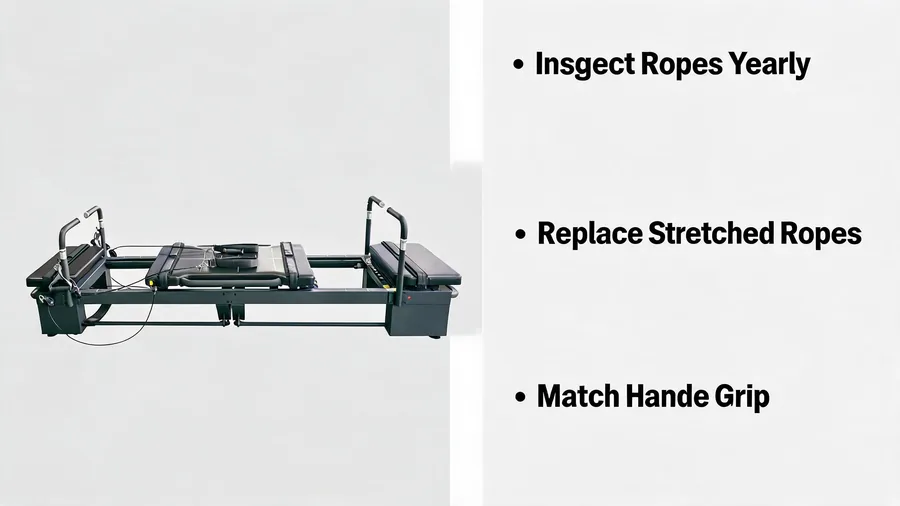
Pri izbiri nadomestnih vrvi in trakov za Pilates reformer, uskladite material, širino in vrsto pritrditve z obstoječo opremo. Uporaba nezdružljivih trakov lahko vpliva na delovanje vaj in se morda ne prilega sistemu škripcev ali mehanizmom zaponk na vašem modelu reformerja. Pred naročilom nadomestnih delov izmerite širino obstoječih trakov in premer obstoječih vrvi, da zagotovite pravilno prileganje in delovanje.
Razmislite o nadgradnji na vrhunske materiale, če zamenjujete trakove slabše kakovosti. Številni lastniki studiev ugotavljajo, da prehod na trakove, odporne na UV in primerne za morsko okolje, podaljša intervale zamenjave za 50 do 100 odstotkov v primerjavi s standardnimi trakovi. Dodatni začetni stroški vrhunskih materialov se hitro povrnejo z redkejšo zamenjavo in nižjimi stroški dela pri zamenjavi trakov na več reformerjih.
Pilates Method Alliance podaja smernice za standarde vzdrževanja komercialne opreme, ki vključujejo priporočila za intervale pregledov trakov in vrvi ter merila za zamenjavo. Upoštevanje teh industrijskih smernic pomaga lastnikom studiev vzdrževati opremo na profesionalni ravni in zagotavlja dokumentacijo za zavarovanje in odgovornost v komercialnem studijskem okolju.
5. Vzdrževanje vaših vrvi in trakov vrveh in trakovih za Pilates reformer
Pravilno vzdrževanje podaljša življenjsko dobo vrvi in trakov za Pilates reformer in zagotavlja dosledno delovanje. Trakove čistite tedensko z blago milnico in mehko krpo, nato pa jih pred naslednjo uporabo temeljito posušite. Izogibajte se čistilom na osnovi belila ali ostrim kemikalijam, ki razgrajujejo vlakna traku in pospešujejo UV-poškodbe. Razkužila na osnovi alkohola lahko uporabljate zmerno, vendar se ne smejo vpiti v trak ali se nabirati na njegovi površini.
Rezervne trakove shranjujte na hladnem in suhem mestu, stran od neposredne sončne svetlobe. Izpostavljenost UV je glavni vzrok za degradacijo traku, shranjeni trakovi pa se lahko poslabšajo tudi brez uporabe, če so shranjeni ob oknih ali pod močno umetno svetlobo. Zalogo obračajte tako, da se starejše zaloge porabijo prve, s čimer ohranjate svežo zalogo nadomestnih trakov za tekoče potrebe vzdrževanja skozi vse leto.
Pri zamenjavi trakov pregledajte tudi kolesa škripcev in pritrdilno opremo. Ostri robovi na škripcih hitro poškodujejo nove trakove in izničijo korist zamenjave. Pred namestitvijo novih trakov s pilo zgladite morebitne robove ali hrapave površine na škripcih. Ležaje škripcev podmažite v skladu s proizvajalčevim načrtom, da zagotovite gladko delovanje in preprečite neenakomerno obrabo površine trakov zaradi upora škripcev.
Naročite nadomestne vrvi in trakove
Obrnite se na našo ekipo za nadomestne vrvi in trakove za Pilates reformer. Komercialni materiali z ojačenim šivanjem in trakovi, odpornimi na UV, za vzdržljivost v studiu.
E-pošta: [email protected] • WhatsApp: +86 189 0238 9454
Sorodni vodniki
- Vodnik po napetosti vzmeti reformerja
- Vodnik po zamenjavi penastega blazine
- Vodnik po velikostih Pilates reformerja
- Vodnik po materialih ogrodja reformerjev
- Vodnik po pregledu kakovosti reformerja
6. Pogosto zastavljena vprašanja
Kako pogosto naj zamenjam vrvi in trakove za Pilates reformer?
V komercialnih studiih zamenjajte vrvi in trakove vsakih 6 do 12 mesecev, odvisno od obsega uporabe. Domači uporabniki lahko zamenjavo podaljšajo na vsakih 12 do 18 mesecev. Tedensko preverjajte znake cefranja, stanjšanja ali otrdelosti, ki kažejo, da je zamenjava potrebna prej.
Iz kakšnega materiala so trakovi za Pilates reformer?
Komercialni trakovi so iz poliestra ali najlona z visoko trdnostjo in dvojno ojačenim šivanjem. Stanovanjski trakovi so lahko iz običajnega poliestra z enim šivom. Vrhunski trakovi imajo UV-zaščito za daljšo življenjsko dobo v studijskem okolju z naravno svetlobo.
Ali lahko zamenjam samo en trak ali potrebujem celoten komplet?
Trakove zamenjajte v parih ali celotnih kompletih, da zagotovite enakomerno napetost in občutek na obeh straneh reformerja. Mešanje starih in novih trakov ustvari neenakomeren upor, kar vpliva na kakovost vaj in izkušnjo strank med treningi.
Kako vem, kakšno velikost nadomestnih trakov kupiti?
Izmerite širino obstoječih trakov (običajno 1,5 do 2 palca pri komercialnih reformerjih) in preverite vrsto pritrditve – končne zanke, vponke ali zaponke se med modeli reformerjev razlikujejo. Za konkretne številke nadomestnih delov se posvetujte s proizvajalcem reformerja.
Zakaj moji trakovi za Pilates reformer postajajo trdi?
Otrdelost povzročajo vpijanje znoja, kopičenje čistilnih sredstev in izpostavljenost UV-svetlobi. Redno čiščenje z blagim milom in temeljito sušenje pomagata preprečiti otrdelost. Ko trakovi postanejo trdi, je zamenjava edina učinkovita rešitev za obnovitev gladkega delovanja.
Koliko stanejo nadomestne vrvi in trakovi?
Kompleti nadomestnih trakov stanejo od 15 do 35 $ na par za komercialne materiale. Nadomestne vrvi stanejo od 8 do 15 $ na kos. Za studio z 10 reformerji načrtujte od 300 do 600 $ letno za redno vzdrževanje vrvi in trakov.
Ali lahko na komercialnem reformerju uporabljam stanovanjske trakove?
Stanovanjski trakovi se lahko fizično prilegajo komercialnim reformerjem, vendar niso priporočljivi. Komercialni reformerji med uporabo ustvarjajo večje sile in stanovanjski trakovi lahko predčasno odpovejo pri povečani obremenitvi, kar v studijskem okolju z veliko dnevno uporabo ustvarja varnostna tveganja.
Rope length and strap setup differ per model; the reformer model pages list the standard configuration.