
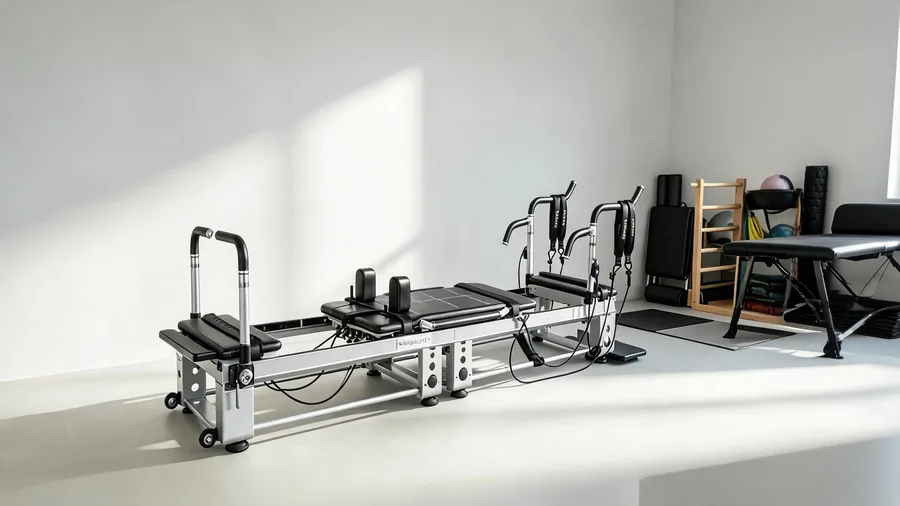
Reformer Pilates has gained significant recognition in clinical and rehabilitation settings. Physical therapists, chiropractors, and sports medicine professionals use the reformer’s spring-based resistance to guide patients through controlled, progressive movement—often earlier in recovery than traditional resistance training allows. Understanding how reformer pilates for rehabilitation works, and what equipment clinical settings require, is essential for clinics considering this modality—and this guide covers both.
1. Zakaj Reformer Pilates za rehabilitacijo deluje
The reformer’s core advantage in rehabilitation is adjustable, controlled resistance. Springs provide variable load that clinicians can fine-tune to each patient’s capacity, and the carriage’s guided movement path reduces the risk of compensatory patterns. For these reasons, reformer pilates for rehabilitation programs has become a standard tool in outpatient clinics and hospital wellness departments.
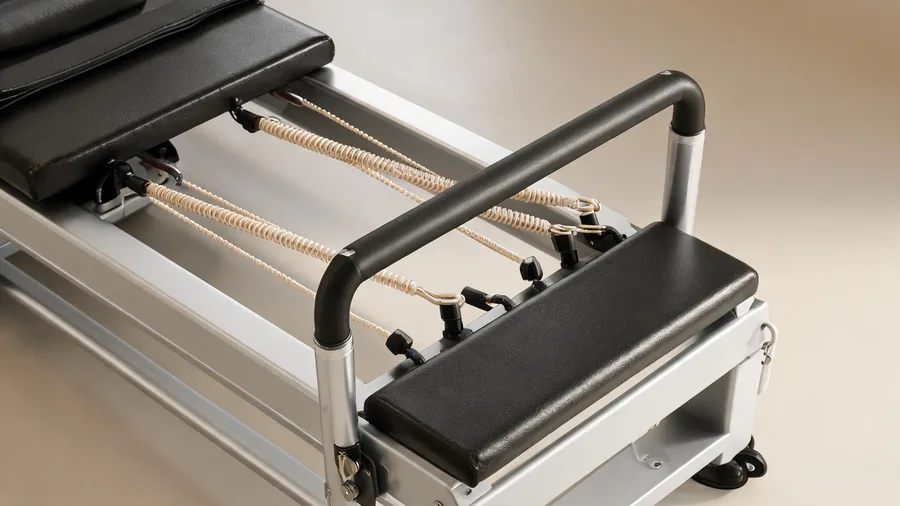
Raziskave in klinična praksa podpirajo pristop, dokazna osnova za Reformer Pilates v rehabilitaciji pa nenehno raste: upor vzmeti trenira aktivacijo mišic skozi polne obsege gibanja z majhno obremenitvijo sklepov, kar ustreza okrevanju po operaciji, obvladovanju kronične bolečine in ponovnemu učenju gibanja. Metoda premošča vrzel med pasivnim zdravljenjem in samostojnim treningom moči.
2. Klinične uporabe in skupine pacientov
Delo na Reformerju se uporablja v širokem naboru rehabilitacijskih scenarijev. Najpogostejši vključujejo ortopedsko okrevanje po operaciji sklepa, obvladovanje bolečine v spodnjem delu hrbta, ponovno učenje drže, delo na ravnotežju in propriocepciji ter kondicijsko pripravo za vrnitev v šport. Vsaka skupina zahteva posebno programiranje in konfiguracije opreme, zato univerzalni pristopi v rehabilitacijskih okoljih Reformer Pilatesa ne delujejo.
Kliniki običajno beležijo napredek s funkcionalnimi meritvami – obseg gibanja, moč, ocene ravnotežja – skupaj z izidi, ki jih poročajo pacienti. Reformerji z gladkim, predvidljivim uporom naredijo te meritve zanesljive od seje do seje.
3. Reformer Pilates za rehabilitacijo: zahteve opreme
Klinična uporaba zahteva od opreme več kot studijska, in to razlikovanje oblikuje vsako odločitev o opremi za Reformer Pilates v rehabilitaciji. Reformer za rehabilitacijska okolja mora nuditi natančno nastavljanje vzmeti, zanesljivo doslednost upora in robustno konstrukcijo za veliko dnevno menjavo uporabnikov. Ključne zahteve:
- Natančen sistem vzmeti: več stopenj vzmeti omogoča fino stopnjevanje obremenitve od zelo lahke do polnega upora.
- Dosleden upor: vzmeti iz visokoogljičnega jekla ohranjajo napetost skozi tisoče ciklov, kar ohranja zdravljenje ponovljivo.
- Stabilen okvir: jeklo Q235 z nosilnostjo 350 kg varno podpira paciente vseh velikosti.
- Dostopnost: nizek vstop na voziček in neobvezni ročaji za pomoč podpirajo paciente z omejeno mobilnostjo.
- Tiho gibanje: vozički z valjčnimi ležaji ohranjajo seje mirne in profesionalne.
Pri izbiri opreme za Reformer Pilates v rehabilitaciji dajte prednost natančnosti upora in stabilnosti okvira pred estetskimi lastnostmi. Klinično osebje se za varno, merljivo zdravljenje zanaša na predvidljivo delovanje opreme.
4. Postavitev rehabilitacijskega prostora z Reformerjem
Rehabilitacijska okolja pogosto vključijo Reformerje v obstoječe prostore za zdravljenje, namesto da bi gradila namenske studie. En Reformer potrebuje približno 8 x 3 čevlje plus prostor za dostop klinika z obeh strani. Razmislite o postavitvi blizu miz za terapijo, da lahko pacienti prehajajo med ročno terapijo in delom na Reformerju brez dolgih poti.
Ceiling clearance, floor type, and lighting matter in clinical environments. Choose flooring that supports equipment stability and is easy to sanitize. Position the reformer where the clinician has a clear view of the patient’s movement from multiple angles.
5. Usposabljanje za Reformer Pilates v rehabilitaciji
Varna izvedba Reformer Pilatesa v rehabilitaciji zahteva usposabljanje onkraj standardne Pilates certifikacije, klinična usposobljenost pa ni izbirna. Kliniki morajo razumeti načela napredovanja vaj, predpisovanje obremenitve vzmeti in kontraindikacije za določena stanja. Veliko programov klinične Pilates certifikacije se osredotoča prav na to presečišče.
Clinics typically start with one or two staff members trained in clinical reformer methods, then expand as caseload grows. Documentation standards—initial assessment, progress notes, discharge criteria—should match the clinic’s existing rehabilitation documentation framework.
6. Varnost, higiena in skladnost
Klinična okolja se soočajo s strožjimi higienskimi zahtevami kot fitnes studii. Izberite prevleko, ki prenese pogosto razkuževanje s kliničnimi čistili. Dnevni kontrolni seznami morajo zajemati vzmeti, pasove, gibanje vozička in celovitost okvira, z dokumentiranimi evidencami vzdrževanja za skladnost.
Liability coverage should be confirmed with the clinic’s insurer for equipment-based treatment modalities. Post weight capacity limits clearly, and ensure emergency stop procedures are documented and staff-trained.
7. Reformer v primerjavi z drugo rehabilitacijsko opremo
Reformerji dopolnjujejo – ne nadomeščajo – drugo rehabilitacijsko opremo. V primerjavi z elastičnimi trakovi nudijo merljive, ponovljive obremenitve. V primerjavi z napravami z utežmi omogočajo gibanje skozi polne obsege z vodenim nadzorom. V primerjavi z vadbo z lastno težo nudijo nastavljivo pomoč in upor za paciente v različnih fazah okrevanja.
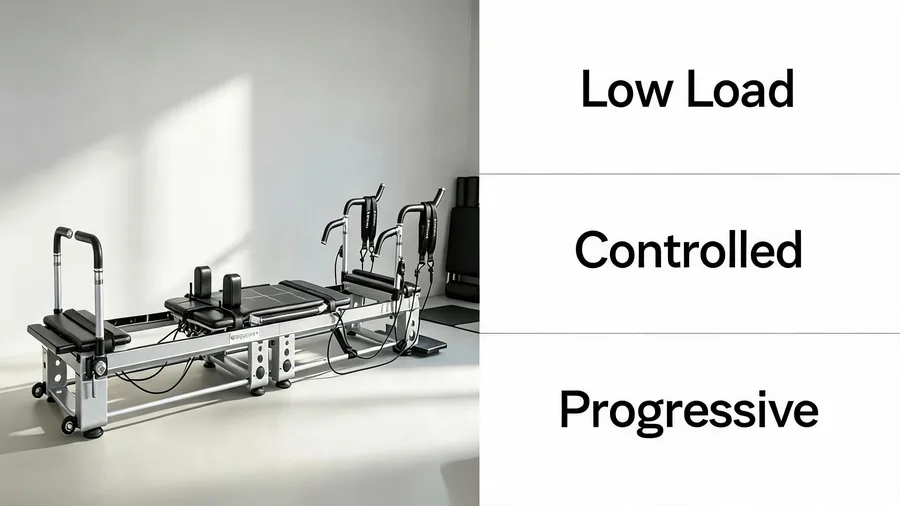
V tipičnem rehabilitacijskem programu Reformer zapolni vrzel med ročno terapijo in samostojnim treningom ter pacientom ponudi strukturirano, postopno pot skozi okrevanje.
8. Nabava Reformerjev kliničnega razreda
For reformer pilates for rehabilitation programs, source equipment from manufacturers with documented quality and commercial durability. Megacore’s commercial reformers use Q235 steel frames rated for 350 kg, high-carbon 50,000-cycle springs, and roller bearing carriages, with a 3-year warranty on frame and machine. Each unit ships with a quality inspection certificate and test report (report number GZHL2601000020601SP), which supports clinical procurement and compliance documentation.
Request specification documentation in advance, and if possible trial a unit before full procurement to confirm resistance precision and patient accessibility meet your clinic’s needs.
Pogosto zastavljena vprašanja
V1: Je Reformer Pilates primeren za rehabilitacijo?
Da. Upor vzmeti nudi nastavljivo, vodenо obremenitev, ki ustreza okrevanju po operaciji, bolečini v spodnjem delu hrbta, treningu ravnotežja in kondicijski pripravi za vrnitev v šport, če ga izvajajo usposobljeni kliniki.
V2: Katere lastnosti opreme so pri klinični uporabi najpomembnejše?
Natančno nastavljanje vzmeti, dosleden upor, stabilen okvir z nosilnostjo 350 kg, nizek vstop na voziček in tiho gibanje z valjčnimi ležaji so prednostne lastnosti za klinična okolja.
V3: Ali kliniki potrebujejo posebno certifikacijo?
Da. Certifikacija kliničnega Pilatesa pokriva napredovanje vaj, predpisovanje obremenitve vzmeti in kontraindikacije. Standardna fitnes Pilates certifikacija sama po sebi ne zadošča za izvajanje rehabilitacije.
V4: Koliko prostora potrebuje rehabilitacijski Reformer?
Približno 8 x 3 čevlje plus prostor za dostop klinika z obeh strani. Postavite ga blizu miz za terapijo za gladke prehode pacientov.
V5: Ali je Reformerje mogoče razkužiti za klinično uporabo?
Da, s prevleko, ki prenese klinična čistila. Izberite površine brez PVC, ki se enostavno čistijo, in upoštevajte dnevne protokole razkuževanja.
V6: Katera dokumentacija podpira klinično nabavo?
Certifikati o pregledu kakovosti in poročila o preskusu (pri Megacore številka poročila GZHL2601000020601SP) ter 3-letna garancija na okvir in napravo podpirajo klinično nabavo in evidence skladnosti.
Zaključek
Reformer Pilates za rehabilitacijo je preverjena metoda v porastu v kliničnih okoljih. Klinikom nudi natančen nadzor nad uporom in kakovostjo gibanja, pacientom pa strukturirano pot od zdravljenja do samostojne moči. Uspeh je odvisen od treh stvari: opreme kliničnega razreda, ustrezno usposobljenega osebja in dokumentiranih protokolov.
Začnite z enim usposobljenim klinikom in enim dobro opredeljenim Reformerjem, zgradite dokaze v svoji populaciji pacientov in program širite, ko izidi to upravičijo.
Zahtevajte informacije o kliničnih Reformerjih pri Megacore
Sorodni vodniki
- Pilates Reformer za kiropraktične klinike
- Pilates Reformer za fizioterapijo
- Pilates Reformer za okrevanje po poškodbi
- Vodnik za čiščenje Pilates Reformer
Industrijski viri: Industrijski standardi Pilates Method Alliance, CDC nadzor okužb v okolju, in Varnostne smernice OSHA za delovno mesto.
Clinical rooms usually specify from the commercial lineup, where carriage height and spring ratings are listed.