
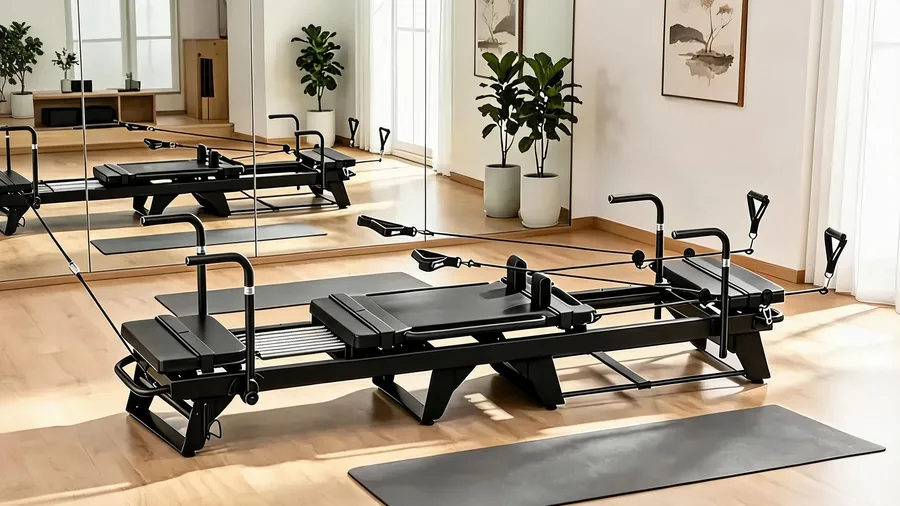
Ko odpirate Pilates studio, to zahteva več kot le strast do metode. Trg je dozorel. Po Pilates Method Alliance standardih stranke pričakujejo komercialno opremo, prilagodljive oblike vadbe ter čisto in profesionalno okolje. Lastniki studiev, ki načrtujejo proračun za opremo, postavitev prostora in strategijo pridobivanja strank, preden podpišejo najemno pogodbo, so v veliko boljšem položaju za uspeh.
Ta vodnik za odprtje Pilates studia zajema praktične korake – od izbire Reformer naprav in razporeditve prostora do proračuna za prvo leto poslovanja. Ne glede na to, ali odpirate butični studio s šestimi Reformer napravami ali veliki studio z dvajsetimi postajami, so načela enaka. Razumevanje celotnega postopka odpiranja Pilates studia pomaga preprečiti drage napake in pospeši pot do dobičkonosnosti.
Korak 1: Določite format svojega studia
Format določa vse ostalo – število opreme, osebje, cene vadbe in potrebno kvadraturo. Na trgu leta 2026 prevladujejo trije formati:
Butični studio (4–8 Reformer naprav):
Cilja na prestižne stranke, pripravljene plačati 300–500 ¥ za zasebno uro ali 1.800–2.500 ¥ za paket 10 ur. Zahteva 60–100 m². Nizki stroški opreme, a višji prihodek na uro.
Srednje velik studio (10–16 Reformer naprav):
Uravnoteži zasebne ure s skupinskimi Reformer urami (največ 8:1). Zahteva 120–200 m². Najboljša točka donosnosti naložbe v večini kitajskih mest prve in druge ravni.
Veliki format / franšiza (20–30 Reformer naprav):
Osredotočen na skupinske ure. Zahteva 250–400 m². Visok kapital za opremo, a nižji stroški pridobivanja strank. Primerno za uveljavljene blagovne znamke, ki se širijo v nove okraje.
Korak 2: Proračun za opremo
Reformer je vaš največji posamezni kapitalski strošek. Cene neposredno iz tovarne pri proizvajalcih iz Guangzhouja (cene 2025–2026):
Komercialna Reformer naprava (standardna): 4.500–8.000 ¥ na enoto, odvisno od materiala okvirja, števila vzmeti in priložene opreme. Komercialna Reformer naprava s stolpom: 8.000–14.000 ¥ na enoto. Zložljiva Reformer naprava za majhne studije: 3.800–6.500 ¥ na enoto. Dodatki za Reformer (skrinja, odrivna deska, podaljšek platforme): 600–1.200 ¥ na komplet. Dodatne postavke proračuna za opremo: kompleti blazinic (200–400 ¥ na kos), majhni pripomočki (krogi, valji, elastike – 50–150 ¥ na kos), stojala in police za shranjevanje (1.500–3.000 ¥).
Razčlenitev stroškov opreme
Strategija razporeditve proračuna
Možnosti financiranja za nove studije
Studio z 10 Reformer napravami, polno opremo in blazinicami: približno 65.000–95.000 ¥ stroškov opreme. Dodajte 15 % za pošiljanje, montažo in rezervo. Uvozne dajatve pri proizvajalcih izven Kitajske dodajo 8–12 % k stroškom opreme.
Korak 3: Postavitev prostora
Postavitev studia vpliva na potek vadbe, preglednost inštruktorja in varnost. Priporočeni minimalni odmiki:
Med osrednjima linijama Reformer naprav:
najmanj 1,8 m. To inštruktorju omogoča, da hodi med napravami in varno usmerja stranke.
Odmik na koncu (opora za noge do stene):
najmanj 1,5 m. Stranke, ki izvajajo izpade in stoječe vaje, potrebujejo prostor za Reformer napravo.
Odmik na koncu (stran z glavo do stene):
najmanj 0,8 m, da lahko voziček prepotuje celotno pot.
Širina prehoda:
najmanj 1,2 m za gibanje strank med urami.
Območje inštruktorja:
2 m širok pas vzdolž ene strani prostora z jasnim pregledom vseh vozičkov.
Za studio z 10 Reformer napravami: razporedite naprave v dve vrsti po pet, zamaknjeno. Skupna potrebna površina: približno 65 m² za območje Reformer naprav plus 20 m² za recepcijo, preoblačenje in shranjevanje.
Korak 4: Razčlenitev stroškov prvega leta
Na podlagi srednje velikega studia z 10 Reformer napravami v kitajskem mestu prve ravni:
Najemnina in varščina (3 mesece + 1 mesec varščine): 45.000–75.000 ¥ (ob predpostavki 150–250 ¥/m² v poslovni stavbi). Prenova in notranja oprema: 40.000–80.000 ¥ (tla, ogledala, razsvetljava, garderobe, recepcijska miza). Oprema (Reformer naprave + dodatki + pripomočki): 65.000–95.000 ¥. Licence in dovoljenja: 5.000–15.000 ¥, odvisno od mesta. Trženje in lansiranje (spletna stran, družbeni mediji, otvoritvena promocija): 10.000–25.000 ¥. Osebje (2 inštruktorja s polnim delovnim časom + 1 recepcija, 3 mesece): 60.000–90.000 ¥. Zavarovanje in režijski stroški (12 mesecev): 15.000–25.000 ¥. Rezerva (10 %): 25.000–40.000 ¥. Skupna ocenjena naložba v prvem letu: ¥265,000–445,000.
Projekcija prihodkov (konzervativna): 10 zasebnih ur na dan po povprečno 350 ¥ = 126.000 ¥/mesec. Točka preloma je običajno med 6. in 10. mesecem, odvisno od lokacije in učinkovitosti trženja.
Korak 5: Izbira dobaviteljev
Niso vsi dobavitelji Reformer naprav enaki. Ključni kriteriji za ocenjevanje proizvajalcev:
Specifikacija jeklenega okvirja – debelina stene 2,5 mm ali več za komercialno uporabo. Sistem ležajev vozička – tesnjeni valjčni ležaji ali polimerne drsnice za zmanjšanje trenja. Kakovost vzmeti – vzmetno jeklo, obdelano s krogličnim brizganjem in testirano na utrujenost, z dokumentiranimi cikli testiranja. Garancija – najmanj 3 leta za okvir in zvare, 1 leto za vzmeti in oblazinjenje. Poprodajna podpora – razpoložljivost nadomestnih delov v 48 urah. Certifikat kakovosti – zahtevajte potrdilo o kontroli kakovosti (referenca GZHL2601000020601SP za merila skladnosti).
Ogled tovarne proizvajalcev iz Guangzhouja razkrije razlike v natančnosti varjenja, kakovosti barvanja in sestavljanja vzmeti. Za lastnike studiev, ki studio odpirajo prvič, priporočamo osebni obisk ali napotitev kontrolorja kakovosti pred oddajo večjega naročila.
Korak 6: Trženje svojega studia
Lokalni SEO ostaja najbolj stroškovno učinkovit kanal za pridobivanje strank v studiu. Optimizirajte svoj Google Business Profile (ali enakovredni profil Baidu) s fotografijami opreme, urnikom vadbe in cenami. Spodbudite vsako stranko, da po prvi uri pusti oceno. Sodelujte z bližnjimi prestižnimi stanovanjskimi kompleksi, korporativnimi programi dobrega počutja in luksuznimi hoteli za priporočila.
WeChat in Xiaohongshu (Little Red Book) sta ključni platformi za kitajski trg. Objavljajte kratke video vsebine z vajami na Reformer napravah, predstavitvami inštruktorjev in ogledi studia. Izvajajte ciljno usmerjene oglase v krogu 3 km od lokacije studia. V prvih šestih mesecih namenite 3.000–8.000 ¥ na mesec za digitalno oglaševanje.
Povzetek
Odprtje Pilates studia v letu 2026 je z ustrezno pripravo realen cilj. Trg opreme ponuja zanesljive komercialne Reformer naprave po dostopnih cenah neposredno iz tovarne. Postavitev in proračun sta preprosta, če upoštevate zgornje smernice glede odmikov in prihodkov. Osredotočite se na kakovostno opremo pri odprtju Pilates studia, odlično usposabljanje inštruktorjev in dosledno lokalno trženje v načrtu lansiranja svojega Pilates studia. Koliko Reformer naprav potrebujete za odprtje Priprava prostora za Pilates Refor Pilates Reformer Dimensions & Space
Sorodni vodniki
Reformer Pilates za moške: zakaj vse več športnikov prehaja na Pilates
Kalkulator ROI za Pilates reformer: koliko strank je potrebnih za pokritje stroškov
Cene članstva v Reformer Pilatesu: kako določiti mesečne cene za svoj studio
Naslednji panožni viri ponujajo verodostojne smernice o tej temi:
- Smernice NIH za telesno dejavnost
- International Association of Fitness
- American Council on Exercise
- Sanitarni standardi OSHA
Za varnostne in kakovostne standarde opreme si oglejte panožne smernice Pilates Method Alliance. Okoljske smernice CDC za fitnes objekte določajo dodatne standarde za higieno in vzdrževanje komercialne opreme. Sanitarni standardi OSHA prav tako veljajo za komercialne fitnes studie, ki upravljajo skupno opremo.
Pogosto zastavljena vprašanja
Kaj razlikuje to Pilates opremo od proračunskih alternativ?
Razlika je v materialih in izdelavi. Komercialna oprema uporablja povsem kovinske okvire, tesnjene ležaje in kalibrirane vzmeti. Proračunske alternative uporabljajo lažje materiale, ki se hitreje obrabijo. Kakovostna Reformer naprava zdrži 5–10+ let – proračunsko Reformer napravo pa je pogosto treba zamenjati v 1–2 letih.
Kako vem, ali je ta oprema primerna za moje posebne potrebe?
Upoštevajte svoj glavni način uporabe: studio ali dom, demografijo strank, obseg vadbe in proračun. Lastniki studiev naj dajo prednost vzdržljivosti in dostopu za vzdrževanje. Domači uporabniki naj dajo prednost prostorski učinkovitosti in enostavni uporabi. Specifikacije opreme uskladite s svojimi posebnimi zahtevami, namesto da kupujete univerzalno rešitev.
Kakšno garancijo in podporo naj pričakujem od uglednega proizvajalca?
Komercialna oprema mora imeti vsaj 2-letno garancijo na konstrukcijo in 1 leto na komponente. Neposredni proizvajalci, kot je Megacore, pogosto nudijo razširjeno kritje in neposredno tehnično podporo. Pred nakupom vedno zahtevajte garancijsko dokumentacijo v pisni obliki.
Zaključek
Izbira prave opreme pomembno vpliva na vašo Pilates vadbo ali posel. Ne glede na to, ali opremljate studio, nadgrajujete obstoječe naprave ali opremljate domačo vadbo – vlaganje v kakovostno opremo, ki ustreza vašim potrebam, je temelj uspešnega odprtja Pilates studia. Z ustrezno pripravo lahko vaš studio doseže dobičkonosnost že v prvem letu.
Preglejte naše komercialne Reformerje →
- Kako odpreti Pilates studio v tujini: uvoz reformerjev s Kitajske, vodnik 2026
- Cene članstva v Reformer Pilatesu: kako določiti mesečne cene za svoj studio
- Zasebno označene Pilates Reformer naprave: vodnik po korakih za ustanovitev lastne blagovne znamke opreme
Shranite ta vodnik za odprtje Pilates studia za referenco skozi celotno pot lansiranja studia.
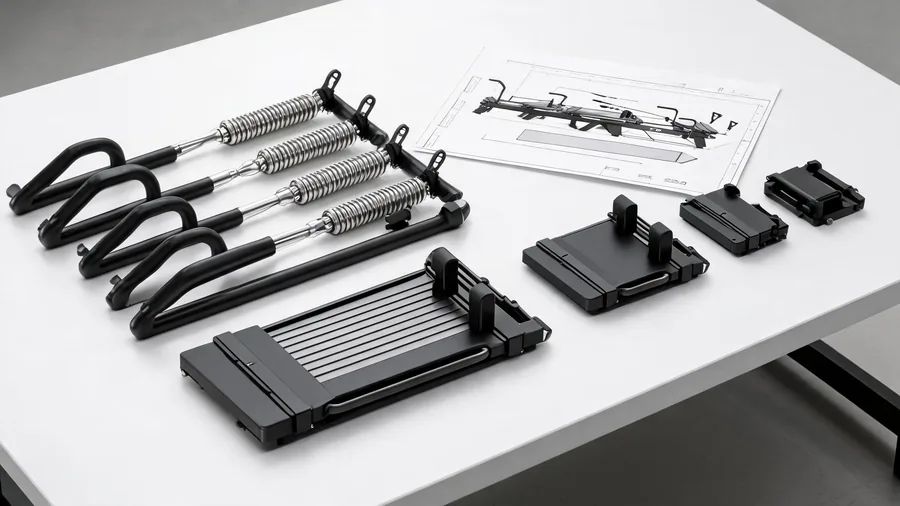
Once the floor plan is set, machine selection continues on the Pilates reformer range for studios.