
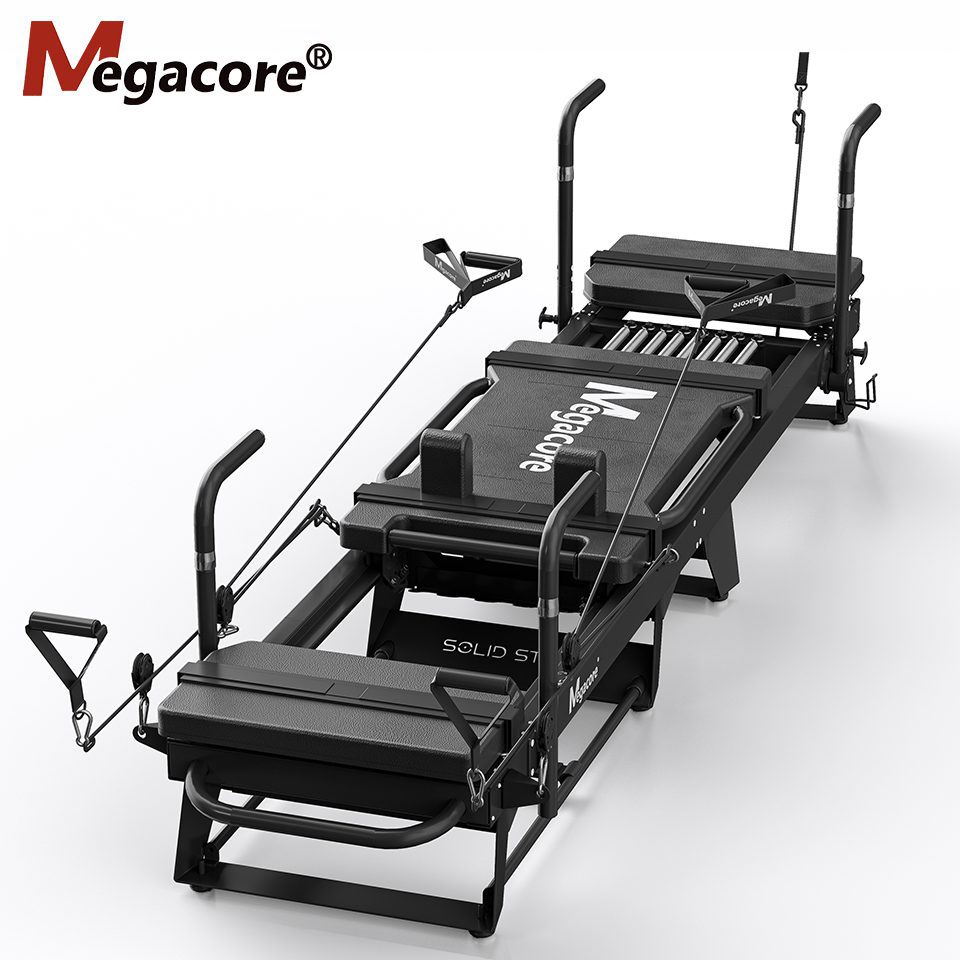
Why Chiropractic and PT Clinics Are Adding Pilates Reformers
The integration of Pilates reformers into chiropractic and physical therapy clinics represents one of the most significant trends in rehabilitative healthcare. Unlike traditional rehabilitation equipment that focuses on isolated joint movements, the reformer’s spring-based resistance system allows for full-body, functional movement patterns that align closely with how the human body operates in daily life. For clinic owners evaluating equipment investments, the Pilates reformer offers a uniquely versatile platform that serves both rehabilitation and ongoing conditioning needs.
Chiropractors and physical therapists are increasingly turning to reformer-based protocols because the equipment allows precise control over resistance throughout the entire range of motion. This is particularly valuable for patients recovering from joint injuries, spinal conditions, or post-surgical rehabilitation, where uncontrolled loading at any point in the movement could cause setback. The reformer’s spring system naturally accommodates this requirement, providing variable resistance that can be fine-tuned to match each patient’s recovery stage.
Key Clinical Applications for Reformer Pilates
Spinal Rehabilitation: The reformer’s sliding carriage allows for controlled spinal articulation exercises that are difficult to replicate with standard PT equipment. Exercises like the Pelvic Curl, Spine Stretch Forward, and the Saw can be performed with spring-assisted support, enabling patients to develop spinal mobility and segmental control without compressive loading. For clinics treating chronic low back pain, the reformer provides a progressive platform that takes patients from basic core activation to advanced functional movements.
Post-Surgical Recovery: Following procedures such as ACL reconstruction, hip replacement, or shoulder repair, patients require carefully graded resistance that the reformer delivers naturally. A single light spring (10-15 lbs at full extension) provides minimal resistance for early-stage rehabilitation, while additional springs can be added as the patient progresses. The ability to adjust resistance in small increments makes the reformer ideal for the gradual loading protocols that characterize evidence-based post-surgical rehabilitation.
Balance and Proprioception Training: The moving carriage of the reformer creates an inherently unstable surface that challenges the body’s proprioceptive systems. When combined with the visual feedback of watching the carriage position, patients develop improved body awareness and movement control. This is particularly valuable for elderly patients at risk of falls, athletes returning from ankle or knee injuries, and patients with neurological conditions affecting balance.
Equipment Specifications for Clinical Settings
Not all Pilates reformers are suitable for clinical environments. Healthcare facilities require equipment that meets higher standards of durability, adjustability, and safety than typical studio reformers. Clinical-grade reformers should feature steel frames with a minimum 14-gauge construction, supporting patient weights up to 350 lbs with no frame flex. The carriage must glide smoothly without lateral play, as any wobble can compromise the precision required for rehabilitative exercises.
Spring systems in clinical reformers require particularly close attention. Each spring should be independently testable and replaceable, with documented spring rates verified through quality testing. The inspection certificate GZHL2601000020601SP provides third-party verification that springs meet their stated resistance specifications, which is essential for clinics that need to document exactly how much resistance a patient is working against at each stage of their program.
The footbar should offer multiple positions with positive locking mechanisms, as different exercises and patient heights require varying footbar placements. Shoulder rests must be thickly padded and adjustable for patients of different body types. All upholstery should be medical-grade vinyl that can withstand frequent sanitization with clinical-grade disinfectants without degrading.
Space Planning for Reformers in Clinical Settings
Clinics integrating reformers need to consider space allocation differently than Pilates studios. Each reformer requires a minimum footprint of approximately 8 feet by 3 feet, with additional clearance of 3-4 feet on all sides for therapist access and patient transfer. Unlike studio settings where reformers are often placed in close rows, clinical reformers need individual access space so that practitioners can work directly with patients during exercises.
Wall-mounted reformer options can be particularly valuable for clinics with limited floor space. These units mount directly to reinforced wall framing, eliminating the need for floor-based frames and reducing the overall footprint by approximately 30%. For clinics that need to maximize treatment capacity within a fixed square footage, wall-mounted reformers offer a practical solution that maintains full clinical functionality.
Clinics should also consider storage solutions for reformer accessories. Jump boards, platform extenders, and additional spring sets need organized storage that keeps them accessible without cluttering the treatment area. Dedicated accessory carts or wall-mounted storage racks help maintain a professional clinical appearance while ensuring equipment is readily available when needed.
Staff Training and Protocol Development
Integrating reformer Pilates into a clinical practice requires structured staff training. Physical therapists and chiropractors who are already trained in movement analysis can typically develop proficiency with reformer-based protocols within 40-60 hours of supervised practice. Many factory-direct manufacturers offer training resources and protocol guides that help clinical teams develop standardized treatment protocols for common conditions.
Clinics should develop written protocols for each common condition they treat, specifying spring tensions, exercise selection, progression criteria, and discharge benchmarks. For example, a standard LBP protocol might begin with supine footwork using 2 light springs, progress to seated arm work, and eventually incorporate standing exercises on heavier spring settings. Documenting these protocols not only ensures consistent care but also provides documentation for insurance reimbursement and outcome tracking.
Return on Investment for Clinical Reformers
The financial case for adding reformers to a clinical practice is strong. A single commercial-grade reformer purchased factory-direct typically costs $2,000-$4,000 and can generate revenue through multiple channels: direct patient treatment sessions, supervised independent exercise programs, and packaged rehabilitation packages. At typical clinical billing rates, a reformer can pay for itself within 3-6 months of regular use.
Beyond direct revenue, reformers differentiate clinical practices from competitors. Patients seeking non-surgical, movement-based treatment options are increasingly aware of Pilates as a rehabilitation modality. Clinics that offer on-site reformer training can attract patients who might otherwise seek care at dedicated Pilates studios, keeping rehabilitation revenue within the practice.
The 3-year warranty coverage on factory-direct commercial reformers provides additional financial protection. With spring replacement costs significantly lower than branded alternatives, ongoing maintenance expenses remain manageable. The documented quality assurance from certification GZHL2601000020601SP also provides liability protection by demonstrating that equipment meets verified performance standards.
Conclusion: A Strategic Addition to Clinical Practice
For chiropractic and physical therapy clinics looking to expand their treatment capabilities, the Pilates reformer represents a strategic investment that enhances patient outcomes, differentiates the practice, and generates sustainable revenue. By selecting commercial-grade reformers with documented quality testing, appropriate spring systems, and durable construction, clinic owners can confidently integrate reformer-based rehabilitation into their standard of care. Pilates Reformer for Physical Therapy: W