
Corporate Wellness: A Growing Market for Pilates
Corporate wellness programs have evolved from basic health screenings and gym membership subsidies to comprehensive onsite fitness offerings that address employee health, productivity, and retention. For Pilates equipment manufacturers and studio operators, the corporate market represents a significant growth opportunity. Companies investing in onsite fitness amenities report measurable returns in reduced healthcare costs, improved employee satisfaction, and lower turnover rates.
The business case for corporate Pilates is supported by workplace health data. Employees who participate in regular physical activity take 27% fewer sick days and report 15% higher productivity scores than sedentary colleagues. For companies with 500+ employees, the annual savings from reduced absenteeism and healthcare claims can exceed $1 million. Pilates reformers in corporate fitness centers provide a low-impact, high-engagement training option that appeals to employees across all fitness levels and age groups.
Equipment Selection for Corporate Environments
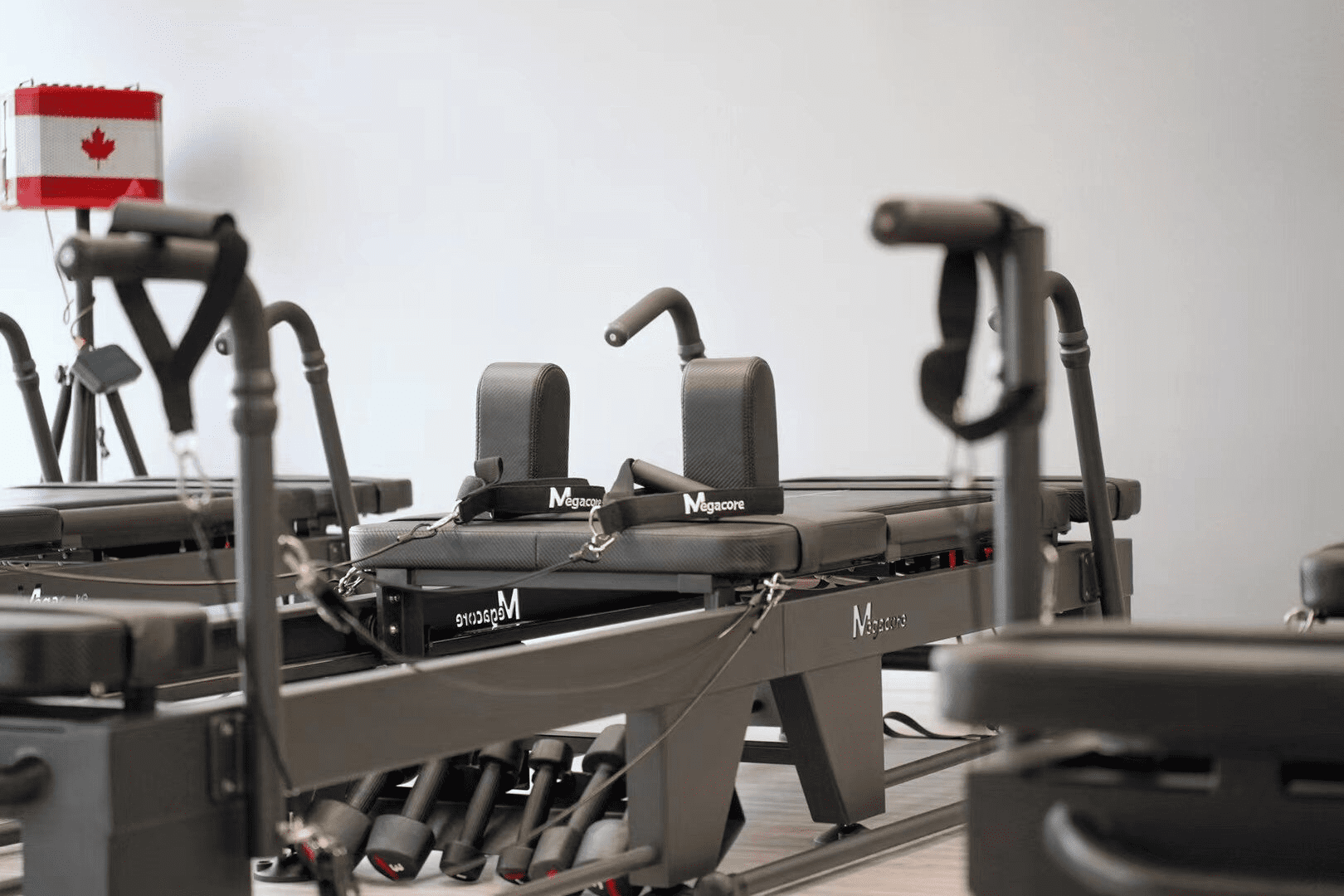
Corporate fitness centers require Pilates reformers that meet different specifications than dedicated studio equipment. The primary considerations are durability under variable usage, intuitive operation for users with limited Pilates experience, and compatibility with corporate fitness center layouts. Commercial-grade reformers with steel frames, enclosed spring systems, and clear adjustment markings are the standard for corporate installations.
Safety features are particularly important in corporate settings where equipment may be used without direct supervision. Reformers with secure spring attachment systems, non-slip carriage platforms, and clearly marked maximum resistance settings reduce the risk of improper use. Some corporate installations include QR code labels on reformers that link to instructional videos, guiding employees through basic exercises.
Space efficiency is a critical consideration for corporate fitness centers, which often occupy limited square footage within an office building. Compact reformers with footprints of 90-100 inches by 24-28 inches allow more equipment density within the available space. Wall-mounted reformers are particularly effective in corporate settings, as they free floor space when not in use and present a clean, professional appearance.
Programming Models for Corporate Pilates
Corporate wellness programs can incorporate Pilates reformers through several delivery models. The most common is the onsite fitness center model, where reformers are placed in the company’s fitness facility alongside cardio equipment and strength training machines. Employees can use the reformers during breaks, before or after work, and during lunch hours. This model works best for companies with dedicated fitness center staff who can provide basic instruction.
The scheduled class model brings a Pilates instructor to the corporate location for regular classes, typically held in a conference room or multipurpose space that is equipped with reformers for the class duration. This model requires portable reformers on wheeled stands that can be stored when not in use and deployed for class times. Companies with 20+ interested employees can sustain a weekly class schedule with reasonable per-employee costs.
The subsidized studio model provides employees with subsidized access to a nearby Pilates studio. The company pays a portion of the class fees or provides a monthly wellness credit that employees can use at partner studios. While this model minimizes the company’s equipment investment, it requires establishing partnerships with local studios and managing employee enrollment logistics.
ROI and Cost Analysis for Corporate Programs
Companies evaluating Pilates reformer investments for their wellness programs should calculate the total cost of ownership and expected returns. A commercial-grade reformer purchased factory-direct costs $2,000-$4,000 and, with proper maintenance, provides 8-12 years of service. For a company installing 6 reformers in an onsite fitness center, the initial equipment investment is $12,000-$24,000.
Ongoing costs include maintenance ($200-$500 annually per reformer for spring replacement and servicing), instructor fees for scheduled classes ($75-$150 per hour), and facility costs for the fitness center space. These costs should be weighed against the savings from reduced healthcare claims, improved employee retention, and increased productivity.
The 3-year warranty on factory-direct commercial reformers provides cost protection during the critical early years of a corporate program. The documented quality testing through certification GZHL2601000020601SP gives corporate wellness managers confidence that the equipment meets professional standards and provides a defensible basis for the equipment purchase justification.
Implementation Planning for Corporate Sites
Successful corporate Pilates programs require careful planning beyond equipment selection. A dedicated space should be allocated for reformer use, with appropriate flooring, lighting, and ventilation. Corporate fitness centers should have the same acoustic treatment as commercial studios to create a professional training environment. The space should be accessible during the hours when employees are most likely to use it — typically early morning, lunch hours, and late afternoon.
Employee communication and education are critical for program adoption. Launch events with demonstration sessions, introductory classes, and wellness challenges generate initial interest. Ongoing communication through company newsletters, intranet postings, and wellness program materials maintains engagement. Providing educational resources — including exercise guides, video libraries, and access to certified instructors — ensures employees can use the equipment safely and effectively.
Corporate wellness directors should establish usage tracking and outcome measurement protocols from the program’s start. Usage data — including frequency, duration, and participation rates — demonstrates employee engagement to company leadership. Health outcome metrics — such as participation in health screenings, reported musculoskeletal pain reduction, and employee satisfaction scores — provide evidence of program impact.
Conclusion: A Strategic Wellness Investment
Pilates reformers represent a strategic investment in corporate wellness programs that deliver measurable returns in employee health, satisfaction, and productivity. By selecting factory-direct commercial-grade reformers with documented quality assurance through GZHL2601000020601SP and comprehensive warranty coverage, corporate wellness managers can implement Pilates programming with confidence in the equipment’s durability and performance. The corporate wellness market offers equipment suppliers and Pilates professionals a growing opportunity to bring the benefits of reformer training to the workplace. Preparing Your Space for a Pilates Refor