
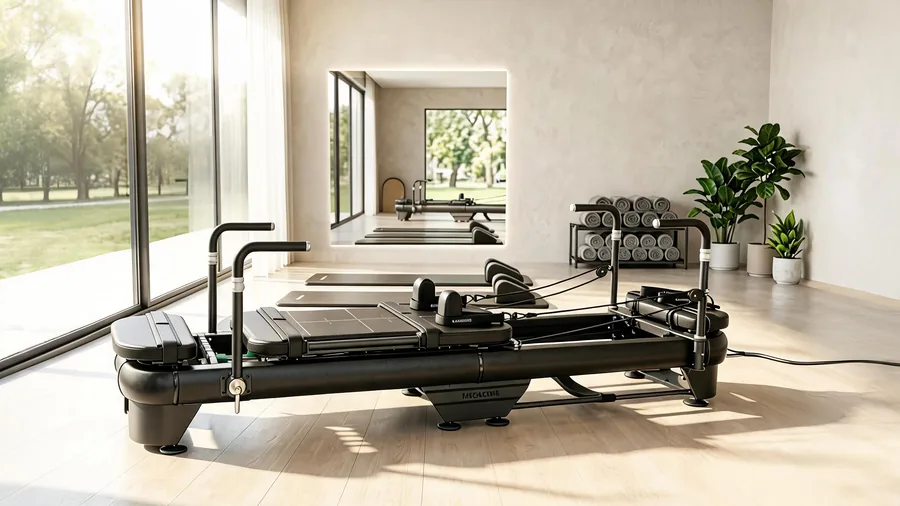
เวลาเลือกซื้อเครื่องรีฟอร์เมอร์ให้สตูดิโอ ความปลอดภัยควรเป็นเรื่องแรกที่คิด ไม่ใช่เรื่องที่ค่อยมาคิดทีหลัง รีฟอร์เมอร์เชิงพาณิชย์ต้องทำงานหนักตลอดเวลา ทั้งการเรียนหลายร้อยคลาสต่อปี ลูกค้าที่มีประสบการณ์ต่างกัน และการใช้งานทุกวันซึ่งกดดันทุกชิ้นส่วน การเข้าใจ มาตรฐานความปลอดภัยของเครื่องรีฟอร์เมอร์ จะช่วยให้คุณประเมินอุปกรณ์ก่อนตัดสินใจซื้อ และทำให้มั่นใจได้ว่าสตูดิโอของคุณเป็นพื้นที่ปลอดภัยสำหรับลูกค้าทุกคน
คู่มือนี้สรุปมาตรฐานความปลอดภัยที่จำเป็นสำหรับเครื่องพิลาทิสระดับพาณิชย์ ตั้งแต่ความแข็งแรงของโครงสร้างและความปลอดภัยของสปริง ไปจนถึงจุดหยุดแคร่เลื่อน ระบบล็อกบาร์เท้า และการรับรองความปลอดภัยของวัสดุ
1. มาตรฐานความปลอดภัยเครื่องรีฟอร์เมอร์: ความแข็งแรงของโครงสร้างและโครงเครื่อง
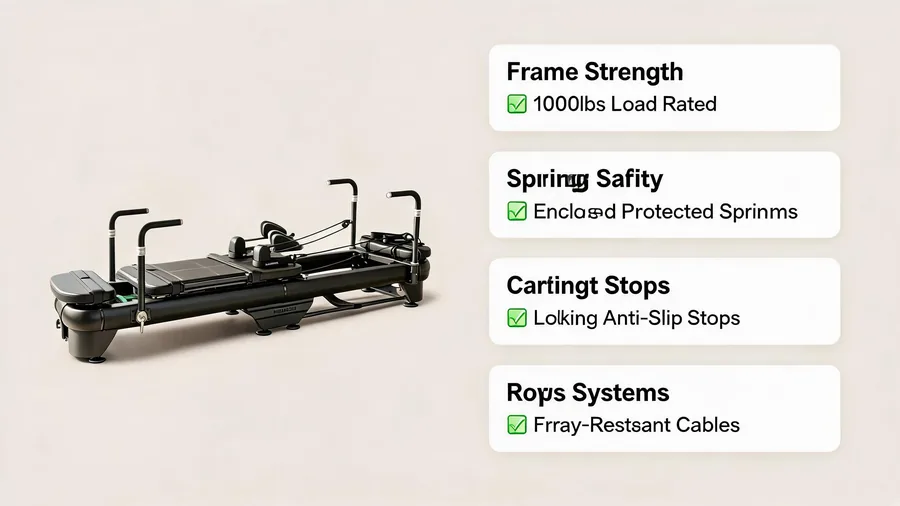
รากฐานของทุก มาตรฐานความปลอดภัยของเครื่องรีฟอร์เมอร์ คือโครงเครื่อง รีฟอร์เมอร์เชิงพาณิชย์ต้องรับน้ำหนักผู้ใช้ได้ตามพิกัดที่ระบุ โดยไม่ยวบ ไม่โก่ง และไม่เกิดรอยร้าวจากความเค้นสะสมเมื่อใช้ไปนาน ๆ รีฟอร์เมอร์คุณภาพดีใช้โครงเหล็กเชื่อมที่ทำจากท่อหนาอย่างน้อยเบอร์ 14 โครงต้องแข็งแรงพอจนคุณออกแรงดันด้านข้างที่แคร่เลื่อนหรือบาร์เท้าระหว่างใช้งานแล้วไม่รู้สึกว่ามีการขยับเลย
รีฟอร์เมอร์ของ Megacore ผลิตจากเหล็กคุณภาพระดับพาณิชย์ Q235 ขึ้นโครงแบบเชื่อม โครงเครื่องผ่านการทดสอบรับน้ำหนักบรรทุกแบบไดนามิก 200 กก. ซึ่งสูงกว่าช่วงน้ำหนักของผู้ใช้งานทั่วไปมาก การทดสอบภาระของโครงเครื่องได้รับการบันทึกไว้ในใบรับรองการตรวจสอบคุณภาพ GZHL2601000020601SP ซึ่งเป็นการตรวจสอบโดยอิสระถึงความสามารถเชิงโครงสร้างของโครงเครื่อง รีฟอร์เมอร์ระดับพาณิชย์ทุกรุ่นควรมีเอกสารทดสอบการรับน้ำหนักในลักษณะเดียวกันจากผู้ผลิต
2. มาตรฐานความปลอดภัยเครื่องรีฟอร์เมอร์: การยึดสปริงและความปลอดภัย
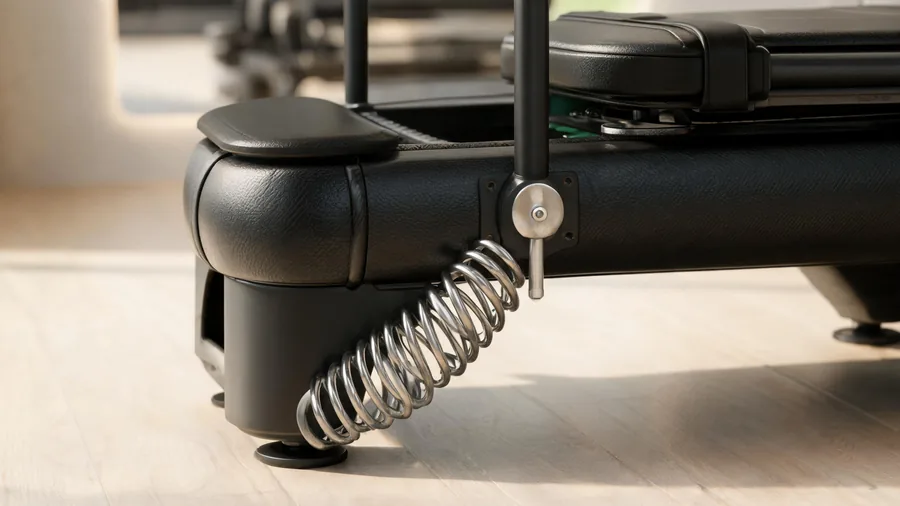
ความปลอดภัยของสปริงเป็นเรื่องสำคัญที่มักถูกมองข้ามใน มาตรฐานความปลอดภัยของเครื่องรีฟอร์เมอร์สปริงถูกแรงดึงไว้ตลอดเวลา จึงต้องยึดให้แน่นหนาทั้งสองปลาย จุดยึดสปริง ทั้งตะขอ หูเกี่ยว และขายึด ควรผลิตจากเหล็กผ่านการชุบแข็งที่ทนต่อการเสียรูปได้หลายพันรอบการใช้งาน
คุณสมบัติด้านความปลอดภัยที่ควรดู ได้แก่ ตะขอสปริงที่คล้องแท่งยึดได้มิดชิดจนสปริงหลุดไม่ได้ระหว่างใช้งาน แรงตึงสปริงที่ปรับเทียบไว้และสม่ำเสมอทุกเส้นในชุดเดียวกัน และสปริงที่ออกแบบให้รับได้อย่างน้อย 500,000 รอบก่อนแรงตึงจะลดลง สปริงเกรดพาณิชย์ควรมีส่วนเผื่อความปลอดภัย คือยืดสุดที่น้ำหนักสูงสุดแล้วยังไม่ถึงขีดจำกัดยืดหยุ่นของวัสดุ และควรเปลี่ยนสปริงทันทีที่เริ่มเห็นว่ายืดหรือเสียรูป ซึ่งในการใช้งานเชิงพาณิชย์มักอยู่ที่ทุก 2–3 ปี
3. มาตรฐานความปลอดภัยเครื่องรีฟอร์เมอร์: กลไกจุดหยุดแคร่เลื่อน
รีฟอร์เมอร์เชิงพาณิชย์ทุกรุ่นควรมีจุดหยุดแคร่เลื่อนที่เชื่อถือได้ เพื่อไม่ให้แคร่เลื่อนหลุดออกจากราง มาตรฐานความปลอดภัยของเครื่องรีฟอร์เมอร์ ต้องมีจุดหยุดที่ปลายทั้งสองข้างของระบบราง ซึ่งล็อกเข้าที่แน่นหนาและถูกกระแทกจนหลุดระหว่างใช้งานไม่ได้ จุดหยุดต้องมีขนาดใหญ่พอที่จะรับแคร่เลื่อนได้ไม่ว่าแคร่จะเข้าหาในมุมใด จะเฉียดหรือตรงก็ตาม
รีฟอร์เมอร์บางรุ่นที่ลดต้นทุนใช้ยางกันกระแทกชิ้นเล็กเป็นจุดหยุด ซึ่งอาจยุบ แตก หรือหลุดออกไปเมื่อใช้ไปนาน ๆ รีฟอร์เมอร์เกรดพาณิชย์จึงใช้จุดหยุดแบบกลไก คือบล็อกหรือสลักโลหะที่กันไม่ให้แคร่เลื่อนผ่านจุดหนึ่งไปได้จริง ๆ รีฟอร์เมอร์ Megacore ใช้จุดหยุดโลหะเสริมแรงที่ยึดผ่านโครงเครื่องด้วยสลัก พร้อมแผ่นยางรองรับแรงกระแทก โดยไม่ได้พึ่งยางเป็นตัวรับหลัก
4. มาตรฐานความปลอดภัยเครื่องรีฟอร์เมอร์: การล็อกและการปรับบาร์เท้า
บาร์เท้าเป็นชิ้นส่วนที่ถูกใช้งานหนักที่สุดชิ้นหนึ่งของรีฟอร์เมอร์ และกลไกการล็อกก็เป็นเรื่องความปลอดภัยหลัก มาตรฐานความปลอดภัยของเครื่องรีฟอร์เมอร์ ต้องมีบาร์เท้าที่ล็อกแน่นในทุกตำแหน่งที่ปรับ และไม่ปลดล็อกเองโดยไม่ตั้งใจระหว่างใช้งาน กลไกล็อกควรมีเสียงและความรู้สึกที่บอกได้ว่าล็อกเข้าที่แล้ว ทั้งผู้สอนและลูกค้าจึงมั่นใจได้
บาร์เท้าเกรดพาณิชย์ใช้สลักล็อกแบบมีสปริงดันที่เสียบเข้าช่องเจาะของขายึดบาร์เท้า กลไกล็อกควรเข้าถึงง่ายและใช้แรงไม่มาก ทดสอบบาร์เท้าโดยออกแรงกดในหลายทิศทางพร้อมกัน บาร์เท้าต้องไม่ขยับหรือปลดล็อกภายใต้การใช้งานปกติ หากต้องการรายละเอียดเรื่องคุณภาพงานผลิตที่ส่งผลต่อความปลอดภัย บทความเรื่อง พิกัดน้ำหนักบรรทุกของรีฟอร์เมอร์ อธิบายความสัมพันธ์ระหว่างพิกัดของโครงและชิ้นส่วนกับความปลอดภัยในการใช้งาน
5. มาตรฐานความปลอดภัยเครื่องรีฟอร์เมอร์: ระบบเชือกและรอก
ระบบเชือกและรอกรับแรงทั้งหมดของรีฟอร์เมอร์ ท่าออกกำลังกายที่ดึง กด และยืดทุกท่าล้วนส่งแรงผ่านชิ้นส่วนเหล่านี้ มาตรฐานความปลอดภัยของเครื่องรีฟอร์เมอร์ ต้องใช้เชือกที่รับน้ำหนักได้อย่างน้อย 5 เท่าของน้ำหนักใช้งานสูงสุดที่คาดไว้ รีฟอร์เมอร์เชิงพาณิชย์ใช้เชือกถักเกรดเดินเรือหรือสายไนลอนเสริมแรงที่รับได้ 300 กก. ขึ้นไป
ลูกรอกต้องหมุนลื่นบนตลับลูกปืนแบบปิดผนึก และมีร่องลึกพอให้เชือกอยู่ในแนวที่ถูกต้อง จุดยึดเชือกทั้งด้านแคร่เลื่อนและด้านมือจับควรเย็บหรือบีบยึดให้แน่นจนไม่หลุด ตรวจเชือกเป็นประจำว่ามีขนฟูหรือไม่ และเปลี่ยนทันทีที่เริ่มสึก เพราะเชือกขาดระหว่างออกกำลังกายทำให้แรงต้านหายไปทันทีและอาจบาดเจ็บได้
6. มาตรฐานความปลอดภัยเครื่องรีฟอร์เมอร์: เบาะหุ้มและความปลอดภัยของวัสดุ
ความปลอดภัยไม่ได้จำกัดอยู่แค่ชิ้นส่วนกลไก แต่รวมถึงวัสดุที่ใช้หุ้มเบาะและโฟมรองรับด้วย รีฟอร์เมอร์เชิงพาณิชย์ มาตรฐานความปลอดภัยของเครื่องรีฟอร์เมอร์ ต้องใช้วัสดุหุ้มที่หน่วงไฟ ต้านเชื้อจุลินทรีย์ และทนต่อการทำความสะอาดบ่อยครั้ง หนังเทียมเกรดเดินเรือเป็นมาตรฐานของรีฟอร์เมอร์เชิงพาณิชย์ เพราะกันความชื้น ทำความสะอาดง่าย และคงสภาพดีแม้ใช้งานทุกวัน
โฟมรองเบาะควรผ่านมาตรฐานความปลอดภัยด้านอัคคีภัย (CAL 117 หรือเทียบเท่า) และมีความหนาแน่นเพียงพอ อย่างน้อย 35 กก./ลบ.ม. เพื่อไม่ให้ยุบจนสุดเมื่อลูกค้านั่งหรือนอนบนแคร่ Megacore ใช้โฟมความหนาแน่นสูงและหนังเทียมเกรดเดินเรือที่ผ่านข้อกำหนดความปลอดภัยเชิงพาณิชย์เหล่านี้ ส่วน Pilates Method Alliance มีแนวทางเพิ่มเติมด้านความปลอดภัยของอุปกรณ์สำหรับสภาพแวดล้อมพิลาทิสแบบมืออาชีพ
7. มาตรฐานความปลอดภัยเครื่องรีฟอร์เมอร์: การตรวจสอบและเอกสารยืนยัน
จะตรวจสอบได้อย่างไรว่าผู้ผลิตรายนั้นได้มาตรฐาน มาตรฐานความปลอดภัยของเครื่องรีฟอร์เมอร์ ก่อนซื้อ? ขอเอกสารที่ครอบคลุมแต่ละด้านของความปลอดภัยตามที่กล่าวในคู่มือนี้:
- ใบรับรองการทดสอบรับน้ำหนักโครงเครื่อง พร้อมพิกัดน้ำหนักไดนามิกสูงสุด
- เอกสารการปรับเทียบสปริงที่แสดงค่าแรงต้านที่สม่ำเสมอ
- ใบรับรองความปลอดภัยของวัสดุสำหรับเบาะหุ้มและโฟม
- รายงานการตรวจคุณภาพที่ครอบคลุมคุณภาพรอยเชื่อมและการตรวจประกอบ
- เงื่อนไขการรับประกันที่ครอบคลุมชิ้นส่วนสำคัญต่อความปลอดภัย
- รายชื่อลูกค้าสตูดิโอเชิงพาณิชย์รายอื่นที่ให้อ้างอิงได้
ผู้ผลิตที่ไม่สามารถให้เอกสารเหล่านี้ได้ มักไม่มีระบบควบคุมคุณภาพที่เพียงพอต่อการผลิตอุปกรณ์ที่ปลอดภัยอย่างสม่ำเสมอ ใบรับรองการตรวจสอบคุณภาพ GZHL2601000020601SP ของ Megacore บันทึกมาตรฐานความปลอดภัยเหล่านี้รวมถึงขั้นตอนการทดสอบที่ใช้ยืนยัน รีฟอร์เมอร์ Megacore ทุกเครื่องยังมาพร้อมการรับประกัน 3 ปีที่ครอบคลุมทั้งโครงเครื่องและตัวเครื่องทั้งหมด สร้างความมั่นใจต่อเนื่องในความน่าเชื่อถือของชิ้นส่วน
8. มาตรฐานความปลอดภัยเครื่องรีฟอร์เมอร์: คำถามที่พบบ่อย
อะไรคือคุณสมบัติด้านความปลอดภัยที่สำคัญที่สุดของรีฟอร์เมอร์?
กลไกจุดหยุดแคร่เลื่อนถือเป็นชิ้นส่วนความปลอดภัยที่สำคัญที่สุด เพราะกันไม่ให้แคร่เลื่อนหลุดจากราง ซึ่งอาจทำให้ลูกค้าเสียหลักอย่างกะทันหัน จุดหยุดโลหะแบบกลไกปลอดภัยกว่าการใช้ยางกันกระแทกเพียงอย่างเดียว
ควรเปลี่ยนสปริงบ่อยแค่ไหน?
ในการใช้งานเชิงพาณิชย์ (8–12 คลาสต่อวัน) ควรเปลี่ยนสปริงทุก 2–3 ปี และเปลี่ยนทันทีหากพบว่ายืด เสียรูป หรือแรงตึงไม่สม่ำเสมอ
รีฟอร์เมอร์ทุกรุ่นปลอดภัยสำหรับผู้ใช้ที่มีน้ำหนักมากหรือไม่?
ไม่ใช่ รีฟอร์เมอร์แต่ละรุ่นมีพิกัดน้ำหนักบรรทุกของตัวเอง รุ่นเชิงพาณิชย์มักรองรับ 150–200 กก. ควรตรวจสอบพิกัดให้ตรงกับกลุ่มลูกค้าของคุณเสมอ ดูรายละเอียดได้ที่ ความสามารถรับน้ำหนัก สำหรับรายละเอียด
วัสดุหุ้มเบาะแบบไหนปลอดภัยที่สุด?
หนังเทียมเกรดเดินเรือที่หน่วงไฟและผ่านการต้านเชื้อจุลินทรีย์คือมาตรฐานอุตสาหกรรมสำหรับอุปกรณ์เชิงพาณิชย์
ฉันจะตรวจสอบคำกล่าวอ้างด้านความปลอดภัยของผู้ผลิตได้อย่างไร
ขอรายงานการตรวจคุณภาพ ใบรับรองการทดสอบรับน้ำหนัก และใบรับรองวัสดุ ถ้าเป็นไปได้ควรไปดูโรงงานเอง หรือขอนัดชมโรงงานผ่านวิดีโอเพื่อดูขั้นตอนการผลิตและการทดสอบด้วยตาตัวเอง
9. มาตรฐานความปลอดภัยเครื่องรีฟอร์เมอร์: ลงทุนกับอุปกรณ์ที่ปกป้องลูกค้าของคุณ
การได้มาตรฐาน มาตรฐานความปลอดภัยของเครื่องรีฟอร์เมอร์ ไม่ใช่ทางเลือกสำหรับสตูดิโอเชิงพาณิชย์ แต่เป็นความรับผิดชอบพื้นฐาน ทุกชิ้นส่วน ตั้งแต่โครงเครื่อง สปริง ไปจนถึงเบาะหุ้ม ล้วนมีส่วนทำให้อุปกรณ์ที่ลูกค้าไว้วางใจทุกคลาสทำงานได้อย่างปลอดภัย การเลือกผู้ผลิตที่จัดทำและตรวจสอบมาตรฐานเหล่านี้เป็นเอกสาร จะทำให้คุณมั่นใจได้ว่าอุปกรณ์ของคุณจะทำงานอย่างปลอดภัยวันแล้ววันเล่า
Megacore Pilates ผลิตเครื่องรีฟอร์เมอร์ทุกรุ่นตามมาตรฐานความปลอดภัยที่มีเอกสารรองรับและผ่านการรับรองหมายเลข GZHL2601000020601SP ตั้งแต่โครงเหล็กเชื่อมที่รองรับน้ำหนักได้ 200 กก. ไปจนถึงตลับลูกปืนแบบซีล สปริงที่ปรับเทียบแล้ว และจุดหยุดแคร่เลื่อนที่เสริมความแข็งแรง ทุกฟีเจอร์ด้านความปลอดภัยออกแบบมาเพื่อการใช้งานเชิงพาณิชย์และมาพร้อมการรับประกัน 3 ปี ราคาขายตรงจากโรงงานช่วยให้คุณได้มาตรฐานความปลอดภัยระดับนี้โดยไม่ต้องจ่ายเงินส่วนต่างให้ตัวแทนจำหน่าย ติดต่อ Megacore เพื่อพูดคุยเกี่ยวกับข้อกำหนดด้านความปลอดภัยของอุปกรณ์ในสตูดิโอพิลาทิสของคุณ
แหล่งข้อมูลเพิ่มเติม: คู่มือความสามารถรับน้ำหนัก | คู่มือการเลือกซื้อ 2026 | คู่มือวัสดุโครงสร้าง | คู่มือเริ่มต้นเปิดสตูดิโอ
Safety claims are only worth what the inspection behind them is; ours is documented on the quality control process ของเรา