

Stüdyonuz için ticari sınıf Pilates reformer'larına yatırım yaparken, garanti kapsamını anlamak ekipman özelliklerini değerlendirmek kadar önemlidir. Üreticiden gelen 3 yıllık garanti, üretim hatalarına ve malzeme arızalarına karşı yapılandırılmış bir koruma sağlar; ancak kapsamın genişliği fabrikalar ve distribütörler arasında önemli ölçüde değişir. Bu rehber, standart bir Pilates reformer 3 yıl garanti kapsamının gerçekte neleri içerdiğini, neleri hariç tuttuğunu ve küresel pazardaki farklı tedarikçi ve üreticilerin ekipmanlarını karşılaştırırken garanti şartlarını nasıl değerlendireceğinizi açıklar.
Fabrika destekli bir garanti, kapsam ve talep işleme açısından bayi tarafından sunulan garantiden temelden farklıdır. Doğrudan üreticiden satın alan stüdyolar genellikle daha kapsamlı garanti şartları elde eder; çünkü fabrika, kalite güvence sürecini ve yedek parça stoğunu kontrol eder. Bu farkları anlamak, stüdyo sahiplerinin her reformer ünitesinin tüm kullanım ömrü boyunca ekipman yatırımlarını koruyan bilinçli satın alma kararları vermesine yardımcı olur.
1. Standart Kapsam Yapısını Anlamak
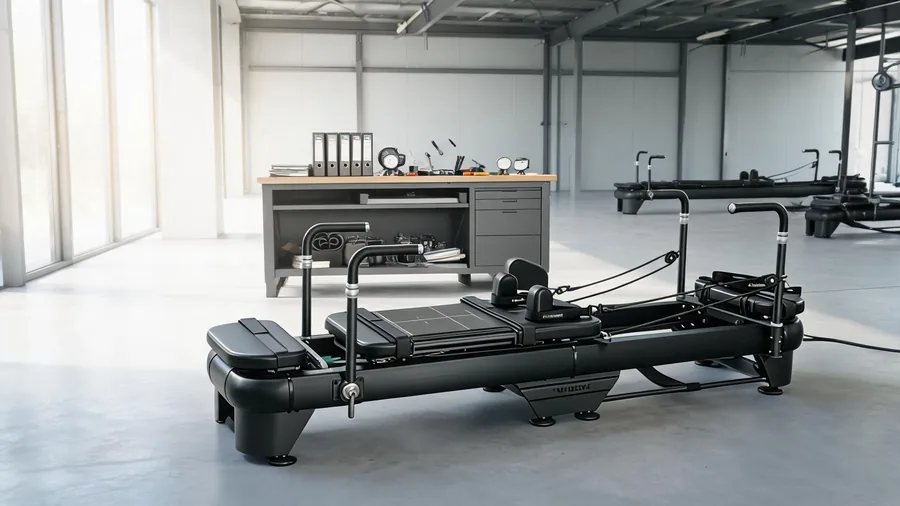
Tipik bir fabrika Pilates reformer 3 yıl garanti normal ticari kullanım koşulları altında malzeme ve işçilikteki üretim hatalarını kapsar. Buna çelik şasi, kaynak birleşim yerleri, taşıyıcı grubu, yay bağlantı noktaları ve makara sistemi dahildir. Bu yapısal bileşenler reformer'ın çekirdeğini oluşturur ve bir stüdyo ortamında normal çalışma sırasında garanti kapsamı dışında arızalanmaları hâlinde en yüksek değişim maliyetini temsil eder. Günlük ders programları için tasarlanan ticari sınıf reformer'lar, ev tipi ekipmandan çok daha fazla strese maruz kalır; bu da kapsamlı garanti kapsamını profesyonel stüdyo işletmecileri için ekipman seçiminde kritik bir faktör hâline getirir.
Bir garanti kapsam süresi Pilates reformer 3 yıl garanti üretim tarihinden değil, teslimat veya kurulum tarihinden itibaren başlar. Bu ayrım önemlidir; çünkü ekipman stüdyonuza ulaşmadan önce aylarca depoda bekleyebilir. Satın alma siparişinizi kesinleştirmeden önce garanti başlangıç tarihini her zaman yazılı olarak teyit edin. Bazı üreticiler ek ücret karşılığında uzatılmış kapsam seçenekleri sunar; bu, olası üretim sorunlarına karşı daha uzun vadeli koruma isteyen stüdyolar için yapısal bileşenlerde korumayı 5 veya 7 yıla uzatabilir.
Bir garanti için kayıt şartları Pilates reformer 3 yıl garanti üreticiler arasında değişir. Bazıları kapsamı etkinleştirmek için teslimattan sonraki 30 gün içinde çevrimiçi kayıt gerektirir; bazıları ise tüm üniteleri üretim seri numaralarından otomatik olarak kapsar. Belirtilen süre içinde garanti kaydını tamamlamamak kapsamınızı geçersiz kılabilir; bu nedenle stüdyolar, kurulum için yeni ekipman sahaya geldiğinde kayıt işlemini hemen yürütecek bir personel görevlendirmelidir.
2. Pilates Reformer 3 Yıl Garantiniz Gerçekte Neleri Kapsar
Fabrika pilates reformer garantisi kapsamı tipik olarak kaynak hataları, normal yük altında şasi deformasyonu ve erken korozyona yol açan yüzey kaplama kusurları gibi yapısal hatalara karşı ana çelik şasiyi içerir. Taşıyıcı grubu — taşıyıcı şasi, tekerlek rayları ve yatak yüzeyleri dahil — garanti süresi boyunca sorunsuz çalışmayı etkileyen üretim hatalarına karşı kapsanır.
Yay sistemleri genellikle tüm garanti süresi boyunca kapsanır; buna yay gerginliği tutarlılığı, yay uç bağlantıları ve yay malzemesinin metal yorgunluğuna dayanımı dahildir. Yaylar herhangi bir reformer'da en çok zorlanan bileşenler olduğundan, kapsamlı yay kapsamı yoğun ders programına sahip stüdyolar için özellikle değerlidir. Halat ve kayış sistemi, makara tekerlekleri ve halat bağlantı donanımı da çoğu ticari sınıf reformer'ın standart kapsam paketine genellikle dahildir. Taşıyıcı dolgusu, omuz dayanağı kılıfları ve ayak barı kaplaması gibi döşeme bileşenleri tipik olarak standart 3 yıllık garanti kapsamı dışındadır ve periyodik değişim gerektiren normal aşınma parçaları için ayrı bir 6 ay ile 1 yıl arası garanti ile kapsanır.
3. Yaygın İstisnalar ve Sınırlamalar
Her Pilates reformer 3 yıl garanti garantinin istisnaları vardır ve bunları anlamak, ekipman bakımı ve değişim maliyetleri etrafında doğru finansal planlama için esastır. Çoğu fabrika garantisi; hatalı kurulumdan, izinsiz değişikliklerden, tasarlanan kapasitenin ötesinde yanlış kullanımdan ve sarf parçalarındaki normal aşınma ve yıpranmadan kaynaklanan hasarları hariç tutar. Köpük dolgu, döşeme kılıfları ve yedek halatlar gibi aşınan bileşenler, ticari kullanım için standart fabrika garantisi kapsamında genellikle kapsanmaz.
Çevresel faktörlerden kaynaklanan hasar bir diğer yaygın istisnadır. Aşırı neme, uç sıcaklıklara veya malzemeleri normal kullanımdan daha hızlı bozan korozif temizlik kimyasallarına maruz kalma, etkilenen bileşenlerde kapsamı geçersiz kılabilir. Stüdyolar, hem ekipman durumunu hem de uzun vadede güvendikleri garanti korumasının geçerliliğini korumak için uygun ortam koşullarını sağlamalı ve üreticinin önerdiği temizlik ürünlerini kullanmalıdır. Sabit nem ve sıcaklık seviyelerine sahip iklimlendirilmiş depolama ortamları, üreticinin önerdiği çalışma yönergelerinin ötesindeki hatalı depolama veya bakım koşulları nedeniyle çevresel hasar taleplerinin reddedilme riskini önemli ölçüde azaltır.
4. Garanti Talep Süreci
MOQ ortamını anlamak Pilates reformer 3 yıl garanti ekipman sorunları sırasında hayal kırıklığını önler. Çoğu üretici belgelenmiş satın alma kanıtı, kusurun fotoğrafı veya videosu ve sorunun ayrıntılı açıklamasını ister. Doğrudan fabrikadan tedarik eden satıcılar, yedek parça stoğunu kontrol ettikleri ve distribütör onayını veya yetkilendirmesini beklemeden bileşenleri doğrudan üretim tesisinden gönderebildikleri için talepleri genellikle daha hızlı işler.
Yanıt süreleri üreticiler arasında önemli ölçüde değişir. Kaliteli fabrikalar iş günlerinde garanti taleplerine 24 ila 48 saat içinde yanıt verir; daha yavaş tedarikçiler ise talepleri işlemek için haftalar alabilir. Ekipman tedarikçilerini değerlendirirken, mevcut müşterilerden garanti talep deneyimleri hakkında referans isteyin. Bir garantinin gerçek sınavı, kağıt üzerindeki şartlar değil, kusurlu bir bileşen için gerçekten talep açmanız gerektiğinde üreticinin nasıl performans gösterdiğidir.
5. Fabrika Destekli vs Bayi Kapsamı
Fabrika destekli ve bayi destekli garantiler arasındaki en önemli fark, yedek parça ve işçilik için finansal sorumluluğu kimin üstlendiğidir. Fabrika destekli garantiler, kalite standartlarını ve müşteri memnuniyetini korumada doğrudan çıkarı olan üretici tarafından finanse edilir. Bayi destekli garantiler ise değişim maliyetini, talepleri cömertçe yerine getirmeye veya zamanında çözüm için verimli şekilde işlemeye daha az teşviki olabilecek distribütöre aktarır.
Doğrudan fabrikadan satın alma, aracıyı ortadan kaldırarak stüdyolara garanti departmanına ve mühendislik ekibine doğrudan erişim sağlar. Bu doğrudan ilişki tipik olarak daha hızlı talep çözümü, daha iyi yedek parça bulunabilirliği ve sınırda kalan talepler ortaya çıktığında daha esnek kapsam yorumları ile sonuçlanır. Fabrikalardan satın alıp son kullanıcılara yeniden satan bayiler, yedek parçalara ve işçilik maliyetlerine kendi kâr marjlarını ekleyebilir; oysa doğrudan fabrikadan alan müşteriler parçaları şeffaf maliyet yapısı ve aracı ücreti olmadan üretici fiyatından alır. Pilates Method Alliance ticari stüdyo uygulamaları için ekipman tedarikçilerini ve garanti şartlarını değerlendirme konusunda rehberlik sunar.
6. Garanti Süresi Ticari Stüdyolar İçin Neden Önemlidir
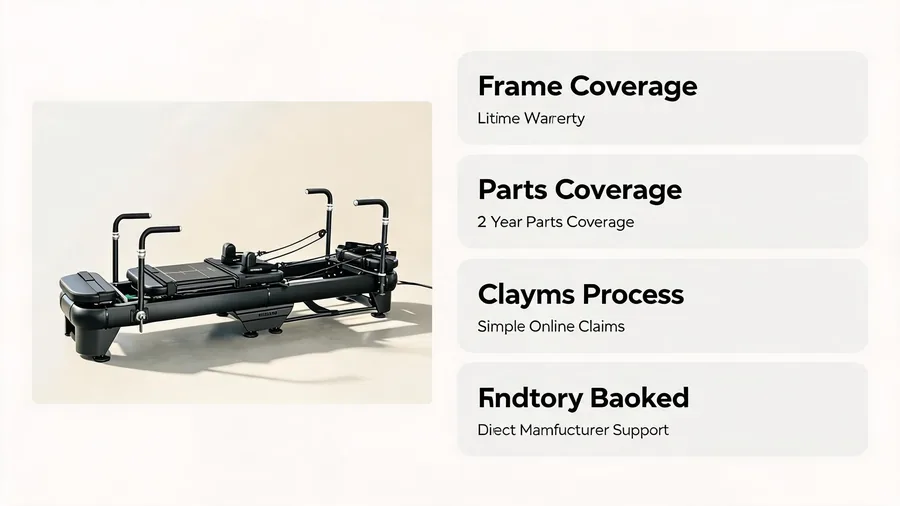
Ticari bir reformer'daki 3 yıllık garanti, üreticinin ürün kalitesine ve dayanıklılığına olan güvenini yansıtır. Günlük stüdyo ders programlarında kullanılan reformer'lar, ev tipi ekipmandan çok daha fazla strese maruz kalır ve garanti süresi, profesyonel koşullar altında kritik bileşenlerin beklenen ömrünü gösterir. Kapsamlı bir Pilates reformer 3 yıl garantisine sahip ticari sınıf ekipman, doğru bakım ve özenle genellikle 10 ila 15 yıl boyunca güvenilir şekilde çalışır.
İşletme maliyetlerini planlayan stüdyolar için garanti Pilates reformer 3 yıl garanti süresi ekipman bakım finansal planını doğrudan etkiler. Yapısal bileşenleri kapsayan 3 yıllık bir garanti, stüdyonun ilk üç yıl için öngörülebilir maliyetlere sahip olduğu anlamına gelir; bu maliyetler sarf malzemeleri ve rutin bakımla sınırlıdır. Garanti sona erdikten sonra stüdyolar, sektör ortalamalarına ve ekipman kullanım şekillerine dayanarak bakım ve bileşen değişimi için yıllık olarak ekipman değişim değerinin yaklaşık yüzde 3 ila 5'ini ayırmalıdır.
7. Satın Almadan Önce Sorulması Gereken Sorular
Bir ekipman satın alımına karar vermeden önce, stüdyo sahipleri uzun vadeli sahip olma maliyetlerini ve operasyonel güvenilirliği etkileyen garanti şartları hakkında belirli sorular sormalıdır. Temel sorular arasında garantinin onarımlar için işçilik maliyetlerini mi yoksa yalnızca yedek parçaları mı kapsadığı, garanti iadeleri için nakliye maliyetlerinin üretici tarafından mı karşılandığı ve kapsam süresi içinde stüdyo satılırsa garantinin devredilebilir olup olmadığı yer alır.
Diğer önemli hususlar arasında garanti kapsamında yedek parça temin etme süreci, garanti talepleri için tipik işlem süresi ve üreticinin stüdyo kesintisini en aza indirmek için kritik bileşenlerin önceden değişimini sağlayıp sağlamadığı yer alır. Bazı üreticiler, özellikle ders kapasitenizi doğrudan etkileyen yay ve halat gibi yüksek talep gören bileşenler için değerli olan garanti değişimleri için hızlandırılmış nakliye sunar. Garantinin yedek parça kurulumu için işçilik maliyetlerini mi yoksa yalnızca parçaları mı kapsadığını sorun. Pilates Method Alliance ticari stüdyo operasyonları ve ekipman yatırımları için ekipman alımlarını ve garanti şartlarını değerlendirme konusunda ek rehberlik sunar.
8. Reformer Garantileri Hakkında Sıkça Sorulan Sorular
3 yıllık garanti kazara hasarı kapsıyor mu?
Hayır, standart garanti Pilates reformer 3 yıl garanti üretim hatalarını kapsar, kazara hasarı kapsamaz. Ekipmanın düşürülmesinden kaynaklanan darbe hasarı, hatalı taşımadan kaynaklanan hasar veya izinsiz değişikliklerden kaynaklanan hasar hariç tutulur. Stüdyolar, standart garanti kapsam süresinin dışındaki kazara hasar senaryolarını karşılamak için iş sigortası düşünmelidir.
Stüdyomu satarsam garanti devredilebilir mi?
Pilates reformer 3 yıl garanti devredilebilirliği üreticiye göre değişir. Bazı fabrika garantileri yeni sahiplere otomatik olarak devredilir; bazıları ise resmi bir devir başvurusu ve onayı gerektirir. Yeni işletmeci için garanti korumasının devam etmesini sağlamak üzere kullanılmış ekipman satın almadan veya stüdyonuzu satmadan önce devir politikasını her zaman teyit edin.
Bir garanti talebi reddedilirse ne yapmalıyım?
Ret için yazılı bir açıklama isteyin ve bunu garanti şartlarına göre inceleyin. Reddin yanlış olduğunu düşünüyorsanız, üreticinin müşteri hizmetleri yönetim ekibine yükseltin. Doğrudan fabrikadan alan alıcılar genellikle daha iyi yükseltme seçeneklerine sahiptir; çünkü fabrika garanti departmanının verdiği talep kararlarını geçersiz kılma yetkisi olmayabilecek bir bayi aracısı yerine üreticiyle doğrudan ilişkiye sahiptir.
Garanti uluslararası nakliyeyi kapsıyor mu?
Çoğu fabrika garantisi, üreticinin tesisinden gönderilen yedek parçaları kapsar. Garanti iadeleri için nakliye maliyetleri, garanti şartlarında aksi belirtilmedikçe tipik olarak alıcının sorumluluğundadır. Üreticinin kendi ülkesi dışındaki stüdyolar, yabancı tedarikçilerden ekipman satın almadan önce uluslararası garanti kapsamını teyit etmelidir.
Garanti talebini nasıl açarım?
Satın alma kanıtınız, ekipman seri numarası, kusurun fotoğrafları ve sorunun açıklaması ile üreticinin garanti departmanına başvurun. Doğrudan fabrikadan üreten üreticiler tipik olarak doğrudan müşterilerinden gelen talepleri işleyen özel bir garanti irtibat kişisi sağlar; bu da bayi kanalları üzerinden yönlendirilen taleplere kıyasla daha hızlı işlem süreleriyle sonuçlanır. Garanti sorunları ortaya çıktığında hızlı erişim için tüm satın alma belgelerini ve seri numaralarını bir stüdyo ekipman dosyasında düzenli tutun.
9. Doğru Ekipman Korumasını Seçmek
A Pilates reformer 3 yıl garanti saygın bir üreticiden alınan garanti, stüdyo ekipman yatırımınız için temel koruma sağlar. En iyi garanti; talepleri yerine getirmede kanıtlanmış bir geçmişe sahip, duyarlı müşteri hizmetini sürdüren ve kapsam süresi boyunca yedek parçaları stokta tutan bir fabrika tarafından desteklenendir. Ekipman seçeneklerini karşılaştırırken, stüdyonuzun özel operasyonel ihtiyaçları ve finansal kısıtları için en bilinçli satın alma kararını vermek üzere garanti şartlarını yapı kalitesi, bileşen özellikleri ve müşteri yorumlarının yanı sıra değerlendirin.
Doğrudan fabrikadan satın alma en sorunsuz garanti deneyimini sunar; çünkü bayi aracısını ortadan kaldırır ve ekipmanınızı üreten ekibe doğrudan erişim sağlar. Ürünlerinin arkasında kapsamlı 3 yıllık garantilerle duran üreticiler, kalite kontrol süreçlerine ve üretim yöntemlerine olan güvenlerini gösterir. Şeffaf garanti şartları, duyarlı müşteri desteği ve Pilates camiasında güçlü bir itibara sahip bir üretici seçmek, garantinizin Pilates reformer 3 yıl garanti yıllar süren günlük ticari kullanım ve müşteri hizmeti boyunca anlamlı bir koruma sağlamasını garantiler. En iyi garanti hiç ihtiyaç duymadığınızdır; ancak sorunlar ortaya çıktığında, doğrudan fabrikadan destek hızlı bir çözüm ile ders programınızı ve müşteri memnuniyetinizi etkileyen uzun ekipman kesintisi arasındaki farkı yaratır.
İlgili Rehberler
- Pilates Reformer Satın Alma Rehberi 2026
- Ticari Pilates Reformerları Rehberi
- Reformer Ağırlık Kapasitesi Rehberi
- Reformer Güvenlik Standartları Rehberi
- Stüdyo Ekipmanı Kontrol Listesi
A warranty only holds up if the frame and springs are serviceable, which is how the commercial Pilates reformer range is built.