
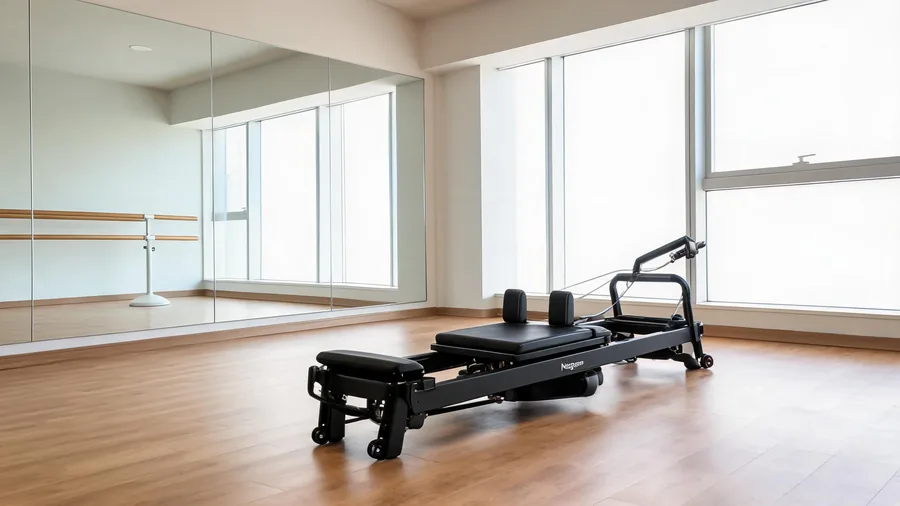
Dansçılar, yöntemin başlangıcından bu yana Pilates kros antrenmanını kullanmıştır — Joseph Pilates'in kendisi dansçılarla çalıştı ve reformer repertuvarının çoğunu onların özel hareket ihtiyaçlarını göz önünde bulundurarak geliştirdi. Bugün profesyonel dans toplulukları, üniversite dans programları ve bağımsız dans stüdyoları, Dansçılar için Pilates reformer'ını sakatlanma önleme, güç kondisyonu ve rehabilitasyon için kros antrenman programlarına dahil eder.
Bu rehber, dansçılara fayda sağlayan özel reformer egzersizlerini, dans stüdyoları için önemli olan ekipman özelliklerini, dans toplulukları için sezonluk programlamayı ve dans camiasına ulaşmak için pazarlama stratejilerini kapsar. Stüdyo sahipleri için dans demografisi, yüksek antrenman sıklığına ve performans sezonlarından bağımsız olarak yıl boyunca istikrarlı gelir üreten güçlü tavsiye ağlarına sahip, yıl boyu süren bir müşteri tabanını temsil eder.
1. Dansçılar Neden Dansçılar İçin Pilates Reformer Kros Antrenmanına İhtiyaç Duyar
Dans, patlayıcı güç ve sürekli dayanıklılıkla birleşen aşırı hareket açıklıkları gerektirir — bu kombinasyon vücuda benzersiz talepler yükler. Pilates reformer'ı, bu ihtiyaçları kasları tam hareket açıklığı boyunca, ağırlıkların sıkıştırma yükü olmadan güçlendiren değişken yay direnci aracılığıyla karşılar. Sakatlıktan iyileşen dansçılar için reformer'ın kontrollü kayan taşıyıcısı, doku iyileşme hızlarıyla uyumlu kademeli yüklemeye olanak tanır.
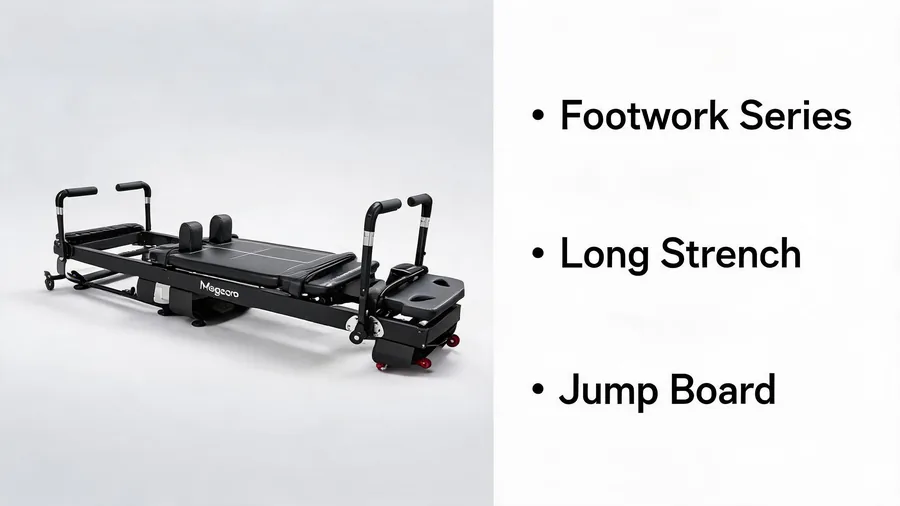
Dansçılar için Pilates reformer'ının dansa özgü faydaları şunları içerir: hedefli kalça rotasyon egzersizleriyle gelişmiş turnout gücü; jump board aparatlı kontrollü yay yüklü ayak çalışmasıyla artırılmış zıplama yüksekliği; dansçılarda yaygın olan aşırı gelişim kalıplarını düzelten dengeli kas gelişimiyle azaltılmış sakatlanma riski; ayak bileği burkulmaları, hamstring zorlanmaları ve bel ağrısı dahil yaygın dans sakatlıklarından daha hızlı rehabilitasyon; ve üst sırt ile omuzları güçlendiren kol yay çalışmasıyla gelişmiş port de bras kontrolü.
2. Dansçılar İçin En İyi Reformer Egzersizleri
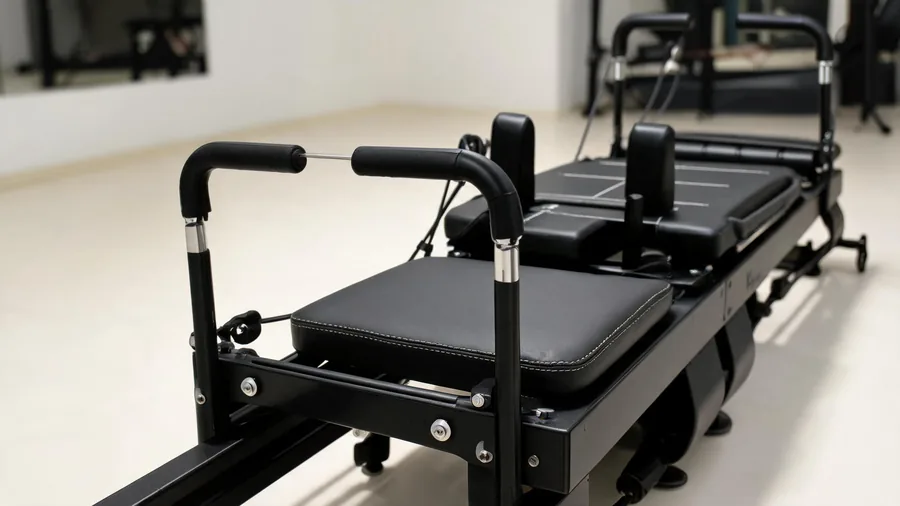
Bir reformer stüdyosu kuran dans toplulukları için pürüzsüz taşıyıcı kaymalarına ve tutarlı yay gerginliğine sahip ticari sınıf reformer'ları göz önünde bulundurun. Jump board aparatı dansçılar için özellikle değerlidir — sert zeminlerde zıplamanın darbe stresi olmadan güç geliştiren değişken dirençli patlayıcı zıplama antrenmanına olanak tanır. Megacore C26 serisi, profesyonel dans topluluğu antrenman programlarına özgü yüksek hacimli kullanıma dayanan hassas rulmanlara ve ağır hizmet yaylarına sahiptir.
3. Dans Stüdyosu Reformer'ları İçin Ekipman Özellikleri
Dans stüdyoları, dansçıların özel fiziksel taleplerini karşılayan reformer'lara ihtiyaç duyar. Ekstra uzun taşıyıcılar (30+ inç) daha uzun uzuvlara sahip daha uzun boylu dansçılara uyum sağlar. Daha geniş platformlar (16+ inç) turnout pozisyonlarında çalışan dansçıları destekler. 40+ pound için derecelendirilmiş ağır hizmet yayları, profesyonel düzey zıplama antrenmanı için yeterli direnç sağlar.
Çerçeve yüksekliği dansçı konforuna uygun olmalıdır — standart 20 inçlik çerçeveler çoğu yetişkin dansçı için uygundur, daha alçak çerçeveler (18 inç) ise minyon dansçılar veya daha kısa bacaklı olanlar için tercih edilebilir. Ayarlanabilir omuz destekleri ve baş dayamaları, bir dans topluluğundaki farklı vücut tiplerinde düzgün hizalamayı sağlar.
Dans kondisyonu üzerine sektör kaynakları şu kuruluş aracılığıyla bulunabilir: Pilates Method Alliance (PMA)'nın. Dansa özgü antrenman protokolleri hakkında ek rehberlik şu kuruluş aracılığıyla mevcuttur: International Association for Dance Medicine and Science (IADMS).
4. Dans Toplulukları İçin Programlama
Reformer programlarını dans takvimine göre yapılandırın. Sezon öncesi (performans sezonundan 4–6 hafta önce): orta düzey yay yükleriyle kondisyon ve sakatlanma önlemeye odaklanın. Performans sezonu: azaltılmış hacim ve iyileşmeye vurgu yapan bakım programları. Sezon dışı: artırılmış direnç ve yeni egzersiz ilerlemeleriyle güç geliştirme.
Bir dans topluluğu reformer programı için tipik haftalık program: Pazartesi — alt vücut gücü ve zıplama kondisyonu. Salı — üst vücut ve port de bras çalışması. Çarşamba — hafif germe ve miyofasyal gevşetmeyle aktif iyileşme. Perşembe — performansa özgü egzersizlerle tam vücut kondisyonu. Cuma — reformer kullanarak turnout kontrolü ve arabesque dengesine vurgu yapan teknik incelemesi ve esneklik odağı. Hafta sonu — dinlenme veya belirli performans rollerinde çalışan ya da küçük sakatlıklardan iyileşen dansçılar için isteğe bağlı bireysel seanslar.
5. Sıkça Sorulan Sorular
Pilates reformer antrenmanı dansçılar için iyi midir?
Evet. Pilates reformer antrenmanı, dansçıların denge, turnout kontrolü ve sakatlanma önleme için güvendiği derin stabilizasyon kaslarını güçlendirir. Royal Ballet ve American Ballet Theatre dahil birçok profesyonel topluluk, reformer antrenmanını kros antrenman programlarına dahil eder.
Dansçılar için en iyi reformer egzersizleri hangileridir?
Ayak bileği ve zıplama gücü için ayak çalışması serisi, arabesque kontrolü için tek bacak germe, cambre sırt esnekliği için sırt ekstansiyonları, develope kontrolü için bacak yayları ve allegro gücü için jump board'ın tümü dansçılar için son derece faydalıdır.
Bir dans stüdyosu kaç reformer'a ihtiyaç duyar?
Bir dans topluluğu küçük grup dersleri için genellikle 5–10 reformer'a ihtiyaç duyar. Özel seanslar sunan bir stüdyo 2–3 reformer ile başlayabilir. 20+ dansçıya sahip daha büyük topluluklar, verimli program sunumu için 10–15 reformer'a ihtiyaç duyabilir.
6. İlgili Rehberler
- Stüdyo Kullanımı İçin En İyi Pilates Reformer
- Pilates Reformer Satın Alma Rehberi 2026
- Sporcular için Pilates Reformer
Sonuç
Bu Dansçılar için Pilates reformer'ını dans tekniği ile fiziksel kondisyon arasındaki boşluğu kapatan temel bir kros antrenman aracıdır. Doğru ekipmanı seçerek, dans takvimine göre programlama yaparak ve doğrudan dans performansına fayda sağlayan egzersizlere odaklanarak, stüdyo sahipleri dansçıları yıl boyu çeken gelişen bir program oluşturabilir. Anahtar, reformer antrenmanının dans tekniğini nasıl tamamladığını anlamaktır — hacim yapmadan güç inşa etmek, esnekliği kontrolle iyileştirmek ve performanslar arasındaki iyileşmeyi hızlandırmak. Doğru ekipman ve programlamayla, dansçılar için Pilates reformer'ı herhangi bir profesyonel dans antrenman tesisinin vazgeçilmez bir parçası haline gelir.
Studios running dance conditioning usually pick from the studio-grade reformers.