

Quick Answer
Aluminum, wooden, and steel Pilates reformers differ in weight, durability, price, and feel. Steel is the most durable and handles commercial use for 15+ years, but is heavy (200–400 lbs). Aluminum is lighter (80–150 lbs) and portable but less rigid under heavy use. Wooden reformers are the lightest (60–120 lbs) and most aesthetically pleasing but require more maintenance and are not suitable for commercial studios. For most studio owners, steel is the clear winner — it lasts longer, requires less maintenance, and costs less over its lifetime. See our New vs Used guide for cost comparisons across materials.
Side-by-Side Comparison: Aluminum vs Wooden vs Steel
| Factor | Aluminum | Wooden | Steel |
|---|---|---|---|
| Weight | 80–150 lbs | 60–120 lbs | 200–400 lbs |
| Lifespan (commercial) | 5–8 years | 3–6 years | 15–20 years |
| Weight capacity | 250–300 lbs | 200–280 lbs | 300–500 lbs |
| Maintenance | Low | High (wood can warp) | Low (powder-coated) |
| Portability | Moderate | Easy | Difficult |
| Noise level | Low | Quietest | Low |
| Price (new) | $2,000–$4,000 | $1,500–$6,000 | $1,200–$5,000 factory-direct |
| Best for | Home, light commercial | Classical Pilates, home | Commercial studios, heavy use |
Steel Reformers: The Commercial Standard
Steel reformers dominate the commercial market for one simple reason: they last. A 14-gauge welded steel frame can handle 15+ classes per day for 15–20 years with basic maintenance. Steel doesn’t warp, doesn’t crack, and doesn’t absorb moisture. The downsides are weight (300+ lbs for full-size models) and cost of shipping — but lower factory-direct pricing offsets this.
For studio owners, steel reformers from Chinese manufacturers cost $1,500–$4,000 factory-direct — significantly less than US brands — while using the same grade of steel and spring components. The savings on a 6-machine order can exceed $15,000. Browse our steel reformer models for commercial specifications.
Aluminum Reformers: Light and Portable
Aluminum reformers appeal to home users and mobile instructors. They weigh roughly half as much as steel (80–150 lbs for a compact model vs. 200+ lbs) but sacrifice some rigidity. Aluminum is less likely to rust than steel but can dent and flex under heavy use. Most aluminum reformers have a weight capacity of 250–300 lbs — fine for most users but not ideal for studios serving diverse clientele.
Aluminum frames are typically priced 20–30% higher than equivalent steel frames because of material cost, but shipping costs less due to lower weight.
Wooden Reformers: Classical Aesthetics, Practical Limitations
Wooden reformers are prized in classical Pilates studios for their traditional look and warm feel. Birch and maple frames are beautiful when maintained properly. However, wood has real practical limitations: it can warp in humid environments, crack under heavy use, and requires more maintenance than metal frames. Wooden reformers typically last 3–6 years in commercial settings vs. 15–20 for steel.
Most modern Pilates studios choose steel over wood, except for dedicated classical studios that prioritize traditional aesthetics.
Which Frame Material Should You Choose?
Choose steel if: You run a commercial studio, have heavy daily use, want 15+ years of life, or are equipping multiple machines. Steel offers the best long-term value. See our Best Studio Use guide for recommendations.
Choose aluminum if: You need portability, have a home studio with moderate use, or want a rust-resistant option for humid climates.
Choose wood if: You run a classical Pilates studio, weight capacity requirements are low, and you’re prepared for regular maintenance.
Frequently Asked Questions
Are wooden reformers better for classical Pilates?
Traditionally yes — Joseph Pilates designed the original reformer in wood. But modern steel reformers can replicate the same exercises. The feel difference is minimal with quality springs and carriage bearings.
Do aluminum reformers rust?
No — aluminum is naturally corrosion-resistant. This makes it a good choice for coastal or humid environments.
Which frame type is quietest?
Wooden reformers with good maintenance are the quietest. Steel reformers can develop slight creaking over years of use (easily fixed with adjustment). Aluminum is similar to steel.
Can I get a steel reformer that folds for storage?
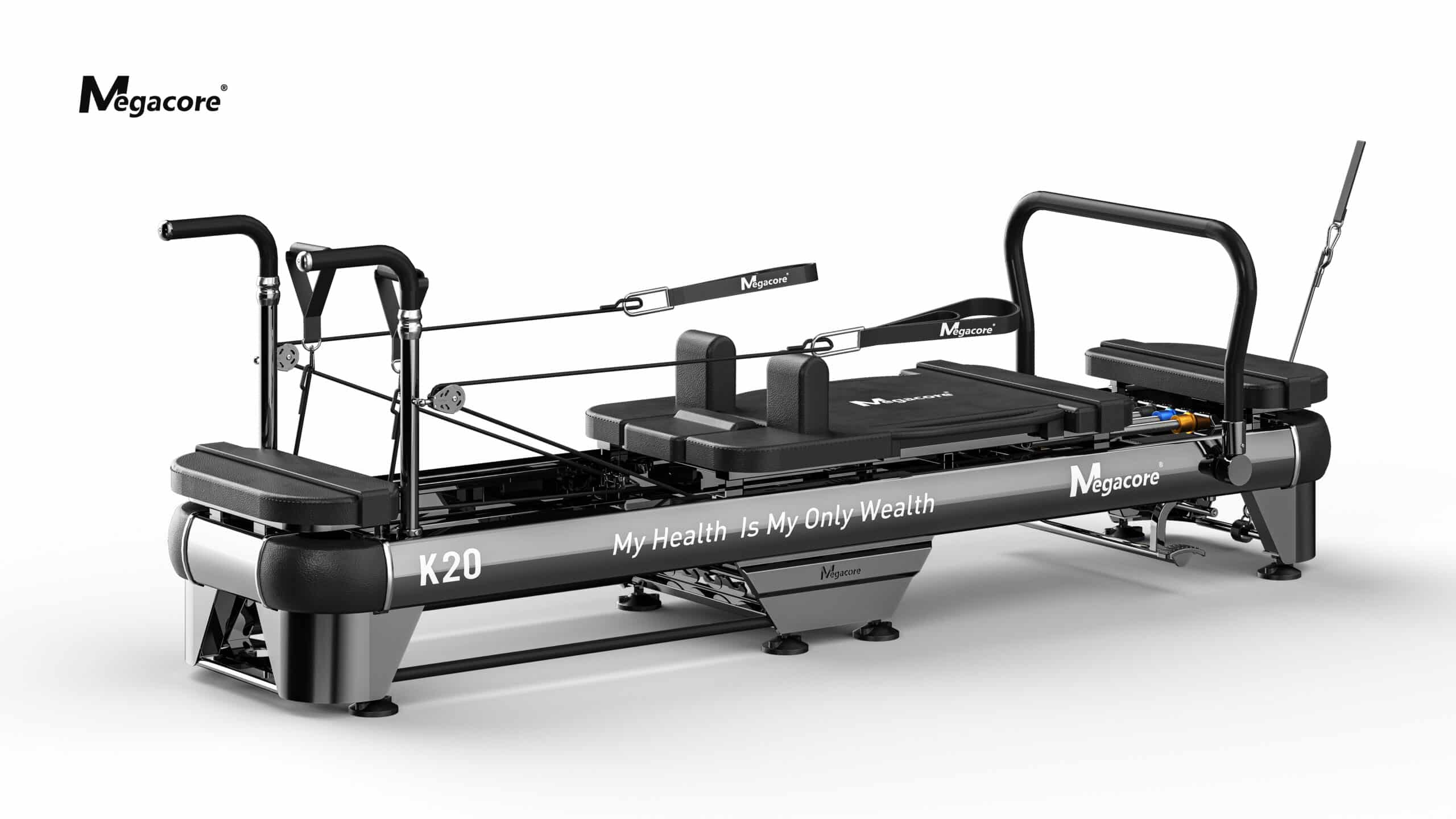
Yes. Many modern steel reformers (like the Megacore C26 and K20) fold upright for storage in less than 2 sq ft — despite weighing 200+ lbs.
What’s the best reformer material for a physical therapy setting?
Steel. The durability, higher weight capacity, and consistent resistance are more important than portability or aesthetics in a PT environment.
Get Expert Advice on Frame Materials
Not sure which reformer material is right for your studio? Megacore has been manufacturing steel, aluminum, and wooden reformers since 2002. Contact our team for personalized recommendations based on your studio type, client base, and budget. You can also browse our Comparisons section for more detailed reviews.
Ready to Source Your Pilates Reformers?
Talk to our team for factory-direct pricing, samples, and custom solutions. Free consultation — no obligation.
ISO 9001 & CE certified • 20+ years export experience • MOQ from 1 unit
Email: [email protected] • WhatsApp: +86 189 0238 9454