
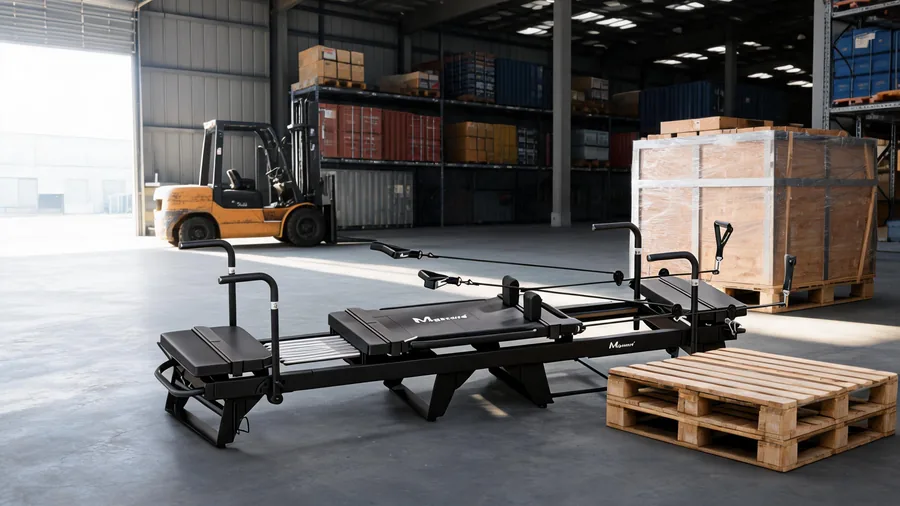
يؤثر الاختيار بين الشحن الجوي والشحن البحري لأجهزة Pilates Reformer في جدول التسليم والتكلفة الإجمالية. ويقارن هذا الدليل بين الخيارين عند شحن أجهزة Reformer تجارية من مصنّعين في الصين إلى الاستوديوهات حول العالم.
1. نظرة عامة على الشحن الجوي والبحري لأجهزة Reformer
يواجه المشترون الدوليون لأجهزة جهاز Reformer في Pilates Reformer قرارًا لوجستيًا حاسمًا، وفقًا لـ Pilates Method Alliance إرشادات: الشحن الجوي أم البحري. ويؤثر الاختيار في جدول التسليم والتكلفة الإجمالية للوصول وحالة المعدات عند وصولها. ويعرض هذا الدليل الفروق العملية بين طريقتي الشحن، بما يشمل مقارنات التكلفة وأوقات العبور ومتطلبات التغليف واعتبارات التخليص الجمركي الخاصة بمعدات اللياقة.
2. الشحن الجوي مقابل البحري لأجهزة Reformer: الشحن البحري
الشحن البحري هو الطريقة الافتراضية لطلبات أجهزة Reformer التجارية، ولسبب وجيه. فالميزة السعرية كبيرة: شحن حاوية 20 قدمًا من أجهزة Reformer (15-18 وحدة) من Shenzhen إلى Los Angeles يكلّف نحو 3,000-5,000 دولار، أي 170-330 دولارًا لكل جهاز. وإلى Sydney أو Melbourne تكلّف الحاوية نفسها 2,500-4,500 دولار. وإلى Rotterdam أو Hamburg توقّع 4,000-7,000 دولار بحسب الناقل البحري والموسم.
كما يوفر الشحن بالحاويات حماية أفضل للمعدات. فتُعبأ أجهزة Reformer بالإسفنج والكرتون داخل حاوية محكمة الإغلاق، محمية من الطقس والمناولة والسرقة طوال الرحلة. ويمكن تحميل الحاوية على شاحنة مسطحة في ميناء الوصول وتوصيلها مباشرة إلى استوديوك، ما يقلل المناولة الوسيطة التي تنطوي على مخاطر التلف.
العيب الرئيسي هو وقت العبور. يستغرق الشحن البحري من موانئ الصين الرئيسية إلى الساحل الغربي لأمريكا الشمالية 14-18 يومًا، وإلى أوروبا 25-32 يومًا، وإلى أستراليا 15-20 يومًا. أضف 3-5 أيام للنقل الداخلي من الميناء إلى استوديوك. وعادة ما يكون الإجمالي من الباب إلى الباب 30-45 يومًا من تاريخ مغادرة الحاوية للمصنع.
بالنسبة للاستوديوهات التي تخطط للشحن الجوي أو البحري لأجهزة Reformer، تؤثر طريقة تحميل الحاوية في التكلفة الإجمالية. فتحميل 15-18 جهازًا في حاوية 20 قدمًا يعظّم استخدام المساحة، أما التحميل على منصات للشحن الجوي فيتيح 4-6 وحدات لكل منصة بحسب أبعاد الجهاز.
3. الشحن الجوي مقابل البحري لأجهزة Reformer: الشحن الجوي
الشحن الجوي هو الخيار للطلبات العاجلة: عندما يقترب افتتاح استوديو جديد ولن تصل الحاوية في الوقت المناسب، أو عندما يتعطل جهاز وتحتاج فورًا إلى طقم نوابض بديل أو مكوّن تنجيد. ويستغرق الشحن الجوي من Shenzhen أو Guangzhou إلى معظم الوجهات الدولية 3-7 أيام من الباب إلى الباب، ما يضغط الجدول اللوجستي بشكل كبير.
الفرق السعري كبير. فشحن جهاز Reformer واحد جوًا يكلّف عادة 600-1,200 دولار بحسب الوزن الحجمي والوجهة، أي نحو 4-6 أضعاف تكلفة الوحدة بحرًا. أما شحنة جزئية من المكونات مثل أطقم النوابض أو وسائد العربة فتكلفتها معقولة أكثر: 50-150 دولارًا لطرد بوزن 10 كجم، ما يجعل الشحن الجوي الخيار العملي لقطع الغيار والملحقات.
وللشحن الجوي أيضًا حدود في الحجم. فأقصى ارتفاع للمنصة في معظم طائرات الشحن 160 سم، ما يعني أن جهاز Reformer مجمّعًا بالكامل (بارتفاع 50-60 سم عادة) يُشحن بسهولة، لكن الطول (230-250 سم) يستلزم شحنه مفككًا أو بسعر شحن خاص للشحنات كبيرة الحجم. ومعظم شحنات أجهزة Reformer جوًا تتضمن تفكيك الهيكل جزئيًا، بإزالة القضبان وربطها منفصلة، ما يضيف وقتًا لإعادة التركيب في الوجهة.
4. مقارنة بين الشحن الجوي والشحن البحري
عادة ما تكون نقطة القرار عند 3-5 وحدات. فما دون هذه الكمية قد يكون الشحن الجوي منافسًا بعد احتساب تكاليف النقل البري والتخليص الجمركي المرتبطة بالشحن البحري. وفوق 5 وحدات يصبح الشحن البحري أكثر جدوى اقتصادية بشكل متزايد. أما الحمولات الكاملة (15 وحدة أو أكثر) فالشحن البحري هو الخيار المنطقي الوحيد.
يناسب النهج المختلط كثيرًا من المشترين: إرسال الطلب الرئيسي بحرًا مع شحن بضع وحدات نموذجية أو مجموعة جزئية جوًا لتصل قبل 3-4 أسابيع. ويتيح ذلك للاستوديو بدء التركيب وتخطيط التوزيع وتدريب الفريق على الوحدات المبكرة بينما الحاوية الرئيسية ما زالت في الطريق. وتعمل العينات المشحونة جوًا أيضًا كمرجع للمقارنة مع شحنة الحاوية عند وصولها.
5. التغليف للشحن الجوي والشحن البحري
التغليف السليم أمر حاسم في شحن أجهزة Pilates Reformer جوًا أو بحرًا.
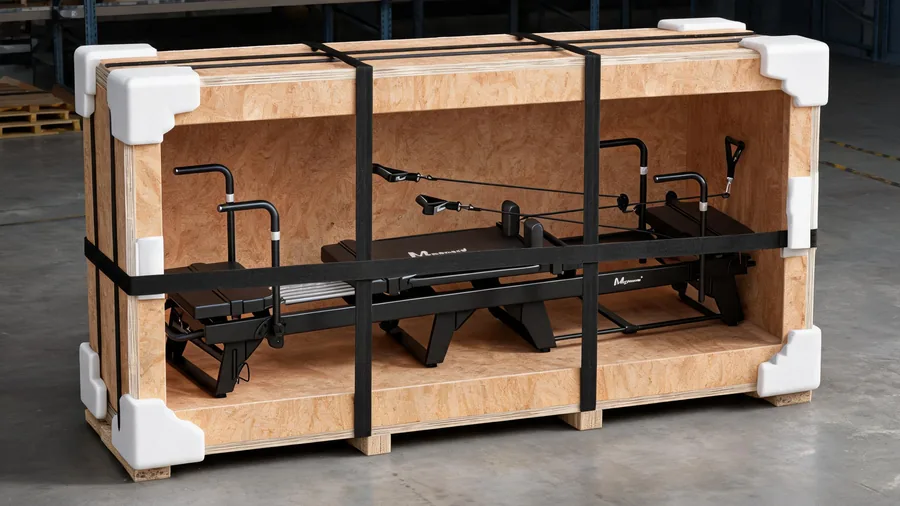
يجب أن يتحمل تغليف الشحن البحري التراكم وحركة الحاوية والرطوبة المحتملة خلال الرحلة البحرية. لذلك تُلف أجهزة Reformer بإسفنج البولي إيثيلين (بسماكة 5 سم على الأقل من جميع الجوانب)، ثم بالكرتون المموج، وأخيرًا بكيس بولي إيثيلين متين للحماية من الرطوبة. ويجب تثبيت كل وحدة داخل الحاوية بأحزمة الشحن أو أكياس الحشو لمنع انزلاقها في البحار الهائجة.
تغليف الشحن الجوي أخف. فتكفي طبقة واحدة من إسفنج بسماكة 3 سم مع الكرتون المموج لأن بيئة المناولة أقل قسوة بكثير. ويُحسب الوزن الإجمالي للشحن الجوي على أساس الوزن الحجمي — (الطول × العرض × الارتفاع بالسنتيمتر) / 6000 — ويحتسب الناقل الأعلى بين الوزن الفعلي والوزن الحجمي. وتقليل حجم التغليف بنسبة 10-15 في المئة في شحنة جوية قد يحقق وفورات ملموسة.
6. التخليص الجمركي للشحن الجوي والبحري
تُخلّص شحنات الشحن البحري جمركيًا في ميناء الوصول، ما يعني أن الحاوية قد تبقى في الميناء 2-5 أيام ريثما تُنجز المستندات. ومن الضروري التعاقد مع وسيط جمركي قبل وصول الشحنة، فهو يتولى التصنيف وحساب الرسوم وأي عمليات تفتيش مطلوبة. وتشمل حزمة المستندات القياسية: الفاتورة التجارية وقائمة التعبئة وبوليصة الشحن وشهادة المنشأ (إن لزمت للحصول على رسوم تفضيلية بموجب اتفاقية التجارة بين بلدك والصين).
عادة ما تُخلّص شحنات الشحن الجوي جمركيًا في مطار الوصول خلال 24 ساعة، خاصة إذا كانت قيمة الشحنة أقل من 2,500 دولار. أما الشحنات الأكبر فقد تُحوّل إلى تفتيش جمركي رسمي يستغرق 2-3 أيام. ومتطلبات المستندات نفسها في الشحن البحري، لكن الجدول المتسارع يعني أن جاهزية جميع المستندات قبل إقلاع الرحلة أمر حاسم لتجنب رسوم التأخير في منشأة الشحن بالمطار.
7. التأمين للشحن الجوي والبحري
يُنصح بشدة بتأمين البضائع في طريقتي الشحن. ففي الشحن البحري، خطر تلف الحاوية في العواصف أو تسرب المياه المالحة أو المناولة الخشنة في موانئ النقل حقيقي وإن كان منخفضًا (نحو 1-2 في المئة من الحاويات تتعرض لمستوى ما من التلف). وتتراوح أقساط التأمين عادة بين 0.3-0.5 في المئة من قيمة البضاعة في الشحن البحري و0.5-0.8 في المئة في الشحن الجوي، بما يعكس القيمة الأعلى للوحدة والعبور الأسرع.
يعرض معظم المصنّعين ترتيب التأمين ضمن عرض سعر CIF (التكلفة والتأمين والشحن)، لكن يجب التحقق من شروط التغطية: فتأمين البضائع البحري القياسي «ضد جميع المخاطر» يغطي الفقد أو التلف المادي ولا يغطي التأخير أو الخسائر التبعية مثل تأجيل افتتاح الاستوديو. وللطلبات عالية القيمة، فكّر في بوليصة منفصلة لتأخير بدء التشغيل، أو تحقق من أن تأمين انقطاع الأعمال في استوديوك يغطي تأخير تسليم المعدات.
8. الجدول الزمني اللوجستي للشحن الجوي والبحري
سواء اخترت الشحن الجوي أو البحري، ابنِ جدولًا لوجستيًا يتضمن هامشًا للمتغيرات الخارجة عن سيطرتك. والجدول الواقعي للشحن البحري من الطلب إلى التسليم هو: 15 يومًا للإنتاج، و5 أيام للنقل الداخلي إلى الميناء، و18-25 يومًا للعبور البحري، و5 أيام للتخليص الجمركي، و3 أيام للتسليم الداخلي — أي 46-53 يومًا إجمالًا. أما الشحن الجوي فهو: 10 أيام للإنتاج (معجل لطلبات الشحن الجوي)، ويومان إلى المطار، و3-5 أيام للعبور الجوي والتخليص، ويومان للتسليم النهائي — أي 17-19 يومًا إجمالًا.
يوفر Megacore Pilates تنسيقًا لوجستيًا لطريقتي الشحن، بما يشمل إعداد المستندات وحجز الناقل ودعم التخليص الجمركي. ويمكن لفريقنا اللوجستي إعداد عروض أسعار مقارنة للشحن الجوي والبحري لأي وجهة، وتقديم المشورة بشأن النهج الأكثر جدوى بحسب حجم طلبك وجدولك الزمني. كيف تورّد أجهزة Reformer التجارية
الشحن الجوي مقابل البحري لأجهزة Reformer: الأسئلة الشائعة
ما الذي يميّز معدات Pilates هذه عن البدائل المبتدئة؟
الفرق في المواد والتصنيع. فالمعدات التجارية تستخدم هياكل معدنية بالكامل ومحامل محكمة ونوابض معايرة. أما الموديلات المبتدئة فتستخدم مواد أخف تتدهور أسرع. وجهاز Reformer الجيد يدوم 5–10 سنوات أو أكثر، بينما يحتاج جهاز Reformer المبتدئ غالبًا إلى استبدال خلال سنة أو سنتين.
كيف أعرف إن كانت هذه المعدات مناسبة لاحتياجاتي تحديدًا؟
ضع في الاعتبار حالة الاستخدام الأساسية: استوديو أم منزل، وخصائص العملاء، وحجم الحصص، ووضع الاستوديو المالي. على أصحاب الاستوديوهات إعطاء الأولوية للمتانة وسهولة الوصول للصيانة، وعلى المستخدمين المنزليين إعطاء الأولوية لكفاءة المساحة وسهولة الاستخدام. طابق مواصفات المعدات مع متطلباتك المحددة بدلًا من الشراء العام.
ما الضمان والدعم اللذان ينبغي أن أتوقعهما من مصنّع موثوق؟
يجب أن تحمل المعدات التجارية ضماناً هيكلياً لا يقل عن سنتين وسنة على المكونات. وكثيراً ما يقدم المصنّعون المباشرون مثل Megacore تغطية ممتدة ودعماً فنياً مباشراً. واطلب دائماً وثائق الضمان كتابياً قبل الشراء.
الشحن الجوي مقابل البحري لأجهزة Reformer: الخلاصة
اختيار المعدات المناسبة يحدث فرقًا كبيرًا في ممارستك أو عملك في البيلاتس. وسواء كنت تؤسس استوديو أو تحدّث أجهزتك الحالية أو تجهّز مساحة منزلية — فالاستثمار في معدات جيدة تناسب احتياجاتك هو أساس رضا وأداء يدومان على المدى الطويل.
تصفّح أجهزة الـ Reformer التجارية لدينا ←
خطط لشحن أجهزة Reformer جويًا أو بحريًا
فهم الفروق بين الشحن الجوي والبحري لأجهزة Pilates Reformer يساعد أصحاب الاستوديوهات على اتخاذ قرارات شحن اقتصادية لطلباتهم.
تواصل معنا لمناقشة خيارات الشحن الجوي والبحري لطلبك. ويساعدك فريقنا اللوجستي في الشحن من الصين إلى استوديوك.
يساعدك هذا الدليل على اختيار طريقة الشحن المناسبة. قارن أسعار الشحن الجوي والبحري لأجهزة Reformer قبل تقديم طلبك التالي، فاختيارك يؤثر مباشرة في جدول تسليم استوديوك.