
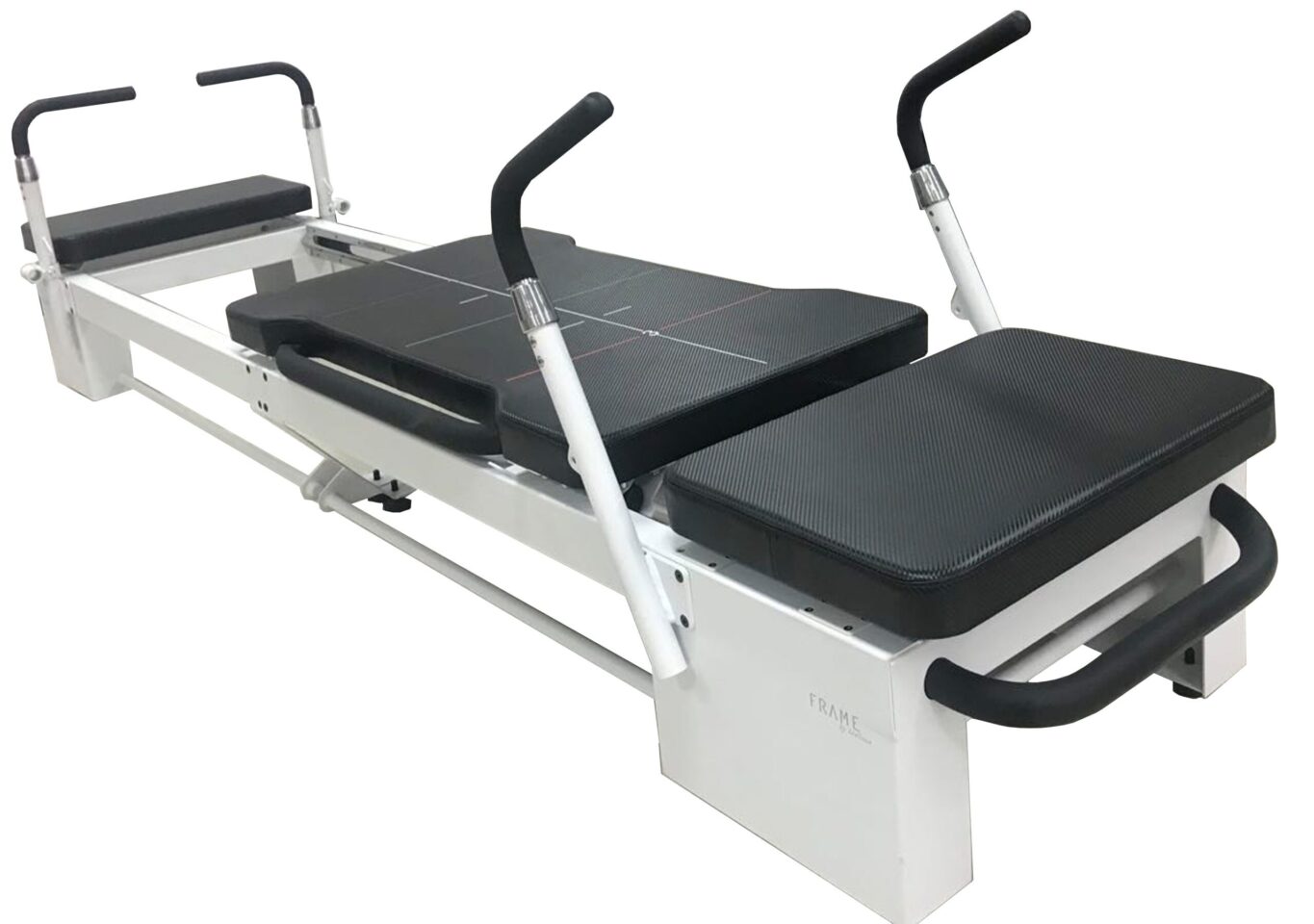
Тренировките на пилатес риформър стават все по-популярни през последните години поради многобройните им ползи за здравето, включително подобрена гъвкавост, стойка и сила. Един от начините да преминете на следващо ниво в тренировките на Пилатес римър е като използвате тежък Пилатес римър в уюта на дома си. В тази статия ще обсъдим ползите от домашните тренировки по Пилатес с помощта на тежък римпер и някои упражнения, които можете да опитате.
Ползи от използването на тежък пилатес реформатор за домашни тренировки
- Персонализиране: Пилатес риформъри предлага широка гама от регулируеми функции, които ви позволяват да персонализирате тренировката си според типа на тялото и нивото на физическа подготовка.
- Тренировка за цялото тяло: С помощта на пилатес риформър можете да изпълнявате различни упражнения, които натоварват различни части на тялото ви, като насърчават физическата форма на цялото тяло.
- Слабо въздействие: Тренировките на пилатес риформър са с ниско въздействие, което означава, че са щадящи за ставите и са идеални за хора с проблеми с травми.
- Прогресивна съпротива: Тежките пилатес риформъри осигуряват непрекъснато прогресивно съпротивление с помощта на ролки и пружини за по-предизвикателна тренировка. Важно е да се отбележи, че броят и силата на пружините могат да варират между различните модели римски тренажори, така че може да се наложи да регулирате съпротивлението на пружините в зависимост от оборудването и личната си сила. Винаги проверявайте настройките на вашия римпер и експериментирайте, за да намерите подходящото ниво на съпротивление, което е едновременно ефективно и безопасно за вас.
Модифициране и подреждане на упражненията за всички нива
Едно от предимствата на използването на тежък пилатес римър у дома е възможността да адаптирате и подредите тренировката си в зависимост от опита и целите си. Независимо дали тепърва започвате или вече имате няколко сесии, можете да регулирате както трудността, така и последователността на упражненията, за да отговарят на вашите нужди.
За начинаещи:
Придържайте се към основните движения, които наблягат на правилното подреждане и стабилността на ядрото. Класически упражнения за начинаещи като серии от крака, кръгове с крака и прости разгъвания на гърба ви помагат да овладеете основите, без да претоварвате тялото си. Фокусирайте се върху бавни, контролирани движения и по-леки настройки на пружините, докато се почувствате уверени.
За междинни нива:
С напредването си можете да въвеждате по-сложни упражнения или да увеличавате съпротивлението, като регулирате пружините. Опитайте се да добавите движения като сериите за гребане или работа с дълъг бокс, за да насочите усилията си към множество мускулни групи. На този етап може да започнете да експериментирате и с кратки, контролирани преходи между упражненията, за да поддържате пулса си висок, а мускулите си - загатнати.
За напреднали лекари:
Ако сте опитни, можете да повишите нивото, като включите сложни последователности и усъвършенствани движения като “изкачване на дърво” или усъвършенствани варианти на гребане. Това е и моментът да предизвикате баланса и координацията си с по-малко опори и по-високо съпротивление. Смесването на реквизити като съпротивителни ленти или дъска за скачане може допълнително да засили сесията и да поддържа нещата интересни.
Съвети за всички нива:
- Винаги започвайте с леко загряване, за да подготвите тялото си.
- Вслушвайте се в собственото си тяло и променяйте съпротивлението или обхвата на движение, ако е необходимо.
- Ако не сте сигурни в техниката, помислете за виртуална сесия със сертифициран инструктор по пилатес, за да сте сигурни, че практикувате безопасно.
Персонализирането на рутинните упражнения на реформатор не само поддържа свежестта, но и ви помага да изграждате сила и гъвкавост със собствено темпо.
Основни съвети и указания за безопасност при тренировки с пилатес реформатор
Докато тежкотоварният Пилатес реформатор може да подсили тренировките ви у дома, практикуването на добра форма е от решаващо значение за безопасността и ефективността. Ето някои изпитани съвети за безопасност и ключови сигнали, които да имате предвид по време на сесията:
- Фокус върху дишането: Дишайте дълбоко по време на всяко движение. Обикновено вдишвайте, когато удължавате каретата, и издишвайте, когато се връщате. Обърнете внимание, ако дадено упражнение изисква различен модел.
- Поддържане на неутрален гръбначен стълб: Поддържайте гръбначния си стълб в неутрално положение, особено по време на упражненията за крака и сърцевината. Избягвайте прегърбването или сплескването на гърба.
- Ангажирайте ядрото си: Помислете за привличане на пъпа към гръбначния стълб. Коремните мускули трябва да задвижват движението, а не да разчитат само на краката или ръцете.
- Внимавайте за подравняването си: Уверете се, че коленете, бедрата и раменете ви са подравнени. При упражнения с външна ротация водете движението от бедрата, а не от коленете или стъпалата.
- Работа с контрол: Движете се с намерение, а не по инерция. Оставете пружините да създават съпротивление, но не им позволявайте да отблъскват количката назад. Плавното, контролирано движение е по-безопасно и по-ефективно.
- Диапазон на ограниченията за начинаещи: Ако сте начинаещи в тренировките на реформатор, при упражненията с разгъване на краката не сваляйте краката под 45 градуса, за да предпазите долната част на гърба си.
- Използвайте правилно оборудването: Регулирайте ремъците, пружините и кормилото, ако е необходимо за вашия ръст и ниво на умения. Винаги проверявайте два пъти дали всичко е закрепено, преди да започнете работа.
- Наблегнете на ангажираността на цялото тяло: Натиснете задната част на ръцете си в постелката, свържете се чрез петите и се издължете от главата до петите, дори когато се фокусирате върху една мускулна група.
- Останете в настоящето: Следете как се чувства тялото ви. Ако усетите напрежение във врата, раменете или долната част на гърба, направете пауза и проверете подредбата си.
- Консултирайте се с професионалист, когато е необходимо: Винаги, когато е възможно, работете със сертифициран инструктор или следвайте професионалните напътствия - особено когато опитвате нови движения.
Като се съобразявате с тези указания, ще изградите едновременно безопасност и сила, поставяйки солидна основа за практикуването на Пилатес у дома.

Значението на инструктажа по пилатес на живо при използване на реформатор
Макар че тежкият пилатес риформър предлага огромна гъвкавост и предизвикателство за домашните ви тренировки, той не може да замени напътствията на жив инструктор по пилатес - особено за начинаещи. Пилатес риформърът въвежда нов набор от движения, настройки и съображения за безопасност, които могат да бъдат трудни за самостоятелно справяне.
Ето защо обучението на живо е важно:
- Правилна форма и безопасност: Личните инструктори могат да забележат и коригират формата ви в реално време, като намалят риска от травми и гарантират, че ще извлечете максимална полза от всяко упражнение.
- Персонализирана обратна връзка: Биомеханиката на всеки човек е уникална. Опитният инструктор съобразява движенията с вашите възможности, ограничения и цели, като ви помага да извлечете максимума от всяка сесия.
- Мотивация и отчетност: Понякога най-трудното е да започнете (или да се придържате към него!). Инструкциите на живо ще ви мотивират и ще ви помогнат да се справите с фитнес пътуването си.
- Прогресия и техника: Усъвършенстваните движения в Пилатес често изискват фини корекции в техниката. Професионалният треньор постепенно ще въвежда нови предизвикателства, докато натрупвате сила и увереност.
Ако сте начинаещи в пилатес или в реформатора, помислете дали да не посетите няколко студийни класа, лично в местната фитнес зала или чрез онлайн частни сесии, преди да се впуснете изцяло в самостоятелната си програма. По този начин ще изградите солидна основа и ще извлечете максимална полза от домашната си практика.
Използване на снимки като референция за упражненията на пилатес реформатора вкъщи
Ако практикувате упражненията на Пилатес реформатор у дома, наличието на визуално ръководство може да промени правилата на играта - мислете за него като за свой личен “информационен лист” за формата, подреждането и настройката. Висококачествените снимки, илюстриращи всяко движение или позиция, могат да ви помогнат да проверите техниката си и да се уверите, че извличате максимума от всяко упражнение.
Когато използвате тези визуални препратки, обръщайте внимание на:
- Позициониране на тялото: Обърнете внимание как са подредени главата, гръбначният стълб, ръцете и краката на всяка снимка.
- Настройка на оборудването: Снимките обикновено показват как трябва да се регулират стойката, пружините и ремъците. Съобразяването на вашия уред за реформиране с изображението може да ви помогне да започнете уверено.
- Ключови сигнали за движение: Потърсете напомняния за разположението на ръцете или краката и обхвата на движение, които можете да имитирате, докато изпълнявате всяко упражнение.
Имайте предвид обаче, че макар изображенията да са полезно допълнение, подобно на приятелско побутване в правилната посока, нищо не може да замени индивидуалните насоки от сертифициран инструктор, особено за начинаещите. Безопасността винаги е на първо място, затова използвайте снимките, за да затвърдите наученото в клас или от доверен учител.
Упражнения, които можете да опитате с тежък пилатес реформатор
Упражнения, които можете да опитате с тежък пилатес реформатор
Препоръчителни повторения и серии за упражнения на Пилатес Реформър за начинаещи
Когато тепърва започвате да използвате пилатес римър, знанието за броя на повторенията и сериите може да ви помогне да извлечете максимална полза от всяка сесия. Ето кратко ръководство за препоръчителните повторения за класическите движения, подходящи за начинаещи. Това ще ви помогне да се уверите, че тренировката ви е достатъчно предизвикателна, за да изградите сила, но не и претоварваща, така че да можете да се съсредоточите върху добрата форма и качественото движение.
1. Работа с краката на реформатора
- Изберете три стандартни позиции на краката: Пилатес V (пети заедно, пръсти навън), успоредни стъпала (пети и пръсти заедно) и само пети.
- Направете около 10 повторения във всяка позиция на краката.
- Почивайте за кратко между позициите, ако е необходимо.
2. Кръгове с крака и жаба
- За кръговете с крака започнете с 5 контролирани кръга във всяка посока.
- След това направете 5 повторения на позицията на жаба (пети заедно, пръсти на краката настрани, свити колене и след това изпънати).
3. Стоте
- Изпълнете 10 серии от дихателни цикли (вдишване за 5 пъти, издишване за 5 пъти). Всяка серия включва пълен цикъл на дишане и изпомпване на ръцете.
4. Спускане и повдигане на петата
- Стремете се към 10 бавни повторения: изтласквайте, след това спускайте и вдигайте петите с равномерен контрол.
5. Серия масаж на стомаха
- Изпълнете по 8 повторения за двете вариации - със заоблен гръб и с ръце назад.
6. Серия къси кутии
- Изберете кръгъл гръб, плосък гръб и плосък гръб с полюс.
- Направете около 5 бавни, контролирани повторения за всяко движение.
7. Серии за разтягане на слона и коляното
- Опитайте се да направите по 8 повторения на слона, разтягане на коляното със заоблен гръб и разтягане на коляното с извит гръб.
8. Работещ
- Редувайте краката за общо 20 серии (около 10 на крак).
9. Подемник на дъното
- Изпълнете 5-8 бавни, целенасочени повторения, като през цялото време поддържате ядрото си ангажирано.
Не забравяйте, че за начинаещите е важно да са последователни и да поддържат форма, а не да се надпреварват с упражненията. Когато станете по-силни и по-уверени, можете постепенно да увеличавате повторенията или да добавяте вариации, но започването с тези числа ще ви помогне да изградите здрава основа и да намалите риска от травми.
Готови ли сте да се движите? Ето няколко конкретни упражнения, които да включите в следващата си сесия на реформатор, както и как точно да ги изпълнявате:
Дихателни техники за тренировки с пилатес реформатор
Правилното дишане е ключова част от всяка сесия по пилатес, включително и при използването на риформер. Фокусирайте се върху дълбокото, контролирано дишане - вдишайте напълно, когато избутвате или изтегляте количката, и издишайте напълно, когато я връщате в изходна позиция. Понякога специфичните упражнения могат да имат уникални модели на дишане, така че обърнете внимание на тези сигнали. Като цяло поддържайте дишането си равномерно и съзнателно по време на тренировките, за да поддържате ритъма, да поддържате сърцевината си и да извлечете максимална полза от всяко движение.
Съображения за безопасност за стоте на пилатес реформатора
Когато изпълнявате "Стоте" на пилатес римър, трябва да имате предвид безопасността, за да предотвратите натоварване или нараняване, особено когато изграждате основната сила. Ето някои важни съвети, за да си осигурите безопасно и ефективно изживяване:
- Защитете гръбнака си: Be mindful not to lower your legs so much that your lower back begins to lift off the reformer’s carriage. Maintaining a neutral spine helps safeguard against unnecessary pressure on your back.
- Engage Your Core: Focus on drawing your belly button towards your spine throughout the exercise. This stabilizes your core and lessens the risk of overworking your neck or shoulders.
- Stay Within Your Range: Start with your legs in a tabletop position or extend them upwards, only lowering as far as you can comfortably keep your low back pressed down.
- Use Controlled Movements: Pump your arms in a steady, rhythmic motion and avoid any jerky or abrupt movements.
- Слушайте тялото си: If you experience discomfort in your neck or if your form falters, pause and reset. You can always keep your head resting down or bend your knees more to reduce the challenge.
By following these guidelines, you’ll make the most out of your Hundred while minimizing risk—setting yourself up for consistent progress on your reformer workouts.
Common Foot Positions for Pilates Reformer Footwork
When it comes to Pilates reformer work, foot positioning plays a crucial role in targeting various muscle groups and ensuring proper alignment. Here are a few classic foot positions you’ll encounter during your workouts:
- Pilates V: Place the balls of your feet on the foot bar with your heels together and lifted, creating a small V shape with the toes angled outward. This stance helps engage the inner thighs and promote external hip rotation.
- Bird on a Perch: Keep your legs together and rest the arches of your feet over the bar as if you’re gently wrapping your toes around a tree branch. This variation challenges your stability and encourages foot and ankle flexibility.
- Heels Together: Place your heels on the bar with your legs pressed together. This position shifts the emphasis to the hamstrings and glutes, offering a slightly different challenge for your lower body strength.
- Heels Lower Lift: This move begins with your heels on the bar, legs together, and involves lowering and lifting the heels to increase calf engagement and ankle mobility.
Integrating these foot positions helps you get the most out of your reformer sessions, ensuring a well-rounded lower body workout.
Proper Sequence and Setup for the Reformer Footwork Series
One of the foundational Pilates reformer routines is the footwork series, which is excellent for warming up and cueing proper alignment throughout your practice. To get started, adjust your reformer with four springs attached and the headrest elevated for comfort. Begin lying on your back, aligning your spine neutrally and gently engaging your core.
Here’s how to set up and move through each foot position:
- Pilates V: Position the balls of your feet on the foot bar, heels lifted and together, so your knees naturally track just outside hip width. This stance fires up your inner thighs and pelvic floor as you press out.
- Bird on a Perch: Bring your legs together with the toes wrapped over the bar, keeping the heels lifted. This position helps activate the entire lower leg.
- Heels: With legs together, place your heels firmly on the bar, flexing your ankles. This targets the backs of your legs while maintaining a full-body stretch.
For each position, aim for 10 repetitions—pressing out on the inhale and returning on the exhale. Throughout the exercise, keep your arms pressing gently into the mat to help stabilize your shoulders and lengthen your posture. Focus on moving with control, making sure you’re engaging your glutes and hamstrings instead of letting the quadriceps do all the work.
With this sequence, your entire lower body is warmed up and prepped for the rest of your reformer session.
- Кръгове на краката
This exercise targets your lower body, specifically your hips and thighs.
Steps:
– Lie down on the carriage of the reformer with your head towards the foot bar.
– Secure your feet in the foot stirrups and lift your legs up to the ceiling.
– Circle your legs in the air, making sure to keep your core engaged and your spine neutral.
Tips for Getting the Most Out of Leg Circles:
- Set up your reformer with 2 springs and the headrest up for optimal support.
- Thread the long straps through the loops and handles, ensuring the metal clips are on the outside for safety and comfort.
- Begin with your legs lifted and together, externally rotated from the hips.
- For beginners, avoid lowering your legs below a 45-degree angle to protect your lower back.
- As you circle, exhale to bring the legs up, inhale to sweep them open, and exhale again to bring them together.
- Aim for 5 circles in each direction, maintaining smooth and controlled movement throughout.
This classic Pilates move not only strengthens your hips and thighs but also challenges your core stability, helping to improve overall control and flexibility.
Frog
This classic Pilates reformer move focuses on strengthening your hips, inner thighs, and core while promoting flexibility.
Steps:
– Begin by lying on the carriage with your head resting comfortably and your shoulders relaxed.
– Place your feet into the long straps, heels together and toes pointed outward in a small “V” shape.
– Draw your knees in towards your chest, keeping them shoulder-width apart—avoid letting them go wider than your shoulders.
– Press your legs out at a 45-degree angle, extending them fully while squeezing your inner thighs together.
– Bend your knees to return to the starting position, always keeping your core engaged and your spine neutral.
Tips for Alignment:
- Maintain a neutral spine throughout the movement—avoid arching or pressing your back flat into the carriage.
- Keep your inner thighs connected for stability, and initiate the movement from your hips rather than your knees.
- Move steadily and focus on control rather than speed, ensuring each repetition is precise.
- Back Extension
This exercise targets your back muscles, promoting strength and stability.
Steps:
– Start by lying down on your stomach with your hips and legs on the carriage and your hands on the shoulder rests.
– Lift your upper body off the carriage in a controlled manner, engaging your back muscles.
– Lower down slowly, ensuring you keep your spine neutral and your core engaged.
- ### Short Box Series
This exercise targets your core muscles, promoting strength and stability.
Steps:
– Sit on the carriage with your legs bent, holding the box in front of you.
– Round your spine and roll back onto the box, aligning your shoulders with the opening.
– Engage your core and bring your torso upright.
For greater challenge and variety, try these classic variations of the Short Box Series:
Short Box – Round Back
- Place the short box over the shoulder blocks.
- Secure your flexed feet under the foot strap.
- Sit upright on your sit bones, focusing on a feeling of length through the legs—imagine energy traveling up the front of the legs and down the back.
- Begin in a deep, long C-curve, keeping your core engaged.
- Inhale as you curl your pelvis under, rolling back while maintaining the roundness in your spine. Avoid hinging at the hips.
- Exhale to return upright, using your abdominals to bring you forward.
- Repeat for 5 reps.
Short Box – Flat Back
- Again, place the short box over the shoulder blocks and keep your feet securely flexed under the strap.
- Sit tall, ensuring your torso stays in one solid piece, aligned with your pelvis.
- Lift up and back through your belly, keeping your arms active and shoulders relaxed.
- Inhale as you lean back with a flat back, without arching or collapsing.
- Exhale to return upright.
- Repeat for 5 reps.
Short Box – Flat Back with Pole (Optional)
- Hold a pole or dowel overhead to connect your arms to your core.
- Keep your arms in your peripheral vision, shoulders down and back.
- Maintain the same tall posture and movement as above, focusing on keeping your core strong and your movement controlled.
- Inhale to lean back, exhale to return upright.
- Complete 5 reps.
These Short Box variations are excellent for building core strength, improving spinal mobility, and reinforcing good posture. Adjust the difficulty by modifying the range of motion or using added props, depending on your experience and comfort level.
Advancing Your Pilates Reformer Workout
If you’re looking to add variety and challenge as you progress, consider incorporating the rowing series into your routine. The rowing exercises on the reformer are perfect for targeting your upper body, core, and posture as you gain confidence with foundational movements.
For those new to these exercises, you may prefer to stick with the basics like leg circles at first. As you become more comfortable and your technique improves, you can gradually expand your workout by introducing intermediate moves such as the stomach massage series—a great way to engage your core and explore more dynamic movements.
If you’re following an intermediate-level program, you might also try adding exercises like “climb a tree,” which enhances spinal articulation and hamstring flexibility. From there, continue building your skills with exercises like the elephant, which helps improve your balance, stability, and core strength.
By rotating these advanced and intermediate exercises into your sessions, you’ll be able to keep your Pilates workouts fresh and continually challenge your body as you progress.
Bottom Lift
This exercise is a fantastic way to target your glutes and hamstrings while reinforcing proper spinal alignment.
How to do it:
- Set your reformer with four springs, footbar raised, and headrest in the up position.
- Lie on your back with your feet on the footbar, knees bent and slightly turned out from the hips. Your arms should rest long by your sides, with the backs of your arms pressing gently into the mat.
- Before lifting, activate your glutes and, from deep in your hips, press your feet into the bar.
- Lift your pelvis just a fist’s height above the carriage. Focus on keeping your spine in a neutral position throughout the movement—there should be no tucking or arching.
- Lower your pelvis in a controlled way to return to the starting point.
- Perform 5-8 slow, deliberate repetitions.
Key alignment tips:
- Keep the turnout initiated from your hips, not your knees.
- Maintain that neutral spine—avoid curling your tailbone under or over-arching your back.
- Press the backs of your arms gently into the mat for added stability and shoulder support.
Working with the bottom lift helps ensure your glutes and hamstrings are engaged while minimizing unnecessary strain on your lower back.
Стоте
A classic Pilates exercise, the Hundred is a core-strengthening favorite that transitions beautifully onto the reformer. Beginners can feel right at home by following these simple steps:
Starting Position:
– Begin with the footbar lowered. Lie on your back on the reformer carriage.
– Take hold of the handles, arms extended straight and resting at your sides.
– Draw your knees in toward your chest, curling your head and shoulders up so your gaze is toward your legs.
How to Perform:
- Bring your legs into tabletop position (knees bent at 90 degrees), or if you’re comfortable, extend them straight up toward the ceiling. Only lower your legs as far as you can while keeping your lower back flat and engaged on the carriage—don’t arch or let your back peel off.
- With your core braced, begin pumping your straight arms up and down, just above the carriage.
- The pattern is 10 sets of breaths: Inhale through the nose for five arm pumps, then exhale through the mouth for five pumps. That’s one set; continue until you complete ten full sets (totaling 100 pumps).
Remember, the focus should be on controlled breathing and keeping your core active throughout. If you’re ever unsure, stick to a higher leg position to protect your lower back.
Key Reminders for Proper Reformer Footwork
To get the most out of your footwork on the heavy-duty Pilates reformer, keep these pointers in mind:
- Maintain a neutral spine throughout the movement, making sure your abs are engaged for stability.
- When in Pilates V position, lift your heels slightly to help activate your inner thighs and pelvic floor muscles.
- Focus on elongating your body both as you press out (inhale) and return (exhale). Think about reaching through your legs rather than just pushing.
- Involve your entire leg—especially the backs of your thighs—not just your quadriceps. This will ensure a more balanced workout and better muscle engagement.
- Press the backs of your arms gently into the mat for added upper body stability, keeping your shoulders relaxed.
These tips will help you perform your reformer footwork safely and effectively, maximizing the benefits of each repetition.
Running on the Pilates Reformer
Running is a great finishing exercise on the Pilates reformer that helps stretch and strengthen your lower legs, improving both flexibility and control.
How to Do It:
– Set your reformer with four springs engaged, keeping the headrest and foot bar up.
– Lie on your back and place your feet parallel on the foot bar, about hip-width apart.
– Extend your legs fully, then alternate bending one knee as you lower the heel of the opposite foot toward the foot bar—mimicking a gentle running or “pedaling” motion.
– Perform 20 alternating reps, focusing on smooth transitions and controlled movement.
Muscles Worked:
Running on the reformer primarily targets your calves and ankles, while also engaging your hamstrings, quadriceps, and glutes. As you emphasize lifting through the heel and extending from the back of the leg, you’ll not only build muscle endurance but also reinforce strong foot articulation and ankle stability.
This exercise is an excellent way to reinforce technique and finish your session, leaving your lower body feeling both activated and lengthened.
Elephant
The Elephant is a classic reformer exercise that builds core strength and stability while stretching your hamstrings and calves.
How to Perform the Elephant Correctly:
- Set up your reformer with two springs, headrest up, and footbar raised.
- Stand on the carriage with your hands on the footbar, shoulders aligned over your wrists, and feet flat against the carriage, pressing down through your heels.
- Keep your back flat and spine neutral, ensuring your hips stay lifted without collapsing into your back.
- As you exhale, use the strength of your abdominals—not just your hips—to pull the carriage in toward the footbar. The movement should be controlled and initiated from your center.
Remember, proper execution is all about engaging your core and maintaining stability throughout the exercise. Avoid relying solely on your legs to move the carriage, and you’ll get the most out of this effective reformer movement.
Knee Stretch Series: Main Cues for Proper Form
The knee stretch series is a staple on the heavy-duty Pilates reformer, perfect for targeting core stability and improving hip mobility. To get the most from these exercises, focus on these main movement cues:
- Set Your Position: Whether you’re working with a rounded or arched back, establish your spine position first and commit to maintaining it throughout the set.
- Engage the Core: Keep your abdominal muscles actively engaged. Think about pulling your belly button toward your spine.
- Isolate the Movement: The action should come primarily from the opening and closing of your hips. Resist the urge to move your back or shoulders as you go through repetitions.
- Stable Upper Body: Anchor your hands firmly and avoid shifting your upper body—your arms and shoulders should remain steady.
- Controlled Pace: Perform each repetition mindfully and with control, avoiding momentum.
Keep these cues in mind to ensure you’re activating the right muscle groups and getting the most benefit out of your knee stretch series.
Knee Stretch Series on the Reformer
The knee stretch series on a heavy-duty Pilates reformer is excellent for targeting your core, hips, and back. This series features two popular variations: the round back and the arch back. Here’s how you can perform each one effectively at home:
Knee Stretch – Round Back
This variation focuses on engaging your abdominals and maintaining a flexed (rounded) spine.
Steps:
- Set your reformer with two springs, footbar up, and headrest elevated for proper alignment.
- Kneel on the carriage, placing your hands on the footbar and your feet against the shoulder rests.
- Round your spine by tucking your chin slightly and drawing your belly in, as if creating a gentle C-curve from head to tailbone.
- Without changing the position of your spine, push the carriage back by extending your legs—opening at the hips only.
- Pull the carriage forward, using your abdominals to control the movement. Repeat for the desired number of reps, keeping your core active and your back rounded throughout.
Knee Stretch – Arch Back
This variation shifts the focus to your back extensors and promotes both strength and stability through your core and spine.
Steps:
- Remain in the same starting position as the round back: hands on the footbar, knees on the carriage, feet at the shoulder rests, and the same spring and headrest configuration.
- Instead of rounding, extend your spine by lifting your chest and arching your lower back gently while keeping your abdominals engaged and shoulders away from your ears.
- As in the previous variation, move the carriage by hinging at your hips—push back to open the hips and then pull the carriage forward using your core.
- Maintain the arched position in your back throughout each repetition, ensuring the movement stays controlled and precise.
Perform each variation for about 8 repetitions, focusing on quality over speed. This series effectively wakes up your core while building strength and stability throughout your entire body.
Heels Lower and Lift
This exercise is excellent for strengthening your calves and improving ankle mobility.
Steps:
– Start by lying down on the reformer carriage and place the balls of your feet on the footbar in a Pilates V position, keeping your heels together and lifted.
– Press the carriage out until your legs are straight, but avoid locking your knees.
– With control, lower your heels below the footbar for a count of three, feeling a gentle stretch through your calves.
– Lift your heels back up for a slow count of three, engaging your calf muscles as you rise.
– Repeat this motion for ten controlled repetitions, keeping your core engaged and movements steady throughout.
Stomach Massage Series: Key Cues for Technique
Rounded Stomach Massage
This classic reformer move fires up your abdominals and invites a full, rounded C-curve through your spine.
- Set-Up: Sit right near the edge of the carriage, ideally on non-slip pads for extra grip. Place your feet in Pilates V (heels together, toes apart), with your heels floating a bit above the footbar.
- Form Tips: Deeply round your spine, creating that signature “C-curve.” Keep your shoulders relaxed away from your ears.
- Movement Cues:
- Inhale as you press the carriage out.
- As you exhale, lower your heels toward the bar.
- Inhale to lift your heels again.
- Then, exhale and draw the carriage back in, maintaining a strong crease at the hips and your core fully engaged.
- Reps: Aim for about 8 controlled movements.
Arms Back Variation
Take the stomach massage a step further by adding a chest-opening challenge.
- Set-Up: Adjust your springs for less resistance (typically dropping one spring compared to the rounded version). Sit at the same edge, with feet in Pilates V. This time, reach your arms straight behind you, opening up through your chest.
- Form Tips: Lift tall through your rib cage—not just the front, but all around—while keeping your shoulders broad.
- Movement Cues:
- Inhale to push the carriage out.
- Exhale and lower your heels, keeping the energy through your inner thighs.
- Inhale to lift your heels.
- Exhale to pull the carriage in, carving out a deep crease at the hips.
- Bonus Focus: Keep powering the movement from your abdominals, not just your legs. You’ll feel both your inner thighs and the backs of your legs working, while your arms help you expand through the chest.
Blending control, breath, and body awareness, these cues help you get the most from the stomach massage series during your reformer session.
Stomach Massage Series
Stomach Massage exercises are a classic part of the reformer repertoire, offering a unique blend of core strength and mobility work. This series actually has a few variations you can perform for different benefits.
Stomach Massage – Rounded
Start by sitting near the edge of the reformer’s carriage—using non-slip pads can help you stay stable. Your feet should be in a “Pilates V” position, heels lifted and toes touching the foot bar, with your knees bent and pulling toward your chest. Round your spine, finding that deep C-curve through your torso.
To perform the movement:
- Inhale as you press the carriage out with your feet.
- Exhale, dropping your heels to stretch the calves.
- Inhale again as you lift your heels.
- Finally, exhale to pull the carriage back in, keeping your core engaged and the hips deeply creased.
Move with control, focusing on maintaining your rounded shape throughout the sequence; this targets your abdominals and helps build heat in the inner thighs.
Stomach Massage – Arms Back Variation
For the arms back variation, keep the same basic setup but lower the resistance slightly. Sit close to the edge with your feet remaining in Pilates V and heels up. This time, shift your posture to lengthen your spine, lifting tall through your rib cage, and extend your arms straight behind you, opening the chest.
Repeat the movement pattern:
- Inhale to press the carriage out,
- Exhale to lower the heels,
- Inhale to lift the heels,
- Exhale as you draw the carriage back in.
Focus on using your abdominals and leg muscles, especially the inner thighs and backs of your legs. The addition of arms reaching back encourages you to open your chest and further engages your postural muscles, while maintaining that deep crease at your hips.
These variations challenge your stability and core strength, adding diversity and focus to your Pilates routine.
Заключение
Heavy-duty Pilates reformers are fantastic tools for anyone looking to enhance their in-home Pilates workouts. They provide numerous benefits, including personalization, full-body workouts, low-impact exercise, and progressive resistance. Try some of these exercises above, and let the reformer challenge your body while you enjoy the full benefits of Pilates practice in the comfort of your own home.
