
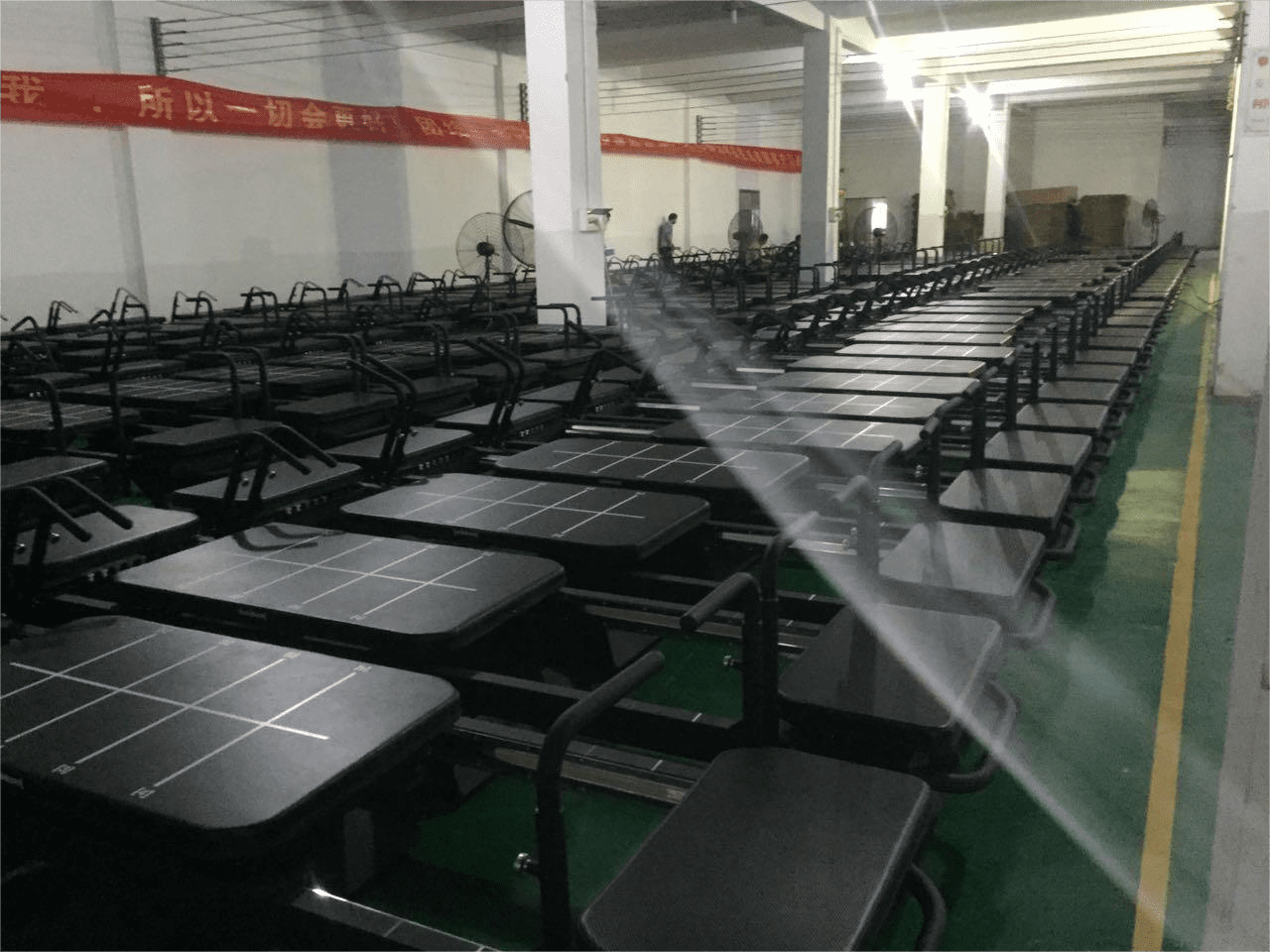
Sustainability in Pilates Equipment Manufacturing
Environmental sustainability has become a significant consideration in equipment purchasing decisions across the fitness industry. Studio owners, corporate wellness directors, and individual purchasers are increasingly evaluating the environmental impact of their equipment investments alongside traditional factors such as durability, performance, and cost. For Pilates reformer manufacturers, addressing these environmental concerns through sustainable materials and production processes has become a competitive differentiator and a business imperative.
The environmental impact of a Pilates reformer extends across its entire lifecycle — from raw material extraction and manufacturing through transportation, use, and eventual disposal. Each phase presents opportunities for reducing environmental footprint through material selection, production efficiency, and design for longevity and recyclability. Factory-direct manufacturers are increasingly adopting sustainability practices that reduce environmental impact while maintaining the quality standards that commercial buyers require.
Sustainable Materials in Reformer Construction
Steel Frame: The frame is the largest component of a commercial reformer and represents the most significant opportunity for sustainable material selection. Recycled steel content in reformer frames can range from 30-90%, depending on the manufacturer’s sourcing practices. Steel is one of the most recyclable materials, with a recycling rate of approximately 70% globally. At end of life, a steel reformer frame can be fully recycled into new steel products with no loss of material quality.
Platform Board Materials: The choice of platform board material has significant environmental implications. Wood boards sourced from FSC-certified sustainable forests provide a renewable material option with lower embedded energy than synthetic alternatives. Bamboo is an increasingly popular platform board material due to its rapid renewability — bamboo reaches harvest maturity in 3-5 years compared to 20-50 years for hardwoods. Recycled aluminum boards offer maximum durability while incorporating post-consumer recycled content.
Upholstery and Padding: Traditional reformer upholstery uses virgin polyurethane foam and synthetic leather materials that are petroleum-based and non-biodegradable. Sustainable alternatives include recycled-content foam (containing 20-40% post-industrial recycled material) and bio-based polyurethane derived from plant sources rather than petroleum. Some manufacturers are exploring natural latex foam and organic cotton upholstery materials that provide biodegradable options for environmentally conscious purchasers.
Ropes and Straps: Standard reformer ropes use nylon or polyester, both petroleum-based synthetic materials. Some manufacturers offer organic cotton ropes as a biodegradable alternative, though cotton ropes have shorter service life than synthetics. Hemp-based ropes provide a durable natural fiber alternative with lower environmental impact than conventional cotton. For straps and handles, recycled polyester and natural leather (a byproduct of the food industry) offer more sustainable options.
Manufacturing Processes and Environmental Impact
Powder coating, the standard finishing process for steel reformer frames, has significant environmental advantages over liquid painting. Powder coating produces zero volatile organic compound (VOC) emissions, unlike solvent-based liquid paints that release VOC during application and curing. The powder overspray can be collected and reused, achieving material utilization rates of 95% or higher — compared to 40-60% for liquid painting systems.
Energy efficiency in manufacturing is another area where factory-direct manufacturers are making progress. Modern production facilities are adopting solar energy, energy-efficient LED lighting, and optimized production scheduling that reduces energy consumption per unit produced. Some manufacturers have achieved carbon-neutral production through a combination of renewable energy adoption and carbon offset purchases.
Water conservation in manufacturing is particularly relevant for facilities that perform metal preparation and cleaning processes. Closed-loop water systems that filter and recirculate process water can reduce water consumption by 80-90% compared to once-through systems. Wastewater treatment ensures that any discharged water meets or exceeds environmental regulatory standards.
Packaging and Transportation
Packaging represents a significant environmental impact area for reformer shipping. A commercial reformer requires substantial packaging materials to protect the equipment during transit. Sustainable packaging options include corrugated cardboard with high recycled content, biodegradable foam alternatives made from cornstarch or mushroom mycelium, and reusable shipping crates that can be returned to the manufacturer for reuse.
Transportation emissions are determined by shipping mode and distance. Manufacturers that produce reformers closer to their primary markets have lower transportation emissions than those shipping across oceans. Factory-direct manufacturers shipping from Asia to North America or Europe typically use ocean freight (which has lower carbon intensity than air freight) and consolidate shipments to maximize container utilization and minimize per-unit emissions.
Longevity and Repairability as Sustainability
The most environmentally impactful decision in equipment purchasing is choosing equipment that lasts. A commercial reformer with a 12-year service life has a lower per-year environmental impact than a lower-quality reformer that requires replacement after 3-4 years. Commercial-grade reformers from factory-direct manufacturers are designed for longevity, with replaceable components that extend the equipment’s useful life.
Repairability is a key sustainability feature. Reformers with modular component design — where springs, ropes, carriage rollers, and upholstery can be individually replaced — enable continued use of the main frame and structure while replacing only the worn components. This contrasts with designs where worn components require full equipment replacement. The 3-year warranty on factory-direct reformers covers manufacturing defects, and the availability of replacement parts ensures that equipment can be maintained in service for its full design life.
The quality testing certification GZHL2601000020601SP verifies that materials and construction meet quality standards that support long service life. By choosing equipment with documented quality assurance, purchasers can be confident that their investment will provide the extended service life that makes it environmentally sustainable.
Conclusion: Making Sustainable Choices
Sustainability in Pilates equipment is a multi-faceted consideration that encompasses material selection, manufacturing processes, packaging, transportation, and equipment longevity. For studio owners and purchasers seeking to minimize their environmental footprint, the most impactful decisions are choosing commercial-grade equipment from manufacturers that use sustainable production practices, selecting durable reformers with replaceable components, and maintaining equipment properly to maximize service life. Factory-direct manufacturers with quality testing certification GZHL2601000020601SP and comprehensive warranty coverage provide the documentation and support needed to make confident sustainable purchasing decisions. The Best Pilates Reformers for Commercia