
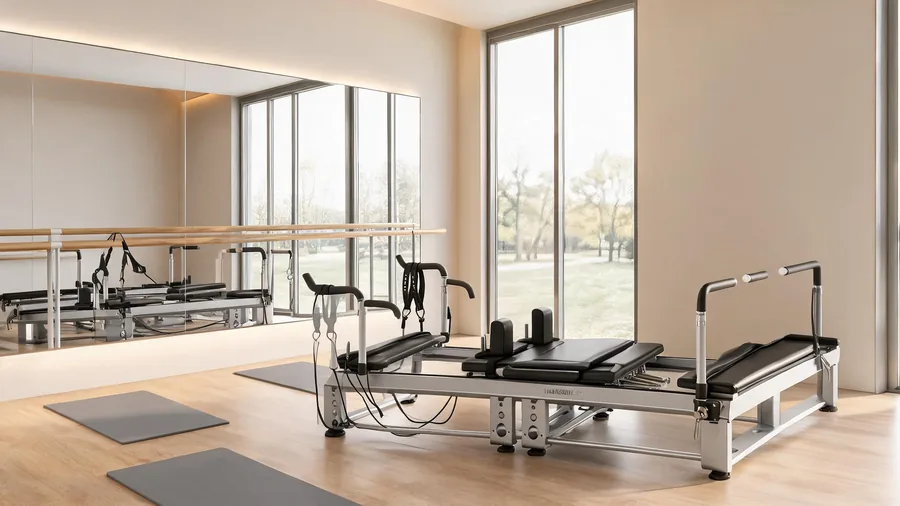
Съвременният фитнес потребител не иска да се обвързва само с една дисциплина. Иска йога в понеделник, barre в сряда и реформер Pilates в петък — и то в едно и също студио с един абонамент. Многофункционалните студиа, които съчетават няколко дисциплини под един покрив, превъзхождат студиата с една дисциплина по задържане на клиенти и приход на квадратен метър. Това ръководство обхваща всичко, което трябва да знаете за оборудването и управлението на пространство, което обслужва йога, barre и програми за Pilates реформер в многофункционално студио ефективно.
Стратегически проектирано програми за Pilates реформер в многофункционално студио максимизира използването на оборудването при различните видове занимания, като същевременно поддържа специализираната среда, която всяка дисциплина изисква. Ключът е в избора на универсално оборудване, което преминава плавно между дисциплините, и в планирането на разположение, което поема различни конфигурации на заниманията без продължителна подготовка между сесиите. Операторите, които овладеят този баланс, обикновено отчитат по-високо задържане на членове и по-добри финансови резултати от студиата с една дисциплина на сравними пазари и локации.
1. Нарастващото търсене на студиа с няколко дисциплини
Предпочитанията на потребителите във фитнес сегмента на програми за Pilates реформер в многофункционално студио пазара се изместиха драматично към разнообразие и гъвкавост. Членовете искат достъп до различни видове занимания, без да поддържат отделни абонаменти в различни студиа. Многофункционалните студиа отговарят на това търсене, като предлагат йога за гъвкавост и осъзнатост, barre за силова тренировка с ниско натоварване и реформер Pilates за развитие на центъра и обща кондиция под един покрив. Този модел намалява отпадането на членове, защото клиентите могат да разнообразяват тренировките си, без да напускат екосистемата на студиото.
Икономиката също е в полза на многофункционалните студиа. Разходите за недвижими имоти в градските райони правят печелившата работа на студиа с една дисциплина трудна без премиум цени. Добре планирано програми за Pilates реформер в многофункционално студио генерира по-висок приход на квадратен метър, като планира занимания по няколко дисциплини през целия ден. Сутрешните йога сесии използват същото пространство като обедните barre занимания и вечерните реформер сесии, което максимизира възвръщаемостта на всеки нает и поддържан квадратен метър.
2. Избор на оборудване за няколко дисциплини
Изборът на оборудване за многофункционално студио с Pilates реформер е най-критичното решение при откриването на съоръжение с няколко дисциплини. Всяка дисциплина изисква специфични уреди, но стратегическият избор позволява на операторите да обслужват няколко дисциплини, без да инвестират прекомерно в оборудване, което стои неизползвано част от деня. Основата на всяко съоръжение с няколко дисциплини са висококачествените реформери, които издържат на ежедневна употреба при различни формати на занимания и стилове на преподаване, като същевременно поддържат постоянна производителност и стандарти за безопасност.
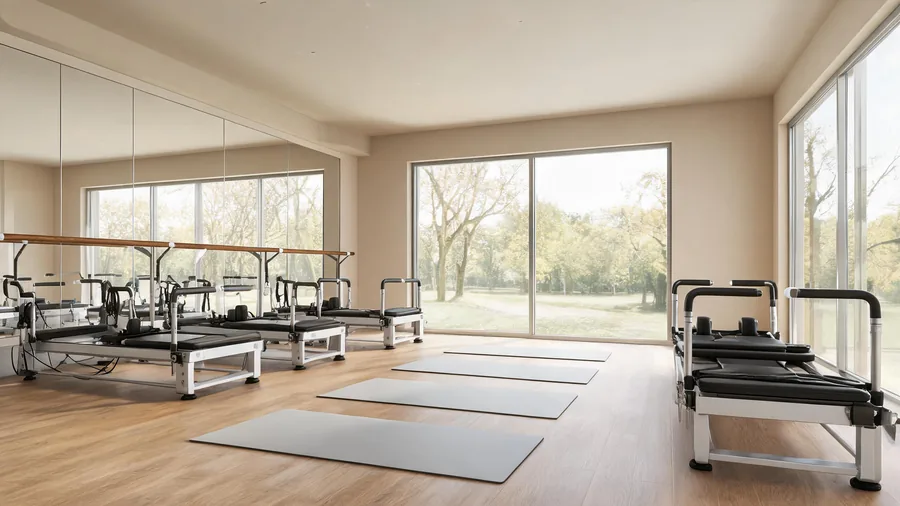
В програми за Pilates реформер в многофункционално студио, операторите се нуждаят от йога постелки, блокчета, колани, barre релси или преносими barre конструкции и ластици за съпротивление. Решенията за съхранение са също толкова важни — оборудването трябва да е лесно достъпно за подреждане и бързо прибиращо се за прехода между видовете занимания. Стенните barre системи в комбинация с прибиращо се съхранение за реформерите позволяват една и съща зала да се трансформира от йога студио в barre студио и в реформер студио за минути между заниманията през деня.
3. Стратегия за разположение при бързи преходи
Разположението определя колко ефективно едно многофункционално студио може да преминава между дисциплините. Най-успешните планове използват модулен подход с ясно обособени зони за всяка дисциплина. Реформерите, разположени по стените с прибиращи се системи за съхранение, освобождават центъра на залата за йога и barre занимания. Този зонален подход свежда до минимум времето за подготовка, като същевременно поддържа безопасни разстояния между оборудването по време на реформер сесии и занимания на открито пространство.
Потокът от хора е още едно критично съображение при разположението на програми за Pilates реформер в многофункционално студио . Членовете се нуждаят от ясни пътеки за достъп до оборудването, без да пресичат активни зони за упражнения или да пречат на текущи занимания другаде в студиото. Отделните входни и изходни пътища за всяка зона намаляват струпването при смяна на заниманията и подобряват цялостното изживяване на членовете. Обмисленото планиране на разположението също отчита изискванията за достъпност и маршрутите за аварийна евакуация, като същевременно максимизира броя участници, които студиото може безопасно да приеме за сесия.
4. Критерии за избор на реформер за многофункционални студиа
Не всички реформери са подходящи за натоварена програми за Pilates реформер в многофункционално студио среда на многофункционално студио. Студиата, които обслужват йога и barre клиенти наред с практикуващите реформер, се нуждаят от оборудване, което е интуитивно за начинаещи, но достатъчно издръжливо за високочестотна професионална употреба. Ключовите спецификации включват подсилена конструкция на рамката, плавно движение на каретата, регулируем опън на пружините и лесен достъп за поддръжка при рутинно почистване и сервизиране между заниманията през деня.
Професионалните реформери със стандартизирани конфигурации на пружините позволяват на инструкторите да задават промени в опъна на пружините за различни нива и дисциплини в една и съща среда. Регулируемите опори за рамене и глава обслужват клиенти с различна височина и телосложение, което е важно в многофункционални условия, където едно и също оборудване обслужва всички — от йога практикуващи, фокусирани върху гъвкавостта, до barre клиенти с фокус върху сила и реформер участници с фокус върху центъра в различни формати на занимания.
5. Модели на ценообразуване за абонаменти с няколко дисциплини
Ценовата структура значително влияе на привличането и задържането на членове в многофункционалните студиа. Най-разпространените модели включват многостепенни абонаменти с достъп до определени комбинации от дисциплини, неограничени абонаменти за целия график и системи с пакети занимания за клиенти, които предпочитат една или две дисциплини. Всеки модел има предимства в зависимост от целевата демография на студиото, локацията и конкурентната среда на местния фитнес пазар и общност.
Често срещани модели на ценообразуване за фитнес студиа с няколко дисциплини и техните целеви сегменти членове.
| Модел | Най-подходящ за | Типична месечна цена |
|---|---|---|
| Многостепенен (1-2 дисциплини) | Клиенти, фокусирани върху една дисциплина | $120-180 |
| Неограничен пълен достъп | Членове, търсещи разнообразие | $180-280 |
| Пакети занимания (10-20) | Случайни потребители | $150-300 |
| Цени за основатели | Ранни последователи | $99-149 |
| Корпоративен/групов | Програми за здраве на служителите | По заявка |
6. Оптимизация на графика на заниманията
Дизайнът на графика пряко влияе на приходите и удовлетвореността на членовете в добре управлявано програми за Pilates реформер в многофункционално студио. Най-печелившите студиа редуват часовете на дисциплините, за да привлекат различна демография през деня. Ранните сутрешни и обедните занимания обикновено събират най-висока посещаемост за реформер и barre, докато вечерните сесии привличат повече йога участници, търсещи облекчаване на стреса след работа. Графикът за уикенда трябва да акцентира върху по-дълги, по-задълбочени занимания, които отличават студиото от ежедневните фитнес опции в района.
Технологичната интеграция става все по-важна за програми за Pilates реформер в многофункционално студио операциите на многофункционално студио. Софтуерът за планиране, който управлява капацитета на заниманията по различни дисциплини, автоматизираното управление на чакащи листи, интегрираните платежни системи, автоматичните напомняния за занимания и функциите за проследяване на напредъка на членовете рационализират ежедневните операции и значително подобряват цялостното изживяване на членовете. Много успешни многофункционални студиа инвестират в платформи за управление, които проследяват степента на използване на оборудването, тенденциите в посещаемостта и показателите за задържане на членове, за да оптимизират графика и ценовата си стратегия във времето въз основа на реални данни от ежедневната работа.
Данните от успешни многофункционални студиа показват, че предлагането на поне едно реформер занимание във всеки времеви блок (сутрин, обед, вечер) максимизира използването на оборудването и посещаемостта. Йога заниманията обикновено се представят най-добре във вечерните часове, когато клиентите искат да се отпуснат след работния ден, докато barre заниманията имат пикова посещаемост по време на обедните почивки и в късните сутрешни часове, когато енергийните нива са най-високи за силови тренировки, изискващи висока интензивност през цялото занимание.
Стратегическото планиране отчита и наличността на инструкторите и степента на използване на оборудването. Едно програми за Pilates реформер в многофункционално студио може да планира реформер занимания в пиковите часове и да използва извънпиковите за йога и barre, които изискват по-малко специализирано оборудване. Този подход максимизира възвръщаемостта на инвестицията в реформери, като същевременно предлага разнообразие от дисциплини през седмицата, за да задържи членовете, които ценят гъвкавостта и разнообразните тренировъчни опции в рамките на един абонамент.
7. Често задавани въпроси за многофункционалните студиа
Колко реформера са ми нужни за многофункционално студио?
Повечето успешни многофункционални студиа започват с 6 до 10 реформера, което позволява провеждане на реформер занимания, като оставя пространство за йога и barre. Съотношението реформери към общ капацитет обикновено е от 30% до 50% в зависимост от микса от дисциплини и приоритетите в седмичния график.
Може ли една и съща зала наистина да работи за йога, barre и реформер?
Да, с правилно планиране и избор на оборудване. Стенните barre системи, прибиращото се съхранение за реформери и модулното съхранение за йога постелки позволяват една зала да обслужва и трите дисциплини ефективно. Много успешни студиа работят с една голяма зала, която се трансформира между дисциплините през деня с помощта на тези стратегически решения за съхранение и разположение.
Каква е минималната квадратура за многофункционално студио?
Жизнеспособното многофункционално студио изисква приблизително 800 до 1200 квадратни фута за основната зала, плюс допълнително пространство за рецепция, съблекални и склад. Студиа под 800 квадратни фута обикновено не могат да поберат оборудването за трите дисциплини, като същевременно поддържат безопасни разстояния за участниците по време на активни занимания и преходи.
Колко инструктори трябва да наема?
Започнете с 3 до 5 инструктори, сертифицирани в поне две дисциплини, за да максимизирате гъвкавостта на графика. Инструкторите с обучение в няколко дисциплини могат да преподават йога и barre или йога и реформер, което намалява разходите за заплати, като същевременно поддържа разнообразие в графика. Pilates Method Alliance предоставя ресурси за сертификация по реформер инструктаж.
Какви са началните разходи за многофункционално студио?
Началните разходи варират от $50,000 до $150,000 в зависимост от локацията, размера и качеството на оборудването. Най-големият разход обикновено са професионалните реформери, следвани от разходите за ремонт и barre оборудване. Pilates Method Alliance предлага ресурси за бизнес планиране за собственици на студиа.
8. Маркетинг на вашето студио с няколко дисциплини
Маркетингът на програми за Pilates реформер в многофункционално студио изисква ясно представяне на стойностното предложение пред различните потребителски сегменти. Съдържанието в социалните мрежи трябва да показва всяка дисциплина с отделни публикации, като същевременно подчертава удобството на няколко дисциплини в рамките на един абонамент. Пробните оферти, които позволяват на потенциалните членове да изпробват и трите дисциплини, преди да се ангажират с абонамент, са особено ефективни за конвертиране на потенциални клиенти, които обмислят различни фитнес опции в района.
Партньорствата с местни бизнеси и специалисти по уелнес могат да донесат препоръки към програми за Pilates реформер в многофункционално студио. Физиотерапевтите, персоналните треньори и корпоративните уелнес програми са отлични източници на препоръки за реформер и barre занимания. Домакинството на общностни събития с мини-сесии от всяка дисциплина дава на потенциалните членове пробно изживяване и демонстрира стойността на достъпа до няколко дисциплини в рамките на един абонамент, предлаган в студиото.
9. Първи стъпки с вашето многофункционално студио
Откриването на печелившо програми за Pilates реформер в многофункционално студио изисква задълбочено планиране на избора на оборудване, разположението, ценообразуването и решенията за персонал за дългосрочен успех. Започнете с проучване на местния пазар, за да определите коя комбинация от дисциплини има най-голямо търсене и най-малка конкуренция. Посетете съществуващи многофункционални студиа на други пазари, за да наблюдавате работата им и да се поучите от успехите и предизвикателствата им при управлението на съоръжения с няколко дисциплини, обслужващи разнообразни клиентски групи.
Инвестицията в професионално оборудване от производител, който разбира модела на многофункционалното студио, гарантира, че започвате с надеждни уреди, които работят ежедневно при различни дисциплини. Покупката директно от фабриката дава достъп до персонализирани конфигурации и цени, които подкрепят бизнес модела на студиата с няколко дисциплини. Собствениците, които дават приоритет на качеството на оборудването и ефективността на разположението, обикновено достигат до печалба по-бързо и поддържат по-висока удовлетвореност на членовете от тези, които избират само въз основа на първоначалната цена и разходите за монтаж.
10. Изисквания за персонал в студиа с няколко дисциплини
Осигуряването на персонал за програми за Pilates реформер в многофункционално студио изисква намиране на инструктори, сертифицирани в поне две от трите дисциплини, за да се максимизира гъвкавостта на графика и да се сведат до минимум разходите за заплати. Инструкторите с обучение в няколко дисциплини могат да преподават йога и barre или йога и реформер, което позволява на студиото да поддържа разнообразен график, без да са нужни отделни преподаватели за всеки тип дисциплина.
Персоналът на рецепцията трябва да разбира основите и на трите дисциплини, за да отговаря точно на въпросите на членовете и да помага на новите клиенти да изберат подходящи занимания според нивото и целите си. Много успешни многофункционални студиа предлагат възможности за обучение в няколко дисциплини и подкрепа за продължаващо образование, така че съществуващият персонал да разширява квалификацията си с времето, което намалява текучеството и изгражда екипна култура, която цени универсалността.
Свързани ръководства
- Ръководство за покупка на Pilates реформер 2026
- Ръководство за търговски реформери Pilates
- Размери на реформер и изисквания за пространство
- Контролен списък за оборудване на студио
- Ръководство за допустимото тегло на реформери
Mixed-use rooms usually need one machine that survives both group classes and clinical work. The commercial Pilates reformer line is specced for both duty cycles.