
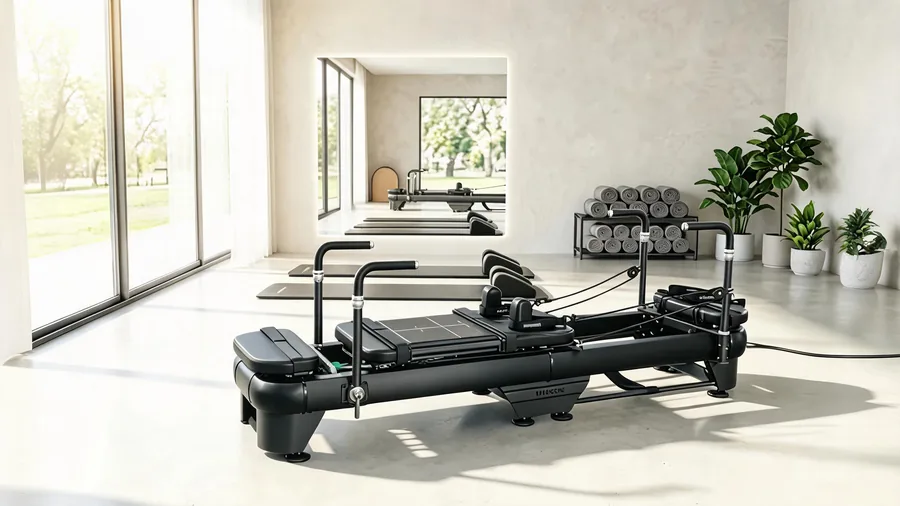
Većina vlasnika studija odluku o novom ili rabljenom Pilates Reformeru donosi u najgorem mogućem trenutku: nakon što je već izračunala koliko strojeva treba i koliko otprilike želi potrošiti. Taj je redoslijed obrnut. Ima li rabljena oprema smisla, ovisi o broju termina, planovima s brendovima, osiguranju i tome koliko će strojevi ostati u uporabi.
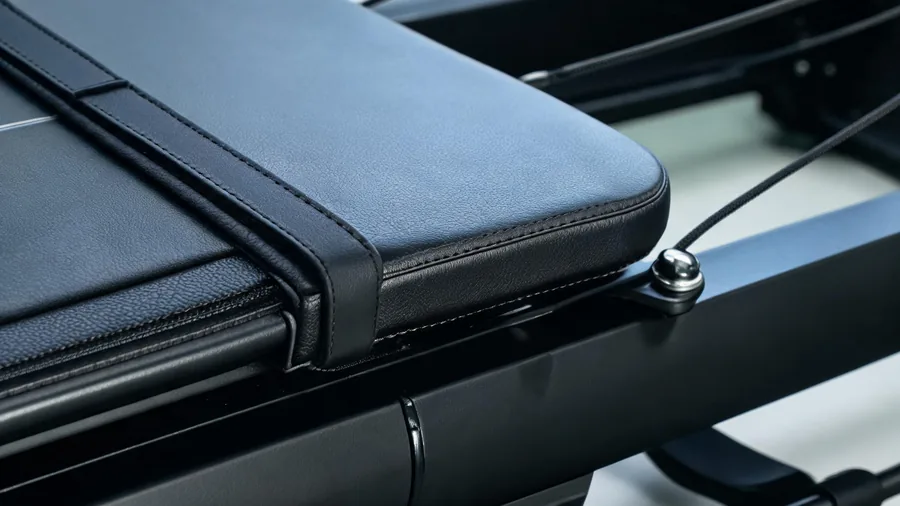
Reformer izgleda jednostavno. Okvir, nosač, opruge, užad, šipka za stopala. Jednostavno ne znači i izdržljivo. Opruge gube napetost, užad se pohaba, ležajevi nosača troše se neravnomjerno, a podloge se spljošte. Ti dijelovi imaju radni vijek mjeren ciklusima, a ne kalendarskim godinama. Stroj koji na fotografijama izgleda odlično može biti jedan semestar udaljen od popravka od 600 dolara.
Ako još niste odredili specifikaciju, počnite s cjelovitim vodičem za kupnju Pilates Reformera Novo ili rabljeno pitanje je cijene, a cijena ima smisla tek kad znate što točno procjenjujete.
1. Što se na Reformeru zapravo troši
Trošenje na Reformeru nije ravnomjerno. Neki dijelovi brzo otkazuju i jeftini su, dok drugi traju godinama i skupi su. Kad znate koji je koji, znate i koliko rabljeni stroj stvarno vrijedi.
- Opruge. Opruge gube napetost nakon tisuća ciklusa rastezanja i opuštanja. U studiju s osam ili više termina dnevno računajte na cijeli set svake 2 do 4 godine. Zamjena stoji oko 150 do 400 dolara po stroju, ovisno o klasi opruga, a mijenjati ih treba kao ujednačen set. Naš vodič kroz napetost opruga objašnjava kako ih provjeriti i što znače oznake jačine.
- Užad i remenje. Jeftini za zamjenu i prvi popuštaju. Računajte 40 do 120 dolara po setu i planirajte jedan set svake 1 do 2 godine pri intenzivnoj uporabi.
- Kotačići i ležajevi nosača. Ovo je skupo. Ležajevi i valjci troše se neravnomjerno, zbog čega nosač poskakuje i na kraju oštećuje vodilice. Dijelovi i rad zajedno obično iznose između 300 i 700 dolara po stroju.
- Vodilice. Na vodilicama se nakon godina kretanja nosača stvaraju ravna mjesta i utori. Plitke se ogrebotine mogu ispolirati. Duboki utori znače novi set vodilica, što kod nekih modela doseže vrijednost samog stroja.
- Podloga nosača i presvlaka. Spužva se sabija, a vinil puca. Presvlačenje stoji otprilike 200 do 450 dolara po stroju. Naš vodič o podlozi kolica objašnjava koji materijali izdržavaju svakodnevnu uporabu u studiju.
- Mehanizam šipke za stopala i šipka za opruge. Kuke i zarezi se troše pa šipka više ne blokira čvrsto. Popravak stoji 100 do 300 dolara, ali klimava šipka za stopala sigurnosni je problem tijekom brzih izmjena.
- Okvir i zavareni spojevi. Kvalitetan čelični okvir obično nadživi sve što je na njega pričvršćeno. Ipak provjerite zavarene spojeve na kutovima i ispod nosača vodilica.
Praktičan zaključak: za rabljeni komercijalni stroj koji je iza sebe imao stvarne studijske sate računajte 400 do 900 dolara za dijelove kako bi se vratio u komercijalno stanje. Prodavači to gotovo nikad ne uračunaju u cijenu.
2. Tri različita tržišta rabljene opreme (i zašto nose različit rizik)
“Used” is not one market. It is three, and they behave very differently on price, documentation, and risk.
- Privatni prodavači. Osoba koja nadograđuje opremu, seli se ili prestaje s hobijem. Najjeftiniji ulaz i često doista dobar stroj, ali nema povijesti servisa, nema jamstva i nema načina da provjerite sate na oprugama.
- Likvidacije ili dražbe teretana i studija. Reformeri iz objekta koji se zatvara, prodaju se na veliko ili u stanju kakvo jest. Cijena po komadu je privlačna i ponekad možete dobiti ujednačenu flotu, ali ti su strojevi obično radili šest do deset godina svakodnevnih termina pa su opruge i ležajevi pri kraju životnog vijeka. Oštećenja pri demontaži česta su kad se prostor brzo prazni.
- Strojevi koje je obnovio trgovac. A shop buys worn units, replaces consumables, and resells with a short warranty. Highest price in the used category and the most variable quality, because “refurbished” is an unregulated word. Some shops do a real rebuild; others paint the frame and call it done.
| Izvor | Tipična cijena u odnosu na novo | Povijest servisa | Jamstvo | Najveći rizik |
|---|---|---|---|---|
| Privatni prodavač | 40 %–60 % cijene novog | Rijetko poznata | Nema | Fatigued springs sold as “like new” |
| Likvidacija / dražba | 25 %–45 % cijene novog | Zna se da je intenzivna | Nema, prodaje se u stanju kakvo jest | Šest do deset godina svakodnevne uporabe plus oštećenja u prijevozu |
| Obnovljeno kod trgovca | 55 %–75 % cijene novog | Djelomično dokumentirana | Uobičajeno 30–90 dana | “Refurbished” sometimes means cosmetic only |
Ako kupujete od trgovca, tražite popis zamijenjenih dijelova u pisanom obliku. Prava obnova uključuje nove opruge, novu užad, novu podlogu i servisirane ležajeve. Ako prodavač ne može reći što je zamijenjeno, pretpostavite da nije ništa.
3. Stvarna razlika u cijeni: ukupni trošak vlasništva kroz pet godina
Cijena s naljepnice ovdje je najmanje zanimljiv broj. Bitna je cijena kroz pet godina, uključujući dijelove, rad i termine koje ne možete održati dok je stroj van pogona. Slijedi realna usporedba za komercijalni Reformer srednje klase u studiju koji radi.
| Stavka troška kroz 5 godina | Novo (izravno iz tvornice) | Obnovljeno kod trgovca | Čisto rabljeno |
|---|---|---|---|
| Nabavna cijena po stroju | $2,200-$3,500 | $1,400-$2,400 | $900-$1,800 |
| Zamjenski dijelovi kroz 5 godina | $400-$700 | $600-$1,100 | $1,200-$2,100 |
| Rad i zastoj | $0-$100 | $100-$300 | $200-$600 |
| Ukupno kroz 5 godina po stroju | $2,600-$4,300 | $2,100-$3,800 | $2,300-$4,500 |
| Ukupno kroz 5 godina za 6 strojeva | $15,600-$25,800 | $12,600-$22,800 | $13,800-$27,000 |
Pretpostavke primjera: komercijalni Reformer srednje klase, osam termina dnevno, šest dana u tjednu, dijelovi po trenutnim cijenama, servisni rad 60 do 90 dolara na sat. Vaši će se brojevi mijenjati s brojem termina i lokalnim cijenama.
Gledajte oblik raspona, ne srednje vrijednosti. Novo ima najuži raspon jer jamstvo uklanja velika iznenađenja. Rabljeno ima najširi raspon, a njegov gornji kraj prelazi iznad novog. To je rizik koji zapravo kupujete. Napravite isti izračun sa svojim stvarnim rasporedom termina pomoću našeg kalkulator povrata ulaganja u reformer.
4. Kada kupnja rabljenog doista ima smisla
Postoje stvarni slučajevi u kojima je rabljeno pametan potez.
- Upotreba kod kuće ili s malim brojem termina. Dva ili tri termina tjedno djelić su studijskog opterećenja pa opruge traju znatno dulje, a popravci su rijetki. Dobar rabljeni stroj često je najbolja vrijednost za kućnu opremu, iako prvo vrijedi razumjeti razliku između kućne i komercijalne nosivosti.
- Studiji u vrlo ranoj fazi. Ako predajete u iznajmljenoj dvorani ili još ispitujete hoće li se Reformeri prodati na vašem tržištu, držati kapitalni rizik niskim je racionalno. Još niste spremni za obvezu od 20.000 dolara na opremu.
- Jedan stroj, ne flota. Jedan rabljeni Reformer za privatnu sobu ili kao dodatni kapacitet nosi nizak rizik. Jedan je stroj lako pregledati i lako zamijeniti ako zakaže. Šest nije.
- Brendovi sa stvarnom podrškom za dijelove. Neki proizvođači još desetljeće nakon prestanka proizvodnje modela drže potrošne dijelove na zalihi. Rabljena jedinica tog brenda znatno je servisabilnija od one brenda koji je nestao.
5. Kada je rabljeno loša ideja
- Otvarate studio. Prvi dojam stvara reputaciju, a istrošena i škripava oprema primijeti se već prvog tjedna.
- Strojevi će raditi 30 do 50 sati tjedno. Pri tom opterećenju rabljene opruge i ležajevi dođu do roka zamjene prije kraja prve godine pa istovremeno plaćate popravke i gubite termine zbog zastoja.
- Ujednačenost flote je važna. Kombiniranje tri brenda i četiri generacije daje različit osjećaj, kataloge dijelova i servisne odnose. Pogledajte koliko reformera studiju treba kako biste od početka planirali ujednačenu flotu.
- Ne možete pregledati i isprobati uživo. Kupnja rabljenog preciznog stroja bez pogleda kockanje je, a oštećenja u prijevozu su česta. Nikad ne kupujte samo na temelju fotografija.
- Cijena nije dovoljno niska da pokrije potpunu obnovu. Ako stroj stoji 70 % cijene novog, a vjerojatno treba 700 dolara dijelova, popust je već potrošen prije nego ga uključite.
- Izloženost odgovornosti je visoka. Sigurnost opreme i dokumentirano održavanje važni su osiguravateljima. Više o tome u nastavku.
6. Zamka modela koji se više ne proizvodi
Rabljeni Reformer vrijedi onoliko koliko vrijede dijelovi koje za njega još možete kupiti.
Some brands disappear. Others discontinue a frame and stop stocking springs cut to that model’s length. Proprietary parts are where orphaned machines get expensive: custom wheel sizes, cast footbar assemblies, non-standard spring bars, unusual spring lengths. When those go, you are hunting eBay for a single bracket.
Prije nego se obvežete, napravite ovu provjeru:
- Od prodavača ili s pločice na okviru uzmite točan naziv modela, broj modela i približnu godinu proizvodnje.
- Look up the model on the manufacturer’s site and check whether a parts page still exists for it.
- Search for the specific consumable, not the model. Try “carriage bearing for [model]” and “spring set for [model]” and see whether anyone sells them.
- Email the manufacturer’s service desk and ask for a written parts list, including spring length and rating, wheel or bearing specification, and rope sizing.
- Pitajte kada je model prestao proizvoditi i koristi li standardne ili vlasničke dijelove.
- Ako su opruge standardne duljine, a ležajevi iz kataloga, zamjenske dijelove možete kupiti od više dobavljača i stroj ostaje servisabilan. Ako je sve po mjeri, ovisite o tome hoće li jedna tvrtka ostati u poslu.
Model stariji od otprilike deset godina od brenda koji nema servis za dijelove jest stroj s rokom trajanja.
7. Obnovljeno ili rabljeno: kamo odlazi dodatni novac
Obnovljeno je između novog i rabljenog, a je li vrijedno dodatne cijene, u potpunosti ovisi o tome što je stvarno napravljeno.
Prava obnova mijenja svaki potrošni dio: cijeli ujednačeni set opruga, novu užad i remenje, novu podlogu nosača, servisirane ili zamijenjene ležajeve, pregledane i ispolirane vodilice, provjerenu šipku za stopala i šipku za opruge te dokumentirano testiranje pod opterećenjem prije otpreme. Sami dijelovi za to stoje 400 do 900 dolara, zbog čega se doista obnovljen stroj ne može prodavati po cijeni istrošenog.
Kada je onda obnovljeno bolje od čisto rabljenog? Kad biste inače te dijelove platili sami unutar prve godine. Ako birate između istrošene jedinice od 1.300 dolara plus 700 dolara vašeg rada i zastoja, i jedinice od 2.000 dolara koja dolazi spremna za rad, obnovljeni stroj obično pobjeđuje kad se uračuna zastoj.
A kada obnovljeno gubi od novog? Kad cijena obnovljenog prijeđe otprilike 75 % cijene novog stroja izravno iz tvornice. Tada plaćate većinu novca kao za novo, ali bez novog jamstva. Provjerite što jamstvo trgovca stvarno pokriva, jer mnoga isključuju rad i dostavu.
8. Kako pregledati rabljeni Reformer: popis provjera za 30 minuta
Ako idete putem rabljenog, pregledajte kako treba prije plaćanja. Trideset minuta usredotočenog testiranja otkriva gotovo sve što je važno. Ponesite svjetiljku.
| Provjera | Kako testirati | Crvena zastavica |
|---|---|---|
| Opruge (svaka pojedinačno) | Rastegnite svaku oprugu i usporedite napetost s ostalima | Neravnomjerna napetost, razmaci među zavojima, hrđa na kuki |
| Kretanje nosača | Gurnite nosač polako po cijeloj dužini vodilica, pa brzo | Škripanje, zapinjanje, bočni zazor ili mjesto gdje usporava |
| Vodilice | Prijeđite prstom po gornjoj i unutarnjoj strani obje vodilice | Utori, ravna mjesta, srha ili vidljiv trag trošenja |
| Užad i remenje | Savijte ih na mjestu gdje izlaze iz okvira i prolaze kroz ručke | Pohabanost, krutost, pucanje ili istrošene petlje |
| Šipka za stopala i šipka za opruge | Postavite svaki položaj i snažno pritisnite šipku za stopala | Klimanje, neblokiranje, istrošeni zarezi ili kuke |
| Okvir i zavareni spojevi | Svjetiljkom pregledajte kutove, nosače vodilica i donju stranu okvira | Pukotine, duboka hrđa, prethodno zavarivanje ili savijen nosač vodilice |
| Podloga i presvlaka | Pritisnite podlogu po cijeloj površini i provjerite šavove | Tvrda sabijena mjesta, pukotine ili razdvojeni šavovi |
| Okov | Provjerite jesu li svi vijci, ručke i spojnice čvrsto stegnuti | Nedostajući vijci, oštećeni navoji, labavi regulatori |
| Buka pod opterećenjem | Napravite deset kontroliranih ponavljanja u tri postavke opruga | Škripa, klikovi ili struganje koje se pojavljuje i nestaje |
| Pločica sa serijskim brojem i modelom | Photograph the plate and compare against the manufacturer’s records | Nedostaje pločica, model se ne podudara, starost se ne može provjeriti |
| Pitanja za prodavača | Pitajte koliko je godina u uporabi, koliko termina tjedno, kada su opruge zadnji put zamijenjene | Neodređeni odgovori ili odbijanje davanja povijesti |
Zatim izračunajte: dodajte realnu procjenu obnove na traženu cijenu. Taj je ukupni iznos vaša stvarna cijena i broj s kojim treba usporediti novo. Provjerite i zadovoljava li stroj važeće sigurnosne standarde za komercijalnu uporabu Reformera prije nego uđe u termin.
9. Pitanje jamstva, osiguranja i odgovornosti
Nova oprema prenosi rizik na proizvođača. Rabljena oprema ostavlja ga vama.
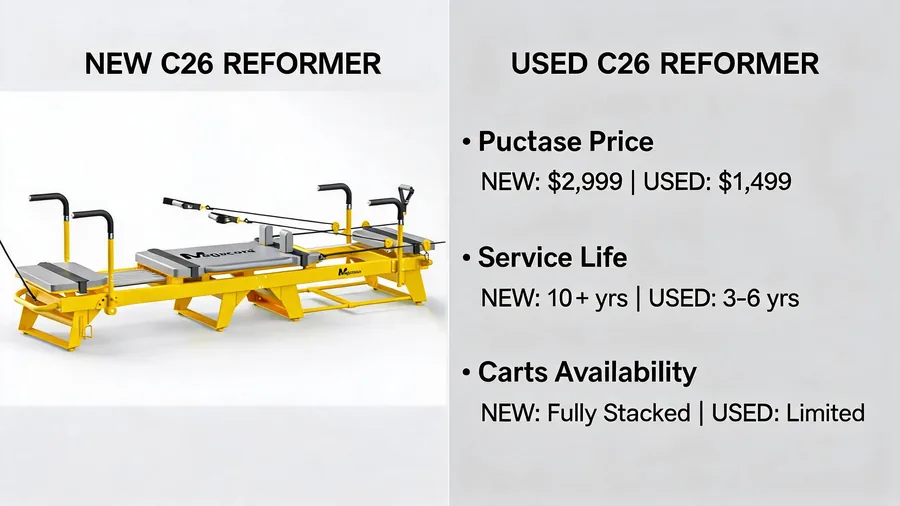
Komercijalni Reformer koji radi 30 sati tjedno treba opruge i potrošne dijelove u roku dvije do tri godine. Tvorničko jamstvo to često pokriva. Na rabljenom stroju svaki kvar plaćate sami.
Osiguranje je mjesto gdje to postaje ozbiljno. Komercijalne police u pravilu očekuju da se oprema održava u sigurnom radnom stanju, a nakon zahtjeva za naknadu štete osiguravatelj može zatražiti evidenciju održavanja, dokumentaciju o kupnji i dokaz o pregledu. Stroj kupljen rabljen bez povijesti servisa teže je objasniti od dokumentirane nove flote. Ako se oslanjate na jamstvo bilo kojeg prodavača, znate svoja prava: FTC vodič kroz savezni zakon o jamstvima objašnjava što znače pisana i podrazumijevana jamstva. I prostor za poduku držite u skladu s propisima, koristeći OSHA smjernice za sigurnost na radu za zajedničke prostore.
Ovo su opće informacije, a ne pravni savjet ni savjet o osiguranju. Provjerite svoju policu i lokalne zahtjeve kod svog brokera prije kupnje opreme za komercijalni prostor.
10. Kada je novo izravno iz tvornice doista jeftinije
Novo nije automatski skup izbor, a cijene izravno iz tvornice smanjile su nekadašnji jaz. Naša analiza koliko komercijalni Reformeri stvarno stoje pokazuje gdje se nalaze pojedini razredi.
- Kupujete flotu. Šest ili više strojeva iz jednog izvora znači jednu specifikaciju, jedan kanal dijelova i količinske cijene, što pobjeđuje razbacani skup rabljenih povoljnih prilika.
- Planirate pet ili više godina intenzivne uporabe. Dugotrajne opruge i pisano jamstvo točno su mjesta na kojima vas rabljeni strojevi najviše koštaju.
- Trebate financiranje. Kreditori i programi najma preferiraju novu opremu s računima i jamstvima. Pogledajte vodič za financiranje Reformera kako to funkcionira.
- Dijelove trebate odmah. Kupnja iz tvornice znači ponovno naručivanje opruga, užadi i podloga po stabilnim cijenama, umjesto traženja ukinutih komponenti.
- Ujednačenost brenda dio je vašeg proizvoda. Ujednačeni strojevi i jedan servisni odnos drže kvalitetu termina predvidljivom, a upravo to klijenti plaćaju.
Ako ste u ovoj fazi, prođite kroz checkliste opreme za studio prije narudžbe.
11. Zaključak
Rabljeni Reformeri legitimna su opcija za kućne korisnike, male kapacitete i poduku u ranoj fazi. Za komercijalni studio s punim rasporedom popust se smanjuje kad se uračunaju popravci, zastoj i praznine u jamstvu, a najširi raspon troškova pripada stupcu rabljenog.
Bolje pitanje nije novo ili rabljeno. Bolje je pitanje koliko vas stroj košta kroz pet godina, u vašem studiju, pri vašem broju termina. Izračunajte taj broj, dodajte realan proračun obnove svakom rabljenom kandidatu i odgovor brzo postaje očit. Kupite novo od dobavljača koji će vam pokazati tvornicu, kontrolu kvalitete i uvjete jamstva u pisanom obliku.
Često postavljana pitanja
Koliko trebam platiti za rabljeni Pilates Reformer?
Za stroj u pristojnom stanju realno je 30 % do 50 % ispod nove maloprodajne cijene, manje za dobro podržane brendove. Dodajte 400 do 700 dolara po stroju za opruge, remenje i ležajeve, pa taj ukupni iznos usporedite s ponudom za novi stroj izravno iz tvornice. Ako rabljeno nije jasno jeftinije, kupite novo.
Trebaju li rabljeni Reformeri uvijek nove opruge?
Ako dolaze iz studija sa stvarnim brojem termina, obično da. Opruge gube napetost kroz tisuće ciklusa, a ujednačena napetost u setu važna je za osjećaj i sigurnost. Računajte 150 do 400 dolara po stroju i pretpostavite da su stare opruge otpisane.
Je li sigurno kupovati rabljene Reformere za studio?
Može biti, uz potpun pregled, potvrđenu dobavu dijelova i realan proračun popravaka. Za visoku iskorištenost, nova oprema s pisanim jamstvom i dokumentiranim certifikatom o testiranju sigurniji je položaj za klijente i osiguravatelje.
Koliko traje komercijalni Reformer?
Dobro održavan komercijalni Reformer s čeličnim okvirom obično služi 10 do 15 godina. Opruge treba mijenjati svake 2 do 4 godine, podloge svake 3 do 5 godina, užad svake 1 do 2 godine, a ležajeve svake 4 do 7 godina.
Mogu li još dobiti dijelove za Reformer koji se više ne proizvodi?
Ponekad. Ovisi o tome je li model koristio standardne duljine opruga, ležajeve iz kataloga i uobičajeni okov ili vlasničke dijelove. Zatražite pisani popis dijelova od proizvođača prije kupnje. Ako je sve po mjeri, a brend nema servis za dijelove, smatrajte stroj nepopravljivim.
Je li obnovljeno bolje od rabljenog?
Da, kad je obnova dokumentirana i stvarna. Prava obnova mijenja opruge, užad, podlogu i ležajeve, što je 400 do 900 dolara dijelova koje biste inače kupili sami. Prestaje imati smisla kad cijena dosegne otprilike 75 % cijene novog stroja, jer plaćate gotovo kao za novo, a dobivate kratko jamstvo trgovca.
Utječe li kupnja rabljene opreme na osiguranje studija?
Može. Osiguravatelji u pravilu očekuju da se oprema održava u sigurnom radnom stanju i nakon zahtjeva za naknadu mogu zatražiti evidenciju održavanja i dokumentaciju o kupnji. Novu flotu s jamstvom i zapisima o pregledima lakše je dokumentirati. Detalje provjerite sa svojim brokerom.
Koliki je ukupni petogodišnji trošak novog i rabljenog Reformera?
Za komercijalni stroj srednje klase pri osam termina dnevno novo obično iznosi oko 2.600 do 4.300 dolara kroz pet godina, obnovljeno kod trgovca oko 2.100 do 3.800, a čisto rabljeno oko 2.300 do 4.500. Rabljeno ima najširi raspon jer su iznenadni kvarovi nepredvidivi.
Povezani vodiči
- Cjelovit vodič za kupnju Pilates Reformera 2026
- Koliko komercijalni Pilates Reformeri stvarno stoje
- Kalkulator ROI-ja za Pilates reformer
- Vodič za financiranje Pilates Reformera
- Popis opreme za Pilates studio
Referenca iz struke: Pilates Method Alliance.
Weighing new against used for a studio floor? Our commercial Pilates reformers are built for 10–15 classes a day, with frame, spring and warranty specs listed per model.