
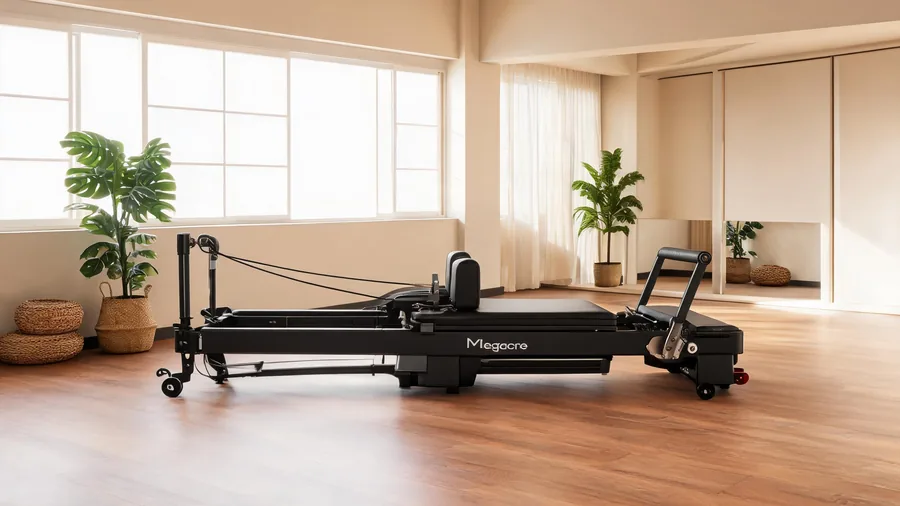
환경적 지속 가능성이 상업용 장비 구매의 결정 요소로 자리 잡고 있으며, 필라테스 업계도 예외가 아닙니다. 스튜디오와 피트니스 구매자들은 이제 리포머가 무엇으로 만들어지는지, 강재는 어디서 오는지, 업홀스터리는 재활용 가능한지, 공장은 폐기물을 어떻게 처리하는지를 묻습니다. 지속 가능한 필라테스 리포머는 소재, 제조, 수명 주기 전반에서 이 질문에 답하며, 이 가이드에서 각 항목을 하나씩 살펴봅니다.
1. 지속 가능한 필라테스 리포머의 조건
Sustainability in fitness equipment is not a single attribute; it is a set of choices across the product lifecycle. For reformers, the main levers are frame materials, upholstery and padding, spring longevity, packaging, and the manufacturer’s production practices. A sustainable pilates reformer scores well on all of them rather than just one, which is why a single eco-friendly feature is not enough.
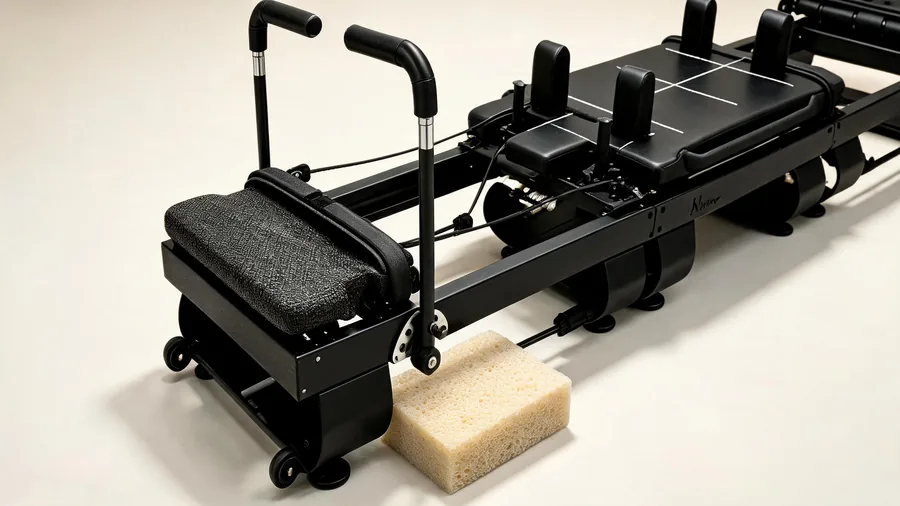
가장 중요한 지속 가능성 요소는 내구성입니다. 매일 상업적으로 사용하면서 10~15년을 버티는 리포머는 3~5년마다 교체하는 장비보다 수업 시간당 환경 영향이 훨씬 낮습니다. 수명이야말로 가장 중요한 지속 가능성 스토리이며, 그래서 상업용 등급 제작과 수리 가능성이 진지한 친환경 장비 전략, 나아가 지속 가능한 필라테스 리포머 구매의 핵심이 됩니다.
2. 프레임 소재: 강재와 표면 처리
강재는 상업용 리포머의 주된 프레임 소재이며, 피트니스 업계에서 가장 재활용이 잘 되는 소재 중 하나입니다. Q235 구조용 강재 프레임은 수명이 다한 뒤에도 품질 손실을 최소화하며 재활용할 수 있고, 분체 도장 마감은 부식과 마모를 막아 프레임 수명을 늘립니다.
When evaluating a sustainable pilates reformer, ask about the frame’s coating process, because finishing determines both durability and production emissions. Powder coating produces less volatile organic compound (VOC) emissions than liquid paint and is more durable. Factories that use modern powder-coating lines with closed-loop filtration demonstrate a genuine commitment to reducing production emissions.
3. 업홀스터리, 패딩, 재활용 가능 부품
Upholstery is the component most often replaced during a reformer’s life, so its sustainability profile matters twice: at manufacture and at replacement. Look for upholstery that is PVC-free, durable enough to last years in commercial use, and compatible with recycling programs at end of life—three specifications every sustainable pilates reformer should meet. Foam padding should meet the same standards, with density chosen for longevity rather than initial cost.
- PVC 미사용 업홀스터리: 유해 가소제를 줄이고 수명 종료 후 재활용성을 높입니다.
- 고밀도 폼: 수명이 길어 교체 횟수와 폐기물이 줄어듭니다.
- 교체 가능 부품: springs, ropes, and pads that can be swapped extend the machine’s service life.
- 모듈형 설계: 교체가 아닌 수리가 지속 가능한 장비의 핵심입니다.
지속 가능한 필라테스 리포머는 수리를 전제로 설계되며, 그 철학은 모든 교체형 부품에 그대로 드러납니다. 50,000회 이상 사이클 등급의 스프링, 공구 없이 교체 가능한 시스템, 표준화된 부품은 장비를 폐기하지 않고 10년 이상 사용할 수 있게 합니다.
4. 제조 및 포장 방식
공장의 운영 방식도 지속 가능성 계산에 포함됩니다. 최신 설비는 효율적인 생산 라인으로 에너지 소비를 줄이고, 재활용 프로그램으로 금속 폐기물을 관리합니다. 조달 시에는 제조사에 폐기물 관리, 도장 공정, 포장재에 대해 직접 문의하십시오.
포장은 눈에 보이면서도 손쉬운 개선 지점입니다. 재활용 판지, 최소한의 플라스틱, 컨테이너 적재 효율을 극대화하는 팔레트 설계가 그것입니다. 해상 운송은 이미 항공 운송보다 대당 탄소 발자국이 낮고, 효율적인 포장은 비용과 환경 영향을 동시에 줄입니다.
5. 지속 가능한 리포머 구매자를 위한 수명 주기 관점
스튜디오 운영자에게 가장 실용적인 지속 가능성 결정은 10년 뒤에도 현역으로 쓰일 장비를 사는 일이며, 지속 가능한 필라테스 리포머가 바로 그 투자입니다. 지속 가능한 필라테스 리포머 구매는 초기 소재, 기대 수명, 수리 가능성, 수명 종료 후 재활용성이라는 전체 수명 주기로 평가해야 합니다.
스튜디오는 유지보수로 수명 주기를 더 늘릴 수도 있습니다. 정기적인 스프링 점검, 올바른 세척, 신속한 부품 교체가 리포머를 더 오래 현역으로 유지합니다. 가장 지속 가능한 리포머는 교체가 필요 없는 리포머입니다.
6. 인증과 문서
Documentation matters for buyers who need to justify sustainability claims to clients or corporate partners. Quality inspection certificates and test reports verify that the equipment meets commercial standards, which is the foundation of a credible eco-friendly claim. Megacore’s commercial reformers ship with a quality inspection certificate and test report (report number GZHL2601000020601SP).
공급업체에 강재 등급, 업홀스터리 조성, 폼 밀도, 도장 유형 등 소재 사양을 서면으로 요청하십시오. 소재를 문서로 제시하는 공급업체라야 자신의 지속 가능성 스토리를 책임질 수 있습니다.
7. Marketing Your Studio’s Sustainability
지속 가능성은 고객이 실제로 인지하는 차별화 요소입니다. 지속 가능한 필라테스 리포머 설비에 투자한 스튜디오는 수업 소개, 웹사이트 콘텐츠, 고객 커뮤니케이션을 통해 이를 알릴 수 있고, 구매 자체가 마케팅 자산이 됩니다. 메시지는 단순합니다. 내구성 있는 장비, 책임 있는 소재, 폐기물 감축에 대한 약속입니다.
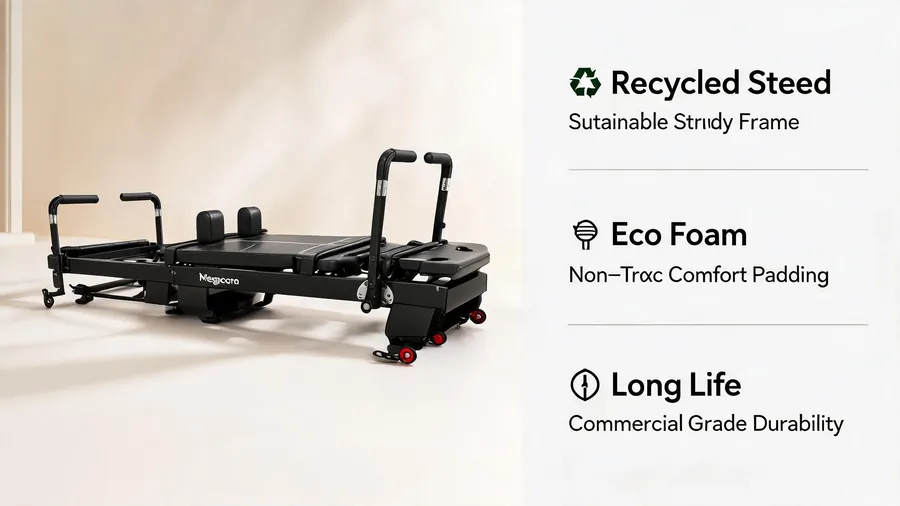
장비 선택을 운영 방식—에너지 효율 조명, 용지 사용 감축, 리필형 세정제—과 결합하면 일관된 지속 가능성 스토리가 완성됩니다. 고객은 자신의 가치관과 맞는 스튜디오를 점점 더 선택하며, 장비는 그 방정식에서 눈에 보이는 부분입니다.
8. 지속 가능한 필라테스 리포머 선택하기
지속 가능한 필라테스 리포머 선택은 결국 올바른 질문에 달려 있습니다. 프레임이 재활용 가능한 강재인가? 업홀스터리에 PVC가 없는가? 스프링이 장기 상업용으로 설계되었는가? 장비 전체가 아니라 부품만 교체할 수 있는가? 제조사가 소재와 품질을 문서로 제시하는가? 이 다섯 가지에 모두 '예'라고 답하는 공급업체가 올바른 파트너입니다.
Megacore는 Q235 강재 프레임, 고탄소 50,000회 사이클 스프링, PVC 미사용 업홀스터리 옵션, 공구 없이 교체 가능한 부품으로 상업용 리포머를 제작하며, 프레임과 본체에 3년 보증과 문서화된 품질검사를 제공합니다. 지속 가능한 선택이 곧 내구성 있는 선택입니다.
자주 묻는 질문
Q1: 리포머가 친환경적이려면 무엇이 필요한가요?
재활용 가능한 강재 프레임, PVC 미사용 업홀스터리, 장수명 부품, 수리 가능한 설계, 책임 있는 제조 및 포장 방식입니다. 조기 교체를 피할 수 있다는 점에서 내구성이 가장 큰 지속 가능성 요소입니다.
Q2: 강재 리포머 프레임은 재활용이 되나요?
네. Q235 구조용 강재는 품질 손실을 최소화하며 재활용률이 높아, 강재 프레임 리포머는 피트니스 분야에서 가장 재활용이 잘 되는 장비 선택지 중 하나입니다.
Q3: 내구성과 지속 가능성은 어떤 관계인가요?
직접적인 관계가 있습니다. 상업용으로 10~15년을 견디는 리포머는 3~5년마다 교체하는 장비보다 수업 시간당 환경 영향이 훨씬 낮습니다. 수명이 지속 가능한 장비의 핵심입니다.
Q4: 기존 리포머도 더 지속 가능하게 만들 수 있나요?
네. 정기 유지보수, 장비 전체가 아닌 스프링과 패드 교체, PVC 미사용 교체용 업홀스터리 선택으로 수명을 늘리고 폐기물을 줄일 수 있습니다.
Q5: 공급업체에 어떤 문서를 요청해야 하나요?
소재 사양(강재 등급, 업홀스터리 조성, 폼 밀도, 도장 유형)과 품질검사 성적서입니다. 소재를 문서로 제시한다는 것은 자신의 주장을 책임지는 공급업체라는 뜻입니다.
Q6: 지속 가능한 장비는 더 비싼가요?
내구성이 검증되고 문서화된 장비는 가벼운 대안보다 초기 가격이 높을 수 있지만, 10년 사용 기준 총소유비용은 오히려 낮고 수업 시간당 환경 영향은 훨씬 작습니다.
마무리
지속 가능한 필라테스 리포머는 재활용 소재를 중심으로 내구성과 수리 가능성, 책임 있는 제조를 갖춘 장비입니다. 스튜디오 운영자에게 지속 가능한 선택과 현명한 사업적 선택은 같습니다. 10년간 고객을 위해 일하고 신뢰할 수 있는 환경 스토리를 전달하는 장비입니다.
Ask the right questions, verify documentation, and choose the supplier whose materials and manufacturing practices match your studio’s values.
관련 가이드
업계 참고 자료: Pilates Method Alliance 업계 기준, CDC 환경 감염 관리, 그리고 OSHA 작업장 안전 지침.
Recyclability comes down to frame material, and the aluminum reformer range covers the aluminium side.