
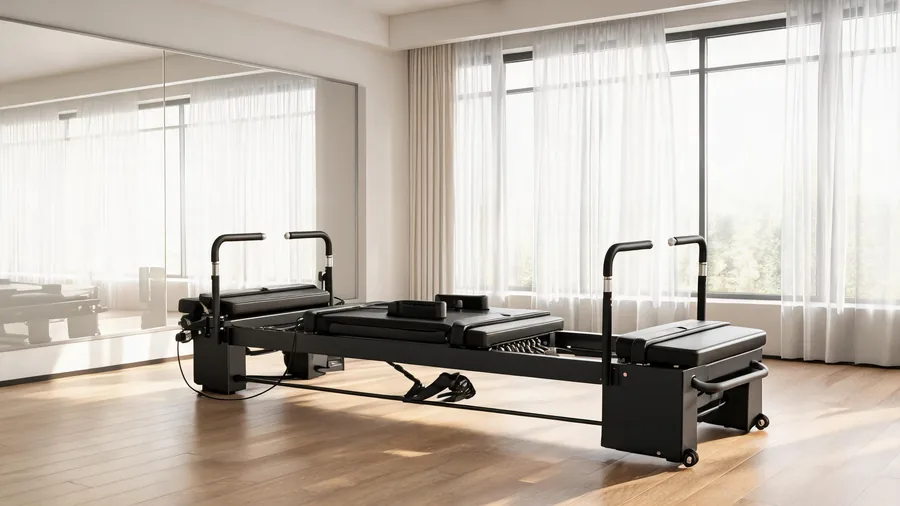
필라테스 리포머의 착석감은 수업 재등록률, 세션 길이, 스튜디오 전체 경험에 직접 영향을 줍니다. 고객과 기구 사이의 패딩은 가장 눈에 띄는 편안함 요소이고, 이를 개선하는 것은 스튜디오가 가장 빠르게 효과를 볼 수 있는 방법 중 하나입니다. 필라테스 리포머 폼 패딩의 밀도, 두께, 마모, 교체 시점을 이해하면 스튜디오 운영자가 긴 수업에서도 고객이 편안한 기구를 제대로 지정할 수 있습니다.
1. 상업용에서 폼 패딩이 중요한 이유
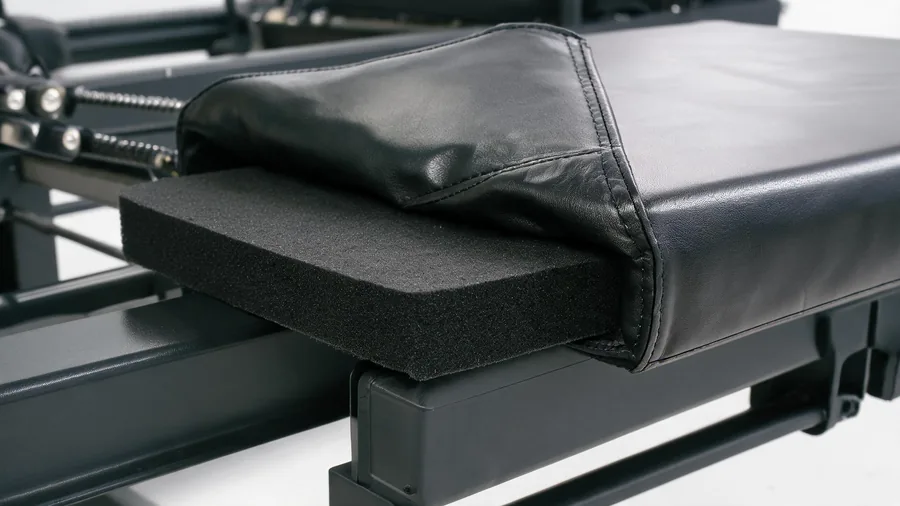
상업용 리포머는 하루에 여러 수업을 연달아 진행합니다. 그런 사용 환경에서 패딩 품질은 고객의 편안함과 기구 수명이라는 두 가지를 결정합니다. 고밀도 폼은 수천 회 세션에서도 지지력을 유지하지만, 저밀도 폼은 눌려서 고객이 바로 느끼는 압박 지점을 만듭니다.
필라테스에서 편안함은 사치가 아니라 재등록 요소입니다. 캐리지나 숄더 레스트에서 불편을 겪은 고객은 다시 예약할 가능성이 낮습니다. 품질 좋은 필라테스 리포머 폼 패딩에 투자한 스튜디오는 수업 만족도 점수가 높고 긴 수업에서 압박 지점 관련 불만이 적다고 보고합니다.
2. 필라테스 리포머 폼 패딩: 밀도와 두께
폼 품질은 주로 밀도로 결정되며, 단위는 입방미터당 킬로그램입니다. 상업용 패딩은 대개 압축에 강하고 형태를 유지하는 고밀도 폼을 사용합니다. 두께도 중요합니다. 너무 얇으면 아래 프레임이 느껴지고, 너무 두꺼우면 캐리지 감각이 무르고 부정확해집니다.
필라테스 리포머 폼 패딩 옵션을 비교할 때는 두께만 보지 말고 밀도 사양을 요청하세요. 수명을 결정하는 것은 밀도입니다. 얇은 고밀도 패드는 두꺼운 저밀도 패드보다 편안함과 내구성 모두에서 앞섭니다.
3. 긴 수업을 위한 편안함 업그레이드
50~60분 수업을 운영하는 스튜디오는 편안함 개선 효과를 가장 크게 봅니다. 가장 효과적인 개선은 다음과 같습니다.
- 캐리지 매트 업그레이드: 더 두껍고 밀도 높은 매트는 앙와위 동작에서 엉덩이와 척추 압박을 줄입니다.
- 굴곡형 숄더 레스트: 형태를 살린 레스트는 평평한 패드보다 압력을 고르게 분산합니다.
- 더 부드러운 헤드레스트 패딩: 목을 받쳐 주는 자세에서 편안함을 높입니다.
- 풋바 쿠션: 반복이 많은 풋워크에서 불편함을 줄입니다.
- 패딩 커버: 세탁 가능한 커버는 위생 관리를 쉽게 하고 얇은 편안함 층을 더해 줍니다.
업그레이드는 스튜디오가 가장 많이 운영하는 수업 유형에 맞출 때 가장 효과적입니다. 앙와위 코어 동작이 많은 스튜디오는 캐리지와 숄더 레스트 업그레이드가 유리하고, 풋워크 비중이 높은 스튜디오는 풋바 쿠션이 유리합니다.
4. 필라테스 리포머 폼 패딩 교체 시점
폼은 서서히 열화되고, 직원이 눈으로 알아채기 전에 고객이 먼저 느낍니다. 다음 징후가 보이면 패딩을 교체하세요.
- 눈에 보이는 압축: 고객이 주로 눕는 위치에 자국이 남습니다.
- 복원력 상실: 압력을 가한 뒤 폼이 형태로 돌아오지 않습니다.
- 갈라짐이나 벗겨짐: 커버나 폼 표면이 마모됩니다.
- 고객 불만: 딱딱한 부분이나 불편함에 대한 반복적인 피드백입니다.
- 위생 문제: 세척해도 빠지지 않는 얼룩이나 냄새입니다.
Commercial-grade foam typically lasts 3-5 years under daily use. Deferring replacement saves little: worn pilates reformer foam padding directly reduces client comfort and reflects on the studio’s quality.
5. 교체와 업그레이드 옵션
교체용 패딩은 제조사의 순정 부품이나 애프터마켓 부품으로 구할 수 있습니다. 공장 규격에 맞춘 부품이 더 안전합니다. 원래 밀도, 치수, 체결 방식을 그대로 맞춰 주기 때문에 리포머 여러 대를 운용할 때 감각이 일정하게 유지됩니다.
계획된 정비 시점에 패딩 전체를 업그레이드하는 스튜디오도 있고, 마모되는 부품만 교체하는 스튜디오도 있습니다. 사용이 많은 기구부터 시작하는 단계적 방식은 투자 부담을 나누면서 고객이 가장 크게 느끼는 부분의 편안함을 높입니다. 교체할 때는 전 기구에 같은 사양을 적용해 모든 리포머가 동일하게 느껴지도록 하세요.
6. 신규 기구 구매 시 필라테스 리포머 폼 패딩 지정
새 리포머를 살 때는 출고되는 대로 받아들이지 말고 구매 결정 단계에서 패딩 품질을 지정하세요. 제조사에 폼 밀도 사양과 커버 재질 정보를 요청하십시오. 필라테스 리포머 폼 패딩 사양서에는 구성품별 밀도, 두께, 세척 요건이 담겨야 하며, 주문 전에 받아 두어야 합니다.
공장 직판 제조사는 패딩을 수업 구성에 맞춰 줄 수 있습니다. Megacore는 고밀도 폼 패딩, PVC 프리 커버 옵션, 원래 사양에 맞는 교체 부품을 갖춘 상업용 리포머를 공급하며, 프레임과 기구에 3년 보증과 품질검사 성적서 및 시험 성적서(보고서 번호 GZHL2601000020601SP)를 제공합니다.
7. 패딩 위생과 관리
패딩 위생은 스튜디오의 일상 책임입니다. 수업 사이에 캐리지 매트와 숄더 레스트를 기구에 안전한 세제로 닦고, 가능하면 세탁 가능한 커버를 사용하세요. 커버는 매주 깊이 세척하고 정기 점검 때 마모를 확인합니다.
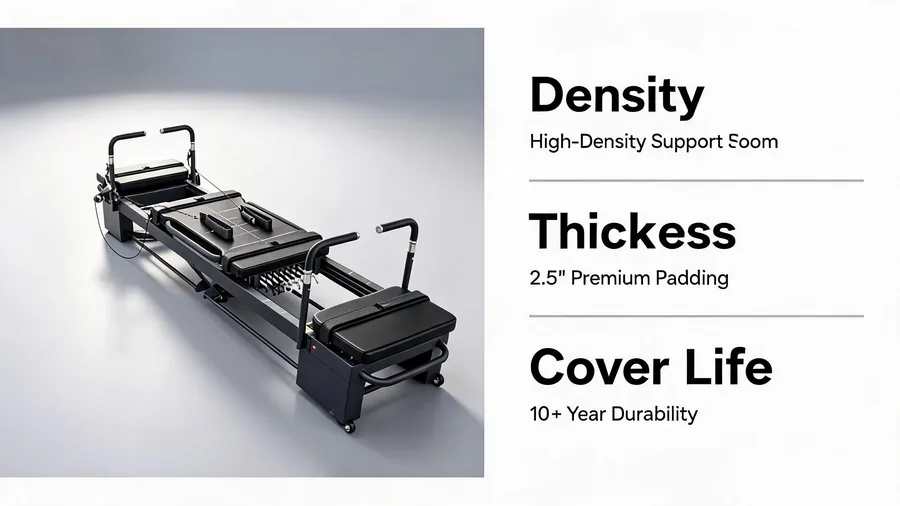
PVC-free upholstery resists sweat and cleaning agents better than some alternatives, extending both hygiene and service life. Follow the manufacturer’s cleaning guidance to avoid damaging foam or upholstery with harsh chemicals.
8. 편안함에 투자하기
Investing in quality pilates reformer foam padding is one of the lowest-cost, highest-impact upgrades a studio can make. The math is simple: improved comfort supports retention, and retention drives revenue. For a 6-reformer studio, upgrading padding on all machines costs a fraction of one month’s lost revenue from client churn.
두께보다 밀도를 우선하고, 업그레이드는 수업 구성에 맞추고, 마모된 부품은 일정에 따라 교체하고, 신규 구매 시 패딩 품질을 지정하세요.
자주 묻는 질문
Q1. 리포머 패딩은 얼마나 자주 교체해야 하나요?
상업용 폼은 매일 사용 기준으로 대개 3~5년 갑니다. 눈에 보이는 압축, 복원력 상실, 반복되는 고객 불편 신고가 있으면 더 일찍 교체하세요.
Q2. 상업용 리포머에는 어떤 폼 밀도가 좋은가요?
고밀도 폼은 매일 상업적으로 사용해도 압축에 강하고 형태를 유지합니다. 두께만 보지 말고 제조사에 입방미터당 킬로그램 단위의 밀도 사양을 요청하세요.
Q3. 기존 리포머의 패딩을 업그레이드할 수 있나요?
네. 캐리지 매트, 숄더 레스트, 헤드레스트, 풋바 커버는 교체 가능합니다. 공장 규격 부품을 쓰면 밀도, 치수, 체결 방식이 일정하게 맞습니다.
Q4. 편안함 개선이 수업 품질에 영향을 주나요?
네, 긍정적인 영향을 줍니다. 패딩 품질이 높으면 긴 수업에서 만족도가 높고 압박 지점 불만이 줄며 재등록률이 개선된다는 응답이 많습니다.
Q5. 리포머 패딩은 어떻게 청소하나요?
수업 사이에는 기구에 안전한 세제로 닦고, 커버는 매주 깊이 세척하며, 가능하면 세탁 가능한 커버를 사용하세요. 폼과 커버를 보호하려면 제조사 세척 지침을 따르세요.
Q6. 패딩은 어떤 보증이 적용되나요?
Megacore 리포머는 프레임과 기구에 3년 보증이 적용되며, 패딩 구성품은 기구 보증에 포함되고 보증 기간 이후에는 공장 규격 교체 부품으로 구매할 수 있습니다.
마무리
필라테스 리포머 폼 패딩은 고객 편안함의 최전선이며, 지금까지 받아 온 관심보다 더 많은 주의를 받을 만합니다. 밀도, 두께, 관리, 적기 교체가 모두 고객이 기구에서 느끼는 경험과 다시 찾아올 가능성에 영향을 줍니다.
구매할 때 품질 좋은 패딩을 지정하고, 마모된 부품은 일정에 따라 교체하고, 위생 기준을 높게 유지하세요. 작은 편안함 투자가 훨씬 큰 재등록 성과로 돌아옵니다.
관련 가이드
업계 참고 자료: Pilates Method Alliance 업계 기준, CDC 환경 감염 관리, 그리고 OSHA 작업장 안전 지침.
Pad material and thickness per model are listed on the reformer model pages.