
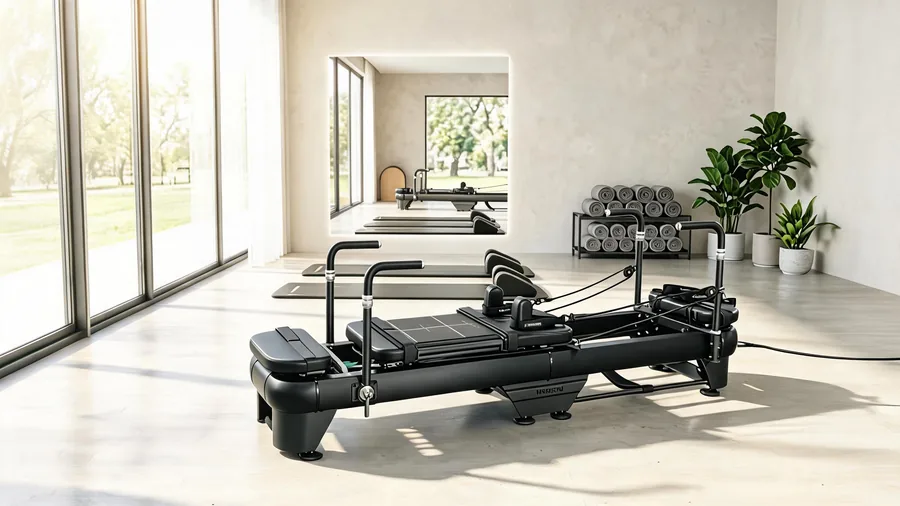
ความแตกต่างระหว่างเครื่องพิลาทิสแบบรีฟอร์มเมอร์ระดับเชิงพาณิชย์และระดับสำหรับใช้ในบ้านไม่ใช่เรื่องของการตลาด — แต่เป็นเรื่องของวิศวกรรม A เครื่องพิลาทิสแบบรีฟอร์มเมอร์สำหรับใช้ในเชิงพาณิชย์เทียบกับสำหรับใช้ในบ้าน การเปรียบเทียบแสดงให้เห็นถึงความแตกต่างพื้นฐานในด้านการออกแบบโครงสร้างตัวเครื่อง ระบบรองรับ ความทนทานของสปริง คุณภาพของผ้าหุ้ม และความครอบคลุมของประกัน เครื่องรีฟอร์มเมอร์แบบเชิงพาณิชย์ได้รับการออกแบบให้ใช้งานได้ 15 ถึง 25 ครั้งต่อวัน 6 ถึง 7 วันต่อสัปดาห์ ปีแล้วปีเล่า เครื่องรีฟอร์มเมอร์สำหรับใช้ในบ้านถูกออกแบบมาเพื่อใช้งาน 1 ถึง 2 ครั้งต่อวัน 3 ถึง 5 วันต่อสัปดาห์.
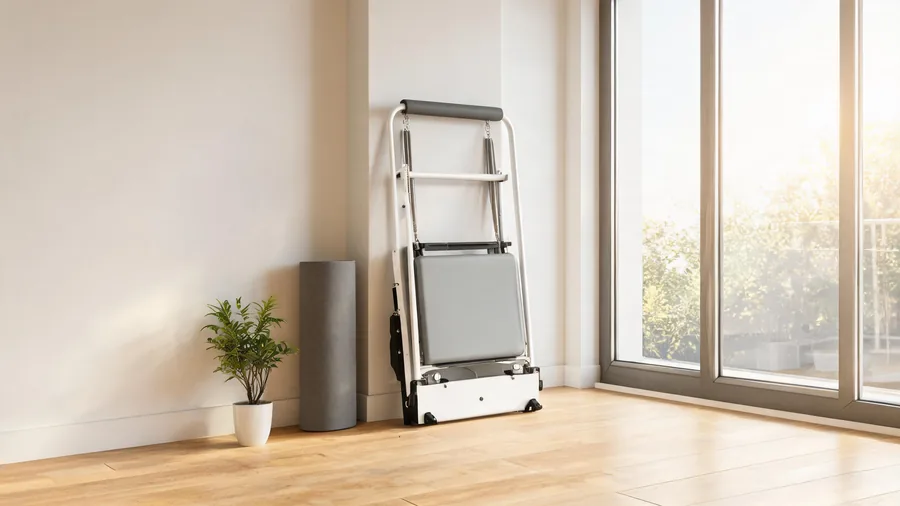
การเข้าใจ เครื่องพิลาทิสแบบรีฟอร์มเมอร์สำหรับใช้ในเชิงพาณิชย์เทียบกับสำหรับใช้ในบ้าน การเปรียบเทียบความแตกต่างเหล่านี้เป็นสิ่งสำคัญสำหรับเจ้าของสตูดิโอที่กำลังประเมินอุปกรณ์สำหรับพื้นที่ใหม่ ความแตกต่างด้านค่าใช้จ่ายเริ่มต้น — โดยทั่วไปอยู่ที่ $1,800 ถึง $4,000 ต่อเครื่องรีฟอร์มเมอร์เชิงพาณิชย์ เทียบกับ $800 ถึง $2,000 สำหรับเครื่องรีฟอร์มเมอร์แบบใช้ในบ้าน — สามารถอธิบายได้จากอายุการใช้งานที่ยาวนานกว่าของเครื่องแบบเชิงพาณิชย์ และต้นทุนต่อเซสชันที่ต่ำกว่า เมื่อใช้งานต่อเนื่องเป็นเวลา 5 ถึง 10 ปี ในสภาพแวดล้อมสตูดิโอที่มีการใช้งานหนัก.
1. การสร้างโครง: ส่วนหลัก เครื่องพิลาทิส รีฟอร์มเมอร์ สำหรับเชิงพาณิชย์เทียบกับสำหรับที่อยู่อาศัย แตกต่าง
ความแตกต่างที่สำคัญที่สุดในทุก เครื่องพิลาทิสแบบรีฟอร์มเมอร์สำหรับใช้ในเชิงพาณิชย์เทียบกับสำหรับใช้ในบ้าน จุดที่แตกต่างคือโครงสร้างกรอบ เครื่องรีฟอร์มเมอร์ระดับเชิงพาณิชย์ใช้เหล็กที่มีความหนาของผนัง 2.0 ถึง 3.0 มม. ซึ่งออกแบบมาเพื่อใช้งานทุกวันเป็นเวลา 10 ปีหรือมากกว่า โครงสร้างกรอบได้รับการเชื่อมด้วยเครื่อง TIG แบบอัตโนมัติเพื่อรับประกันคุณภาพจุดเชื่อมที่สม่ำเสมอ และได้รับการเคลือบผงด้วยความหนา 60+ ไมครอนเพื่อป้องกันการบิ่น เครื่องรีฟอร์มเมอร์สำหรับใช้ในบ้านใช้วัสดุที่เบากว่า (ความหนาของผนัง 1.2 ถึง 1.8 มม.) ซึ่งเพียงพอสำหรับการใช้งานที่บ้านสัปดาห์ละครั้ง แต่มีแนวโน้มที่จะเกิดการล้าและโครงเครื่องโค้งงอเมื่อใช้งานในสตูดิโอทุกวัน.
เมื่อโครงเครื่องรีฟอร์มเมอร์แบบใช้ในบ้านเกิดข้อบกพร่องในสภาพแวดล้อมเชิงพาณิชย์ โดยทั่วไปต้องเปลี่ยนเครื่องรีฟอร์มเมอร์ทั้งเครื่อง การเปลี่ยนโครงเครื่องมักไม่คุ้มค่าทางเศรษฐกิจสำหรับเครื่องที่มีราคาต่ำ เนื่องจากค่าแรงงานและค่าขนส่งมีมูลค่าใกล้เคียงกับราคาเครื่องเอง ซึ่งทำให้คุณภาพของโครงเครื่องกลายเป็นปัจจัยสำคัญที่สุดที่เจ้าของสตูดิโอต้องพิจารณาเมื่อเปรียบเทียบเครื่องรีฟอร์มเมอร์ในต่างระดับราคาและประเภทการใช้งานสำหรับสถานประกอบการของตน.
เครื่องปรับรูปทรงเชิงพาณิชย์ใช้เหล็กโครงสร้าง (เกรด Q235 หรือเทียบเท่า) พร้อมด้วยโครงค้ำขวางเสริมแรงที่จุดรับแรง เช่น จุดติดตั้งแท่งเท้า จุดติดตั้งราง และจุดยึดเสาสปริง เครื่องออกกำลังกายแบบรีฟอร์มเมอร์สำหรับใช้ในบ้านมักใช้ท่อเหล็กอ่อนโดยไม่มีการเสริมแรง ซึ่งอาจก่อให้เกิดการเคลื่อนไหวของโครงและเสียงเอี๊ยดอ๊าดภายใน 6 ถึง 12 เดือน หากใช้ในสภาพแวดล้อมสตูดิโอที่เกินกว่าแนวทางการใช้งานที่ผู้ผลิตกำหนดและข้อกำหนดเกี่ยวกับรอบการทำงาน.
2. ระบบลูกปืนและคุณภาพของตัวเลื่อน
ระบบลูกปืนคือจุดที่ความแตกต่างด้านประสิทธิภาพระหว่างเครื่องรีฟอร์มเมอร์แบบเชิงพาณิชย์และแบบใช้ในบ้านเห็นได้ชัดเจนที่สุดระหว่างการใช้งาน เครื่องรีฟอร์มเมอร์แบบเชิงพาณิชย์ใช้ลูกปืนแบบแคตริดจ์ที่ปิดผนึกบนรางสแตนเลสที่ผ่านการเจียรอย่างแม่นยำ ลูกปืนเหล่านี้ได้รับการรับรองให้สามารถเคลื่อนที่ของตัวเลื่อนได้มากกว่า 500,000 เมตร — ซึ่งเทียบเท่ากับการใช้งานในสตูดิโอที่มีผู้ใช้จำนวนมากเป็นเวลา 10 ปีหรือมากกว่า เครื่องรีฟอร์มเมอร์สำหรับใช้ในบ้านใช้แบริ่งล้อแบบเปิดบนรางอลูมิเนียมหรือเหล็กมาตรฐาน ซึ่งเก็บฝุ่นและเศษสิ่งสกปรก ทำให้พื้นผิวรางเริ่มหยาบภายใน 6 ถึง 12 เดือน เมื่อใช้งานในระดับเชิงพาณิชย์.
ลูกปืนแบบปิดช่วยขจัดความจำเป็นในการหล่อลื่นและเปลี่ยนลูกปืนเป็นระยะ ลูกปืนแบบเปิดในเครื่องรีฟอร์มเมอร์สำหรับใช้ในบ้านต้องทำความสะอาดและหล่อลื่นอย่างสม่ำเสมอ นอกจากนี้ยังทำให้ฝุ่นและเส้นผมสามารถเข้าสู่ร่องลูกปืนได้ ซึ่งก่อให้เกิดการสึกหรอไม่สม่ำเสมอที่ลูกค้าจะรู้สึกถึงความหยาบขณะออกกำลังกาย คุณภาพการเลื่อนของตัวเลื่อนมีผลโดยตรงต่อความประทับใจของลูกค้าต่อคุณภาพอุปกรณ์ของคุณ ทำให้ประสิทธิภาพการทำงานที่ราบรื่นของแบริ่งเป็นปัจจัยสำคัญในการรักษาลูกค้า.
วัสดุของรางก็มีความแตกต่างกันอย่างมากเช่นกัน เครื่องรีฟอร์มเมอร์แบบเชิงพาณิชย์ใช้รางทำจากเหล็กสแตนเลส (เส้นผ่านศูนย์กลาง 22 ถึง 25 มม.) ที่ทนต่อการกัดกร่อนจากสารเคมีทำความสะอาดและความชื้น ส่วนเครื่องรีฟอร์มเมอร์แบบใช้ในบ้านมักใช้รางทำจากอลูมิเนียมหรือเหล็กเคลือบสังกะสี ซึ่งอาจเกิดจุดกัดกร่อนตามเวลา โดยเฉพาะในสภาพแวดล้อมสตูดิโอที่มีความชื้นสูง ซึ่งระบบควบคุมสภาพอากาศมีข้อจำกัด และระดับความชื้นเปลี่ยนแปลงตลอดทั้งปี.
3. ระบบความทนทานและความต้านทานของสปริง
ในทุก เครื่องพิลาทิสแบบรีฟอร์มเมอร์สำหรับใช้ในเชิงพาณิชย์เทียบกับสำหรับใช้ในบ้าน เมื่อเปรียบเทียบกัน คุณภาพของสปริงคือปัจจัยที่แยกเครื่องรีฟอร์มเมอร์เชิงพาณิชย์ออกจากเครื่องรีฟอร์มเมอร์สำหรับใช้ในบ้าน ทั้งในด้านประสิทธิภาพและค่าใช้จ่ายในการบำรุงรักษาอย่างต่อเนื่อง เครื่องรีฟอร์มเมอร์เชิงพาณิชย์ใช้สปริงทำจากเหล็กคาร์บอนสูง ที่ได้รับการรับรองให้ใช้งานได้มากกว่า 50,000 รอบ พร้อมรักษาแรงตึงให้คงที่ตลอดอายุการใช้งาน สปริงแต่ละตัวได้รับการทดสอบและปรับให้ตรงกันภายในช่วงความคลาดเคลื่อนที่กำหนด เพื่อรับประกันความต้านทานที่สม่ำเสมอในเครื่องรีฟอร์มเมอร์ทุกเครื่องภายในสตูดิโอ เครื่องรีฟอร์มเมอร์สำหรับใช้ในบ้านใช้สปริงคุณภาพต่ำกว่าที่มีอายุการใช้งาน 10,000 ถึง 20,000 รอบ ซึ่งแรงตึงจะลดลงและต้องเปลี่ยนบ่อยขึ้น.
ความถี่ในการเปลี่ยนสปริงมีผลกระทบโดยตรงต่อค่าใช้จ่ายในการดำเนินงานของสตูดิโอ สตูดิโอที่มีเครื่องรีฟอร์มเมอร์ 10 เครื่อง ซึ่งใช้สปริงระดับเชิงพาณิชย์ จะต้องเปลี่ยนสปริงทุก 18 ถึง 24 เดือน ด้วยค่าใช้จ่ายประมาณ $15 ถึง $25 ต่อสปริงหนึ่งตัว สตูดิโอเดียวกันนี้ หากใช้สปริงระดับใช้ในบ้าน จะต้องเปลี่ยนสปริงทุก 6 ถึง 12 เดือน เนื่องจากสปริงจะสูญเสียแรงตึงอย่างค่อยเป็นค่อยไป ทำให้แรงต้านไม่สม่ำเสมอ ซึ่งลูกค้าและผู้สอนจะสังเกตเห็นได้ระหว่างการฝึก.
เครื่องรีฟอร์มเมอร์แบบเชิงพาณิชย์ยังมีระบบการติดตั้งสปริงที่ดีกว่าด้วย สปริงฮุคแบบเปลี่ยนเร็วที่ช่วยให้สามารถเปลี่ยนสปริงได้โดยไม่ต้องใช้เครื่องมือ ช่วยลดเวลาการเตรียมการระหว่างคลาส ระบบสปริงที่มีรหัสสีช่วยให้ผู้สอนสามารถระบุและปรับระดับความต้านทานได้อย่างรวดเร็ว ส่วนเครื่องรีฟอร์มเมอร์แบบใช้ในบ้านมักใช้ระบบการติดตั้งสปริงแบบคงที่ ซึ่งต้องใช้เครื่องมือในการเปลี่ยนและไม่มีรหัสสี ทำให้การเปลี่ยนคลาสช้าลงและขัดขวางกระบวนการทำงานของผู้สอนในสตูดิโอ.
4. ความสามารถรับน้ำหนักและความมั่นคง
ความจุน้ำหนักเป็นหนึ่งในจุดแตกต่างที่ชัดเจนที่สุดใน เครื่องพิลาทิสแบบรีฟอร์มเมอร์สำหรับใช้ในเชิงพาณิชย์เทียบกับสำหรับใช้ในบ้าน การเปรียบเทียบ เครื่องรีฟอร์มเมอร์แบบเชิงพาณิชย์สามารถรับน้ำหนักได้ 150 ถึง 225 กก. (330 ถึง 500 ปอนด์) ในขณะที่รุ่นสำหรับใช้ในบ้านรับน้ำหนักได้ 100 ถึง 135 กก. (220 ถึง 300 ปอนด์) เครื่องรีฟอร์มเมอร์แบบเชิงพาณิชย์มีฐานที่กว้างกว่าและเท้าปรับสมดุลที่ใหญ่กว่า ซึ่งช่วยป้องกันการล้มระหว่างการออกกำลังกายแบบไดนามิก ส่วนเครื่องรีฟอร์มเมอร์แบบใช้ในบ้านถูกออกแบบให้น้ำหนักเบากว่าเพื่อความสะดวกในการเคลื่อนย้าย แต่ความเบานี้ทำให้เครื่องมีความมั่นคงน้อยลงเมื่อใช้ในสตูดิโออย่างหนักหน่วงกับลูกค้าที่มีขนาดร่างกายแตกต่างกัน.
รูปทรงของกรอบเครื่องยังช่วยเพิ่มความมั่นคงด้วย เครื่องรีฟอร์มเมอร์แบบเชิงพาณิชย์มีจุดศูนย์ถ่วงที่ต่ำลง พร้อมด้วยระยะห่างระหว่างขาที่กว้างขึ้น รางเลื่อนของเครื่องถูกติดตั้งบนโครงรองที่เสริมความแข็งแรง ซึ่งช่วยกระจายน้ำหนักให้เท่ากันทั่วทั้งฐาน เครื่องรีฟอร์มเมอร์สำหรับใช้ในบ้านมักใช้ออกแบบโครงที่แคบกว่าเพื่อประหยัดค่าใช้จ่ายวัสดุ แต่ทำให้จุดศูนย์ถ่วงสูงขึ้น ซึ่งอาจก่อให้เกิดการสั่นหรือพลิกคว่ำขณะออกกำลังกายใกล้ขอบรางเลื่อน.
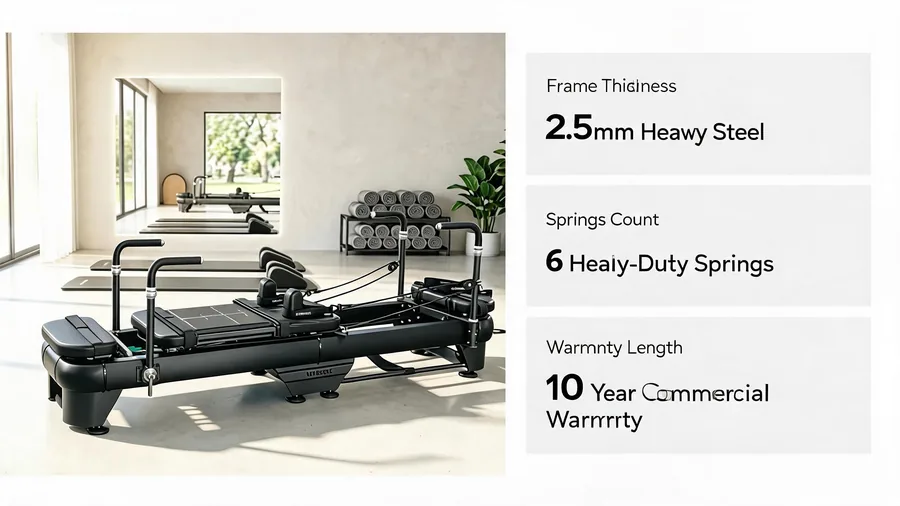
สำหรับเจ้าของสตูดิโอ ความสามารถรับน้ำหนักและความมั่นคงของอุปกรณ์มีผลโดยตรงต่อความปลอดภัยของลูกค้าและความรับผิดชอบทางประกันภัย เครื่องรีฟอร์มเมอร์เชิงพาณิชย์ที่มีการทดสอบความสามารถรับน้ำหนักอย่างเป็นทางการจะช่วยให้คุณมั่นใจได้ว่าอุปกรณ์ของคุณสามารถรองรับลูกค้าทุกคนได้อย่างปลอดภัย ส่วนเครื่องรีฟอร์มเมอร์สำหรับใช้ในบ้านที่นำมาใช้ในสภาพแวดล้อมเชิงพาณิชย์อาจก่อให้เกิดความเสี่ยงด้านความรับผิดชอบทางกฎหมาย หากลูกค้าใช้เครื่องเกินขีดความสามารถที่กำหนดไว้ระหว่างการออกกำลังกายหรือกิจกรรมฝึกซ้อมในสตูดิโอของคุณ.
6. การรับประกันและค่าใช้จ่ายรวมในการเป็นเจ้าของ
คลังมาตรฐาน เครื่องพิลาทิสแบบรีฟอร์มเมอร์สำหรับใช้ในเชิงพาณิชย์เทียบกับสำหรับใช้ในบ้าน การเปรียบเทียบการรับประกันในส่วนนี้ เครื่องพิลาทิสแบบรีฟอร์มเมอร์สำหรับใช้ในเชิงพาณิชย์เทียบกับสำหรับใช้ในบ้าน ผลการประเมินแสดงให้เห็นถึงความแตกต่างในความมั่นใจของผู้ผลิต เครื่องรีฟอร์มเมอร์แบบเชิงพาณิชย์มาพร้อมการรับประกันที่ครอบคลุมอย่างครบถ้วน สำหรับตัวเครื่อง สปริง ลูกปืน และส่วนหุ้มเบาะ เป็นระยะเวลา 3 ปี หรือมากกว่า เครื่องรีฟอร์มเมอร์สำหรับใช้ในบ้านมักมีรับประกัน 1 ถึง 2 ปี พร้อมข้อจำกัดในการใช้งาน (ระบุในเงื่อนไขการรับประกันว่า “ใช้ในบ้านเท่านั้น”) การใช้เครื่องรีฟอร์มเมอร์สำหรับใช้ในบ้านในสภาพแวดล้อมเชิงพาณิชย์จะทำให้การรับประกันเป็นโมฆะ ทำให้เจ้าของสตูดิโอต้องรับผิดชอบค่าใช้จ่ายในการซ่อมแซมและเปลี่ยนชิ้นส่วนทั้งหมด.
เมื่อคำนวณต้นทุนรวมตลอดอายุการใช้งาน รีฟอร์เมอร์ระดับพาณิชย์คุ้มกว่าสำหรับสตูดิโอ แม้ราคาเริ่มต้นจะสูงกว่า หากอยากรู้ว่าตลาดมีอะไรบ้างและประกาศขายมักไม่บอกอะไรคุณ อ่าน Pilates reformer สำหรับจำหน่าย คู่มือของเรา รีฟอร์เมอร์ระดับพาณิชย์ราคา $2,500 อายุการใช้งาน 10 ปี คิดเป็น $250 ต่อปี ส่วนรีฟอร์เมอร์ระดับบ้านราคา $1,200 อายุการใช้งาน 3 ปีเมื่อใช้เชิงพาณิชย์ คิดเป็น $400 ต่อปี บวกค่าบำรุงรักษาที่สูงขึ้นจากการเปลี่ยนสปริงและตลับลูกปืน ซึ่งเกิดบ่อยกว่ามากเมื่อใช้อะไหล่เกรดต่ำ
The Pilates Method Alliance ให้แนวทางเกี่ยวกับมาตรฐานอุปกรณ์เชิงพาณิชย์ ซึ่งช่วยเจ้าของสตูดิโอตรวจสอบคำกล่าวอ้างของผู้ผลิตเกี่ยวกับโครงสร้างระดับเชิงพาณิชย์ เมื่อเปรียบเทียบตัวเลือกต่าง ๆ ให้ขอเอกสารรายละเอียดทางเทคนิค เงื่อนไขการรับประกันเป็นลายลักษณ์อักษร และรายงานการตรวจสอบคุณภาพจากหน่วยงานอิสระ เพื่อยืนยันว่าอุปกรณ์ดังกล่าวเป็นไปตามมาตรฐานระดับเชิงพาณิชย์ ก่อนที่จะตัดสินใจซื้ออย่างเป็นทางการสำหรับการลงทุนในสตูดิโอของคุณ.
เปรียบเทียบเครื่องรีฟอร์มเมอร์แบบเชิงพาณิชย์สำหรับสตูดิโอของคุณ
ติดต่อทีมงานของเราเพื่อสอบถามข้อมูลเกี่ยวกับสเปกเครื่องรีฟอร์มเมอร์ระดับเชิงพาณิชย์ ราคา และขอตัวอย่าง ราคาขายตรงจากโรงงานเริ่มต้นที่ $1,800 ต่อเครื่อง.
อีเมล: [email protected] • WhatsApp: +86 189 0238 9454
คู่มือที่เกี่ยวข้อง
- คู่มือรีฟอร์มเมอร์ Pilates ระดับพาณิชย์
- Pilates Reformer ที่ดีที่สุดสำหรับใช้ในสตูดิโอ
- คู่มือความสามารถรับน้ำหนักของ Reformer
- คู่มือวัสดุโครง Reformer
- คู่มือเลือกซื้อ Pilates Reformer 2026
7. คำถามที่พบบ่อย
ความแตกต่างระหว่างเครื่องพิลาทิสแบบรีฟอร์มเมอร์สำหรับเชิงพาณิชย์และสำหรับใช้ในบ้านคืออะไร?
เครื่องรีฟอร์มเมอร์แบบเชิงพาณิชย์ใช้กรอบเหล็กที่หนาขึ้น (2.0-3.0 มม.), ตลับลูกปืนแบบปิดผนึก, รางเหล็กสแตนเลส, สปริงที่รองรับการใช้งานได้มากกว่า 50,000 รอบ และมาพร้อมการรับประกัน 3 ปีขึ้นไป ส่วนเครื่องรีฟอร์มเมอร์แบบสำหรับใช้ในบ้านใช้วัสดุที่เบากว่า และออกแบบมาเพื่อใช้ในบ้านเท่านั้น พร้อมการรับประกัน 1-2 ปี.
ผมสามารถใช้เครื่องรีฟอร์มเมอร์แบบใช้ในบ้านในสตูดิโอของผมได้ไหมครับ?
ในทางเทคนิคแล้วใช่ แต่ไม่แนะนำให้ทำเช่นนั้น เครื่องรีฟอร์มเมอร์สำหรับใช้ในบ้านถูกออกแบบมาเพื่อใช้งาน 1-2 ครั้งต่อวัน การใช้เครื่องเหล่านี้ในเชิงพาณิชย์จะทำให้การรับประกันเป็นโมฆะ ทำให้เครื่องสึกหรอเร็วขึ้น และก่อให้เกิดปัญหาด้านความรับผิดชอบทางกฎหมาย เนื่องจากความจุน้ำหนักที่ต่ำลงและความมั่นคงของโครงเครื่องที่ลดลง.
เครื่องปรับอากาศแบบเชิงพาณิชย์มีราคาสูงกว่าเครื่องปรับอากาศแบบบ้านอยู่เท่าไร?
เครื่องปรับอากาศแบบเชิงพาณิชย์มีราคาโดยทั่วไปอยู่ที่ $1,800 ถึง $4,000 เมื่อเทียบกับรุ่นสำหรับบ้านพักที่มีราคาอยู่ที่ $800 ถึง $2,000 อย่างไรก็ตาม ค่าใช้จ่ายในการเป็นเจ้าของต่อปีของเครื่องปรับอากาศแบบเชิงพาณิชย์นั้นต่ำกว่า เนื่องจากมีอายุการใช้งาน 8-15 ปี ในขณะที่เครื่องปรับอากาศแบบที่อยู่อาศัยที่นำมาใช้ในเชิงพาณิชย์มีอายุการใช้งานเพียง 3-5 ปี.
ความหนาของกรอบสำหรับเครื่องรีฟอร์มเมอร์ในสตูดิโอควรเป็นเท่าใด?
ความหนาของผนังเหล็กต้องไม่น้อยกว่า 2.0 มม. สำหรับการใช้งานเชิงพาณิชย์ เครื่องรีฟอร์มเมอร์ที่มีโครงหนา 1.5 มม. หรือน้อยกว่านั้นเป็นระดับสำหรับใช้ในบ้าน และจะเกิดการยืดหยุ่นและเคลื่อนตัวของโครงภายในไม่กี่เดือนหลังการใช้งานในสตูดิโอทุกวัน ควรเลือกเหล็กโครงสร้าง Q235 ที่ผ่านการเชื่อม TIG ด้วยหุ่นยนต์เพื่อผลลัพธ์ที่ดีที่สุด.
เครื่องปรับอากาศแบบเชิงพาณิชย์มีมูลค่าขายต่อที่ดีกว่าหรือไม่?
ใช่ครับ เครื่องรีฟอร์มเมอร์ระดับเชิงพาณิชย์จะรักษาค่ามูลค่าไว้ได้ 40 ถึง 60 เปอร์เซ็นต์ หลังจาก 5 ปี และสามารถขายต่อให้สตูดิโออื่นหรือผู้ใช้ที่บ้านได้ ส่วนเครื่องรีฟอร์มเมอร์สำหรับใช้ในบ้านมีค่ามูลค่าขายต่อต่ำมาก เนื่องจากอายุการใช้งานที่สั้น ทำให้เจ้าของคนต่อไปต้องรับช่วงต่อชิ้นส่วนที่ใกล้จะเสียหาย.
อายุการใช้งานของเครื่องรีฟอร์มเมอร์แบบเชิงพาณิชย์และแบบสำหรับใช้ในบ้านแตกต่างกันอย่างไร?
เครื่องรีฟอร์มเมอร์แบบเชิงพาณิชย์มีอายุการใช้งาน 8 ถึง 15 ปี เมื่อใช้ในสตูดิโอทุกวันและได้รับการดูแลรักษาอย่างถูกต้อง ส่วนเครื่องรีฟอร์มเมอร์แบบใช้ในบ้านมีอายุการใช้งาน 3 ถึง 5 ปี ในเงื่อนไขเดียวกัน ก่อนที่ความล้าของโครงเครื่อง การสึกหรอของตลับลูกปืน และความเสียหายของสปริงจะทำให้ต้องเปลี่ยนเครื่องทั้งเครื่อง.
คลังมาตรฐาน commercial reformer line is the tier built for daily class load rather than home use.