Bir Pilates stüdyosu açmak, bu yönteme duyulan tutkudan daha fazlasını gerektirir. Pazar olgunlaşmıştır. Şu kaynağa göre Pilates Yöntemi Birliği standards, clients expect commercial-grade equipment, flexible class formats, and a clean, professional environment. Studio owners who plan their equipment budget, floor layout, and client acquisition strategy before signing a lease.
Bu “Pilates stüdyosu açma rehberi”, reformer seçimi ve alan planlamasından ilk faaliyet yılınız için bütçe hazırlamaya kadar uzanan pratik adımları ele almaktadır. İster altı reformerli butik bir stüdyo, ister yirmi istasyonlu büyük ölçekli bir stüdyo açıyor olun, ilkeler aynıdır. Pilates stüdyosu açma sürecini baştan sona anlamak, maliyetli hatalardan kaçınmanıza yardımcı olur ve kârlılığa ulaşma yolunuzu hızlandırır.
1. Adım: Pilates stüdyosunu açma modelinizi belirleyin
Format, geri kalan her şeyi belirler — ekipman sayısı, personel sayısı, ders ücretleri ve gerekli alan büyüklüğü. 2026 piyasasında üç format öne çıkmaktadır:
Butik Stüdyo (4–8 reformer):
Özel seans başına 300–500 yen veya 10 seanslık paket için 1.800–2.500 yen ödemeye hazır olan üst düzey müşterileri hedefler. 60–100 m²’lik bir alana ihtiyaç duyar. Ekipman maliyetleri düşüktür, ancak seans başına gelir daha yüksektir.
Orta Boy Stüdyo (10–16 reformer):
Özel seanslarla grup reformer dersleri arasında denge kurar (maksimum 8:1 oran). 120–200 m² alan gerektirir. Çin’deki çoğu birinci ve ikinci kademe şehirde yatırım getirisi açısından en uygun nokta.
Büyük Ölçekli / Franchise (20–30 reformcu):
Yoğun grup dersleri. 250–400 m² alan gerektirir. Ekipman yatırımı yüksektir, ancak müşteri başına edinim maliyeti daha düşüktür. Yeni semtlere genişleyen köklü markalar için uygundur.
2. Adım: Bir Pilates stüdyosu açmak için ekipman bütçesi hazırlama
Reform cihazı, tek başına en önemli sermaye harcamanızdır. Guangzhou’daki üreticilerden fabrika çıkış fiyatları (2025–2026 fiyatları):
Ticari sınıf reformer (standart): Çerçeve malzemesi, yay sayısı ve dahil edilen aksesuarlara bağlı olarak birim başına 4.500–8.000 yen. Kule eki bulunan ticari sınıf reformer: Birim başına 8.000–14.000 yen. Küçük stüdyolar için katlanabilir reformer: Adet başına 3.800–6.500 yen. Reformer aksesuarları (kutu, atlama tahtası, platform uzatıcı): Set başına 600–1.200 yen. Ek ekipman bütçe kalemleri: mat setleri (her biri ¥200–400), küçük yardımcı malzemeler (daireler, silindirler, bantlar — her biri ¥50–150), saklama rafları ve raf sistemleri (¥1.500–3.000).
Ekipman Maliyet Dağılımı
Bütçe Tahsis Stratejisi
Yeni Stüdyolar İçin Finansman Seçenekleri
Tam donanımlı ve matları da içeren 10 kişilik bir stüdyo: ekipman maliyeti yaklaşık ¥65.000–95.000. Nakliye, kurulum ve beklenmedik durumlar için 15% ekleyin. Çin dışındaki üreticilerden yapılan ithalatlarda gümrük vergileri, ekipman maliyetine 8–12% ekler.
3. Adım: Pilates stüdyosu açmak için zemin planı
Stüdyo düzeni, ders akışını, eğitmenlerin görüş alanını ve güvenliği etkiler. Asgari mesafe önerileri:
Reform makinesinin merkez çizgileri arasında:
En az 1,8 m. Bu mesafe, eğitmenin makineler arasında dolaşmasına ve katılımcılara güvenli bir şekilde destek olmasına olanak tanır.
Uç boşluğu (ayak çubuğu ile duvar arası):
En az 1,5 m. Lunges ve ayakta yapılan egzersizleri yapan müşteriler, reformer'ın arkasında yeterli boşluğa ihtiyaç duyar.
Uç boşluğu (kafa tarafı ile duvar arası):
Aracın tam mesafeyi kat edebilmesi için en az 0,8 m gereklidir.
Koridor genişliği:
Sınıflar arasında öğrencilerin hareket edebilmesi için en az 1,2 m mesafe.
Eğitmen alanı:
Odanın bir kenarı boyunca, tüm vagonları net bir şekilde görebileceğiniz 2 m genişliğinde bir şerit.
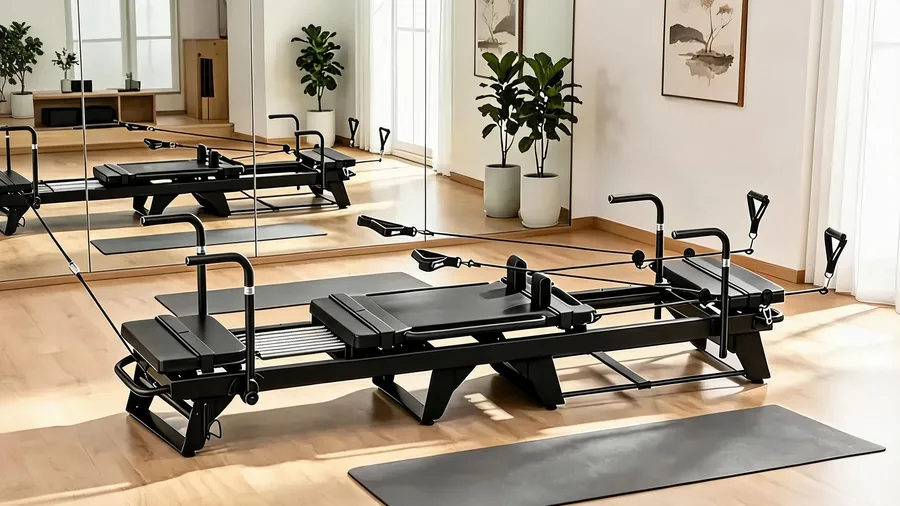
10 reformerlik bir stüdyo için: Reformerleri, beşerli iki sıra halinde, birbirine kaydırılmış şekilde düzenleyin. Toplam alan ihtiyacı: Reformer alanı için yaklaşık 65 m² artı resepsiyon, soyunma odası ve depo için 20 m².
4. Adım: Bir Pilates stüdyosu açmak için ilk yılın maliyet dağılımı
Çin’in birinci kademe bir şehrinde bulunan, 10 reformer’lık orta ölçekli bir stüdyo örnek alınarak:
Kira ve depozito (3 ay + 1 ay depozito): 45.000–75.000 ¥ (ticari bir binada m² başına 150–250 ¥ olduğu varsayımıyla). Tadilat ve iç mekan donanımı: 40.000–80.000 yen (zemin kaplaması, aynalar, aydınlatma, soyunma odaları, resepsiyon masası). Ekipman (reformers + aksesuarlar + destek malzemeleri): 65.000–95.000 yen. Lisans ve izinler: Şehre bağlı olarak 5.000–15.000 yen. Pazarlama ve açılış (web sitesi, sosyal medya, açılış promosyonu): 10.000–25.000 yen. Personel (2 tam zamanlı eğitmen + 1 resepsiyonist, 3 ay): 60.000–90.000 yen. Sigorta ve kamu hizmetleri (12 ay): 15.000–25.000 yen. Beklenmedik durumlar (10%): 25.000–40.000 yen. İlk yıl için tahmini toplam yatırım tutarı: 265.000–445.000 yen.
Gelir tahmini (ihtiyatlı): Günde 10 özel seans, ortalama 350 yen = aylık 126.000 yen. Başabaş noktası, konuma ve pazarlama etkinliğine bağlı olarak genellikle 6. ile 10. ay arasında ulaşılır.
5. Adım: Pilates stüdyosu açmak için tedarikçilerin seçilmesi
Tüm reformer tedarikçileri aynı değildir. Üreticileri değerlendirmek için temel kriterler:
Çelik iskelet özellikleri — ticari kullanım için 2,5 mm veya daha fazla duvar kalınlığı. Taşıyıcı yatak sistemi — sızdırmaz makaralı rulmanlar veya sürtünmeyi azaltan polimer kızaklar. Yay kalitesi — kumlama işlemine tabi tutulmuş, yorulma testinden geçirilmiş ve test döngüleri belgelenmiş alaşımlı çelik. Garanti — çerçeve ve kaynaklar için en az 3 yıl, yaylar ve döşeme için 1 yıl. Satış sonrası destek — yedek parçaların 48 saat içinde temini. Kalite sertifikası — kalite denetim sertifikası talep edilebilir (uygunluk kriterleri için GZHL2601000020601SP referans numarası).
Guangzhou merkezli üreticilerin fabrikalarına yapılan bir gezi, kaynak hassasiyeti, boya kaplaması ve yay montajı alanlarındaki farklılıkları ortaya koymaktadır. İlk kez stüdyo açan işletme sahiplerine, toplu sipariş vermeden önce fabrikayı bizzat ziyaret etmeleri veya bir kalite denetçisi göndermeleri tavsiye edilir.
6. Adım: Pilates stüdyonuzun pazarlanması
Yerel SEO, stüdyo müşteri kazanımı için hâlâ en uygun maliyetli kanal olmaya devam ediyor. Ekipmanlarınızın fotoğrafları, ders programınız ve fiyatlarınızla Google İşletme Profilinizi (veya Baidu’daki karşılığı) optimize edin. Her müşterinizi, ilk seanslarının ardından bir yorum bırakmaya teşvik edin. Tavsiye anlaşmaları için yakınlardaki seçkin konut kompleksleri, kurumsal sağlık programları ve lüks otellerle iş birliği yapın.
WeChat ve Xiaohongshu (Little Red Book), Çin pazarı için vazgeçilmez platformlardır. Reformer egzersizlerini, eğitmen tanıtımlarını ve stüdyo turlarını gösteren kısa videolar yayınlayın. Stüdyonuzun bulunduğu yerin 3 km’lik yarıçapı içinde hedefli reklamlar yayınlayın. İlk altı ay boyunca dijital reklamlar için aylık 3.000–8.000 ¥ bütçe ayırın.
Özet
Starting a Pilates studio in 2026 is a realistic goal with proper planning. The equipment market offers reliable commercial-grade reformers at accessible factory-direct prices. Layout and budgeting are straightforward when you follow the spacing and revenue guidelines above. Focus on quality equipment in your start a Pilates studio, excellent instructor training, and consistent local marketing for your pilates studio launch plan. Bir [şey] açmak için kaç tane reformcuya ihtiyacınız var? Pilates Refor için Alanınızı Hazırlama Pilates Reformer Boyutları ve Yer İhtiyacı
İlgili Kılavuzlar
Erkekler İçin Reformer Pilates: Neden Giderek Daha Fazla Erkek Sporcu Pilates’e Yöneliyor?
Pilates Reformer Yatırım Getirisi (ROI) Hesaplayıcı: Başabaş Noktasına Ulaşmak İçin Kaç Müşteri Gerekiyor?
Reformer Pilates Üyelik Fiyatlandırması: Stüdyonuz için Aylık Ücretleri Nasıl Belirleyebilirsiniz?
The following industry resources provide authoritative guidance on this topic:
- NIH Fiziksel Aktivite Kılavuzları
- Uluslararası Fitness Birliği
- Amerikan Egzersiz Konseyi
2026 yılında bir pilates stüdyosu kurmaya ilişkin daha fazla bilgi için sektör kaynakları:
- Uluslararası Fitness Birliği
- OSHA Hijyen Standartları
- NIH Fiziksel Aktivite Kılavuzları
Ekipman güvenliği ve kalite standartları konusunda Pilates Method Alliance’ın sektör kılavuzlarına başvurun. CDC’nin spor tesislerine yönelik çevre kılavuzları, ticari ekipmanların hijyeni ve bakımı için ek standartlar sunmaktadır. OSHA’nın hijyen standartları, ortak kullanılan ekipmanların bulunduğu ticari spor stüdyoları için de geçerlidir.
Sık Sorulan Sorular
Bu Pilates ekipmanını uygun fiyatlı alternatiflerden ayıran nedir?
Aradaki fark, kullanılan malzemeler ve yapım kalitesinde yatmaktadır. Ticari sınıf ekipmanlarda tamamen metal çerçeveler, sızdırmaz rulmanlar ve kalibre edilmiş yaylar kullanılır. Ekonomik alternatiflerde ise daha hızlı aşınan, daha hafif malzemeler kullanılır. Kaliteli bir reformer 5-10+ yıl dayanırken, ekonomik bir reformer genellikle 1-2 yıl içinde değiştirilmesi gerekir.
Bu ekipmanın benim özel ihtiyaçlarıma uygun olup olmadığını nasıl anlarım?
Başlıca kullanım senaryonuzu göz önünde bulundurun: stüdyo mu yoksa ev mi, müşteri profili, ders katılımcı sayısı ve bütçe. Stüdyo sahipleri, dayanıklılık ve bakım kolaylığına öncelik vermelidir. Ev kullanıcıları ise alan verimliliği ve kullanım kolaylığına öncelik vermelidir. Genel amaçlı ekipman satın almak yerine, ekipman özelliklerini kendi özel gereksinimlerinize uygun olarak seçin.
Saygın bir üreticiden ne tür bir garanti ve destek beklemeliyim?
Ticari ekipmanlar, en az 2 yıllık yapısal garanti ve 1 yıllık parça garantisi içermelidir. Megacore gibi doğrudan fabrikadan satış yapan üreticiler genellikle uzatılmış garanti kapsamı ve doğrudan teknik destek sunar. Satın almadan önce her zaman yazılı garanti belgelerini talep edin.
Sonuç
Doğru ekipmanı seçmek, Pilates pratiğinizde veya işinizde önemli bir fark yaratır. İster bir stüdyo kuruyor, ister mevcut aletlerinizi yeniliyor, ister evinizde bir çalışma alanı donatıyor olun — özel ihtiyaçlarınıza uygun kaliteli ekipmana yatırım yapmak, başarılı bir Pilates stüdyosu kurmanın temelidir. Doğru bir planlama ile stüdyonuz ilk yıl içinde kârlılığa ulaşabilir ve uzun vadeli memnuniyet ve performans sağlayabilir.
Ticari Reformerlerimize Göz Atın →
- Yurtdışında Pilates Stüdyosu Açma Rehberi: Çin’den Reformer İthalatı – 2026 Rehberi
- Reformer Pilates Üyelik Fiyatlandırması: Stüdyonuz için Aylık Ücretleri Nasıl Belirleyebilirsiniz?
- Özel Markalı Pilates Reformerları: Kendi Ekipman Markanızı Kurmak İçin Adım Adım Kılavuz
Stüdyonuzu açma süreciniz boyunca başvurmak üzere bu “Pilates stüdyosu açma rehberi”ni yer imlerine ekleyin.