
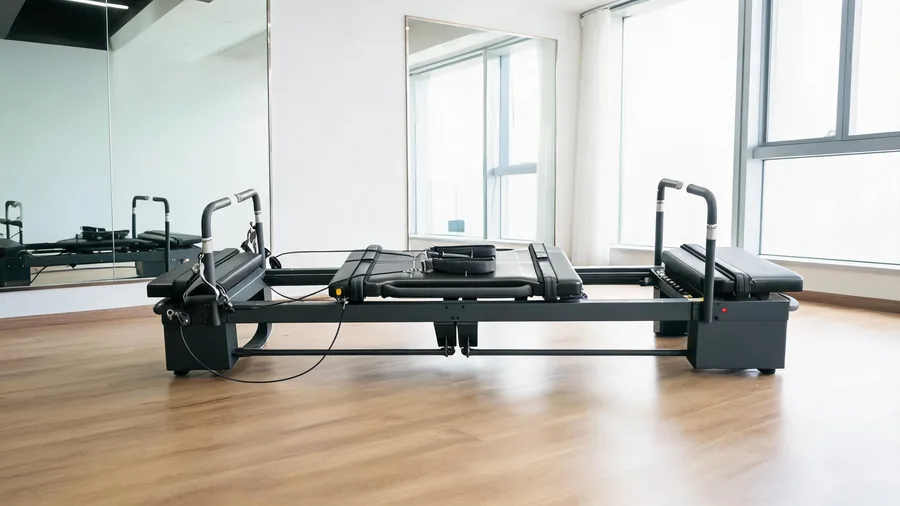
Pilates reformer halatları ve kayışları, kullanıcı ile direnç sistemi arasındaki kritik temas noktalarıdır. Kuvveti, kullanıcının elleri veya ayaklarından makara sistemi üzerinden taşıyıcı yaylara iletirler. Halat ve kayışlarınızın durumu, Pilates reformer halatları ve kayışları , egzersiz kalitesini, müşteri güvenliğini ve genel stüdyo deneyimini doğrudan etkiler. Yıpranmış veya hasarlı halatlar tutarsız direnç oluşturur, güvenlik riskleri doğurur ve ekipmanınızın profesyonel görünümünü azaltır.
Bu rehber, Pilates reformer halatları ve kayışları'nda kullanılan malzemeleri, durumlarının nasıl değerlendirileceğini, ne zaman değiştirilmeleri gerektiğini ve ticari stüdyo ortamları için kaliteli yedeklerin nasıl tedarik edileceğini ele alır. İster 10 reformer'lı bir stüdyoyu işletiyor olun, ister 100 makineli bir zinciri yönetiyor olun; halat ve kayış bakımını anlamak, ekipman ömrü ve müşteri memnuniyeti için esastır.
1. Kullanılan Malzemeler: Pilates Reformer Halatları ve Kayışları
Kullanılan malzemeler Pilates reformer halatları ve kayışları ticari sınıf ile ev tipi ekipman arasında önemli ölçüde farklılık gösterir. Ticari reformer modelleri tipik olarak 1.500 ila 3.000 pound kopma dayanımına sahip yüksek mukavemetli polyester veya naylon kayış kullanır. Bu malzemeler aşınmaya, UV bozulmasına ve temizlik kimyasallarına, daha düşük kaliteli alternatiflere göre daha iyi direnç gösterir. Kayış genellikle 1,5 ila 2 inç genişliğinde olup, kullanım sırasında maksimum kuvvetin uygulandığı gerilme noktalarında yıpranmayı önlemek için kenar dikişleriyle güçlendirilmiştir.
Premium ticari kayışlar, tüm gerilme noktalarında — özellikle kayışın tokalardan geçtiği, karabina kancalarına bağlandığı veya makara bağlantı elemanlarının etrafına dolandığı yerlerde — çift dikişli veya bartack takviyesi kullanır. Dikişler, doğal ışığa maruz kalan ve düzenli olarak dezenfektan solüsyonlarla temizlenen stüdyo ortamlarında aylar içinde bozulan standart pamuk iplik yerine UV dayanıklı polyester iplik kullanmalıdır.
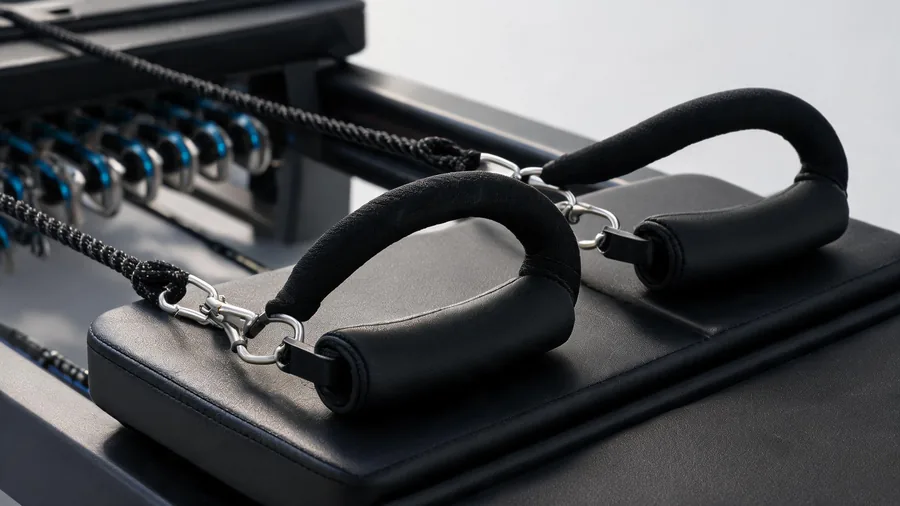
Reformer sistemlerinde kullanılan halatlar tipik olarak 6 ila 10 milimetre çapında örgülü polyester veya naylondan yapılır. Örgülü halatlar, zamanla çözülebilen ve halatın makara sistemlerinden geçişini etkileyen tutarsız kalınlık oluşturan bükümlü halatlara göre daha iyi kavrama ve esneklik sunar. Kaliteli ticari halatlar, iç çekirdeğin yükü taşıdığı ve dış kılıfın makara temas noktalarından kaynaklanan aşınmaya karşı koruduğu bir çekirdek-kılıf yapısına sahiptir.
2. Değiştirmeniz Gereken Pilates Reformer Halatları ve Kayışları İşaretleri
Düzenli muayene Pilates reformer halatları ve kayışları ekipman güvenliğini ve performansını korumak için esastır. Ticari stüdyo ortamlarında, ekipmanın günde 10 ila 20 seans gördüğü yerlerde tüm kayışlar ve halatlar en az haftada bir kez kontrol edilmelidir. Eğitmenlerin ders hazırlığı sırasında yaptığı günlük görsel kontroller, yaralanmaya neden olabilecek veya dersleri beklenmedik şekilde aksatabilecek güvenlik tehlikelerine dönüşmeden önce gelişen sorunları yakalayabilir.
Yıpranma ve gevşek iplikler — Aşınmanın en belirgin işareti, kayışların kenarlarında veya halatların uçlarında görülen yıpranmadır. Hafif yıpranma izlenebilir; ancak iplikler ana kayış yapısından ayrılmaya başladığında kayışın kopma dayanımı zayıflar ve stüdyo ortamınızdaki güvenlik standartlarını korumak için derhal değiştirilmesi gerekir.
Renk değişimi ve sertlik — Ter, temizlik kimyasalları ve UV ışığına maruz kalan kayışlar zamanla renk değiştirir ve sertleşir. Sert kayışlar makaralardan düzgün geçmez ve egzersizler sırasında tutarsız direnç oluşturur. Bir kayış pürüzlü hissediliyorsa veya kimyasal birikimden ötürü kabuklanmış bir dokuya sahipse, değiştirilmesi makara sisteminin düzgün çalışmasını geri kazandırarak tüm egzersizler sırasında müşteri deneyimini iyileştirir.
İncelme veya aşınmış noktalar — Kayışların sürekli olarak makara kasnaklarına temas ettiği veya ayar tokalarından geçtiği bölgeler zamanla incelir. Bu temas noktalarında kayışı parmaklarınızın arasında sıkıştırın ve kalınlığı yeni bir kayışla karşılaştırın — aşınmış bölge belirgin şekilde daha inceyse kayışın yük kapasitesi azalmıştır ve ekipmanın güvenli çalışmaya devam etmesi için değiştirilmesi gerekir.
3. Değiştirme Aralıkları: Pilates Reformer Halatları ve Kayışları
Yoğun bir ticari stüdyoda, Pilates reformer halatları ve kayışları her 6 ila 12 ayda bir, kullanım hacmine bağlı olarak değiştirilmelidir. Her reformer'da günde 15 veya daha fazla ders yapılan stüdyolar bu aralığın kısa ucunda yer alır; daha düşük hacimli stüdyolar ise değişimi 12 ila 18 aya kadar uzatabilir. Her reformer için değiştirme tarihlerinin kaydını tutmak, kullanım kalıplarını izlemeye ve gerçek ekipman kullanım verilerine dayanarak gelecekteki değişimlerin ne zaman gerekeceğini tahmin etmeye yardımcı olur.
Halat ve kayış değişim maliyetlerini planlamak kolaydır. Kayış seti başına $15 ila $35 ve halat başına $8 ila $15 değişim maliyetiyle, 10 reformer'lı bir stüdyo bu bakım kategorisi için yılda $300 ila $600 ayırmalıdır. Bu, yay değişimi veya taşıyıcı yatak bakımı maliyetine kıyasla küçük bir yatırımdır ve yıl boyunca ekipmanınızda verilen her dersin kalitesini doğrudan etkiler.
Yedek setlerin bulundurulması ticari stüdyolar için çok önemlidir. Bakım envanterinizde her reformer modeli için en az bir tam yedek kayış ve halat seti bulundurun. Bir ders sırasında kayış arızalandığında, hemen değiştirebilmek kesinti süresini en aza indirir ve stüdyonuzdaki tüm mevcut ekipmanlarda bir sonraki dersin kesintisiz devam edebilmesini sağlar.
4. Doğru Yedek Parçayı Seçmek Pilates Reformer Halatları ve Kayışları
Yedek Pilates reformer halatları ve kayışlarıseçerken, malzemeyi, genişliği ve bağlantı tipini mevcut ekipmanınızla eşleştirin. Uyumsuz kayışların kullanılması egzersiz performansını etkileyebilir ve belirli reformer modelinizdeki makara sistemine veya toka mekanizmalarına uymayabilir. Yedekleri sipariş etmeden önce mevcut kayışların genişliğini ve mevcut halatların çapını ölçerek uygun uyum ve işlevi sağlayın.
Düşük kaliteli kayışları değiştiriyorsanız, premium malzemelere geçiş yapmayı düşünün. Birçok stüdyo sahibi, deniz sınıfı UV dayanıklı kayışa geçmenin, standart kayışa kıyasla değiştirme aralıklarını yüzde 50 ila 100 oranında uzattığını görüyor. Premium malzemelerin ek başlangıç maliyeti, azalan değişim sıklığı ve birden fazla reformer'da kayış değişimi yapmakla ilişkili işçilik maliyetleri sayesinde hızla geri kazanılır.
Pilates Method Alliance ticari ekipman bakım standartlarına yönelik, kayış ve halat muayene aralıkları ile değiştirme kriterleri için öneriler içeren kılavuzlar sunar. Bu sektör kılavuzlarına uymak, stüdyo sahiplerinin ekipmanı profesyonel standartlarda tutmasına yardımcı olur ve ticari stüdyo ortamlarında sigorta ve sorumluluk amaçları için belge sağlar.
5. Bakım: Pilates Reformer Halatları ve Kayışları
Doğru bakım, Pilates reformer halatları ve kayışları nın ömrünü uzatır ve tutarlı performans sağlar. Kayışları haftada bir kez yumuşak sabun çözeltisi ve yumuşak bir bezle temizleyin, ardından bir sonraki kullanımdan önce iyice kurutun. Kayış liflerini bozan ve UV hasarını hızlandıran çamaşır suyu bazlı temizleyicilerden veya sert kimyasallardan kaçının. Alkol bazlı dezenfektanlar idareli kullanılabilir ancak kayışın içine işlemesine veya kayış yüzeylerinde birikmesine izin verilmemelidir.
Yedek kayışları doğrudan güneş ışığından uzak, serin ve kuru bir yerde saklayın. UV maruziyeti kayış bozulmasının başlıca nedenidir ve pencere yakınında veya güçlü yapay ışık altında saklanan kayışlar kullanılmasa bile bozulabilir. Yedek stokları döndürerek eski stokların önce kullanılmasını sağlayın; böylece yıl boyunca süregelen bakım ihtiyaçları için taze bir yedek kayış stoğu korunur.
Kayışları değiştirirken makara kasnaklarını ve bağlantı donanımını kontrol edin. Makaralardaki pürüzlü kenarlar yeni kayışlara hızla zarar vererek değişimin faydasını ortadan kaldırır. Yeni kayışları takmadan önce makara yüzeylerindeki çapakları veya pürüzlü noktaları eğeleyerek düzleştirin. Düzgün çalışmayı sağlamak ve makara direncinden kaynaklanan kayış yüzeylerindeki dengesiz aşınmayı önlemek için makara rulmanlarını üreticinin programına göre yağlayın.
Yedek Halat ve Kayış Sipariş Edin
Yedek Pilates reformer halatları ve kayışları için ekibimizle iletişime geçin. Stüdyo dayanıklılığı için takviyeli dikişli ve UV dayanıklı kayışlı ticari sınıf malzemeler.
E-posta: [email protected] • WhatsApp: +86 189 0238 9454
İlgili Rehberler
- Reformer Yay Gerginliği Rehberi
- Köpük Minder Değişim Rehberi
- Pilates Reformer Boyutlandırma Rehberi
- Reformer Çerçeve Malzemeleri Rehberi
- Reformer Kalite Muayene Rehberi
6. Sıkça Sorulan Sorular
Pilates reformer halatlarını ve kayışlarını ne sıklıkla değiştirmeliyim?
Ticari stüdyolarda halatları ve kayışları kullanım hacmine bağlı olarak her 6 ila 12 ayda bir değiştirin. Ev kullanıcıları değişimi her 12 ila 18 aya kadar uzatabilir. Daha erken değişim gerektiğini gösteren yıpranma, incelme veya sertlik belirtileri için haftalık kontrol yapın.
Pilates reformer kayışları hangi malzemeden yapılır?
Ticari sınıf kayışlar çift dikişli takviyeli yüksek mukavemetli polyester veya naylon kayış kullanır. Ev tipi kayışlar tek dikişli standart polyester kullanabilir. Premium kayışlar, doğal ışığa maruz kalan stüdyo ortamlarında uzun ömür için UV dayanıklı işlem içerir.
Yalnızca bir kayışı değiştirebilir miyim yoksa tam bir set mi gerekir?
Reformer'ın her iki tarafında tutarlı gerginlik ve his sağlamak için kayışları çiftler veya tam setler halinde değiştirin. Eski ve yeni kayışları karıştırmak, egzersiz kalitesini ve antrenman seansları sırasındaki müşteri deneyimini etkileyen dengesiz direnç oluşturur.
Hangi boyutta yedek kayış satın almam gerektiğini nasıl bilirim?
Mevcut kayışlarınızın genişliğini ölçün (ticari reformer'lar için tipik olarak 1,5 ila 2 inç) ve bağlantı tipini kontrol edin — halka uçlar, karabina klipsleri veya toka bağlantıları reformer modelleri arasında farklılık gösterir. Belirli yedek parça numaraları için reformer üreticinize danışın.
Pilates reformer kayışlarım neden sertleşiyor?
Sertlik, ter emilimi, temizlik kimyasalı birikimi ve zamanla UV maruziyetinden kaynaklanır. Yumuşak sabunla düzenli temizlik ve iyice kurutma sertliği önlemeye yardımcı olur. Kayışlar bir kez sertleştikten sonra, düzgün çalışmayı geri kazanmanın tek etkili çözümü değiştirmedir.
Yedek halatlar ve kayışlar ne kadar?
Ticari sınıf malzemeler için yedek kayış setleri çift başına $15 ila $35 tutar. Yedek halatların her biri $8 ila $15 tutar. 10 reformer'lı bir stüdyo için rutin halat ve kayış bakımına yılda $300 ila $600 bütçe ayırmayı bekleyin.
Ticari bir reformer'da ev tipi kayış kullanabilir miyim?
Ev tipi kayışlar ticari reformer'lara fiziksel olarak uyabilir ancak önerilmez. Ticari reformer'lar kullanım sırasında daha yüksek kuvvet üretir ve ev tipi kayışlar artan yük altında erken arızalanarak günlük kullanımı yoğun stüdyo ortamlarında güvenlik riskleri oluşturabilir.
Rope length and strap setup differ per model; the reformer model pages list the standard configuration.