
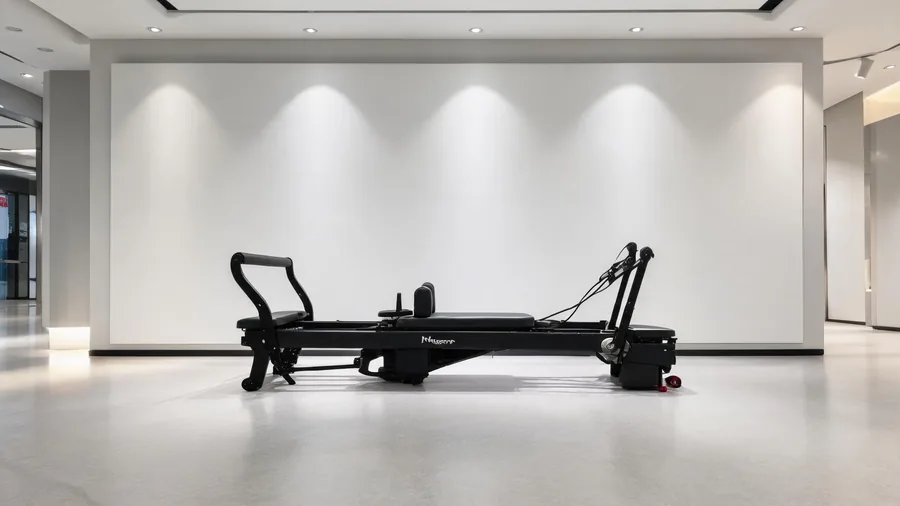
Küresel Pilates ekipmanı pazarı büyümeye devam ediyor ve dünya genelinde girişimciler özel etiketli üretim yoluyla kendi reformer markalarını kuruyor. Bir özel etiketli Pilates reformer fabrika ekipmanına, mühendisliğe veya üretim altyapısına yatırım yapmadan ekipmanı kendi marka adınız altında satmanızı sağlar. Siz pazarlama, satış ve müşteri ilişkilerine odaklanırsınız; deneyimli bir OEM ortağı ise üretimi üstlenir.
Özel etiketli Pilates reformerlar perakende satışa açılan stüdyo sahipleri, ekipman sektörüne giren fitness girişimcileri ve ürün gamına Pilates ekleyen mevcut markalar için pazara en hızlı çıkış yolunu sunar. Bu rehber tüm süreci baştan sona ele alır: üretim ortağı seçimi, spesifikasyonların belirlenmesi, MOQ pazarlığı, marka kimliği tasarımı, kalite kontrolünün yönetimi ve ürün hattınızın başarıyla başlatılması.
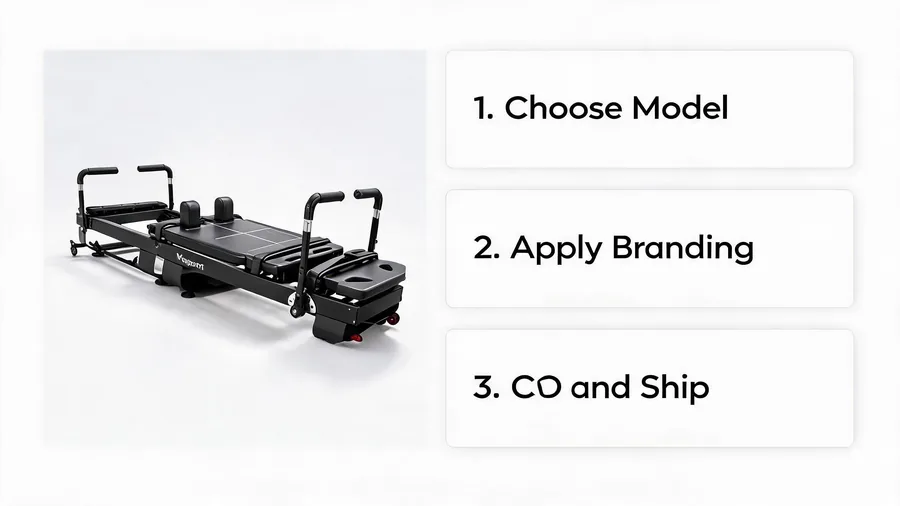
1. Özel Etiketli Pilates Reformer Model
Özel etiketli üretim, mevcut bir fabrikayla ortaklık kurmanız anlamına gelir; bu fabrika spesifikasyonlarınıza göre özel etiketli Pilates reformerlar üretir. Fabrika çerçeve imalatını, toz boyamayı, döşemeyi, yay montajını ve kalite testini üstlenir. Sizin rolünüz ürün spesifikasyonlarını belirlemek, marka kimliğinizi uygulamak, bitmiş ürünü pazarlamak ve müşteri ilişkilerini yönetmektir. Bu model, milyonlarca dolarlık fabrika yatırımı ihtiyacını ortadan kaldırırken markalaşma ve fiyatlandırma üzerinde tam kontrol sağlar.
Özel etiketli yaklaşım, ürünleri özelleştirme olmadan doğrudan bir üreticinin deposundan sevk edilen dropshipping'den farklıdır. Özel etikette stoku siz bulundurur, spesifikasyonları siz kontrol eder ve satılan her birimle marka değeri inşa edersiniz. Yatırım dropshipping'den daha yüksektir ancak kâr marjları ve marka değeri, uzun vadeli iş büyümesi ve pazar konumlandırması açısından çok daha iyidir.
Tipik özel etiketli süreç, ilk fabrika görüşmesinden ilk sevkiyata kadar 12 ila 20 hafta sürer. Bu süre, fabrika değerlendirmesi ve numune üretimi için 2 ila 4 haftayı, özelleştirme ve renk eşleştirme için 4 ila 6 haftayı, üretim için 4 ila 8 haftayı ve hedef pazarınıza ve seçtiğiniz nakliye yöntemine bağlı olarak nakliye ile lojistik için 2 ila 4 haftayı kapsar.
2. Doğru OEM Üreticisini Seçmek
Bir markayı piyasaya sürmenin en kritik adımı, özel etiketli Pilates reformer güvenilir bir OEM üretim ortağı bulmaktır. Minimum sipariş miktarları (MOQ'lar), özelleştirme yetenekleri, kalite kontrol süreçleri ve üretim tedarik süreleri hakkında bilgi isteyerek başlayın. Saygın bir OEM ortağı; fabrika denetim raporları, malzeme spesifikasyonları ve birlikte çalıştığı diğer markaların mevcut özel etiketli işlerinden numuneler sunmalıdır.
OEM üreticileri için temel değerlendirme kriterleri arasında üretim kapasitesi yer alır — fabrika, ilk sipariş hacminizi ve 30 ila 45 gün içindeki yeniden siparişleri karşılayabilir mi? Kalite kontrol sistemleri — fabrikadan çerçeve kaynağı, yay gerginliği testi ve rulman akıcılığı doğrulaması için muayene protokollerini isteyin. Uluslararası nakliye deneyimi — fabrika hedef pazarınıza düzenli olarak ihracat yapıyor ve paketleme gereksinimlerini ile gümrükten geçiş için gereken belgeleri anlıyor mu?
Guangzhou bölgesi, farklı kapasitelere sahip düzinelerce fabrikaya ev sahipliği yapan Pilates ekipmanı üretiminin küresel merkezidir. Ortakları değerlendirirken bir fabrika turu (sanal veya yerinde) talep edin ve müşteri referansları isteyin. Megacore gibi 23 yıllık imalat deneyimine sahip köklü üreticiler, özel etiketli ortaklara sevkiyattan önce çerçeve bütünlüğünü ve bileşen kalitesini doğrulayan belgelenmiş kalite testleri (rapor: GZHL2601000020601SP) sunar.
Pilates Method Alliance özel etiketli markaların ürün gereksinimlerini tanımlarken başvurması gereken ticari ekipman spesifikasyonlarına ilişkin kılavuzlar sağlar. Bu standartlara uyum talep etmek, fabrika ortağınıza ticari sınıf ekipmanın teknik gereksinimlerini anladığınızı ve OEM ilişkinizden tutarlı kalite beklediğinizi gösterir.
3. Ürün Spesifikasyonlarınızı Belirlemek
Ürün spesifikasyon belgeniz, özel etiketli reformeriniz için bir plandır özel etiketli Pilates reformer. Şunları içermelidir: çerçeve malzemesi gereksinimleri (çelik kalınlığı, alüminyum kalitesi veya boru et kalınlığı), ölçüler (toplam uzunluk, genişlik ve yükseklik), ağırlık kapasitesi gereksinimleri, taşıyıcı sistemi spesifikasyonları (rulman tipi, ray malzemesi ve çapı), yay konfigürasyonu (yay sayısı, gerginlik seviyeleri, renk kodu) ve döşeme malzemeleri ile renkleri.
Spesifikasyonları belirlerken hedef müşterinizi göz önünde bulundurun. Butik stüdyolar özel renkler ve markalı döşemeyle estetiğe öncelik verebilir. Rehabilitasyon klinikleri daha geniş taşıyıcılara ve ayarlanabilir ayak barı yüksekliklerine ihtiyaç duyabilir. Ev kullanıcıları katlanabilir veya yerden tasarruf sağlayan tasarımları tercih edebilir. İyi tanımlanmış bir spesifikasyon belgesi, OEM ortağınızın pazarınızın tam olarak ihtiyaç duyduğu ürünü üretmesini sağlar ve üretim döngüsü sırasında maliyetli yanlış anlaşılmaları önler.
Tam üretime geçmeden önce üretim öncesi numuneler isteyin. Bir numune birimi; çerçeve yapım kalitesini, döşeme işçiliğini, yay gerginliği tutarlılığını, taşıyıcı akıcılığını ve genel uyumu ile işçiliği değerlendirmenizi sağlar. Çoğu saygın OEM ortağı numuneler için ücret alır ancak bu maliyeti ilk üretim siparişinizden düşer. Seri üretim başlamadan önce gereken tüm spesifikasyon ayarlamalarını belirlemek için numune inceleme sürecini kullanın.
4. Minimum Sipariş Miktarları ve Fiyatlandırma
MOQ gereksinimleri üreticiler arasında önemli ölçüde farklılık gösterir. Bazı OEM ortakları standart konfigürasyonlar için 10 ila 20 birim gibi düşük siparişleri kabul ederken, özel renk ve tam markalı özel etiketli Pilates reformerlar reformerlar genellikle en az 50 ila 200 birim gerektirir. Toptan sipariş indirimleri genellikle 100, 250 ve 500 birim eşiklerinde uygulanır. Bu kademeleri anlamak, lansman aşaması için ilk stok yatırımınızı ve nakit akışı gereksinimlerinizi planlamanıza yardımcı olur.
Özel etiketli reformerların fiyatlandırması; spesifikasyonlara, sipariş hacmine ve özelleştirme karmaşıklığına bağlıdır. Standart renkli giriş seviyesi çelik reformerlar, 50 birim MOQ'da birim başına yaklaşık 800 ila 1.200 $ arasında başlar. Özel renkli ve markalı döşemeli ticari sınıf reformerlar birim başına 1.200 ila 2.000 $ arasındadır. Alüminyum çerçeveli, ayarlanabilir ayak barlı ve özel paketlemeli premium konfigürasyonlar, sipariş hacmine bağlı olarak birim başına 1.800 ila 2.800 $ arasındadır.
Fiyatlandırma modelinize dahil etmeniz gereken ek maliyetler arasında özel paketleme (markalı kutular ve içlikler genellikle birim başına 5 ila 15 $), hedef pazarınız için uygunluk testleri ve sertifikaları, nakliye ve lojistik (varış yerine bağlı olarak birim başına 200 ila 800 $), ithalat vergileri ve resimleri ile garanti rezervi (3 yıllık garanti kapsamı için ürün maliyetinin yüzde 10 ila 15'i) yer alır.
5. Markalaşma ve Paketleme Tasarımı
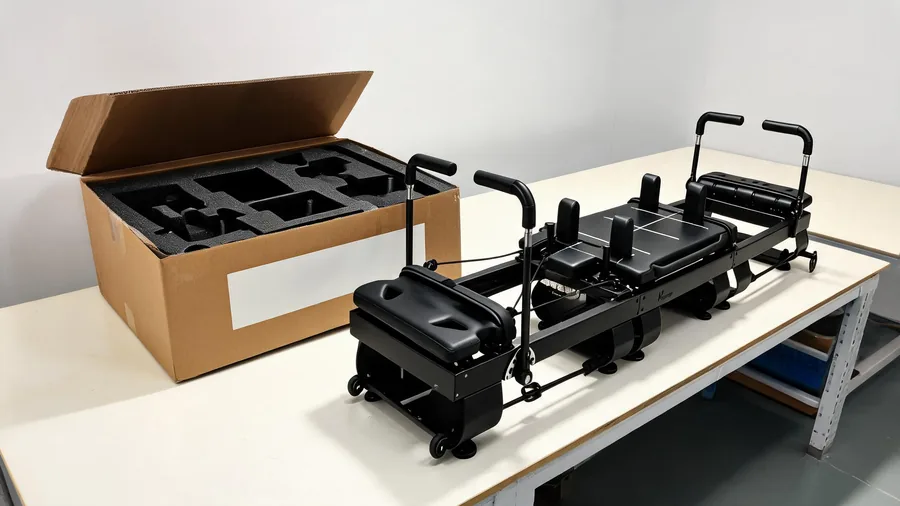
Marka kimliğiniz reformerin kendisinin ötesine geçer. Fabrikadan doğrudan özel etiketli Pilates reformerlar çerçeve isim plakalarında, taşıyıcı pedi döşemesinde, yay direklerinde ve paketleme malzemelerinde logonuzu içerebilir. Tüm temas noktalarında tutarlı markalaşma tanınırlık oluşturur ve premium fiyatlandırmayı haklı çıkarır. Profesyonel paketleme — markalı kutular, kullanım kılavuzları ve garanti kartları — müşteri ekipmanını aldığı andan itibaren markanızın kalite konumlandırmasını pekiştiren bir kutudan çıkarma deneyimi yaratır.
Marka adınızı dikkatle seçin. Kaliteyi ve hassasiyeti ileten bir marka (hareket, güç veya sağlıkla ilgili terimler içermek gibi), Pilates pazarında sıradan fitness markalaşmasından daha iyi hizmet edecektir. Marka hikâyeniz; ekipman kalitesine değer veren ve ticari sınıf reformerları pazarda bulunan tüketici sınıfı alternatiflerden ayıran teknik spesifikasyonları anlayan stüdyo sahipleriyle bağ kurmalıdır.
Dijital varlıklar, fiziksel markalaşma kadar önemlidir. Reformerlarınızı birden çok açıdan gösteren profesyonel ürün fotoğrafçılığına, web siteniz için biçimlendirilmiş ayrıntılı spesifikasyon belgelerine, kurulum ve bakım video içeriğine ve markanızın standart ekipmana uygulanmış halini gösteren önce-sonra içeriğine yatırım yapın. Bu varlıklar, yerel pazarlarında son müşterilere satış yaparken hem web sitenizi hem de bayilerinizin pazarlama çabalarını destekler.
6. Kalite Kontrol ve Muayene
Kalite kontrol, özel etiketli üretimin en çok göz ardı edilen yönüdür. Deneyimli OEM fabrikaları bile hata üretir ve markanızın itibarı, bu sorunları ürünler müşterilere ulaşmadan önce yakalamanıza bağlıdır. Üretim sırasında süreç içi muayeneyi (çerçeve kaynağı, boya yüzeyi ve bileşen montajının kontrolü), bitmiş birimlerin sevkiyat öncesi muayenesini (tüm yay gerginliklerinin, rulman akıcılığının ve döşeme kalitesinin test edilmesi) ve kayıtlarınız için muayene edilen birimlerin fotoğraflı belgelenmesini içeren bir kalite kontrol protokolü oluşturun.
Başlıca üretim bölgelerinde üçüncü taraf muayene hizmetleri mevcuttur ve ürün kalitesinin bağımsız doğrulamasını sağlar. Pilates Method Alliance'ın sektör standartları kalite ölçütünüz olarak hizmet edebilir. Bir üçüncü taraf denetçi, üretim sırasında fabrikayı ziyaret eder, üretim partisinden rastgele birimler seçer ve bunları spesifikasyon belgenize göre test eder. Muayene raporu tüm sapmaları belgeler ve sevkiyat fabrikadan ayrılmadan önce düzeltme talep etmenize olanak tanır.
Fabrikayla tedarik zinciri anlaşmanıza kalite kontrolleri ekleyin. Kabul edilebilir hata oranlarını belirtin (ticari ekipman için genellikle yüzde 2'den az), yeniden işleme ve değiştirme prosedürlerini tanımlayın ve kalite sorunları için net iletişim kanalları oluşturun. İyi yapılandırılmış bir kalite anlaşması, marka yatırımınızı korur ve sipariş hacimleriniz zamanla büyürken tüm üretim partilerinde tutarlı ürün kalitesini sağlar.
7. Nakliye, Lojistik ve Dağıtım
Özel etiketli reformerlar için uluslararası nakliye özel etiketli Pilates reformerlar dikkatli planlama gerektirir. Reformerlar, LCL (konteyner yükünden az) veya FCL (tam konteyner yükü) kargosu olarak sevk edilen büyük ve ağır ürünlerdir. Standart bir 20 fitlik konteyner, paketleme ölçülerine bağlı olarak yaklaşık 40 ila 50 reformer alır. Bir 40 fitlik konteyner 80 ila 110 birim alır. Çin'den Kuzey Amerika'ya deniz taşımacılığı 4 ila 6 hafta, Avrupa'ya 5 ila 7 hafta ve Avustralya'ya 3 ila 4 hafta sürer; bu, nakliye güzergâhına ve liman sıkışıklığına bağlıdır.
Depolama ve dağıtım stratejisi, teslimat sürelerinizi ve nakliye maliyetlerinizi etkiler. Seçenekler arasında ürünleri doğrudan fabrikadan müşterilerinize göndermek (dropship modeli), kalite muayenesi ve yeniden dağıtım için merkezi bir depoya göndermek veya daha hızlı teslimat için birden çok bölgesel depoya göndermek yer alır. Her modelin, müşteri deneyiminizi ve lojistik verimliliğinizi etkileyen farklı maliyet yapıları ve kalite kontrol sonuçları vardır.
İthalat vergileri ülkeye ve ürün sınıflandırmasına göre değişir. Pilates reformerları genellikle HS kodu 9506.91 (genel fiziksel egzersiz için eşya ve ekipman) kapsamına girer. Vergi oranları, ülkenizin Çin ile olan ticaret anlaşmalarına bağlı olarak yüzde 0 ila 8 arasında değişir. Doğru vergi hesaplamaları için fiyatlandırma modelinizi son haline getirmeden önce bir gümrük müşavirine veya nakliye komisyoncusuna danışın; böylece doğru teslim maliyeti tahminleri elde edersiniz.
Özel Etiketli Markanızı Kurun
Özel etiket gereksinimlerinizi görüşmek için Megacore'un OEM ekibiyle iletişime geçin. Markanız için fabrikadan doğrudan fiyatlandırma, özel spesifikasyonlar ve kalite doğrulaması.
E-posta: [email protected] • WhatsApp: +86 189 0238 9454
İlgili Rehberler
- OEM Pilates Reformer Üretim Rehberi
- Özel Renkli Pilates Reformer Rehberi
- Pilates Reformer MOQ Rehberi
- Pilates Reformer Dropship Rehberi
- Pilates Reformer Toptan Satış Rehberi
8. Sıkça Sorulan Sorular
Özel etiketli Pilates reformer nedir?
Özel etiketli bir Pilates reformer, bir OEM fabrikası tarafından üretilir ancak sizin marka adınız altında satılır. Spesifikasyonları, renkleri, markalaşmayı ve fiyatlandırmayı siz kontrol edersiniz; fabrika ise üretimi, kalite kontrolünü ve paketlemeyi gereksinimlerinize göre üstlenir.
Özel etiketli bir reformer markası kurmanın maliyeti nedir?
Başlangıç yatırımı, sipariş hacmine ve spesifikasyonlara bağlıdır. Giriş seviyesi özel etiketli projeler, her biri 800 $ olan 50 birim için yaklaşık 40.000 $'dan başlar. Tam özelleştirme ve markalaşma içeren premium projeler, paketleme ve nakliye maliyetleri dahil olmak üzere 100 ila 200 birim için 200.000 ila 500.000 $ arasındadır.
Özel etiketli reformerlar için minimum sipariş miktarı nedir?
MOQ, üreticiye ve spesifikasyon seviyesine göre değişir. Standart renkli giriş seviyesi çelik reformerların MOQ'ları 10-20 birim kadar düşük olabilir. Markalı döşemeli tam özelleştirilmiş ticari reformerlar, üretim kurulum maliyetlerini karşılamak için genellikle en az 50-200 birim gerektirir.
Özel etiketli üretim ne kadar sürer?
Tipik süre, ilk fabrika görüşmesinden sevkiyata kadar 12 ila 20 haftadır. Bu süre numune üretimi (2-4 hafta), özelleştirme (4-6 hafta), seri üretim (4-8 hafta) ve nakliyeyi (varış yerine bağlı olarak 2-6 hafta) kapsar.
Toptan sipariş vermeden önce numune alabilir miyim?
Evet. Saygın OEM ortakları, tam üretime geçmeden önce üretim öncesi numuneler sağlar. Numune maliyetleri genellikle ilk üretim siparişinizden düşülür. Numuneler çerçeve kalitesini, döşeme işçiliğini, yay gerginliğini ve genel uyumu doğrulamanızı sağlar.
Fabrikayı yerinde ziyaret etmem gerekir mi?
Kesinlikle zorunlu olmasa da fabrikayı ziyaret etmeniz şiddetle önerilir. Bir fabrika ziyareti; üretim kapasitelerini değerlendirmenize, kalite kontrol ekibiyle tanışmanıza ve tesisin çalışma koşullarını doğrulamanıza olanak tanır. İlk değerlendirme için görüntülü arama yoluyla sanal turlar kabul edilebilir alternatiflerdir.
Hangi kalite belgelerini talep etmeliyim?
Çerçeve çeliği ve alüminyum için malzeme sertifikaları, yay gerginliği test raporları, rulman akıcılığı doğrulaması ve her üretim partisi için nihai muayene raporlarını talep edin. Megacore, sevkiyattan önce çerçeve bütünlüğünü ve bileşen kalitesini doğrulayan kalite muayene sertifikaları (rapor: GZHL2601000020601SP) sunar.