
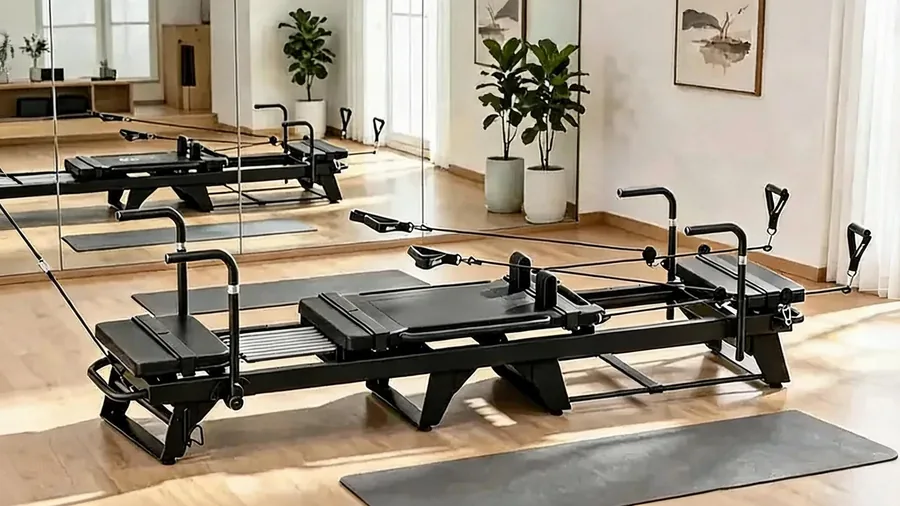
Собствениците на студиа, които търсят комерсиални реформери, в крайна сметка сравняват едни и същи три марки: Megacore, Balanced Body и Merrithew. Това не са едни и същи продукти и не са на една и съща цена. Това Megacore срещу Balanced Body и Merrithew сравнение разглежда спецификациите, гаранционните условия, качеството на изработка и за кого всъщност е подходяща всяка марка, за да изберете въз основа на факти, а не на търговска презентация.
1. Защо това сравнение е важно за собствениците на студиа
Изборът на правилната марка реформер пряко влияе върху ежедневната работа на студиото, изживяването на клиентите и дългосрочната рентабилност. Грешното решение означава по-високи разходи за поддръжка, недоволни инструктори и клиенти, които усещат разликата в плавността и издръжливостта по време на занятията. Това Megacore срещу Balanced Body и Merrithew сравнение се фокусира върху това, което наистина има значение, когато оборудвате комерсиално студио с няколко реформера, работещи 8 до 12 занимания дневно.
Всеки от тези три производителя подхожда различно към дизайна на реформери. Balanced Body има десетилетия разпознаваемост на марката и силно присъствие във франчайз студиа като Club Pilates. Merrithew се позиционира като премиум опция с усъвършенствани функции за регулиране и изчерпателни обучителни програми. Megacore предлага фабрични цени с изработка на комерсиално ниво и широки възможности за персонализация, каквито нито Balanced Body, нито Merrithew предоставят на съпоставими ценови нива.
Разбирането на тези разлики помага на собствениците на студиа да не плащат прекалено за разпознаваемост на марката, като същевременно гарантират, че качеството на оборудването отговаря на изискванията на ежедневната комерсиална употреба. Следващите раздели разглеждат силните и слабите страни на всяка марка, за да определите кой реформер най-добре пасва на конкретните изисквания на вашето студио, демографията на клиентите и финансовите параметри на планирания или съществуващ Pilates бизнес.
2. Megacore: комерсиални реформери директно от фабриката
Megacore е китайски производител с 23 години опит в металообработката, специализиран в комерсиални Pilates реформери, продавани директно на собственици на студиа по целия свят. За разлика от Balanced Body и Merrithew, Megacore елиминира надценките на дистрибутори и търговци на дребно, като продава директно от фабриката, което позволява на компанията да предложи премиум изработка на значително по-ниски цени. Фабриката в Дзянмън, Китай, произвежда реформери с роботизирано заваряване, прецизно шлифовани релси от неръждаема стомана и затворени картриджни лагери, изчислени за над 500 000 метра движение на каретата.
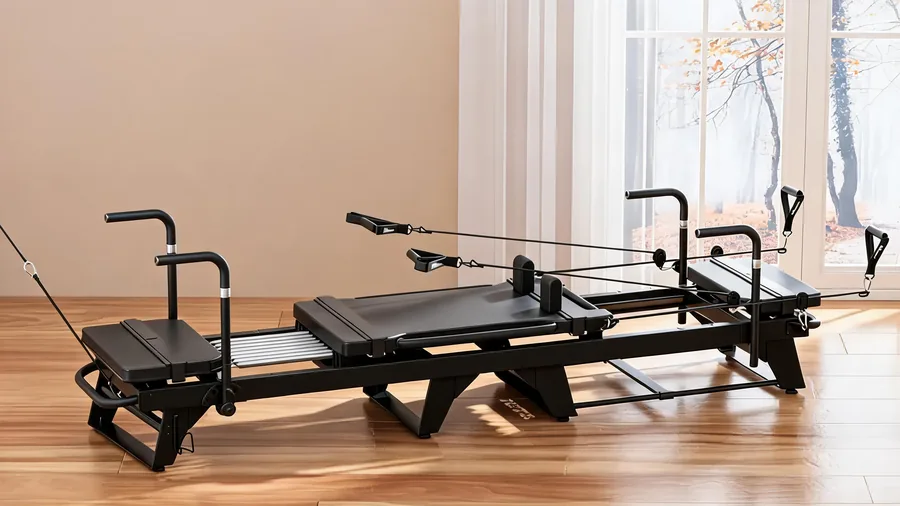
Комерсиалната гама на Megacore включва студио реформера C26 с усилена стоманена рамка от 2.5mm стомана Q235, издържаща динамично натоварване до 150 kg (330 lbs). Каретата се движи на четири затворени лагера по релси от неръждаема стомана 25mm и осигурява плавна, безшумна работа, сравнима с реформери на три пъти по-висока цена. Всеки реформер Megacore включва пет премиум пружини от високовъглеродна стомана с постоянно напрежение през целия им срок на експлоатация.
Всеки реформер Megacore идва със сертификат за контрол на качеството (номер на доклада: GZHL2601000020601SP), който удостоверява целостта на рамката, калибрирането на напрежението на пружините и плавността на лагерите преди изпращане. Фабриката произвежда няколко конфигурации на рамката, включително опции от алуминиева сплав с дебелина на стената от 3.0mm за студиа, които се нуждаят от леко, но издръжливо оборудване. При оценката на това Megacore срещу Balanced Body и Merrithew сравнение нивото на документация за качество е рядкост сред производителите, продаващи директно от фабриката, и подкрепя позиционирането на Megacore като надежден доставчик на комерсиално оборудване.
Megacore предлага пълни OEM и ODM услуги, което означава, че собствениците на студиа могат да персонализират цветовете на рамката, да добавят логото на студиото, да определят конфигурацията на пружините и да изберат материали за тапицерията. Тази гъвкавост е ключово предимство пред Balanced Body и Merrithew, които предлагат само ограничени цветови опции и стандартни конфигурации. За франчайзи на студиа и собственици на бутикови студиа, търсещи разграничаване на марката, тази възможност превръща реформерите от стандартно оборудване в брандирани активи на студиото.
3. Balanced Body Allegro 2: индустриалният еталон
Balanced Body произвежда Pilates оборудване от 1976 г. и е широко признат като индустриален стандарт за комерсиални студио реформери. Allegro 2 е техният флагмански студио модел, използван от Club Pilates и хиляди независими студиа по света. Машините на Balanced Body се проектират и сглобяват в Съединените щати, което допринася за репутацията им за качество, но и за по-високата им цена в сравнение с алтернативите директно от фабриката.
При това Megacore срещу Balanced Body и Merrithew гамата Balanced Body Allegro 2 има заварена стоманена рамка с прахово покритие, система за карета с четиризвенна връзка и патентованата система за пружинно съпротивление на Balanced Body. Каретата използва система с четири колела по алуминиеви релси, която осигурява плавно движение, макар някои собственици на студиа да отбелязват, че дългосрочната издръжливост зависи от редовната поддръжка на лагерната система. Allegro 2 издържа максимално тегло на потребителя 350 lbs и се предлага с пет нива на пружинно съпротивление.
Едно ограничение на реформерите на Balanced Body е ограничената персонализация. Цветовите опции са сведени до стандартни конфигурации и брандирането на студиото не може да се нанесе по време на производството. Собствениците, които искат персонализирани цветове или лога, трябва да използват следпродажбени решения като стикери или винилови фолиа, които с времето могат да се обелят или избледнеят и да доведат до загуба на гаранцията за покритието на рамката. За франчайз операции със строги бранд изисквания това ограничение може да е сериозно при мащабиране в няколко локации.
Balanced Body предлага ограничена доживотна гаранция за рамката, 2 години за пружините и 1 година за тапицерията и въжетата. Резервни части се намират лесно чрез тяхната дилърска мрежа, което е предимство за студиа в Северна Америка. Собствениците на студиа извън Северна Америка обаче съобщават за по-дълго чакане за части и по-високи разходи за доставка, което е важно за международните купувачи, оценяващи това Megacore срещу Balanced Body и Merrithew сравнение на своите местни пазари и региони на работа.
4. Merrithew V2 Max: премиум студио оборудване
Завършвайки Megacore срещу Balanced Body и Merrithew сравнението, Merrithew (бивш Stott Pilates) е канадски производител, който позиционира оборудването си в премиум сегмента. Реформерът V2 Max Plus е техният флагмански комерсиален модел с уникалната регулируема система за крачна греда (AFBS) на Merrithew, която предлага седем позиции по височина, и патентованата им регулировка на напрежението на пружините, позволяваща на инструкторите бързо да променят съпротивлението по време на занятия. V2 Max е най-скъпият реформер в това сравнение, с цени от около $5,299 за базовата конфигурация.
V2 Max Plus има заварена стоманена рамка с брандирана тапицерия и система за карета на Merrithew. Каретата се движи на осем сачмени лагера по две стоманени релси и осигурява изключително плавно движение, което много инструктори описват като най-доброто в индустрията. Рамката е с прахово покритие в стандартни цветове, а регулируемата система за крачна греда се смята за една от най-универсалните на пазара, подходяща за голям диапазон от ръст на клиентите и варианти на упражнения.
Обучителното подразделение на Merrithew е значително предимство за собственици на студиа, които планират да предлагат програми със сертификация Merrithew. Техните изчерпателни програми за обучение на инструктори са международно признати и много клиенти специално търсят студиа с оборудване Merrithew и сертифицирани инструктори. Това изискване за сертификация обаче може да е и ограничение за собственици, които предпочитат да развиват собствени програми или искат да избегнат разходите за бранд-специфично обучение и годишни такси за сертификация.
Merrithew предлага 3-годишна гаранция за рамката и 1 година за частите. Този гаранционен срок е значително по-кратък от ограничената доживотна гаранция за рамка на Balanced Body и е един от най-кратките периоди на покритие сред премиум производителите на комерсиални реформери. Резервни части се предлагат чрез дилърската мрежа на Merrithew, но трябва да се купуват директно от оторизирани дилъри, което може да създаде забавяния за студиа извън големите градски центрове или извън Северна Америка.
5. Директно сравнение на спецификациите
Ценовата разлика между тези три марки при всяко Megacore срещу Balanced Body и Merrithew сравнение е съществена. Студио, оборудващо 10 реформера с Balanced Body Allegro 2, би похарчило около $49,950 без данъци и доставка. Същото студио с реформери Merrithew V2 Max би инвестирало около $52,990. Реформерите Megacore C26 на фабрични цени биха стрували около $18,000 за същите 10 броя, което представлява спестяване от $31,950 до $34,990, които собственикът може да насочи към подобрения на помещенията, маркетинг или допълнително оборудване като джъмп бордове, кутии и удължители на платформата за дейността на студиото.
6. Качество на изработка и материали: Megacore срещу Balanced Body и Merrithew е решаваща
Качеството на изработка е най-внимателно проверяваният аспект на всяко Megacore срещу Balanced Body и Merrithew сравнение. И трите марки използват заварени стоманени рамки, но спецификациите на материалите се различават. Megacore определя дебелина 2.5mm стомана Q235 с шевно заваряване и протоколи за рентгенов контрол, което осигурява документиран контрол на качеството, проверен преди изпращането на всяка бройка. Balanced Body използва заварени стоманени рамки, произведени по техните спецификации, а Merrithew — подобна заварена конструкция със собствена геометрия на рамката.
Релсовата система е ключов диференциатор. Megacore използва прецизно шлифовани релси от неръждаема стомана 25mm със затворени картриджни лагери, изчислени за 500 000 метра движение на каретата. Неръждаемата стомана устойчива на корозия и запазва плавността си по-дълго от алуминиевите или стандартните стоманени релси във влажна среда на студио. Balanced Body използва алуминиеви релси със система от четири колела, които са по-леки, но при продължителна комерсиална употреба могат да развият следи от износване, ако не се поддържат редовно. Merrithew използва две стоманени релси с осем сачмени лагера, което дава най-плавно движение, но при значително по-висока цена за подмяна, ако лагерите се износят при продължителна ежедневна употреба.
Качеството на тапицерията варира при трите производителя. Megacore използва винил 1.2mm с морско качество и високоплътна пяна 35 kg/m³ — материали, обичайно използвани в комерсиално фитнес оборудване, които издържат на пот и на ежедневни почистващи препарати. Balanced Body използва собствени материали за тапицерия в стандартни цветове. Merrithew използва брандирана тапицерия с лого, щамповано върху подложката на каретата, което подсилва идентичността на марката, но ограничава подмяната до оторизирани дилъри, които продават брандирани части и аксесоари Merrithew на премиум цени.
7. Възможности за персонализация: къде Megacore се отличава
Персонализацията е областта, в която Megacore най-ясно се разграничава от Balanced Body и Merrithew. Докато и двете утвърдени марки предлагат стандартни конфигурации с ограничен избор на цветове, Megacore предоставя пълни OEM услуги, които позволяват на собствениците на студиа да определят размерите на рамката, конфигурацията на напрежението на пружините, цветовете на тапицерията, цвета на рамката и разположението на логото още в производствения процес. Тази възможност е особено ценна за франчайзи, които се нуждаят от еднакво брандиране в няколко локации, и за собственици на бутикови студиа, които искат оборудването да отразява идентичността и естетиката на студиото им.
Balanced Body предлага реформери в няколко стандартни цвята на рамката, но персонализирано съответствие на цветове не е налично като фабрична опция. Собствениците, които искат конкретни бранд цветове, трябва да пребоядисат рамките след покупка, което добавя разходи и може да анулира фабричната гаранция. Merrithew предлага V2 Max само в стандартни цветове, без фабрична програма за персонализация за независими студиа извън техните франчайз или сертификационни изисквания.
Фабричният модел на Megacore означава, че заявките за персонализация се обработват директно с инженерния екип по време на поръчката. Това позволява промени в спецификациите в реално време според нуждите на студиото, например различни конфигурации на пружините за студиа, насочени към рехабилитация, спрямо такива за спортна подготовка. За собственици, които планират да разрастват бизнеса си, тази възможност гарантира, че оборудването от първата поръчка съвпада с това от следващите, поддържайки визуална еднаквост и оперативна стандартизация в растящите локации.
8. Сравнение на гаранциите: какво означава покритие с фабрична подкрепа
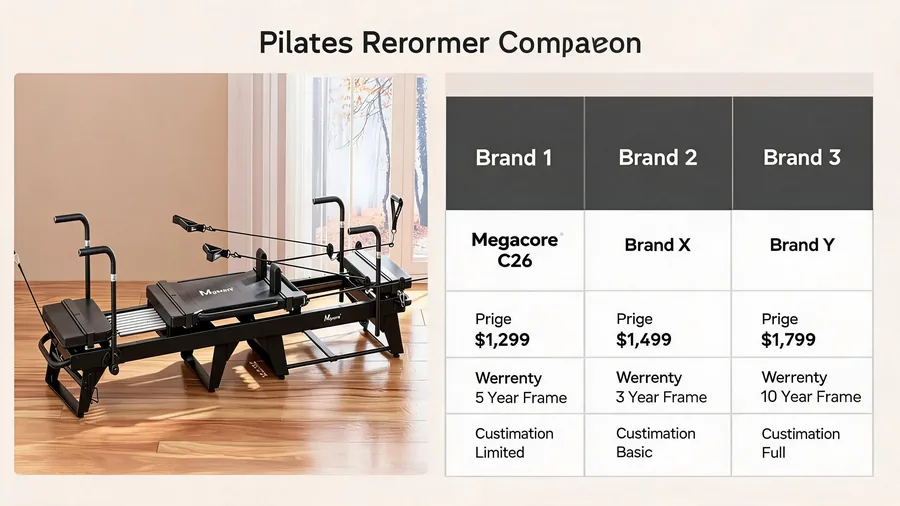
Гаранционното покритие е критичен фактор при всяко Megacore срещу Balanced Body и Merrithew решение. Megacore предлага 3-годишна гаранция както за рамката, така и за частите, което означава, че целият реформер е покрит за три години от датата на покупка. Това изчерпателно покритие включва пружините, които обикновено се износват по-бързо от компонентите на рамката и са изключени от по-дългите гаранции само за рамка, предлагани от конкурентите. Моделът с директна фабрична подкрепа означава, че гаранционните претенции отиват директно при производителя, без посредник дистрибутор или дилър, което съкращава времето за решаване при резервни части и сервизна поддръжка.
Balanced Body предоставя ограничена доживотна гаранция за рамката, която технически е по-дълга от тригодишното покритие на Megacore. Тази доживотна гаранция само за рамката обаче не покрива пружини, лагери, тапицерия или въжета — компонентите, които най-вероятно ще се нуждаят от подмяна през първите три години комерсиална употреба. Пружините обикновено трябва да се сменят на всеки 12 до 18 месеца в студиа с висок обем, а разходите за подмяна на пет пружини на реформер при няколко машини бързо се натрупват без гаранционно покритие за тези консумативи.
Merrithew предлага 3-годишна гаранция за рамката и 1 година за частите — най-краткото общо покритие от трите марки. Предвид началната цена на V2 Max Plus от $5,299 този гаранционен срок е забележително кратък за премиум комерсиален продукт. Собствениците, купуващи оборудване Merrithew, трябва да планират разходи за подмяна на пружини, въжета и тапицерия от втората година на експлоатация, което следва да се включи в изчислението на общата цена на притежаване при сравнение с марки с по-дълги гаранции за части.
9. Анализ на цената и стойността за собствениците на студиа
Ценовата разлика между тези марки е значителна и пряко влияе върху началните разходи на студиото и срока за възвръщаемост. Студио с 10 реформера Megacore C26 на фабрични цени струва около $18,000. Същото студио с Balanced Body Allegro 2 струва около $49,950, а с Merrithew V2 Max Plus — около $52,990. Спестяването от $31,950 до $34,990 с Megacore може да финансира обзавеждане на студиото, маркетингови кампании, обучение на инструктори или да служи като оборотен капитал за първите шест месеца от работата.
Pilates Method Alliance признава, че оборудването на комерсиално ниво трябва да отговаря на определени стандарти за издръжливост независимо от произхода на марката. Фабричните цени на Megacore не правят компромис с материалите и изработката, които определят комерсиалното оборудване. Същите затворени лагерни системи, релси от неръждаема стомана и високоплътни тапицерни материали, използвани от Megacore, се срещат в реформери на утвърдени марки, но без дистрибуторските надценки и търговските разходи, които вдигат цените на произведените на Запад алтернативи на пазара на комерсиално оборудване.
За собствениците на студиа, които ценят спецификации на оборудване по индустриален стандарт, Megacore предоставя документирано тестване на качеството чрез независими инспекционни доклади (доклад: GZHL2601000020601SP), които удостоверяват целостта на рамката, напрежението на пружините и плавността на лагерите. Тази документация дава увереност на собствениците, че фабричната цена не означава по-ниско качество, тъй като всеки реформер се тества индивидуално преди изпращане, за да отговаря на стандартите за комерсиална производителност при ежедневна употреба в студио с различни натоварвания.
10. Кой реформер да избере вашето студио?
Правилният избор зависи от вашите конкретни приоритети като собственик на студио. Ако разпознаваемостта на марката и стойността при препродажба са основни, Balanced Body предлага силна маркова стойност, която клиентите и инструкторите познават. Ако планирате да предлагате програми със сертификация Merrithew и цените образователната подкрепа от производителя, обучителната екосистема на Merrithew дава ясни предимства за студиа, насочени към брандирани програми и развитие на инструктори чрез сертификационните им пътеки.
Ако приоритетите ви са икономическа ефективност, персонализация на оборудването и изчерпателно гаранционно покритие, Megacore предлага най-добрата стойност в това Megacore срещу Balanced Body и Merrithew сравнение. Фабричният модел премахва разходите за посредници, като същевременно запазва качеството на изработка на комерсиално ниво, а 3-годишната гаранция за целия реформер дава спокойствие, надхвърлящо покритието само за рамка, предлагано от конкуренти с ограничени гаранции за части.
За растящи студиа, които планират преминаване от една локация към няколко обекта, възможностите за персонализация и последователното качество на производство на Megacore гарантират, че оборудването от първата ви поръчка съвпада с това от десетата. Тази последователност е трудна за постигане при марки, които сменят производствените серии или спират цветови опции, и дава значително оперативно предимство при откриване на нови локации със същите спецификации и брандиран вид.
Сравнете реформерите Megacore за вашето студио
Свържете се с търговския ни екип за фабрични цени, заявки за мостри и опции за персонализирана конфигурация. Без минимално количество за бройки за оценка в студио.
Имейл: [email protected] • WhatsApp: +86 189 0238 9454
Свързани ръководства
- Ръководство за покупка на Pilates реформер 2026
- Ръководство за търговски реформери Pilates
- Ръководство за допустимото тегло на реформери
- OEM производство на Pilates реформери
- Контролен списък за оборудване на студио
11. Често задавани въпроси
Толкова ли е добър Megacore, колкото Balanced Body или Merrithew в това сравнение Megacore, Balanced Body и Merrithew сравнение?
Реформерите Megacore използват същите материали на комерсиално ниво — затворени картриджни лагери, прецизно шлифовани релси от неръждаема стомана и винилова тапицерия с морско качество — които определят премиум оборудването. Независимото тестване на качеството (доклад: GZHL2601000020601SP) удостоверява целостта на рамката и качеството на компонентите. Основната разлика е разпознаваемостта на марката, не качеството на изработка.
Каква е ценовата разлика между Megacore, Balanced Body и Merrithew?
Реформерите Megacore C26 започват от около $1,800 на фабрична цена. Balanced Body Allegro 2 започва от $4,995, а Merrithew V2 Max Plus — от $5,299. За студио с 10 реформера Megacore спестява от $31,950 до $34,990 в сравнение с другите марки.
Мога ли да персонализирам реформер Megacore с цветовете на студиото си?
Да. Megacore предлага пълна OEM персонализация, включително цветове на рамката, материали за тапицерия, нанасяне на лого и конфигурация на пружините. Нито Balanced Body, нито Merrithew предлагат фабрична персонализация в такава степен.
Каква гаранция предлага Megacore в сравнение с Balanced Body и Merrithew?
Megacore предоставя 3 години за рамка и части (изчерпателно). Balanced Body предлага ограничена доживотна гаранция само за рамката (пружините и частите имат по-кратко покритие). Merrithew предоставя 3 години за рамката и 1 година за частите.
Предоставя ли Megacore документация за качество на комерсиални купувачи?
Megacore предоставя сертификат за контрол на качеството (доклад: GZHL2601000020601SP), който удостоверява целостта на рамката, калибрирането на напрежението на пружините и плавността на лагерите на всеки реформер преди изпращане. Тази документация гарантира последователно качество във всички производствени бройки.
Къде се произвеждат реформерите Megacore?
Реформерите Megacore се произвеждат в Дзянмън, Китай, с автоматизирано роботизирано заваряване, прецизно шлифовъчно оборудване и индивидуални станции за тестване на качеството. Фабриката има 23 години опит в металообработката и произвежда оборудване на комерсиално ниво за купувачи на студиа по целия свят.
Кой реформер е най-подходящ за студио с 10+ машини?
За студиа, които се нуждаят от 10 или повече реформера, фабричните цени на Megacore дават значително предимство в разходите, като същевременно поддържат комерсиални спецификации. Опциите за персонализация гарантират еднакво брандиране на всички машини, а изчерпателната 3-годишна гаранция покрива целия реформер, не само рамката.
Мога ли да получа мостри преди да направя обемна поръчка?
Да. Megacore предлага поръчки за оценка на единична бройка за собственици на студиа, които искат да тестват оборудването, преди да се ангажират с цялостна покупка. Свържете се с търговския екип за цени на мостри и информация за доставка.
Spec-by-spec comparison of the full commercial range: frame construction, spring life, warranty terms and landed cost.