
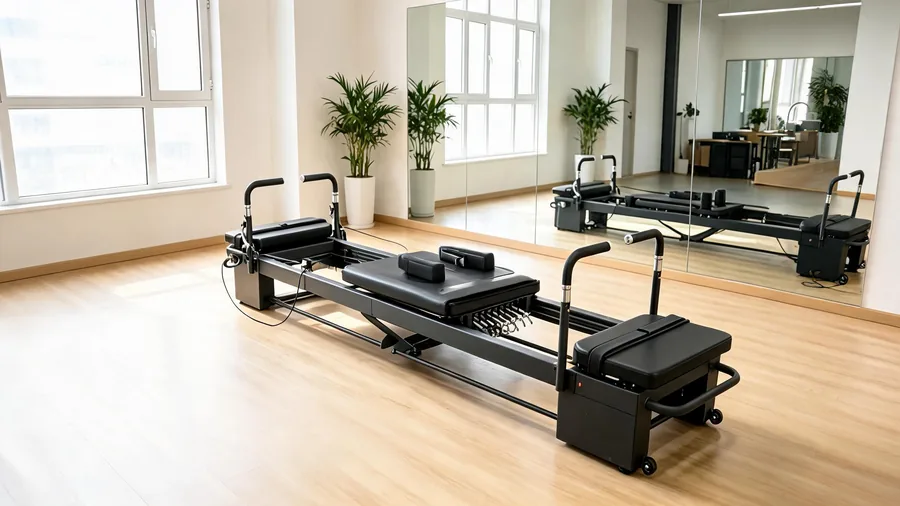
Триене на каретката на реформер Pilates: Пълно ръководство за регулиране на плавността
Качеството на плъзгането на каретката е определящата характеристика на реформера Pilates от търговски клас. Плавното и постоянно движение на каретката позволява на клиентите да се съсредоточат изцяло върху техниката си. Когато каретката се влачи, люлее или създава неравномерно съпротивление, това подкопава цялото изживяване от тренировката. Разбирането на триенето на каретката на реформер Pilates и как да го регулирате е основно знание за всеки собственик на студио.
Това ръководство обяснява механиката на движението на каретката, лагерните системи, използвани в търговските реформери, как настройките на триенето влияят на различните видове упражнения и процедурите за поддръжка, които поддържат оптимално плъзгане през целия живот на оборудването.
1. Триене на каретката на реформер Pilates: Как работи движението на каретката
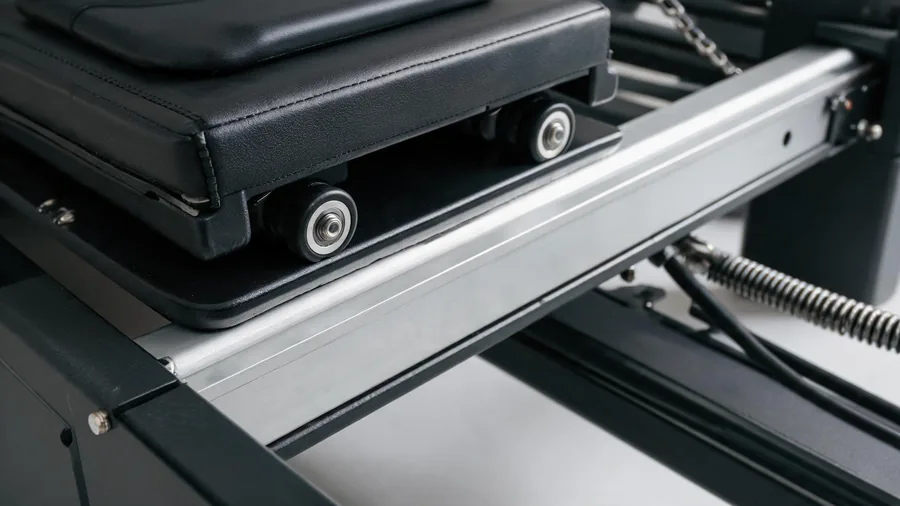
Качеството на плъзгането на каретката се определя от взаимодействието между лагерите на каретката и стоманените релси. Повечето търговски реформери използват една от три лагерни системи: затворени ролкови лагери, отворени сачмени лагери или полимерни плъзгащи лагери. Затворените ролкови лагери осигуряват най-плавно и най-постоянно триене и изискват най-малко поддръжка. Отворените сачмени лагери се срещат при бюджетно оборудване и създават по-високо триене, което се увеличава с времето. Полимерните лагери са среден вариант с разумна плавност на по-ниска цена.
Ключът към управлението на триенето на каретката на реформер Pilates е разбирането, че известно съпротивление е умишлено. Упражнения като работа на краката и преси за крака се възползват от каретка, която се движи свободно с минимално съпротивление. Други упражнения, като контролирано разгъване на гръбнака или рехабилитационни движения, изискват малко по-високо триене, за да се предотврати неконтролирано движение на каретката. Търговските реформери на Megacore използват лагерни системи с двойна регулировка, които позволяват независима настройка на натиска на лявата и дясната релса. Това е важно, защото неравномерното движение на каретката е една от най-честите оплаквания в студиата с много реформери. Система с регулируем натяг на лагерите дава на инструкторите гъвкавост да настроят всеки реформер за конкретен формат на клас.
2. Регулиране и поддръжка на триенето на каретката
Повечето търговски реформери имат регулиращи винтове за лагерите от долната страна на каретката. Завъртането на винта по посока на часовниковата стрелка увеличава натиска на лагера върху релсата и увеличава триенето. Завъртането обратно на часовниковата стрелка намалява натиска и създава по-свободно плъзгане. Регулирайте на стъпки от четвърт оборот и тествайте движението на каретката след всяка корекция.
За студио с класове на различни нива задайте триенето на каретката на реформер Pilates триенето на каретката на средна настройка, която работи за повечето упражнения. Инструкторите могат устно да насочват клиентите да променят темпото си, вместо физически да регулират каретката за всеки клас. Запазете фината настройка за конкретни рехабилитационни сесии или напреднали класове, където прецизното поведение на каретката е критично.
Триенето на каретката естествено се увеличава с времето, тъй като лагерите се износват, а по релсите се натрупват замърсявания. Сертификатът за инспекция на качеството GZHL2601000020601SP документира тестовете за толеранс на лагерите и праволинейност на релсите за търговските реформери на Megacore, потвърждавайки, че всяка бройка отговаря на прецизните стандарти преди изпращане. Обучете екипа си да разпознава признаците на износване на лагерите — чуваемо щракане при движение на каретката, видимо люлеене настрани или усещане за стържене при плъзгане. Ранното откриване предотвратява повреда на стоманените релси, които са скъпи за смяна. Следвайте графика на производителя за смяна на лагерите — обикновено на всеки 3–5 години за търговски реформери, използвани в ежедневни класове.
3. График за поддръжка и тестване
Месечно: Почиствайте релсите със суха микрофибърна кърпа, за да отстраните прах и остатъци от пот. Проверявайте регулиращите винтове на лагерите за разхлабване. Тествайте движението на каретката на всеки реформер за чуваемо щракане или грапави участъци.
Тримесечно: Почистете дълбоко релсите с изопропилов алкохол и кърпа без власинки. Смажете затворените лагери според спецификациите на производителя. Проверете праволинейността на релсите, като преместите каретката до всеки край и наблюдавате за люлеене.
Годишно: Професионална инспекция на лагерните възли. Оценете повърхността на релсите за язви или драскотини. Сменете лагерите, показващи признаци на износване. Стандартите в бранша на Pilates Method Alliance (PMA) препоръчват годишни инспекции на оборудването за търговски студиа. Допълнителни ресурси за поддръжка има в ACE Fitness насоките за безопасност на оборудването.
4. Настройки на триенето по вид упражнение
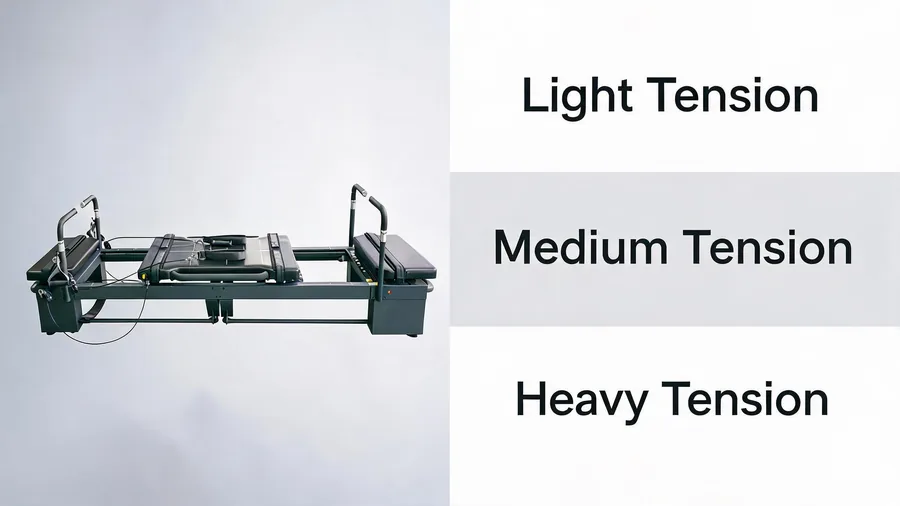
Различните упражнения изискват различно ниво на триене на каретката за оптимално представяне. Ето бърз справочник за често срещаните категории упражнения. Имайте предвид, че оптималното триене на каретката на реформер Pilates зависи от конкретното движение. Инструкторите трябва да тестват всяка настройка преди клас, за да потвърдят, че поведението на каретката съответства на целта на упражнението.
За групови класове със смесени нива задайте средно базово триене на каретката и коригирайте нагоре или надолу според категорията упражнения. Рехабилитационните сесии обикновено изискват по-високо триене за безопасността на клиента. Напредналите класове с подскоци се нуждаят от най-ниската настройка на триене за отзивчиви отскоци. Документирайте настройките за всеки реформер, за да могат инструкторите бързо да ги възстановят след промени.
5. Често задавани въпроси
Колко често да регулирам триенето на каретката на реформерите си?
Проверявайте настройките на триенето месечно по време на рутинното почистване. Регулирайте, когато каретката изглежда твърде хлабава (плъзга се обратно сама на равна повърхност) или твърде стегната (заяжда се или изисква усилие, за да започне движение).
Какво причинява неравномерно движение на каретката на реформер Pilates?
Неравномерното движение на каретката обикновено се причинява от замърсяване на релсите, износени лагери от едната страна или разцентроване на релсите. Първо почистете релсите; ако проблемът продължава, проверете регулировката на лагерите от двете страни независимо.
Може ли триенето на каретката да се регулира на всички реформери?
Не всички реформери имат регулируеми лагерни системи. Домашните реформери от начален клас често използват лагери с фиксирано триене. Търговските реформери от производители като Megacore включват регулируем натяг на лагерите именно за да отговорят на различните видове упражнения и модели на използване. Възможността за независима настройка на триенето на каретката на всеки реформер е ключова характеристика, която отличава професионалното студио оборудване от домашните алтернативи.
6. Свързани ръководства
- Ръководство за покупка на Pilates реформер 2026
- Най-добрият реформер Pilates за студио
- Ръководство за реформери от търговски клас
Заключение
Разбирането на триенето на каретката на реформер Pilates и как да го управлявате поддържа оборудването на студиото ви в най-добра форма. Редовното почистване, тримесечната дълбока поддръжка и годишните професионални инспекции гарантират постоянно плъзгане на каретката на всички ваши реформери. Студиата, които дават приоритет на поддръжката на оборудването, задържат клиентите по-дълго, защото добре поддържаното оборудване предоставя по-добро изживяване от тренировката.
Bearing type and carriage spec per model are listed on the reformer model pages.