
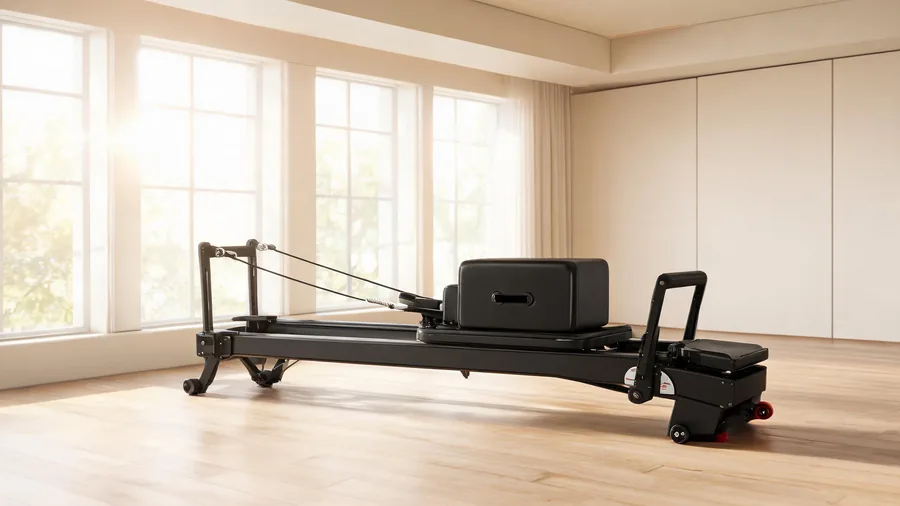
1. Pilates Reformer Vázanyagok: Acél vs Alumínium vs Fa Áttekintés
A Pilates reformer vázanyaga az egyik legfontosabb döntés, amit egy stúdiótulajdonos meghozhat. Meghatározza a gép súlyát, tartósságát, karbantartási igényét, és végső soron azt, hogyan érzi magát rajta az ügyfél és az oktató. Az acél, az alumínium és a fa a kereskedelmi reformerek három fő vázanyaga, mindegyik más teljesítményjellemzőkkel, amelyek különböző stúdiókörnyezetekhez illenek. Íme egy részletes összehasonlítás a vásárlási döntéshez.
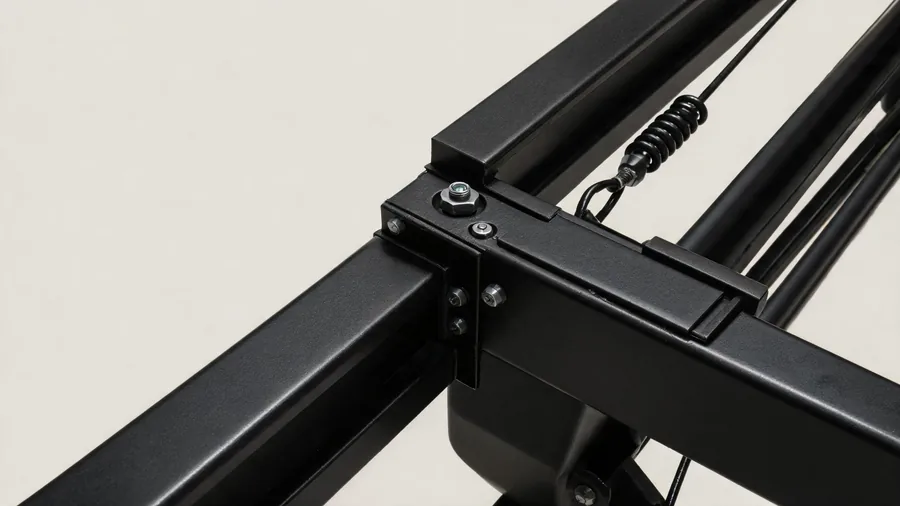
2. Acél Pilates Reformer Vázanyagok Kereskedelmi Stúdiókhoz
Az acél okkal dominálja a kereskedelmi reformer piacot. Kiváló szilárdság-tömeg arányának köszönhetően a gyártók merev vázakat készíthetnek, amelyek nagy rugóterhelés mellett sem csavarodnak. Egy jól tervezett, 14 vagy 16 gauge-es négyszögletes acélcsőből készült reformerváz mérhetően sem hajlik meg még maximális rugófeszítésnél sem, amikor egy 120 kg-os ügyfél intenzív footwork gyakorlatot végez.
Az acél súlya egyszerre előny és megfontolandó szempont. Az acélvázas reformer jellemzően 65–85 kg, ami stabilitást ad az erőteljes gyakorlatok során – a gép a helyén marad, nem rázkódik és nem vándorol. Ez a tömeg viszont magasabb szállítási költséggel és nagyobb erőfeszítéssel jár, ha át kell rendezni a stúdiót. Az acélvázak porszórt felülettel kaphatók, amely ellenáll a lepattogzásnak és a fertőtlenítőszereknek, megfelel a Pilates Method Alliance tartóssági előírásainak, és megfelelő kezeléssel 15–20 évig is szolgálhatnak kereskedelmi használatban.
A hegesztés minősége az acélváz élettartamának kulcsváltozója. A gyártási hegesztéseknek teljes átolvadású tompahegesztéseknek kell lenniük a váz csomópontjainál, nem egyszerű ponthegesztésnek. Minden varratot le kell csiszolni és a környező felülethez igazítani. A gyenge hegesztésű, gyengébb minőségű acélvázak okozzák az iparág legtöbb szerkezeti garanciaigényét. A Megacore Pilates reformerek robotizált MIG-hegesztést használnak ellenőrzött átolvadási paraméterekkel, és minden vázat méretellenőrzésnek és hegesztési integritásvizsgálatnak vetnek alá a felületkezelés előtt.
3. Alumínium Pilates Reformer Vázanyagok: Előnyök és Hátrányok
Az alumíniumvázak azoknak a stúdiótulajdonosoknak vonzók, akik a hordozhatóságot helyezik előtérbe. Egy alumínium reformer jellemzően 35–50 kg – körülbelül 40 százalékkal könnyebb egy hasonló acélvázas egységnél. Ez a súlymegtakarítás fontos azoknak a stúdióknak, amelyek gyakran rendezik át a termet, emeleti helyiségekben működnek lift nélkül, vagy mobil reformer szolgáltatást kínálnak vállalati wellness-helyszíneken. Az alumínium nem rozsdásodik, ami előny a magas páratartalmú tengerparti környezetben vagy medence melletti stúdiókban.
Az alumínium alacsonyabb rugalmassági modulusa miatt azonban azonos terhelés alatt jobban hajlik, mint az acél. Ahhoz, hogy ugyanolyan merevséget érjen el, mint egy acélváz, vastagabb extrudált profilokat vagy nagyobb keresztmetszeteket kell használni. Ez részben ellensúlyozza a súlyelőnyt és növeli a váz helyigényét. Az alumíniumvázak alapanyagköltsége is magasabb – számítson 15–25 százalékos felárra a hasonló acélvázas reformerekhez képest.
A felületkezelés szintén szempont. A nyers alumínium természetesen oxidálódik, de a legtöbb kereskedelmi alumínium reformer anodizált vagy porszórt felületet kap a megjelenés megőrzéséhez. Az anodizálás tartós, de a karcolások jobban látszanak rajta, mint a porszóráson. Az alumínium puhább az acélnál, ezért a lábtartó állításához és a tartozékok rögzítéséhez használt menetes furatok könnyebben menetroncsolódnak, ha a karbantartás során túlhúzzák őket.
4. Fa Pilates Reformer Vázanyagok Boutique Stúdiókhoz
A favázas reformerek rétegpiacot jelentenek, de növekvő szegmenst a kereskedelmi piacon. Elsődleges előnyük az esztétika – a meleg fatónusok olyan stúdióhangulatot teremtenek, amely illik a wellness-központú márkázáshoz, és vonzza azokat az ügyfeleket, akik a fémvázas gépek klinikai hangulatának alternatíváját keresik. A nagyvárosi piacok prémium boutique stúdiói gyakran használnak favázas reformereket megkülönböztető elemként.
A fa szerkezeti korlátai jelentősek. A keményfák – például bükk, kőris vagy nyír – alkalmasak kereskedelmi terhelésre, de a szükséges illesztési rendszerek (csapos-hornyos, tiplis vagy fém erősítésű sarokblokkos megoldások) bonyolultságot és költséget adnak hozzá. A fa vázak ellensége a nedvesség; párás stúdiókörnyezetben még a lakkozott fa is idővel vetemedhet, ami a kocsi sínjének elmozdulását okozza és rontja a csúszás minőségét. A favázak időszakos felújítást is igényelnek, ami növeli a hosszú távú karbantartási költségeket.
Súlyban a favázak az acél és az alumínium között vannak, 40–65 kg-mal. Környezeti hatásuk összetettebb: a tanúsított erdőgazdálkodásból származó, felelősen beszerzett fa megújuló, de a tartósságot szolgáló kezelő- és felületkezelő szerek részben ellensúlyozzák a környezeti előnyt. A favázas reformerek a három anyag közül a legdrágábbak, jellemzően 30–50 százalékkal drágábbak a hasonló acélmodelleknél.
5. Pilates Reformer Vázanyagok Élettartama: Acél vs Alumínium vs Fa
A megfelelő korrózióvédelemmel ellátott acélvázak képviselik a leghosszabb élettartamot. Rendszeres karbantartással – a rozsdafoltok ellenőrzésével tengerparti helyszíneken és az éves csavarmomentum-ellenőrzéssel – egy acélreformer 15 évig vagy tovább is jól működik. Az alumíniumvázak 10–15 évig tartanak, de figyelmet igényelnek a menetes kötések és a csuklópontok körül, ahol az alumínium és a rozsdamentes acél alkatrészek között galvánkorrózió léphet fel. A favázas reformerek jellemzően 3–5 évente igényelnek felületfelújítást és évente a kötések szerkezeti ellenőrzését, várható élettartamuk 8–12 év a nagyobb felújítás előtt.
6. Választás a Pilates Reformer Vázanyagok Között
A megfelelő vázanyag a stúdió konkrét működési igényeitől függ. Az acél az alapértelmezett ajánlás minden stúdió számára, amely maximális tartósságot, legalacsonyabb teljes élettartam-költséget és kiszámítható hosszú távú teljesítményt keres. Az alumínium a jobb választás, ha a súly az elsődleges korlát – többemeletes stúdiók, mobil programok vagy gyakori átalakítások esetén. A fa olyan boutique stúdióknak megfelelő, ahol az esztétika közvetlenül hozzájárul a márkaélményhez, és a prémium ár illik a stúdió árazási stratégiájához.
Egyes stúdióvezetők vegyes flottát választanak: acélreformereket a fő stúdiótérbe, ahol az áteresztőképesség és a tartósság a legfontosabb, néhány alumínium egységet a mellék- vagy pop-up helyszínekre, és favázas reformereket egy prémium privát stúdiótérbe, ahol magasabb óradíj érhető el. Az anyagok keverése egy létesítményen belül gondos oktatóképzést igényel, mivel az eltérő súly és kezelhetőség befolyásolja a gyakorlatok vezetését.
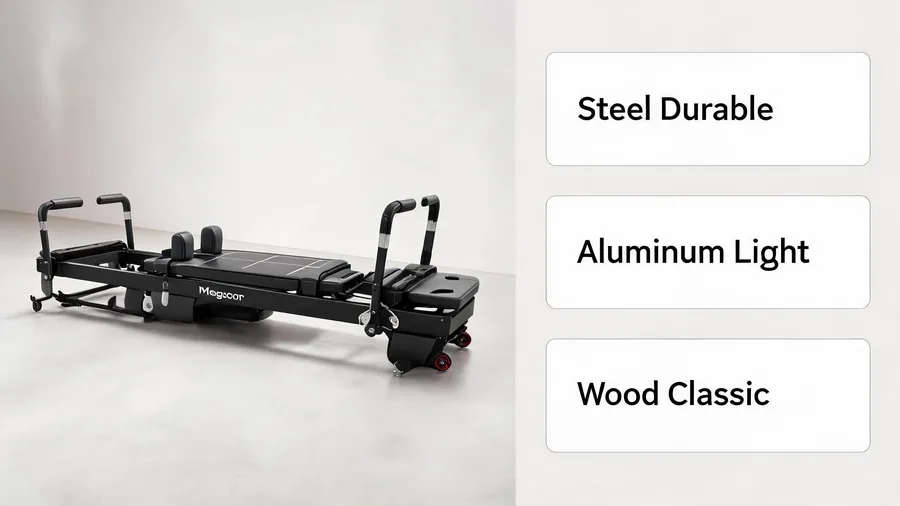
7. A Pilates Reformer Vázanyagok Minőségének Ellenőrzése Beszállítóknál
Az anyagválasztástól függetlenül kérjen anyagtanúsítványokat a beszállítótól. Az acélvázakhoz hengerművi vizsgálati bizonyítvány kell, amely megadja az acélminőséget (kereskedelmi reformereknél jellemzően Q235 vagy azzal egyenértékű lágyacél). Az alumíniumvázaknál adja meg az ötvözet minőségét (szerkezeti alkalmazásoknál a 6061-T6 a szabvány). A favázakhoz dokumentáció kell a fafajról, a gyártáskori nedvességtartalomról (ideálisan 7–10 százalék) és az alkalmazott felületkezelési rendszerről. Ezek a dokumentumok alapot adnak a minőségbiztosításhoz, és hasznosak az import vámbesorolásához.
Ellenőrzési jegyzőkönyvünk (GZHL2601000020601SP) dokumentálja az anyagösszetétel ellenőrzését a szabványos minőségellenőrzési protokoll részeként. Ez magában foglalja a vázcsövek ultrahangos vastagságmérését, a hegesztési átolvadás vizsgálatát és a felület tapadásvizsgálatát – dokumentált biztosítékot arra, hogy a vázanyag megfelel a szerkezeti előírásoknak. A legjobb Pilates Reformerek kereskedelmi használatra
Az alábbi szakmai források hiteles útmutatást nyújtanak a témában:
- OSHA biztonsági előírások
- Fitness Industry Association
- American Council on Exercise
- a CDC környezeti fertőzésellenőrzési útmutatója
- ACE fitneszipari szabványok
- International Association of Fitness
Az eszközbiztonsági és minőségi szabványokhoz tekintse meg a Pilates Method Alliance iparági irányelveit. A CDC fitneszlétesítményekre vonatkozó környezetvédelmi irányelvei további szabványokat adnak a kereskedelmi eszközök higiéniájára és karbantartására. Az OSHA higiéniai előírásai szintén vonatkoznak a közös eszközöket használó kereskedelmi fitneszstúdiókra.
Pilates reformer vázanyagok: Gyakran Ismételt Kérdések
Mi különbözteti meg ezt a Pilates berendezést a belépő szintű alternatíváktól?
A különbség az anyagokban és a kivitelben rejlik. A kereskedelmi minőségű berendezések teljesen fém vázakat, zárt csapágyakat és kalibrált rugókat használnak. A belépő szintű alternatívák könnyebb anyagokat használnak, amelyek gyorsabban elhasználódnak. Egy jó minőségű reformer 5-10+ évig tart – egy belépő szintű reformert gyakran 1-2 év után cserélni kell.
Honnan tudom, hogy ez az eszköz megfelel az igényeimnek?
Vegye figyelembe az elsődleges felhasználási módot: stúdió vagy otthon, ügyfélkör, óraszám és költség. A stúdiótulajdonosoknak a tartósságot és a karbantartási hozzáférést kell előtérbe helyezniük. Az otthoni felhasználóknak a helytakarékosságot és a könnyű használatot. A berendezés specifikációit az Ön konkrét igényeihez igazítsa, ne általános célú gépet vásároljon.
Milyen garanciát és támogatást várhatok egy jó hírű gyártótól?
A kereskedelmi eszköznek legalább 2 éves szerkezeti garanciát kell adnia, az alkatrészekre 1 évvel. Az olyan gyári gyártók, mint a Megacore, gyakran kiterjesztett garanciát és közvetlen műszaki támogatást nyújtanak. Vásárlás előtt mindig kérje írásban a garanciadokumentációt.
Pilates reformer vázanyagok: Összegzés
A megfelelő berendezés kiválasztása jelentős különbséget jelent a Pilates gyakorlatában vagy vállalkozásában. Akár stúdiót indít, akár meglévő gépeket újít fel, akár otthoni gyakorlóteret rendez be – a konkrét igényeihez illő, minőségi berendezésbe való befektetés a hosszú távú elégedettség és teljesítmény alapja.
Böngéssze kereskedelmi reformereinket →
- Pilates Reformer Akril vs Alumínium vs Fa Platform Deszka: Melyiket Válassza
- Pilates reformer vs Megaformer vs Cadillac: eszköz-összehasonlítás stúdiótulajdonosoknak
- Pilates Reformer Ropes & Straps: Materials, Durability, and Replacement Guide
- Pilates Reformer Teherbírás Útmutató: Miért Számítanak a 250kg+ Acélvázak
- Pilates Reformer vs Mat Pilates: Melyikre Fókuszáljon a Stúdiója?
- Pilates Reformer Szállítás és Logisztika: Légi vs Tengeri Fuvardíj Kínából
- Pilates Reformer Kötélhossz Útmutató: Standard vs Hosszabbított Opciók Különböző Testmagasságokhoz
- Pilates Reformer Áttételrendszerek: Szíjhajtás vs Rugós vs Gumikötél Ellenállás
Válassza Ki a Megfelelő Pilates Reformer Vázanyagokat
Vegye fel velünk a kapcsolatot, hogy megbeszéljük a Pilates reformer vázanyagokat, és megtaláljuk az Ön stúdiójának legjobb megoldását. A megfelelő Pilates reformer vázanyagok kiválasztása biztosítja, hogy berendezése évekig kiválóan teljesítsen. A Pilates reformer vázanyagok vásárlás előtti összehasonlítása biztosítja, hogy a megfelelő berendezést kapja. Csapatunk segít az acél, alumínium és fa vázak közötti választásban az Ön igényei szerint. A megfelelő Pilates reformer vázanyagok kiválasztása mindent megváltoztat a stúdióberendezésbe való befektetésében.
The aluminium side of this comparison is specced on the aluminum reformer range.