
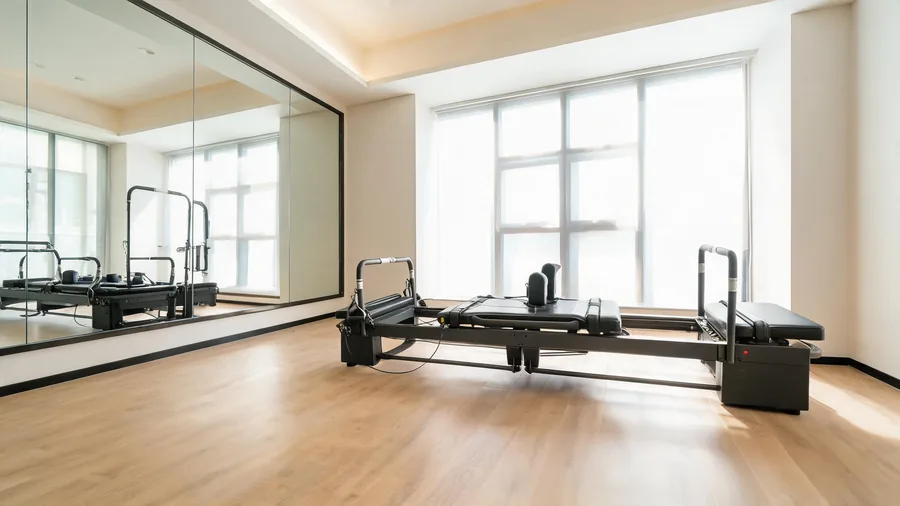
Regolazione del poggiatesta del Reformer Pilates: guida completa per ogni tipo di corporatura
Il posizionamento corretto sul Reformer Pilates inizia da due componenti piccoli ma fondamentali: il poggiatesta e i poggiaspalle. Se non sono regolati bene, i tuoi clienti accusano tensione al collo, conflitto alla spalla e un allineamento spinale compromesso — tutti fattori che portano all'abbandono delle lezioni. Eppure molti titolari di studio trattano questi componenti come fissi, costringendo ogni cliente ad adattarsi invece di regolare l'attrezzatura in base al singolo corpo.
Questa guida illustra i protocolli corretti di regolazione del poggiatesta sul Reformer Pilates per diverse corporature, spiega come la larghezza dei poggiaspalle influisce sulla biomeccanica degli esercizi e indica cosa valutare al momento dell'acquisto di Reformer per una clientela eterogenea. Che tu gestisca uno studio boutique o un grande centro fitness, queste regolazioni incidono direttamente sul comfort e sulla fidelizzazione dei clienti.
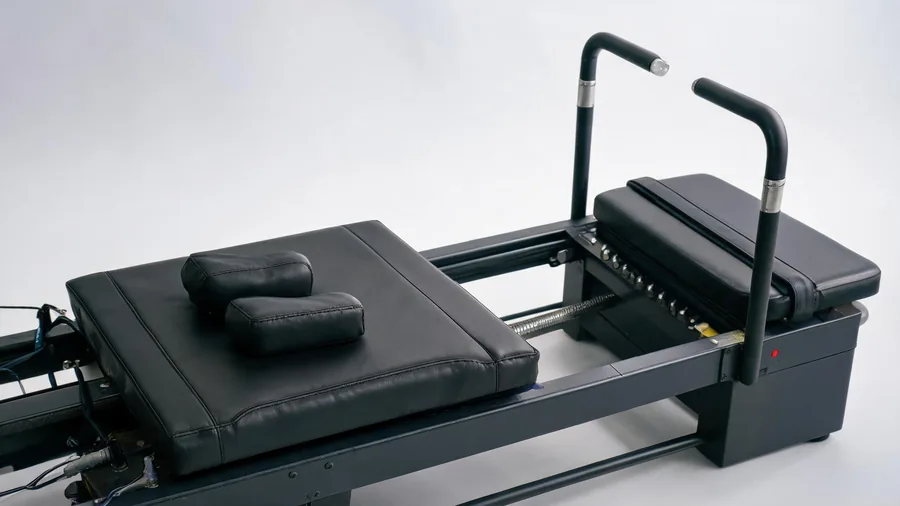
Perché la regolazione del poggiatesta sul Reformer Pilates è importante
Il poggiatesta sostiene la colonna cervicale durante gli esercizi in posizione supina. Se è posizionato correttamente, il collo resta rilassato e i flessori profondi del collo possono attivarsi come si deve. Se invece è sbagliato, il corpo compensa — e nel tempo la compensazione porta a infortuni.
Lo stesso principio vale per i poggiaspalle. Questi supporti imbottiti stabilizzano la parte superiore del corpo durante esercizi come il footwork e la short spine. Se i poggiaspalle sono troppo stretti o troppo larghi, le scapole restano fuori dall'imbottitura o vengono compresse, generando un disagio che i clienti percepiscono ma spesso non esprimono.
Per i titolari di studio, padroneggiare la regolazione del poggiatesta sul Reformer Pilates e il montaggio dei poggiaspalle incide direttamente sulla fidelizzazione. Un cliente che si sente fisicamente a proprio agio sulla macchina ha molte più probabilità di tornare — e di portare altri. Gli studi del Pilates Method Alliance confermano che l'ergonomia dell'attrezzatura è tra i fattori principali di soddisfazione dei clienti nel Pilates in studio.
Comprendere le posizioni del poggiatesta
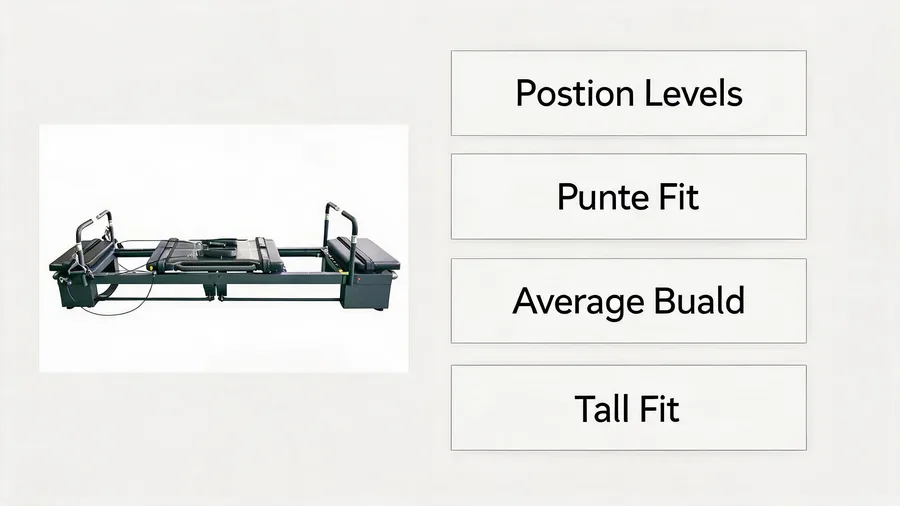
La maggior parte dei Reformer commerciali offre da due a tre posizioni del poggiatesta. Ecco cosa fa ciascuna posizione e quando usarla.
Riferimento delle posizioni del poggiatesta
The ideal headrest position aligns the client’s ear with their shoulder joint when supine. This neutral cervical spine position minimizes strain on both the neck flexors and extensors, according to linee guida biomeccaniche del NIH per la progettazione di attrezzature per l'esercizio fisico.
Per i clienti con collo corto o postura con testa in avanti, anche la posizione piatta può causare disagio. In questi casi, usa un piccolo asciugamano arrotolato dietro il collo per colmare lo spazio tra il poggiatesta e la curva cervicale naturale.
Regolare il poggiatesta in base alla corporatura
Petite Clients (under 160 cm / 5’3″)
I poggiatesta standard misurano circa 30 cm di lunghezza. Per i clienti minuti può risultare troppo lungo — il poggiatesta si estende oltre la posizione naturale della testa e spinge il mento verso il petto. Parti dalla posizione più bassa del poggiatesta. Se il disagio persiste, un cuscino cervicale dietro il collo crea un allineamento migliore.
Average Build (160–175 cm / 5’3″–5’9″)
La posizione intermedia del poggiatesta va bene per la maggior parte dei clienti in questa fascia. Inizia da qui e osserva i segnali di tensione al collo — mento retratto, sollevamento eccessivo della testa o lamentele verbali. Regola di una posizione verso l'alto o verso il basso secondo necessità.
Tall Clients (over 175 cm / 5’9″)
I clienti più alti di solito hanno bisogno della posizione intermedia o di quella più alta del poggiatesta, a seconda della lunghezza del busto, non dell'altezza complessiva. Un busto lungo con gambe nella media richiede una regolazione diversa rispetto a un busto corto con gambe lunghe. Alcuni Reformer commerciali offrono poggiatesta di lunghezza estesa da 33 cm proprio per questa tipologia di clienti.
Riferimento rapido per l'altezza
Larghezza dei poggiaspalle: la regolazione trascurata
Poggiaspalle standard e regolabili a confronto
I poggiaspalle standard sono distanziati di circa 16–18 inches sulla maggior parte dei Reformer commerciali. Questa larghezza fissa non si adatta allo stesso modo a tutte le corporature. I clienti con spalle strette non riescono a raggiungere l'imbottitura, mentre quelli con spalle larghe si sentono compressi tra i poggiaspalle.
Variabili chiave dei poggiaspalle:
- Larghezza per lato: lo standard è 15–16 cm (30–32 cm in totale)
- Range regolabile: i Reformer di qualità offrono 14–20 cm per lato
- Angolo: una leggera apertura verso l'esterno di 10–15° segue l'angolo naturale della scapola
- Densità dell'imbottitura: 35+ kg/m³ per la durata commerciale
- Tipo di schiuma: la schiuma a celle chiuse resiste all'assorbimento del sudore
Regolare in base alla larghezza delle spalle
Consiglio da esperto: L'errore di regolazione più comune è lasciare i poggiaspalle troppo stretti. Questo spinge le scapole fuori dall'imbottitura durante gli esercizi in posizione supina, causando conflitto e disagio per cui i clienti spesso smettono di frequentare le lezioni invece di segnalarli. linee guida ergonomiche NIOSH raccomandano superfici di supporto a larghezza regolabile per le attrezzature fitness a uso condiviso.
Come regolare il poggiatesta sul Reformer Pilates: passo dopo passo
Segui questo flusso di lavoro per ogni nuovo cliente:
- Inizia con il cliente supino sul carrello — piedi sulla barra poggiapiedi, braccia lungo i fianchi
- Controlla la posizione della testa — il mento è retratto o la testa cade all'indietro?
- Regola il poggiatesta — parti dalla posizione corrispondente alla sua fascia di altezza
- Verifica l'allineamento — l'orecchio deve essere allineato con l'articolazione della spalla
- Regola i poggiaspalle — imposta la larghezza in base alla misura delle spalle
- Prova con il footwork — osserva eventuale tensione al collo o sollevamento delle spalle
- Rifinisci la regolazione — fai una piccola regolazione alla volta e ricontrolla
Inserisci questo protocollo nell'onboarding degli istruttori. Una sessione pratica di 20 minuti con esercizi in coppia assicura che ogni istruttore sappia eseguire con sicurezza la regolazione del poggiatesta sul Reformer Pilates per qualsiasi cliente.
Cosa valutare quando si acquistano i Reformer
Non tutti i Reformer offrono il range di regolazione necessario per corporature diverse. Usa questa checklist quando definisci l'attrezzatura.
Requisiti del poggiatesta
- Almeno 3 posizioni (piatta, intermedia, sollevata)
- Regolazione senza attrezzi (con una sola mano durante la lezione)
- Forma sagomata che segue la curva cervicale
- Copertura rimovibile e lavabile (vantaggio igienico)
- Meccanismo di cerniera scorrevole
Requisiti dei poggiaspalle
- Larghezza regolabile: minimo 14–20 cm per lato
- Densità dell'imbottitura: 35+ kg/m³
- Struttura in schiuma a celle chiuse
- Design opzionale con apertura verso l'esterno (10–15°)
Certificato di controllo qualità GZHL2601000020601SP documenta i test di densità della schiuma e l'adesione del rivestimento per i componenti di grado commerciale.
Reformer commerciali ed economici a confronto
Problemi comuni — e come risolverli
Problema: il cliente lamenta dolore al collo dopo la lezione
Causa probabile: poggiatesta troppo alto o troppo basso
Soluzione: regola il poggiatesta di una posizione. Verifica l'allineamento orecchio-spalla.
Problema: il cliente evita gli esercizi in posizione supina
Causa probabile: poggiaspalle troppo stretti, che causano conflitto
Soluzione: allarga i poggiaspalle. Verifica che le scapole restino dentro l'imbottitura.
Problema: il cliente scivola in avanti sul carrello
Causa probabile: poggiatesta troppo sollevato, che inclina il bacino posteriormente
Soluzione: abbassa il poggiatesta in posizione neutra.
Problema: l'istruttore non riesce a regolare durante il flusso della lezione
Causa probabile: l'attrezzatura richiede attrezzi o forza eccessiva
Soluzione: specifica meccanismi di regolazione senza attrezzi al momento dell'acquisto.
Formazione del personale sui protocolli di regolazione
La formazione degli istruttori sulla regolazione del poggiatesta e dei poggiaspalle è spesso trascurata. Eppure incide direttamente sul comfort e sulla fidelizzazione dei clienti.
- Misura la larghezza delle spalle del cliente durante l'accoglienza
- Dimostra la regolazione del poggiatesta in tutte e 3 le posizioni
- Dimostra il cambio di larghezza dei poggiaspalle
- Esercitati a riconoscere i segnali di tensione al collo
- Verifica l'allineamento per 3 corporature (minuta, media, alta)
- Simula scenari di feedback dei clienti
Rendi la regolazione parte dell'accoglienza di ogni nuovo cliente. Quando gli istruttori regolano visibilmente l'attrezzatura per ciascuno, trasmettono attenzione ai bisogni individuali — uno strumento potente di fidelizzazione che non costa nulla se non il tempo della formazione.
Domande frequenti
D: Come regolo un cliente con dolore cervicale cronico sul Reformer?
R: Parti dalla posizione più supportata (sollevata) del poggiatesta. Usa un piccolo cuscino cervicale se necessario. Passa a posizioni più piatte man mano che la forza del collo migliora nell'arco di 4–6 sessioni. Non forzare mai un cliente in una posizione che causa disagio.
D: Che larghezza dei poggiaspalle serve per clienti uomini o sportivi?
R: I clienti uomini e sportivi di solito hanno spalle più larghe (46 cm+). Scegli Reformer con poggiaspalle regolabili che arrivino a 20 cm per lato per accogliere telai più larghi senza compressione.
D: Posso sostituire un poggiaspalle fisso con uno regolabile?
R: Alcuni Reformer commerciali consentono l'aggiornamento dei poggiaspalle. Verifica la compatibilità con il tuo produttore. I Reformer Megacore supportano gruppi poggiaspalle aggiornabili in loco.
D: Con quale frequenza devo formare il personale sui protocolli di regolazione?
R: Inserisci la formazione sulla regolazione nell'onboarding di ogni nuovo istruttore. Tieni un ripasso di 15 minuti ogni trimestre. Aggiungi la verifica della regolazione agli audit di accoglienza dei clienti.
D: La posizione del poggiatesta influisce sull'efficacia degli esercizi?
R: Sì. Una posizione errata del poggiatesta altera l'allineamento spinale, che modifica i pattern di reclutamento muscolare. Una regolazione corretta assicura che il cliente attivi i muscoli giusti per ogni esercizio.
Guide correlate
- Guida alle dimensioni del Reformer Pilates: come scegliere altezza e larghezza del telaio giuste
- Guida alla tensione delle molle del Reformer Pilates: scegliere la resistenza giusta per ogni esercizio
- Cuscini e imbottiture in schiuma per Pilates Reformer: guida completa alla sostituzione
- Guida alla lunghezza delle corde del Reformer Pilates: opzioni standard ed estese per altezze diverse
Conclusione
La regolazione del poggiatesta e la configurazione dei poggiaspalle sul Reformer Pilates sono piccoli dettagli con un impatto enorme sull'esperienza del cliente. Gli studi che investono tempo in un montaggio corretto dell'attrezzatura fidelizzano i clienti più a lungo e ricevono meno lamentele sul disagio.
Quando acquisti nuovi Reformer, dai priorità ai modelli con poggiatesta multiposizione e poggiaspalle a larghezza regolabile. Un'attrezzatura di grado commerciale con garanzia di 3 anni assicura che il tuo studio possa servire ogni corporatura che varca la porta.
Headrest geometry differs by model, and the reformer model pages list it per unit.