
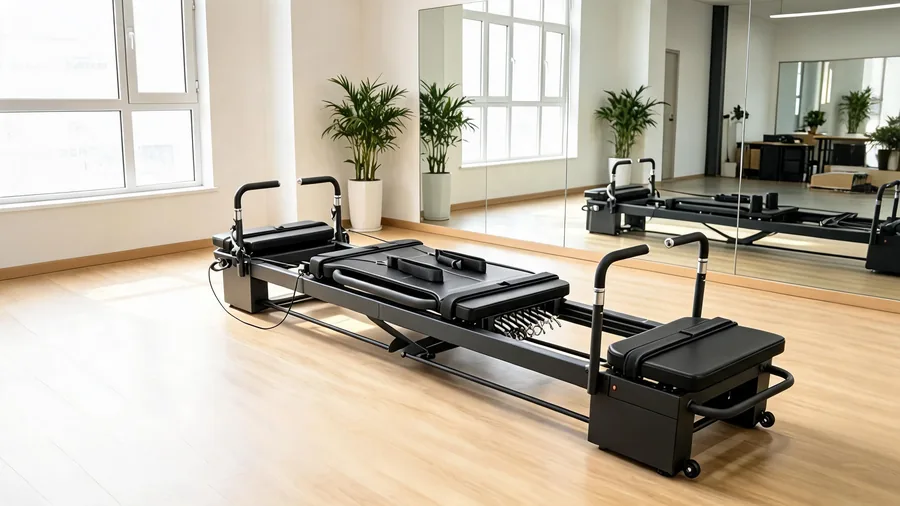
The Science of Pilates reformer for weight loss
Reformer Pilates has gained significant attention in the fitness industry for its role in body composition change. This approach stands out because it builds lean muscle while burning calories during the workout session, reformer-based resistance training creates a sustained metabolic elevation, as documented in published research that continues for hours after the class ends. Understanding this mechanism helps studio owners position their Pilates reformer for weight loss classes as legitimate tools for weight management. This evidence-based approach to Pilates reformer for weight loss attracts clients who want measurable results.
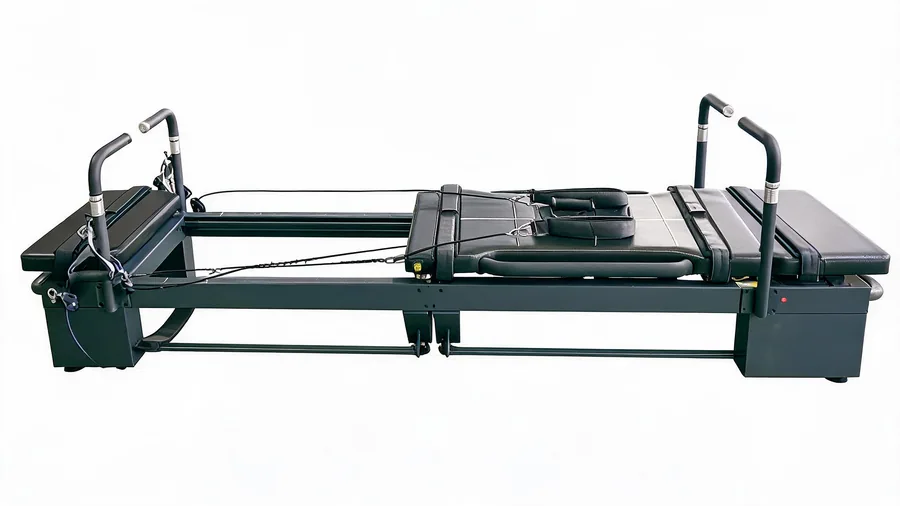
Metabolic Demand of Pilates reformer for weight loss
A 60-minute reformer session at moderate intensity typically burns between 250 and 400 calories for a 70 kg individual, depending on the exercise selection and spring tension. However, the more significant metabolic contributor is the afterburn effect — excess post-exercise oxygen consumption (EPOC). Resistance-based reformer work elevates EPOC by 15–25 percent above resting levels for up to 16 hours post-workout, meaning the body continues burning additional calories while the client goes about their day.
This effect is amplified when the workout includes eccentric loading — the controlled lengthening of muscles under tension. Reformer springs naturally emphasize eccentric control because the return phase requires the client to resist the spring’s pull. Research published in the Journal of Strength and Conditioning Research indicates that eccentric-focused resistance training increases EPOC by approximately 30 percent compared to concentric-only protocols at equivalent workloads.
Muscle Activation Patterns on the Reformer
Whole-body surface electromyography (sEMG) studies of reformer exercises reveal activation patterns that differ significantly from mat Pilates or traditional gym machine work. The unstable spring-loaded carriage forces the body to recruit stabilizing musculature throughout every movement. Exercises like footwork on the reformer activate the gluteus maximus at 65–80 percent of maximum voluntary contraction — comparable to barbell hip thrusts — while simultaneously engaging the transversus abdominis and pelvic floor.
This multi-muscle recruitment is what makes reformers efficient for body recomposition. Instead of isolating single muscles, each exercise develops multiple groups in coordinated movement patterns. For clients whose primary goal is weight loss, a reformer program that alternates between lower-body dominant and upper-body dominant exercises within the same session maximizes total muscle fiber recruitment and therefore total energy expenditure.
Programming Pilates reformer for weight loss Workouts
Not all reformer classes produce equivalent metabolic outcomes. A gentle flow class with light spring tension and slow transitions primarily targets mobility and neuromuscular control; its caloric expenditure is modest. A structured reformer class designed for body composition change incorporates specific programming variables:
Spring tension should be set so that the last 2–3 repetitions of each set require near-maximal effort. For lower-body exercises targeting the glutes and quads, this typically means medium-to-heavy spring loads. For upper-body work, light-to-medium springs with slow tempo and full range of motion increase time under tension. Exercise sequencing should alternate large muscle groups — leg work followed by arm work — to maintain elevated heart rate throughout the session.
Interval-style reformer protocols are particularly effective. Structuring a class into 3-minute work intervals at 80 percent perceived effort followed by 60-second active recovery (gentle stretching on the carriage) keeps heart rate in the zone for both aerobic and anaerobic conditioning. Studios that offer weight-loss-focused reformer programs typically incorporate 8–12 weeks of progressive overload, increasing spring tension or rep volume as the client adapts.
Integrating Reformer into a Studio Weight Management Program
Forward-thinking studio owners package reformer Pilates as one component of a comprehensive weight management offering. A typical weekly schedule combines three reformer sessions with two supplementary sessions such as barre, mat Pilates, or cardio intervals. Clients who adhere to this frequency for 12 weeks typically see reductions in body fat percentage of 3–6 percent alongside measurable gains in lean mass, based on studio data from several multi-location operators.
Nutritional guidance amplifies results. Studios that partner with registered dietitians or certified nutrition coaches and integrate basic dietary education into their reformer programs report 40 percent higher client retention at the 6-month mark compared to equipment-only studios. Even without formal dietary partnerships, providing members with evidence-based guidance on protein intake and meal timing around workouts adds significant value.
The Role of Spring Resistance in Lean Mass Development
Lean muscle tissue is metabolically active — each kilogram of muscle burns approximately 13 calories per day at rest, compared to 4.5 calories per kilogram of fat. Building lean mass through reformer resistance training therefore creates a permanent increase in resting metabolic rate. This is the fundamental mechanism by which reformer Pilates supports long-term weight management, beyond the calories burned during individual sessions.
Spring-loaded resistance is uniquely suited to lean mass development because it provides accommodating resistance — the spring force increases linearly as the spring stretches, meaning the muscle works harder at the end range of motion where mechanical advantage is poorest. This contrasts with weight stack machines where resistance is constant throughout the range of motion. The accommodating nature of spring resistance forces continuous tension on the working muscles, which stimulates greater neuromuscular adaptation.
Measuring Pilates reformer for weight loss Progress Beyond the Scale
Studio owners should educate weight-loss-focused clients on more meaningful metrics than body weight alone. Body circumference measurements — waist, hip, thigh, and arm — tracked bi-weekly provide objective data on fat loss even when the scale does not move. Progress photographs in consistent lighting and clothing are another reliable tracking tool. Bioelectrical impedance scales that measure body fat percentage are worth the investment for any studio with a dedicated weight-loss program.
Performance-based metrics also correlate with body composition improvement. As a client’s lean mass increases, their ability to perform more repetitions at a given spring tension or to use heavier spring loads for the same number of reps improves. Tracking these objective performance gains provides motivation and demonstrates progress independent of scale weight fluctuations.
Equipment for Pilates reformer for weight loss: Choosing the Right Reformer
Reformers intended for high-intensity weight-loss programming need robust construction. The repeated high-spring-load transitions and faster class pacing generate more mechanical stress than traditional flowing reformer work. Frame rigidity, spring quality, and carriage bearing smoothness all become more critical as class intensity increases. Commercial-grade reformers with welded steel frames, sealed bearings, and heat-treated springs are the standard for this application.
The spring set configuration also matters. Reformers with individual spring color-coding (typically 1.0, 1.5, and 2.0 kg springs in distinguishable colors) allow instructors to call out specific spring loads during fast-paced class transitions. This reduces transition time and keeps heart rate elevated throughout the session. Megacore Pilates reformers come with color-coded spring systems and frames designed to withstand the load volumes of high-intensity commercial programming.
Building a Pilates reformer for weight loss Program That Retains Clients
The studios that succeed with weight-loss-focused reformer programs are those that combine effective exercise programming with accountability structures. Offering introductory assessment packages that include body composition testing and movement screening establishes a baseline. Reassessments at 4-week intervals give clients tangible evidence of progress. The equipment is the tool, but the program design and client experience determine whether members achieve their goals and continue their membership. How can you modify or sequence Pilates reformer exercises?
Why Megacore Is The Best Pilates Reformer for Studios
Comparing Heavy Duty Pilates Reformer: What to Look for
Pilates Reformer vs Megaformer vs Cadillac: Equipment Comparison for Studio Owners
The following industry resources provide authoritative guidance on this topic:
- NIH Physical Activity Guidelines
- International Association of Fitness
- Pilates Method Alliance
The following industry resources provide authoritative guidance on this topic:
- OSHA Safety Standards
- CDC Infection Control Guidelines
Industry resources for further guidance on pilates reformer for weight loss:
- ACE Fitness Industry Standards
- OSHA Sanitation Standards
- CDC Environmental Infection Control
For equipment safety and quality standards, consult the Pilates Method Alliance industry guidelines. The CDC environmental guidelines for fitness facilities provide additional standards for commercial equipment hygiene and maintenance. OSHA sanitation standards also apply to commercial fitness studios handling shared equipment.
Frequently Asked Questions
Q1: Can you really lose weight with Pilates reformer workouts?
Yes, reformer Pilates burns 200-400 calories per hour depending on intensity, builds lean muscle that increases resting metabolism, and creates a sustainable exercise habit that supports long-term weight management.
Q2: How often should I do reformer Pilates for weight loss?
For best results, train 3-5 times per week. Combine reformer sessions with cardiovascular exercise 2-3 times weekly and maintain a proper nutrition plan. Consistent practice yields better results than occasional intense sessions. Regular Pilates reformer for weight loss practice also helps establish a routine that supports long-term lifestyle changes.
What warranty and support should I expect from a reputable manufacturer?
Commercial equipment should carry at least a 2-year structural warranty with 1 year on components. Factory-direct manufacturers like Megacore often provide extended coverage and direct technical support. Always request warranty documentation in writing before purchasing.
Conclusion
For effective Pilates reformer for weight loss, the combination of resistance training, muscle engagement, and metabolic elevation makes the reformer a versatile tool. Studio owners who invest in commercial-grade reformers and design targeted programs can help clients achieve sustainable results while building a loyal client base.
Whether you are equipping a new studio or expanding an existing one, choosing the right equipment is essential for delivering effective Pilates reformer for weight loss results to your clients and members. Megacore’s commercial reformers are designed for high-volume studio use with durable construction and smooth resistance systems.
Related Guides
- Pilates Reformer Spring Tension Guide
- Reformer Studio Pricing Guide
- Pilates Reformer Sizing Guide
- Reformer Weight Capacity Guide
- Pilates reformer for weight loss: Reformer Comfort Upgrades Guide
If this is for home use, the home reformer range lists the models built for it.