
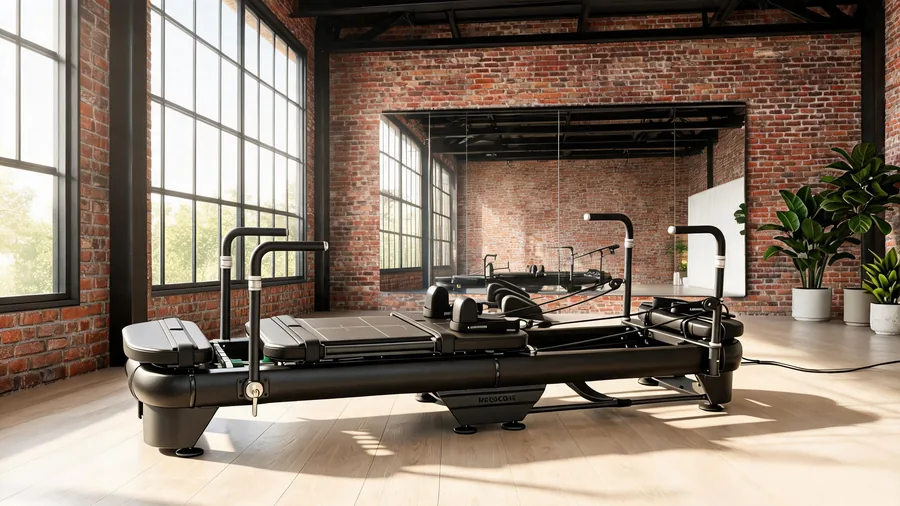
sú základom každého komerčného štúdia. Vojdite do sály, kde šesť dní v týždni bežia hodiny jedna za druhou — každý komponent je na hranici svojich možností: rám, pružiny, ložiská vozíka, čalúnenie. Reformer, ktorý prvý deň pôsobí bytelne, môže za pár mesiacov vrzgať alebo vypovedať, ak nebol na takú záťaž navrhnutý. V tejto príručke rozoberáme, čo odlišuje skutočne robustný reformer od toho, ktorý má na sebe iba nálepku.
1. Špecifikácia ocele pri robustných reformeroch Pilates
Robustné reformery Pilates sa definujú parametrami oceľového rámu. Minimom pre komerčný reformer s vysokou záťažou je hrúbka steny hlavnej rúrky 2,5 mm. Špičkové robustné reformery používajú v namáhaných miestach — ako je úchyt pružinovej lišty a podpery zarážok vozíka — oceľ 3,0 mm. Základné rámy majú 1,2 až 1,5 mm, čo sa pri opakovanej záťaži prehýba a do 12–18 mesiacov každodennej prevádzky v štúdiu vznikajú mikrotrhliny.
Druh ocele je rovnako dôležitý ako hrúbka. Väčšina robustných reformerov Pilates používa konštrukčnú oceľ Q235 alebo Q345, ktorá poskytuje potrebnú medzu klzu pri každodennej komerčnej prevádzke. Rám by mal byť práškovo lakovaný s minimálnou hrúbkou 60 mikrónov, aby odolal korózii vo vlhkom prostredí štúdií — práve tá býva častou príčinou degradácie rámov u lacnejších zariadení. Robustné reformery Pilates zvyčajne používajú konštrukčnú oceľ Q235 alebo vyššiu s minimálnou pevnosťou v ťahu 370 MPa. Zváranie má byť oblúkové v ochrannej atmosfére CO2, nie bodové. Pri každom zvare na robustnom reformeri sa v rámci kontroly kvality overuje hĺbka prevarenia a kvalita povrchu.
Životnosť ovplyvňuje aj geometria rámu. Robustné reformery Pilates majú vystužené rohové výstuže, krížovo spevnené zarážky vozíka a predimenzované úchytky pružinovej lišty. Tieto detaily bránia deformácii po rokoch vysokej záťaže a udržiavajú presné vyrovnanie koľajníc s rámom.
2. Nosnosť robustných reformerov Pilates
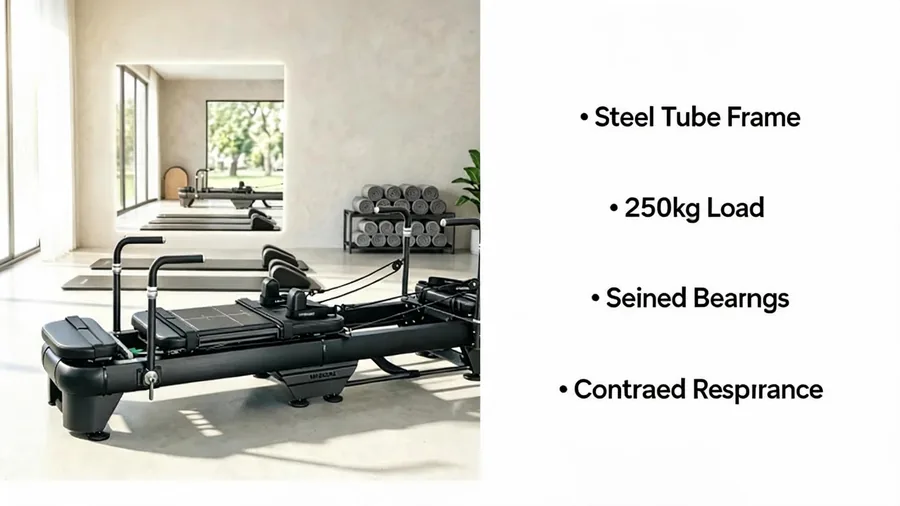
Nosnosť je pri robustných reformeroch Pilates kľúčovým parametrom. Priemyselným štandardom pre komerčné zariadenia je statická nosnosť 250 kg (550 lbs) a dynamická 150 kg (330 lbs). Rozdiel pokrýva rázové sily pri cvičení na skákacej doske a pri rýchlych prechodoch v skupinových hodinách.
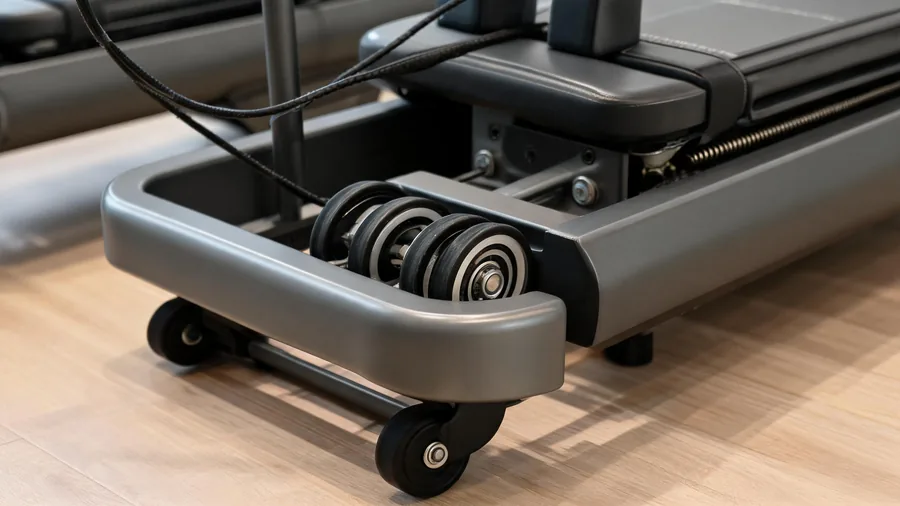
Najnamáhanejším dielom je vozík. Robustné reformery Pilates používajú vozíky so 4–6 uzavretými ložiskami na kalených oceľových koľajniciach. Priemer koľajnice má byť pri komerčnom použití aspoň 25 mm. Tolerancia vyrovnania koľajníc má byť do 0,5 mm po celej dĺžke chodu, aby bol pohyb plynulý a rozloženie odporu pružín rovnomerné.
Zarážky vozíka pri robustných reformeroch Pilates sú z oceľového plechu, nie z plastu či hliníka. Mechanizmus zarážky má pracovať s kontaktom kov na kov dimenzovaným na 500 000+ cyklov podľa ACE Fitness priemyselných usmernení. Zabráni to zosunutiu vozíka z koľajníc pri vysokointenzívnych pohyboch a ochráni koncového používateľa pred úrazom. Robustné reformery Pilates majú aj vystužené nárazníky vozíka z priemyselného uretánu, ktoré tlmia nárazy bez praskania. Nárazníky by mali byť vymeniteľné bez demontáže rámu, aby sa údržba dala urobiť rýchlo počas prevádzky.
3. Kalibrácia pružín pri robustných reformeroch Pilates
Pružinový systém je miesto, kde sa robustné reformery Pilates najviac odlišujú od spotrebiteľských zariadení. Komerčné pružiny majú byť z nehrdzavejúcej ocele 304 alebo ekvivalentnej koróziivzdornej zliatiny. Priemer drôtu štandardnej napínacej pružiny má byť 1,8–2,2 mm, aby odpor zostal rovnaký v každom bode rozsahu pohybu.
Spring calibration is verified at the factory using digital tension testers. Each spring on heavy duty pilates reformers should test within 5% of its rated resistance. Color coding should follow a consistent standard across the manufacturer’s product line: red for light tension, blue for medium, green for heavy, and black for extra heavy resistance levels.
Životnosť pružín na robustných reformeroch je 80 000–100 000 cyklov, kým odchýlka odporu nepresiahne 10 %. Štúdiá s 10 hodinami denne by mali počítať s výmenou pružín každých 18–24 mesiacov. Úchyty pružín majú byť vystužené zváranými očkami, nie lisovanými hákmi, ktoré sa pri trvalej záťaži deformujú. Plán údržby má zahŕňať mesačnú kontrolu pružín, štvrťročné meranie odporu pružinovou váhou a každoročnú výmenu všetkých pružín bez ohľadu na vizuálny stav — len tak zostane odpor rovnaký na každom reformeri v štúdiu.
4. Ložiskové systémy v robustných reformeroch Pilates
Ložiskový systém určuje plynulosť chodu a frekvenciu údržby. Existujú dva hlavné typy: valčekové ložiská a uzavreté kazetové ložiská. Valčekové sa vyskytujú na starších zariadeniach a vyžadujú pravidelné mazanie a nastavovanie. Uzavreté kazetové ložiská, ktoré používajú moderné robustné reformery Pilates, sú bezúdržbové po celú životnosť ložiskového bloku.
Uzavreté kazetové ložiská na robustných reformeroch Pilates sú dimenzované na 500 000 lineárnych metrov chodu. V praxi to znamená približne 5–7 rokov každodenného používania v štúdiu. Teleso ložiska má byť z presne obrábaného hliníka alebo nerezovej ocele, nie z plastu, aby sa pri záťaži udržalo vyrovnanie.
Rovnako dôležitá je povrchová úprava koľajníc. Robustné reformery Pilates používajú pochromované alebo kalené nerezové koľajnice s tvrdosťou povrchu HRC 60 a viac. Vôľa medzi koľajnicou a ložiskom má byť 0,05–0,10 mm, aby bol chod plynulý a bez bočnej vôle. Mazanie má byť silikónové v potravinárskej kvalite alebo na báze PTFE, nie ropný tuk, ktorý degraduje gumené tesnenia kazetových ložísk. Pri správnej údržbe si robustné reformery Pilates udržia kvalitu chodu po celú životnosť ložiskového systému.
5. Čalúnenie a komponenty robustných reformerov Pilates
Čalúnenie robustných reformerov Pilates musí vydržať každodenné čistenie a nepretržité používanie klientmi. Komerčné čalúnenie má byť vinyl v námornej kvalite s hrúbkou aspoň 1,2 mm, vystužený polyesterovou podložkou. Tento materiál lepšie odoláva potu, čistiacim prostriedkom aj blednutiu vplyvom UV žiarenia než bežný vinyl či PU koža.
Hustota peny je ďalší parameter, ktorý odlišuje robustné reformery Pilates od domácich zariadení. Podložka vozíka má mať vysoko pružnú penu s hustotou aspoň 35 kg/m³. Opierky pliec a hlavová podložka potrebujú penu s uzavretými bunkami, ktorá nenasáva vlhkosť. Trvalá deformácia peny má byť po 100 000 cykloch simulovaného používania menšia ako 10 %.
Laná a popruhy na robustných reformeroch Pilates majú byť z 8 mm splietaného nylonu alebo polyesteru s minimálnou pevnosťou v ťahu 500 kg. Lankové svorky majú byť kovové s pozitívnym zaistením. Kladky majú byť nylonové alebo z Delrinu s uzavretými ložiskami a koeficientom trenia pod 0,1. Náhradné diely pre robustné reformery Pilates má výrobca dodávať aspoň 10 rokov od nákupu — vrátane sád čalúnenia, balíkov pružín, ložiskových zostáv a popruhových systémov. Výrobcovia predávajúci priamo z továrne, ako Megacore, držia sklad dielov pre všetky aktuálne aj predchádzajúce modely, aby podporili plynulú prevádzku štúdií.
Často kladené otázky
Ako pred kúpou zistím, či je reformer naozaj komerčný?
Sledujte tri veci: hrúbku ocele rámu (vyžiadajte si technický list), typ ložiska (uzavreté kazetové ložiská sú dobré znamenie) a materiál pružín (nerez 304 je pri komerčnom použití štandard). Skontrolujte aj záruku — záruka na rám kratšia ako tri roky je silným signálom, že výrobca nepočíta s tým, že stroj v komerčnej prevádzke vydrží.
Dá sa domáci reformer použiť v malom štúdiu s pár hodinami denne?
Krátkodobo áno, ale neodporúčame to. Aj štyri hodiny denne pri strednej intenzite zrýchlia opotrebenie domáceho rámu a ložísk. Väčšina majiteľov štúdií, ktorí začnú s domácimi strojmi, ich do 12–18 mesiacov mení — a celkové náklady prevýšia cenu komerčného zariadenia kúpeného hneď na začiatku.
Ako dlho má robustný reformer Pilates vydržať v štúdiu?
Pri správnej údržbe by komerčný robustný reformer mal vydržať 8–15 rokov. Pružiny treba meniť každé 2–3 roky podľa objemu hodín a čalúnenie každé 4–5 rokov. Rám, vozík a ložiskový systém by mali vydržať po celú životnosť stroja.
Sú reformery priamo z čínskej továrne rovnako dobré ako zabehnuté západné značky?
Mnohé áno a často za lepšiu cenu. Renomovaní čínski výrobcovia používajú rovnakú oceľ Q235, pružiny z nerezu 304 a uzavreté ložiská ako prémiové západné značky, ale predávajú o 40–60 % lacnejšie, pretože odstraňujú marže distribútorov a obchodníkov. Kľúčom je vybrať výrobcu s overiteľnou kontrolou kvality, zverejnenými špecifikáciami a solídnou zárukou. Pred veľkou objednávkou sa oplatí továreň navštíviť alebo si vyžiadať video prehliadku výrobnej linky.
Robustné reformery Pilates: záver
Rozdiel medzi reformerom, ktorý vydrží desaťročie, a tým, ktorý zlyhá za rok, spočíva v konštrukčných rozhodnutiach urobených dávno predtým, než sa stroj dostane do vášho štúdia. Hrúbka ocele rámu, kvalita ložísk, materiál pružín, hustota čalúnenia — každý komponent prezrádza, či výrobca navrhoval stroj na občasné domáce použitie, alebo na nároky profesionálneho pilates štúdia.
Keď investujete do robustného reformera Pilates, kupujete si pokoj: menej opráv, spokojnejší klienti, vyššia kapacita hodín a stroj, ktorý si roky drží hodnotu. Megacore stavia každý reformer presne na týchto prioritách — predimenzované rámy, komerčné komponenty a ceny priamo z továrne, ktoré sprístupňujú kvalitu každému majiteľovi štúdia. Prezrite si celú produktovú radu a stiahnite si technické listy, aby ste rozdiel videli sami.
Investujte do robustných reformerov Pilates pre svoje štúdio
Výber správneho vybavenia je pre úspech štúdia kľúčový. Kontaktujte nás a dozviete sa viac o robustných reformeroch Pilates a cenách priamo z továrne pre vaše komerčné štúdio. Náš tím vám pomôže vybrať ideálnu konfiguráciu podľa priestoru a potrieb klientov.
Súvisiace sprievodcovia
- Najlepšie Pilates reformery pre komerčné využitie
- Sprievodca materiálmi rámov Pilates reformerov
- Ako vybrať výrobcu pilates vybavenia
Odborná referencia · Odborná referencia ·
Frames, spring ratings and per-unit pricing for the commercial reformer lineup are listed by model.