
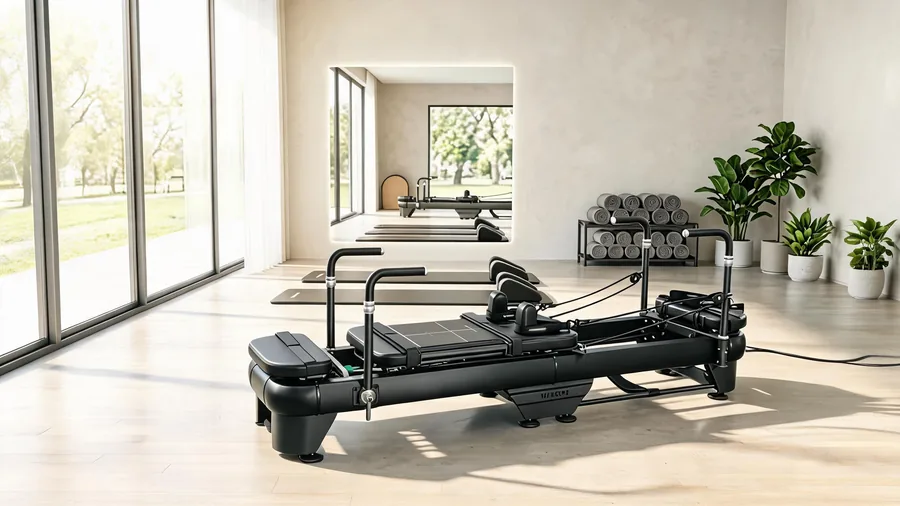
A stúdióreformer naponta 8–12 órát is ki kell bírnia, minden képzettségi szintű vendéget ki kell szolgálnia, és öt év után is feszesnek és halknak kell lennie. Ez más mérce, mint az otthoni felszerelésnél, és nem minden „professzionális” címkéjű gép felel meg neki. A legjobb stúdióhasználatú Pilates reformer kiválasztásához értékelni kell a vázszerkezetet, a rugórendszereket, a kocsi minőségét és a garanciát a stúdiója környezetének konkrét igényeihez mérve.
Ez az útmutató lebontja azokat a specifikációkat, amelyek elválasztják a professzionális reformereket az otthoni felszereléstől, bemutatja a stúdió jövedelmezősége szempontjából legfontosabb jellemzőket, valamint azokat az értékelési szempontokat, amelyeket a tapasztalt stúdiótulajdonosok használnak, amikor új felszerelésbe fektetnek a létesítményeikbe és növekvő vállalkozásukba.
1. Mit jelent valójában a „professzionális minőség” a stúdióreformereknél
A gyártók lazán dobálóznak a „professzionális minőség” kifejezéssel. Ahhoz, hogy egy reformer valóban működjön stúdiókörnyezetben, konkrét szerkezeti előírásoknak kell megfelelnie. A vázhoz legalább 1,5 mm falvastagságú Q235 szerkezeti acélt kell használni (a 2,0 mm az előnyös). A hegesztéshez robotos TIG-eljárást kell alkalmazni az egyenletes kötésminőségért. A 60+ mikronos porfestés ellenáll a napi tisztítás és a vendégforgalom okozta kipattogzásnak. Ezek az előírások döntik el, hogy egy reformer öt év folyamatos stúdióhasználat után is jól teljesít-e.
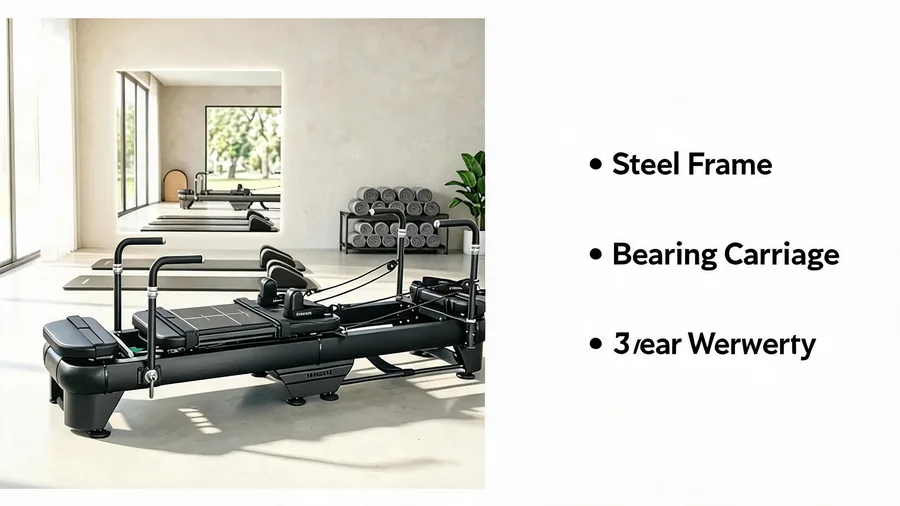
Amikor a legjobb stúdióhasználatú Pilates reformer-t értékeli, ellenőrizze ezeket a minimális specifikációkat. A váz anyaga szerkezeti acél legyen, ne az otthoni gépek vékony csőacélja. A teherbírás legalább 250 kg (550 font) legyen, hogy minden testalkatot biztonságosan kiszolgáljon. A rugók ciklusbesorolása legalább 30 000 ciklus legyen, professzionális környezetben 50 000+ az előnyös. A kocsirendszer zárt csapágyakat használjon precízen köszörült síneken, ne nyitott csapágyakat, amelyek port gyűjtenek és gyakori cserét igényelnek.
A zajszint szintén fontos mérőszám. A 60 dB felett működő reformer hallhatóan zavaró az órákon. A prémium professzionális reformerek 55 dB alatt működnek, így az oktatók a felszerelés zaja nélkül tudnak vezényelni. A garancia – legalább 3 év a vázra és az alkatrészekre – azt jelzi, hogy a gyártó bízik a terméke professzionális tartósságában és hosszú távú megbízhatóságában a nagy igénybevételű stúdiókörnyezetben.
2. Vázszerkezet – a stúdiótartósság alapja
A váz az, ahol az olcsóbb gyártók spórolnak, és ez a legnehezebben fejleszthető alkatrész a vásárlás után. A Q235 szerkezeti acél iparági szabvány a professzionális reformereknél, mert ismételt igénybevétel mellett sem alakulnak ki benne mikroszerkezeti repedések. A falvastagság számít: 1,5 mm a minimum könnyű professzionális használathoz, a 2,0 mm pedig az, amit a tapasztalt stúdiótulajdonosok kifejezetten keresnek, amikor új felszerelést vásárolnak.
A hegesztés minősége választja el a prémium reformereket a középkategóriától. A robotos TIG-hegesztés egyenletes, teljes átolvadású kötéseket ad, amelyek évek napi használatát is bírják. A kézi hegesztésű vázakban lehetnek gyenge pontok, amelyek idővel kilazulnak. A vázak értékelésekor keresse a sima, egyenletes varratokat salak és elszíneződés nélkül. A porfestést 60+ mikron vastagságban kell felvinni és megfelelően kikeményíteni, hogy ellenálljon a tisztítószereknek és a vendégek ismételt érintkezésének.
A vázgeometria is számít. A stúdióhasználatra tervezett reformerek jellemzően szélesebb talppal és alacsonyabb súlyponttal rendelkeznek, hogy dinamikus gyakorlatoknál ne billenjenek fel. A feszültségpontokon – különösen a lábrúd rögzítésénél és a kocsi síneinek csatlakozásánál – megerősített keresztmerevítés megakadályozza azt a vázkifáradást, amely 18–24 hónap napi professzionális használat után nyikorgást és holtjátékot okoz a forgalmas stúdiókban.
3. Rugórendszer és ellenállásminőség
A rugórendszer minden reformer szíve, a rugók minősége pedig közvetlenül hat a vendégélményre és az oktatók elégedettségére. A professzionális reformerekben nagy széntartalmú acélrugókat kell használni, amelyek teljes élettartamuk alatt egyenletes feszességet tartanak. Minden rugót egyenként kell tesztelni a feszesség pontossága szempontjából, és tűréshatáron belül kell párosítani, hogy a stúdió összes reformerén egyforma ellenállás legyen. Ez az egyformaság azért fontos, mert a vendégek a stúdió bármely gépétől ugyanazt az érzést várják.
A rugókonfiguráció a sokoldalúságot befolyásolja. A legjobb reformerek legalább 5 rugóopciót kínálnak a nagyon könnyűtől (rehabilitációs vendégeknek) a nehézig (haladó sportolói edzéshez). A színkódolt rugók segítik az oktatókat a feszességi szintek gyors azonosításában és állításában az órák közötti váltásoknál. A szerszám nélkül cserélhető rugókampók csökkentik az órák közötti előkészítési időt, és javítják a stúdió napi működésének gördülékenységét.
A rugók rögzítési pontjait hegesztett konzolokkal kell megerősíteni, csavarozott kötések helyett. A csavarozott konzolok idővel meglazulhatnak és rendszeres utánhúzást igényelnek, ami növeli a karbantartási költségeket. A hegesztett konzolok a váz teljes élettartamára biztonságosak maradnak, és megszüntetik a reformer zajának és instabilitásának egy gyakori forrását a nagy kihasználtságú, gyakori vendégcserével járó professzionális környezetben.
4. Kocsi- és sínrendszer
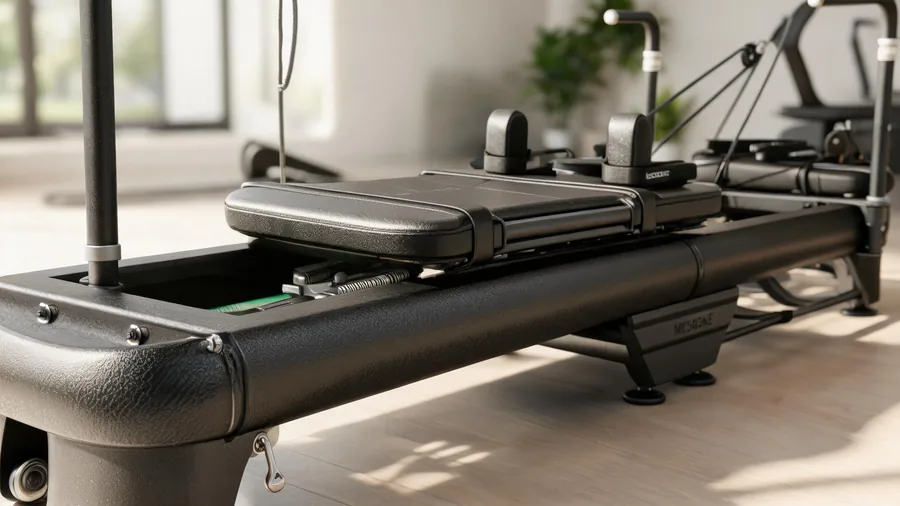
A kocsi- és sínrendszer határozza meg, mennyire simán és halkan működnek a reformerei. A legfontosabb specifikáció a csapágyrendszer. A zárt patronos csapágyak felülmúlják a nyitott kerekeket, mert megakadályozzák, hogy por, haj és szennyeződés kerüljön a csapágypályára. A belépő szintű reformerek nyitott csapágyai szennyeződést gyűjtenek, és 6–12 hónap stúdióhasználat után már durva pontokat mutatnak, míg a zárt csapágyak megfelelő karbantartás mellett évekig simán működnek.
A sín anyaga ugyanolyan fontos. A rozsdamentes acél sínek jobban ellenállnak a tisztítószereknek és a páratartalomnak, mint az alumínium vagy a szabványos acél sínek. A sínátmérő legalább 22 mm legyen, a 25 mm pedig a prémium szabvány a professzionális reformereknél. A vastagabb sínek egyenletesebben osztják el a kocsi terhelését, és ellenállnak a lapos kopás kialakulásának, amely az azonos kocsipozíció ismételt használatából ered az órákon és edzéseken.
Maga a kocsi legalább 35 kg/m³ sűrűségű habot használjon, tengerészeti minőségű vinilborítással, amely ellenáll az izzadságnak, a tisztítószereknek és a napi kopásnak. A túl puha hab hónapok alatt véglegesen összenyomódik, egyenetlen alátámasztást hozva létre, amit a vendégek észrevesznek a gyakorlatok közben. A kocsivázat meg kell erősíteni a kötelek és hevederek rögzítési pontjainál, mert ezeken a helyeken lép fel a legnagyobb igénybevétel a húzógyakorlatok és a dinamikus mozdulatok során.
5. Fő műszaki adatok összehasonlító táblázata
6. Garanciával és támogatással kapcsolatos szempontok
A garancia az egyik legerősebb minőségjelző, amikor a legjobb stúdióhasználatú Pilates reformer. A 3 éves átfogó garanciát kínáló gyártók bizonyítják, hogy bíznak a termékük tartósságában. A rövid garanciák – különösen a rugókra és csapágyakra – arra utalnak, hogy a gyártó a garanciaidőn belüli meghibásodásra számít, ami a csereköltségeket Önre, a stúdiótulajdonosra hárítja.
Hasonlítsa össze figyelmesen a garanciafeltételeket. A csak a vázra adott „korlátozott élettartamú” garancia impozánsan hangzik, de nem biztos, hogy kiterjed a rugókra, csapágyakra, kárpitra vagy kötelekre – pedig ezeket kell legvalószínűbben cserélni a professzionális használat első három évében. Egy 3 éves átfogó garancia, amely a teljes reformerre kiterjed, gyakorlatiasabb védelmet ad a befektetésének, mint egy csak vázra szóló élettartam-garancia rövid alkatrész-fedezettel.
Az értékesítés utáni támogatás ugyanolyan fontos, mint a garanciafeltételek. Kérdezze meg a lehetséges beszállítókat a cserealkatrészek elérhetőségéről, a garanciális igények átlagos válaszidejéről, és arról, hogy raktáron tartanak-e gyakran cserélt alkatrészeket, például rugókat és köteleket. A gyárközvetlen gyártók jellemzően gyorsabb támogatást adnak, mert közvetlenül a gyártócsapattal kommunikál, nem pedig egy forgalmazói vagy kereskedői hálózaton keresztül, amely plusz rétegeket tesz a támogatási folyamatra.
7. A végső döntés: a A legjobb Pilates reformer stúdióhasználatra
A legjobb stúdióhasználatú Pilates reformer kiválasztása végső soron arról szól, hogy a felszerelés specifikációit a stúdiója konkrét igényeihez igazítsa. Egy 6 reformeres, napi 12 órát tartó butikstúdió más követelményekkel rendelkezik, mint egy 30 reformeres, napi 20 órát működtető nagy franchise. A nagyobb forgalmú stúdióknak nagyobb igénybevételre tervezett alkatrészekre és átfogóbb garanciára van szükségük, mert felszerelésük naponta több ciklust fut és gyorsabban kopik.
A teljes költséget hosszú távú tulajdonlási befektetésként számolja ki, ne csak az induló árat nézze. Ha még keres, a „Eladó Pilates reformerek” útmutatója bemutatja, hogyan hasonlítsa össze a kínálatokat, nem csak a specifikációkat. Egy 1800 dolláros reformer, amely minimális karbantartással 8 évig bírja, költséghatékonyabb, mint egy 4000 dolláros reformer, amely évi 500 dollár karbantartást és 18 havonta rugócserét igényel. A különböző árkategóriák és márkák összehasonlításakor számoljon az alkatrészcsere költségeivel, a lehetséges kieséssel és a viszonteladási értékkel.
A Pilates Method Alliance további útmutatást ad a professzionális felszerelések szabványairól. A végső döntés előtt ellenőrizze, hogy a választott reformer megfelel-e ezeknek az iparági mércéknek. Kérjen specifikációs dokumentációt, minőségellenőrzési jegyzőkönyveket és ügyfélreferenciákat a gyártótól, hogy igazolja a professzionális szerkezetre és a hosszú távú tartósságra vonatkozó állításait.
Találja meg a megfelelő reformert a stúdiójának
Kérjen csapatunktól felszerelési specifikációkat, árakat és mintákat. Segítünk a stúdiótulajdonosoknak megtalálni a legjobb Pilates reformert konkrét igényeikhez és pénzügyi tervükhöz.
E-mail: [email protected] • WhatsApp: +86 189 0238 9454
Kapcsolódó útmutatók
- Kereskedelmi Pilates reformerek – útmutató
- Miért a Megacore a legjobb a stúdióknak
- Reformer vázaanyagok – útmutató
- Stúdióberendezés Ellenőrzőlista
- Reformer terhelhetőség – útmutató
8. Gyakori kérdések
Mi a legjobb stúdióhasználatú Pilates reformer?
A legjobb stúdióhasználatú Pilates reformer legalább 1,5 mm falvastagságú acélvázzal, zárt patronos csapágyakkal, rozsdamentes acél sínekkel, 50 000+ ciklusra méretezett nagy széntartalmú acélrugókkal, valamint legalább 3 éves, a vázra és az alkatrészekre egyaránt kiterjedő átfogó garanciával rendelkezik.
Mennyit költsek egy stúdióreformerre?
A professzionális stúdióreformerek darabonként 1800 és 5500 dollár között mozognak. A gyárközvetlen opciók 1800–2500 dollárért kínálják a legjobb értéket a legtöbb stúdiónak. A prémium márkák 4000–5500 dollárért márkafelismerést adnak, de hasonló specifikációkat, mint a jól megépített gyárközvetlen alternatívák.
Hány reformerre van szükségem egy stúdióhoz?
A legtöbb butikstúdió 4–8 reformerrel indul. Minden reformerhez körülbelül 2,3–2,8 m² padlófelület kell, a vendégek mozgásterét is beleértve. Tervezzen legalább egy reformert oktatónként órablokkonként, hogy maximalizálja a kihasználtságot és a bevételi potenciált.
Milyen garanciát keressek egy stúdióreformernél?
Keressen legalább 3 éves garanciát a vázra és az alkatrészekre egyaránt. Kerülje a csak vázra szóló garanciákat, amelyek kizárják a rugókat, csapágyakat és a kárpitot – ezek azok az alkatrészek, amelyeket professzionális környezetben a leggyakrabban kell cserélni.
Használhatok otthoni minőségű reformereket a stúdiómban?
Az otthoni minőségű reformereket nem a stúdiófelszerelés napi 8–12 órájára tervezték. Könnyebb vázat, nyitott csapágyakat és gyengébb minőségű rugókat használnak, amelyek 6–18 hónap professzionális használat után meghibásodnak. Ha már az elején professzionális felszerelésbe fektet be, hosszú távon pénzt takarít meg.
Mekkora teherbírás kell egy stúdióreformerhez?
Legalább 250 kg (550 font) egy stúdióreformerhez. Ez biztosítja, hogy minden vendéget biztonságosan ki tudjon szolgálni. A 350 kg (770 font) teherbírású prémium reformerek extra biztonsági tartalékot adnak, és sokféle vendégkört fogadó stúdióknak ajánlottak.
The models in the commercial Pilates reformer range are the ones studios shortlist for back-to-back classes.