
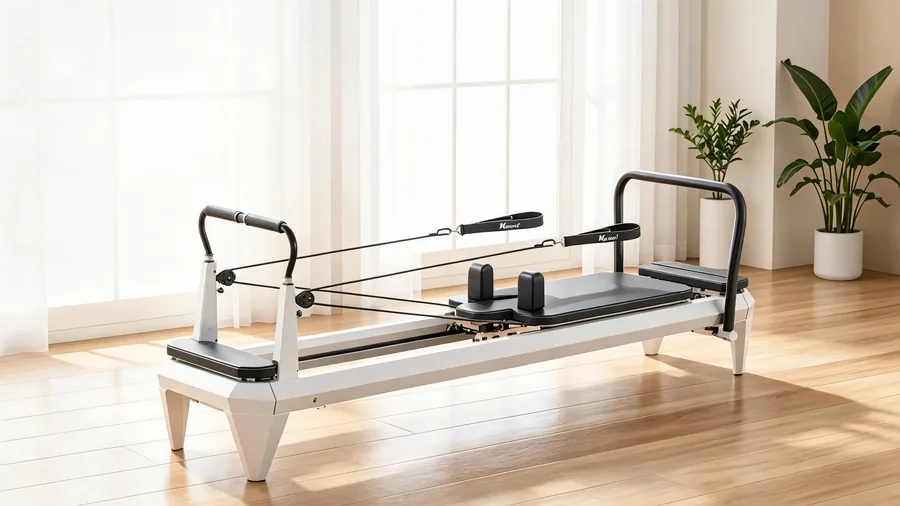
La platform board su un Reformer Pilates è la superficie su cui scorre il carriage e su cui l'utente appoggia mani, piedi o corpo — ed è uno dei componenti più trascurati nella scelta dell'attrezzatura. Il materiale, la finitura e la costruzione della platform board del Reformer Pilates influenzano direttamente le prestazioni dell'esercizio, la manutenzione dell'attrezzatura e la durabilità nel lungo periodo.
Ogni materiale offre vantaggi distinti in termini di caratteristiche di attrito, capacità di carico, esigenze di manutenzione e costo. La scelta tra essi dipende dal caso d'uso specifico — uno studio incentrato sul Pilates classico può preferire la sensazione tradizionale del legno, mentre uno studio Reformer ad alta intensità può dare priorità alla durabilità dell'alluminio o alla scorrevolezza dell'acrilico.
1. Perché la platform board del Reformer Pilates è importante
Every pilates reformer platform board choice starts with the same question: how will the surface be used? The platform board carries the carriage on one side and supports the user’s hands, feet, or body on the other. A pilates reformer platform board that performs well in a home studio can wear out quickly under eight to twelve commercial sessions a day, which is why material selection matters more for studios than for home buyers.
2. Platform board in acrilico: scorrevoli e moderne
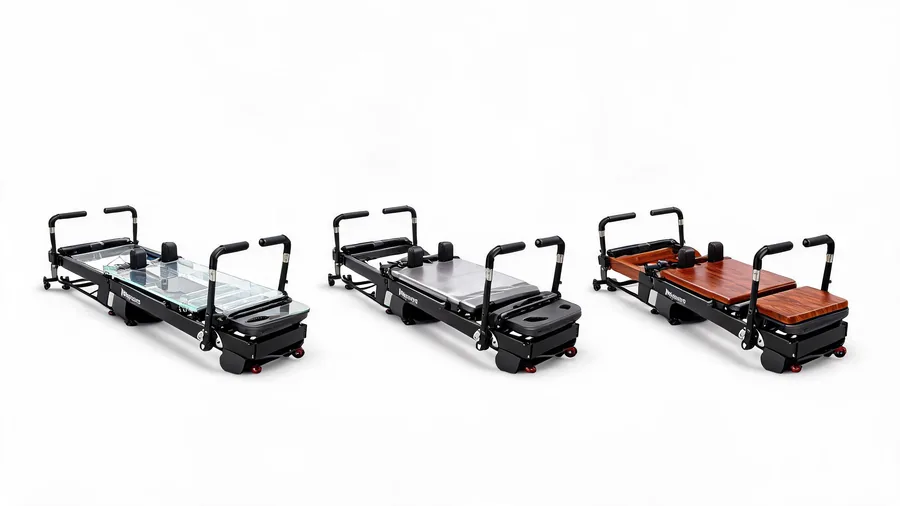
Le platform board in acrilico hanno guadagnato popolarità nei moderni Reformer commerciali grazie alla loro eccezionale scorrevolezza e all'impatto visivo. Il materiale consente un coefficiente di attrito molto basso tra carriage e guide, con uno scorrimento quasi silenzioso che migliora l'esperienza del cliente. Le board in acrilico sono tipicamente spesse 10-12 mm e sono rinforzate con agenti reticolanti per evitare crepe sotto carico.
Uno dei principali vantaggi dell'acrilico è la sua prestazione costante al variare di temperatura e umidità. A differenza del legno, che può espandersi e contrarsi con i cambiamenti ambientali, l'acrilico mantiene la propria stabilità dimensionale in condizioni variabili. Questa costanza è particolarmente preziosa negli studi situati in climi con forti oscillazioni stagionali di umidità, dove le board in legno possono sviluppare punti stretti o bloccarsi nel tempo.
Le board in acrilico offrono inoltre una superiore chiarezza ottica, consentendo ai produttori di creare board trasparenti o traslucide che aggiungono interesse visivo al design del Reformer. Alcuni Reformer commerciali di fascia alta utilizzano board in acrilico retroilluminate che illuminano l'area del carriage, creando un effetto visivo scenografico per gli ambienti dello studio. Tuttavia, l'acrilico è più soggetto a graffi rispetto ad alluminio o legno, e un uso intenso con scarpe abrasive può opacizzare la superficie nel tempo.
L'acrilico è la scelta migliore per una platform board del Reformer Pilates quando la chiarezza ottica e un'estetica moderna dello studio sono prioritarie. Si pulisce inoltre facilmente con sapone delicato, il che mantiene la board presentabile tra una lezione e l'altra con il minimo sforzo.
3. Platform board in alluminio: massima durabilità
Le platform board in alluminio rappresentano l'opzione più durevole per i Reformer commerciali e, per una platform board del Reformer Pilates sottoposta a otto lezioni al giorno, sono l'investimento a lungo termine più sicuro. Realizzate con profili di alluminio estruso, tipicamente di grado 6061-T6, queste board sono fresate con tolleranze precise e anodizzate per resistere alla corrosione. Una platform board in alluminio non si deforma, non si crepa né si delamina nemmeno dopo decenni di uso commerciale quotidiano.
La capacità di carico delle board in alluminio è nettamente superiore a quella di acrilico o legno. Mentre una board standard in legno o acrilico può sopportare in sicurezza fino a 350 lbs, una board in alluminio di dimensioni equivalenti può sostenere oltre 500 lbs senza flessione misurabile. Questa portata superiore è importante per gli studi che servono corporature diverse e per esercizi che coinvolgono più utenti o carichi aggiuntivi.
Le board in alluminio dissipano inoltre il calore in modo più efficace rispetto ad acrilico o legno, il che può essere un vantaggio in contesti di lezione ad alta intensità, dove il carriage genera calore da attrito durante i movimenti rapidi. Tuttavia, le board in alluminio sono più pesanti, aggiungendo 5-10 lbs al peso complessivo del Reformer, e trasmettono più suono rispetto ad acrilico o legno, creando potenzialmente un rumore operativo più forte negli spazi dello studio con riverbero.
La superficie anodizzata delle board in alluminio richiede protocolli di pulizia specifici. I detergenti alcalini aggressivi possono degradare lo strato anodizzato, esponendo l'alluminio grezzo all'ossidazione. Gli studi che utilizzano board in alluminio dovrebbero usare soluzioni detergenti a pH neutro ed evitare spugne abrasive che potrebbero graffiare la finitura anodizzata.
4. Platform board in legno: sensazione tradizionale
Le platform board in legno restano la scelta preferita per il Pilates classico, conferendo a una platform board del Reformer Pilates una sensazione calda e tradizionale che alcuni clienti preferiscono — studi e professionisti che apprezzano l'estetica e la sensazione tradizionali. Le board in legno di alta qualità sono tipicamente realizzate in betulla baltica multistrato o compensato marino, scelti per la loro stabilità dimensionale e la resistenza alla delaminazione. Il legno è sigillato con più mani di poliuretano o vernice marina per proteggerlo da umidità e usura.
La venatura naturale e l'aspetto caldo del legno creano un'atmosfera accogliente nello studio che molti clienti trovano più invitante rispetto alle superfici industriali in metallo o plastica. Le board in legno offrono inoltre un feedback acustico leggermente diverso — il suono del carriage che scorre sul legno è più caldo e meno meccanico di quello su alluminio o acrilico.
Tuttavia, le board in legno richiedono più manutenzione rispetto alle loro controparti sintetiche, e una platform board del Reformer Pilates in legno necessita di una finitura sigillata per resistere alla pulizia quotidiana. La finitura protettiva finirà per consumarsi nei punti di maggior contatto, richiedendo levigatura e ritrattamento. L'umidità del sudore e delle soluzioni detergenti può penetrare nelle aree della finitura consumata, facendo gonfiare il legno e creando punti di attrito sulle guide. Gli studi che utilizzano board in legno dovrebbero prevedere di ritrattarle o sostituirle ogni 2-3 anni in condizioni d'uso commerciale.
5. Analisi comparativa delle prestazioni
Quando si valutano i materiali delle platform board, occorre considerare diversi parametri prestazionali. Il coefficiente di attrito influisce direttamente sulla scorrevolezza del movimento del carriage e sullo sforzo necessario per avviarlo. L'acrilico offre tipicamente il coefficiente di attrito più basso (0,15-0,20), seguito dall'alluminio (0,20-0,30) e dal legno finito (0,25-0,35). Tuttavia, questi valori cambiano con l'usura — il coefficiente di attrito del legno aumenta sensibilmente con il consumo della finitura, mentre acrilico e alluminio mantengono prestazioni più costanti.
La resistenza agli urti descrive la capacità della board di sopportare carichi improvvisi ed è il parametro che distingue una platform board del Reformer Pilates costruita per gli studi da una pensata per un uso domestico occasionale. L'alluminio eccelle in questa categoria, con una resistenza agli urti circa tre volte superiore a quella dell'acrilico e 1,5 volte quella del legno pregiato. Questo rende l'alluminio la scelta preferita per gli studi che offrono lezioni con jump board, dove il carriage torna contro l'arresto con forza notevole a ogni ripetizione.
La resistenza chimica è importante per gli studi che utilizzano prodotti per la pulizia e la sanificazione. L'acrilico può essere danneggiato dai detergenti a base alcolica, sviluppando craquelure (sottili crepe superficiali) con l'esposizione ripetuta. Lo strato anodizzato dell'alluminio offre un'ottima resistenza chimica, mentre la finitura protettiva del legno può essere degradata dai sanificanti aggressivi. Gli studi dovrebbero verificare che il materiale della board scelto sia compatibile con i propri protocolli di pulizia.
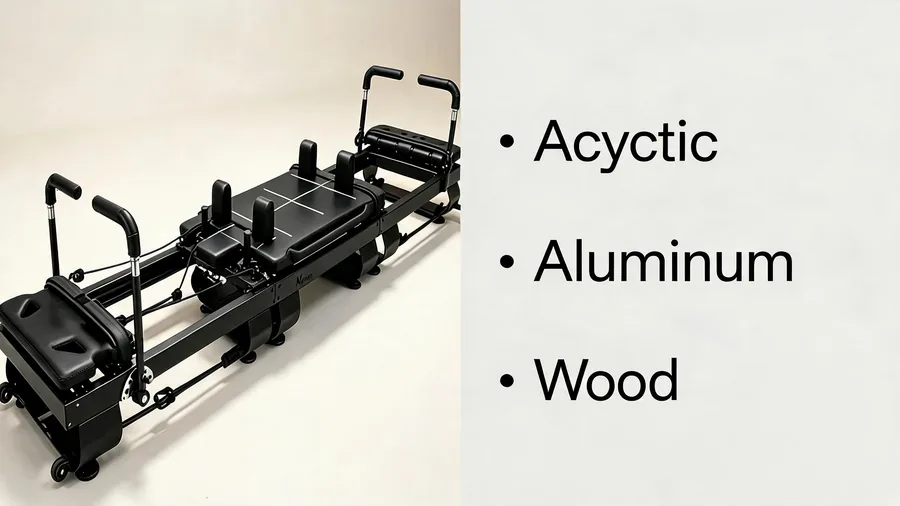
L'attrito è la variabile nascosta. Le board in acrilico producono la resistenza allo scorrimento più bassa, che alcuni istruttori preferiscono per il footwork veloce; l'alluminio si colloca nel mezzo; il legno sigillato offre la massima aderenza, adatta al lavoro classico più lento. Provare la board reale prima dell'acquisto — o almeno richiedere un campione — elimina ogni congettura quando si abbina una board al proprio stile di lezione.
6. Garanzia di qualità direttamente dalla fabbrica
I produttori diretti (factory-direct) sottopongono tutti i materiali delle platform board a test standardizzati nell'ambito del loro programma di garanzia della qualità, documentati nella certificazione GZHL2601000020601SP. Questi test includono la verifica dell'accuratezza dimensionale, test di flessione sotto carico, misurazione della durezza superficiale e simulazione accelerata dell'usura. Gli acquirenti commerciali dovrebbero richiedere la documentazione dei test per il materiale della board scelto, per verificare che soddisfi gli standard prestazionali specificati.
La garanzia di 3 anni sui Reformer commerciali diretti dalla fabbrica copre i difetti di fabbricazione della platform board, inclusi delaminazione delle board in legno, craquelure delle board in acrilico e difetti di anodizzazione delle board in alluminio. La normale usura dovuta all'uso regolare è esclusa, quindi gli studi dovrebbero prevedere l'eventuale sostituzione della board in base al volume d'uso. Le platform board di ricambio dei produttori diretti costano tipicamente $100-$300, a seconda del materiale e delle dimensioni.
Megacore testa ogni lotto di materiale delle platform board del Reformer Pilates per finitura superficiale, coerenza dimensionale e incollaggio adesivo prima dell'assemblaggio. Il protocollo di test è documentato nella certificazione di qualità GZHL2601000020601SP, offrendo agli acquirenti un punto di riferimento indipendente per la qualità della platform board del Reformer Pilates che stanno pagando. La certificazione copre la platform board insieme a ogni altro componente strutturale.
7. Conclusione: abbinare il materiale all'applicazione
Non esiste un unico materiale migliore per la platform board — la scelta ottimale dipende dalle esigenze specifiche dello studio.
Le board in acrilico si adattano agli studi che danno priorità a un funzionamento scorrevole e silenzioso e all'impatto visivo, in particolare in contesti moderni o di fascia alta. Le board in alluminio sono la scelta migliore per studi ad alto volume, lezioni intensive con jump e applicazioni in cui è richiesta la massima durabilità. Le board in legno restano l'opzione preferita per gli studi di Pilates classico e per gli ambienti in cui l'estetica e la sensazione tradizionali sono fondamentali. Comprendendo le caratteristiche prestazionali di ogni materiale, i proprietari degli studi possono selezionare la platform board che supporta al meglio la loro programmazione e i loro obiettivi di business. I migliori Reformer Pilates per uso commerciale
Per la maggior parte degli studi commerciali, l'alluminio offre il miglior equilibrio tra durabilità e bassa manutenzione, mentre l'acrilico si adatta a spazi boutique che danno priorità all'estetica. Il legno resta la scelta per gli ambienti di formazione classica.
Qualunque materiale scegliate, richiedete al produttore le specifiche della platform board del Reformer Pilates e verificate come è coperta dalla garanzia prima di ordinare. Una board che si adatta al vostro programma di lezioni e alla vostra routine di pulizia offrirà prestazioni migliori di una più costosa che non lo fa.
Domande frequenti
D: Quale materiale della platform board dura più a lungo in uno studio commerciale?
R: Le platform board in alluminio hanno la durabilità e la resistenza agli urti più elevate, motivo per cui sono standard sui Reformer commerciali ad alto volume. L'alluminio anodizzato resiste inoltre meglio ai prodotti chimici per la pulizia rispetto ad acrilico o legno non trattato, il che conta perché in uno studio commerciale la platform board del Reformer Pilates viene pulita dopo ogni sessione. Negli studi ad alta affluenza, proprio quella pulizia quotidiana è il punto in cui le board più deboli iniziano a cedere per prime.
D: La platform board può essere sostituita su un Reformer esistente?
R: Sì, sulla maggior parte dei modelli commerciali la platform board è un componente sostituibile. Gli studi dovrebbero prevedere l'eventuale sostituzione in base al volume d'uso; la normale usura è esclusa dalla maggior parte delle garanzie, quindi includete il costo di sostituzione nella pianificazione della manutenzione fin dal primo giorno.
D: Che cosa distingue un Reformer commerciale da uno domestico?
R: I Reformer commerciali utilizzano telai più robusti (acciaio vs alluminio leggero), cuscinetti sigillati vs aperti, molle più pesanti e capacità di carico superiori. Un'unità commerciale dura 5-10+ anni con uso quotidiano in studio. Le unità domestiche durano 2-5 anni con uso domestico regolare.
D: Conviene acquistare direttamente dalla fabbrica o tramite un distributore?
R: I produttori diretti come Megacore offrono il miglior rapporto qualità-prezzo perché eliminate il ricarico degli intermediari. Confrontate la costruzione del telaio, il tipo di cuscinetti, la qualità delle molle e i termini della garanzia, non solo i nomi dei marchi.
D: Che cosa devo controllare quando confronto i Reformer?
A: Look at: frame weight (heavier usually means sturdier), bearing type (sealed > open), spring gauge (thicker = more durable), carriage design, rope quality, and warranty length. Test carriage smoothness and listen for noise — smooth and quiet indicates quality.
D: Come valuto il costo reale di un Reformer?
R: Un Reformer commerciale da $3.000 che dura 8 anni costa $375 all'anno. Un Reformer domestico base da $1.200 che dura 2 anni costa $600 all'anno. L'unità commerciale è in realtà più conveniente all'anno. Ecco perché il valore va calcolato nel tempo, non solo sul costo iniziale.
Guide correlate
- Materiali del telaio del Reformer Pilates: acciaio vs alluminio vs legno
- Esercizi con jump board sul Reformer Pilates
- I migliori Reformer Pilates per uso commerciale
- Guida alla pulizia del Reformer Pilates
- Guida alla garanzia dell'attrezzatura
Gli standard del settore per la spaziatura delle attrezzature e la sicurezza dello studio sono disponibili presso Pilates Method Alliance. Per le linee guida sull'igiene delle strutture, consultare CDC Environmental Infection Control e standard di sanificazione OSHA.
Platform board material per model is listed on the reformer model pages.