
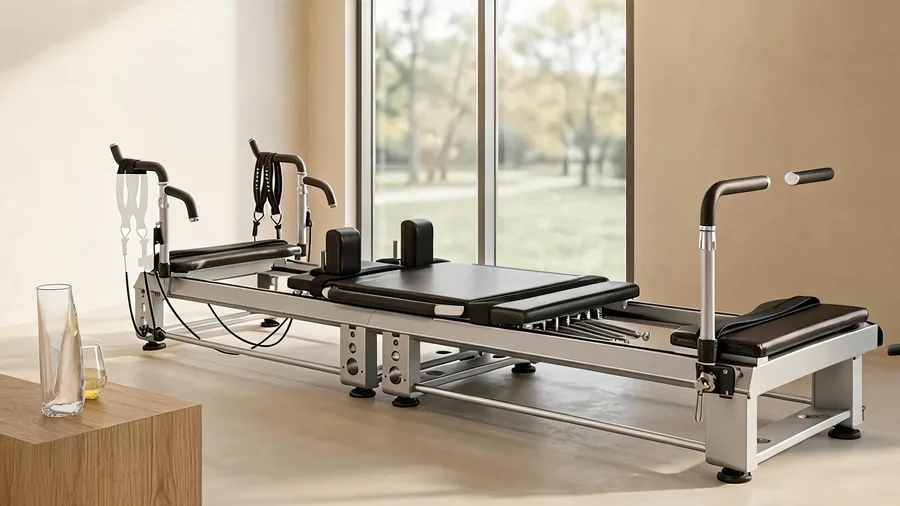
Reformeru pilates grūtniecības laikā un pēc dzemdībām: aprīkojuma drošības ceļvedis
Prenatālais un postnatālais reformeru pilates ir viens no straujāk augošajiem specializētajiem programmām butiķa fitnesā. Topošās un jaunās māmiņas aktīvi meklē drošu, efektīvu kustību, un reformeris tam ir īpaši piemērots: atsperu pretestība ir regulējama, ratiņi atbalsta ķermeni, un vingrinājumus var pielāgot katram trimestrim. Studiju īpašniekiem šī prenatālā un postnatālā reformeru pilates programma paver lojālu klientu segmentu ar augstu noturību — bet tikai tad, ja aprīkojums un mācīšana ir pareizi organizēti. Šis 2026. gada ceļvedis aptver aprīkojuma iezīmes, kas svarīgas prenatālajam un postnatālajam reformeru pilatesam, drošus atsperu un pozīciju ieteikumus un to, kā uzsākt programmu savā studijā.
1. Kāpēc prenatālais un postnatālais reformeru pilates darbojas
The reformer’s design is a natural fit for pregnancy and postpartum recovery, which is why prenatal postnatal reformer pilates programs grow so quickly. The carriage provides stable, supported movement; springs deliver accommodating resistance that can be lightened as needed; and the supine, seated, and side-lying positions protect the pelvic floor and abdominal wall better than standing exercises in early recovery.
Klīniskās vadlīnijas, tostarp American College of Obstetricians and Gynecologists, atbalsta mērenas fiziskās aktivitātes turpināšanu nesarežģītas grūtniecības laikā, un prenatālais un postnatālais reformeru pilates saskan ar šīm vadlīnijām, ja tas ir pareizi pielāgots. Postnatālajiem klientiem reformeris atbalsta pakāpenisku kodola un iegurņa pamatnes atjaunošanu, ko citiem formātiem ir grūti panākt.
2. Aprīkojuma iezīmes, kas svarīgas prenatālajam un postnatālajam darbam
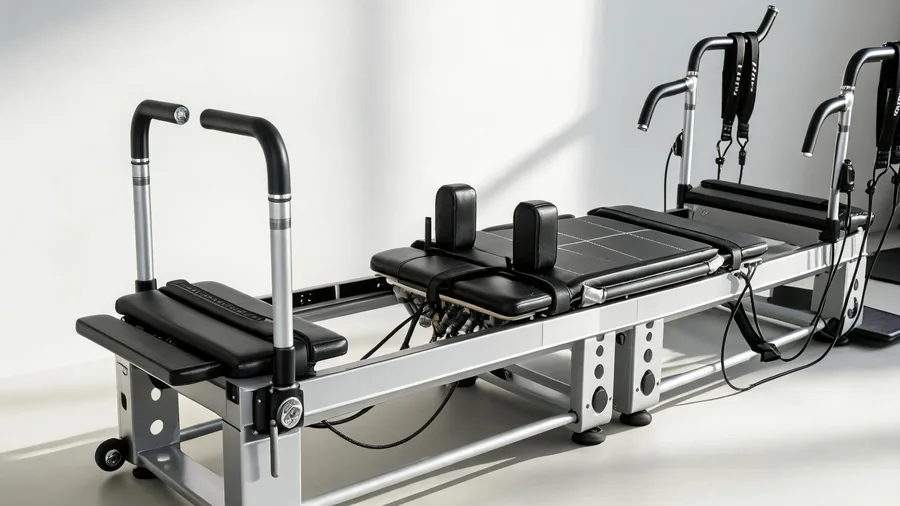
Ne katrs reformeris ir vienlīdz piemērots prenatālajam un postnatālajam reformeru pilatesam. Šīs iezīmes padara komerciālo iekārtu piemērotu šai programmai:
- Precīzi, nelieli atsperu soļi — iespēja izmantot vieglākās atsperes (0,5–1,0 kg) ir būtiska agrīnā pēcdzemdību periodā un trešā trimestra darbam
- Vienmērīga ratiņu slīdēšana — blīvēti kasetes gultņi novērš grūdienus un raustīšanos
- Regulējams kāju balsts — pielāgojas mainīgajām ķermeņa proporcijām grūtniecības laikā
- Ērts, plats ratiņu polsterējums — atbalsta augošo vēderu vingrinājumos guļus
- Zems ieejas augstums — vieglāka uzkāpšana un nokāpšana vēlīnā grūtniecībā
- Stabils, neslīdošs rāmis — bez šūpošanās sānus un ceļos vingrinājumu laikā
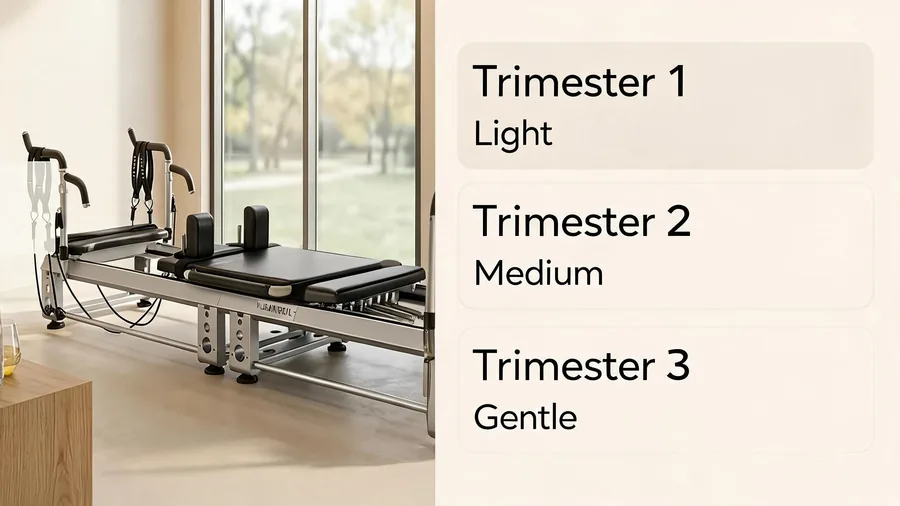
3. Droši atsperu iestatījumi pa trimestriem
Atsperu izvēle ir galvenais drošības mainīgais prenatālajā un postnatālajā reformeru pilatesā. Vispārīgais princips: izmantojiet vieglāko atsperi, kas pieļauj kontrolētu kustību, un samaziniet pretestību, grūtniecībai progresējot.
4. Nodarbību pielāgojumi prenatālajiem un postnatālajiem klientiem
Prenatālā un postnatālā reformeru pilatesa plānošana prasa vairāk nekā vieglākas atsperes. Galvenie pielāgojumi: atteikties no vingrinājumiem guļus pēc pirmā trimestra (izmantojiet sānus, sēdus un četrkāju pozīcijas), izvairīties no dziļiem pagriezieniem, saskaņot elpošanu ar kustību un piedāvāt katra vingrinājuma variantus, lai klienti paši izvēlētos intensitāti.
Postnatālās nodarbības jāsāk ar iegurņa pamatnes aktivizāciju un elpošanas mehāniku, pirms jebkāda slodzes darba kodolam. Instruktoriem jāpārbauda taisnā vēdera muskuļa diastāze un vajadzības gadījumā klienti jānosūta pie veselības aprūpes speciālistiem. Instruktoriem, kas vada šīs nodarbības, stingri ieteicams iegūt sertificēta prenatālā/postnatālā speciālista kvalifikāciju.
5. Cik reformeru nepieciešams programmas uzsākšanai
Lielākā daļa studiju uzsāk prenatālo un postnatālo reformeru pilatesu ar vienu līdz trim īpašiem laika slotiem, izmantojot esošos reformerus. Tā kā programma sākumā ir maza apjoma — mazas grupas ir drošākas un piemērotākas — parasti vienā nodarbībā ir divi līdz četri reformeri. Pieaugot pieprasījumam, īpašie prenatālie laiki var aizpildīt 10–15 papildu klientu stundas nedēļā uz vienu instruktoru.
Aprīkojuma ziņā jaunas iekārtas nav vajadzīgas, ja jūsu reformeri atbilst 2. sadaļas sarakstam. Studijas ar vecākām iekārtām ar augstu pretestību varētu pievienot vieglo atsperu komplektus — lēts uzlabojums, kas esošos reformerus padara gatavus grūtniecībai.
6. Cenas un ieņēmumi prenatālajām programmām
Prenatālais un postnatālais reformeru pilates ir augstākā cenu segmentā. Privātās un daļēji privātās prenatālās nodarbības parasti maksā no 60 līdz 110 $ par nodarbību, un komplekti (6–10 nodarbības) ir standarta pārdošanas vienība. Studijām šī programma rada arī dabisku klientu plūsmu: prenatālās klientes bieži kļūst par postnatālajām klientēm un pēc tam par ilgtermiņa dalībniecēm — viens no augstākajiem mūža vērtības segmentiem butiķa fitnesā.
7. Drošība, atbildība un instruktoru standarti
Medicīniskā atļauja ir obligāta prasība uzņemšanā. Katrai prenatālajai un postnatālajai klientei pirms pirmās nodarbības jāiesniedz sava veselības aprūpes sniedzēja rakstiska atļauja. Studijām jāuztur arī dokumentēti instruktoru sertifikāti, jābūt atbilstošai atbildības apdrošināšanai un jāsaglabā grupas pietiekami mazas individuālai uzmanībai.
Atzītu profesionālo vadlīniju ievērošana — piemēram, to, ko publicē Pilates Method Alliance un grūtniecības fitnesa organizācijas — aizsargā gan klientus, gan studiju. Aprīkojums jāpārbauda pirms katras nodarbības, īpašu uzmanību pievēršot atsperu veselumam un kāju balsta fiksācijai.
8. Biežāk uzdotie jautājumi
Vai reformeru pilates ir drošs grūtniecības laikā?
Jā, nesarežģītas grūtniecības laikā, ja to māca sertificēts instruktors ar prenatālajiem pielāgojumiem un ir medicīniskā atļauja. Izvairieties no vingrinājumiem guļus pēc pirmā trimestra un saglabājiet vieglu pretestību.
Kad pēc dzemdībām varu sākt reformeru pilatesu?
Ar medicīnisko atļauju vieglu darbu uz reformera var sākt 6 nedēļas pēc dzemdībām (vaginālas dzemdības) vai vēlāk pēc ķeizargrieziena. Sāciet ar iegurņa pamatni un elpošanu, pirms iekļaujat slodzes vingrinājumus kodolam.
Vai prenatālajām reformeru nodarbībām vajadzīgs īpašs aprīkojums?
Nē — der standarta komerciālie reformeri, ja tiem ir vieglo atsperu iespēja, vienmērīga slīdēšana un regulējams kāju balsts. Vieglo atsperu komplektu pievienošana ir lēts uzlabojums.
Kam jāpievērš uzmanība prenatālā pilatesa instruktoram?
Atzīts prenatālā/postnatālā pilatesa sertifikāts, spēkā esoša pirmās palīdzības apliecība un dokumentēta pieredze. Lūdziet atsauksmes no veselības aprūpes speciālistiem, kuri nosūta klientus.
Vai prenatālais reformeru pilates var palīdzēt sagatavoties dzemdībām?
Tas atbalsta iegurņa pamatnes apzināšanos, elpošanas mehāniku un funkcionālo spēku, ko daudzas klientes un veselības aprūpes speciālisti raksturo kā noderīgu dzemdībām un atveseļošanai. Tas ir papildinājums — nevis aizstājējs — prenatālajai medicīniskajai aprūpei.
Vai prenatālais reformeru pilates ir ienesīgs mazai studijai?
Jā. Augstākas cenas, mazas grupas un augsta klientu mūža vērtība padara prenatālo un postnatālo reformeru pilatesu par vienu no ienesīgākajām specializētajām programmām uz kvadrātmetru butiķa fitnesā.
Secinājums
Prenatālais un postnatālais reformeru pilates ir augstvērtīga programma, ko lielākā daļa studiju var uzsākt ar esošo aprīkojumu, sertificētu instruktoru un skaidriem drošības protokoliem. Prasības aprīkojumam ir pieticīgas — vieglas atsperes, vienmērīga slīdēšana, regulējams kāju balsts — bet ieņēmumu un noturības ieguvumi ir ievērojami. 2026. gadā studijas, kas labi apkalpo šo segmentu, veido lojalitāti, kas saglabājas gadiem.
Runājiet ar mums par studijas aprīkojumu
Saistītie ceļveži
Ārējie resursi
Šie nozares resursi sniedz autoritatīvas vadlīnijas par šo tēmu:
Studios running pre and postnatal classes pick from the commercial reformer models.