
Reformer Pilates สำหรับตั้งครรภ์และหลังคลอด: คู่มือความปลอดภัยอุปกรณ์
Reformer Pilates สำหรับหญิงตั้งครรภ์และหลังคลอด Prenatal postnatal reformer pilates เป็นหนึ่งในโปรแกรมเฉพาะทางที่เติบโตเร็วที่สุดในธุรกิจฟิตเนสสไตล์บูทีค คุณแม่ที่กำลังตั้งครรภ์และคุณแม่หลังคลอดกำลังมองหาการเคลื่อนไหวที่ปลอดภัยและได้ผลอย่างจริงจัง และ Reformer ก็เหมาะเป็นพิเศษ เพราะแรงต้านจากสปริงปรับได้ รถเลื่อนรองรับร่างกายได้ดี และท่าออกกำลังกายดัดแปลงให้เหมาะกับแต่ละไตรมาสได้ สำหรับเจ้าของสตูดิโอ โปรแกรมนี้เปิดทางสู่กลุ่มลูกค้าที่ภักดีและกลับมาใช้บริการต่อเนื่อง แต่จะได้ผลก็ต่อเมื่อติดตั้งอุปกรณ์และจัดการสอนอย่างถูกต้องเท่านั้น คู่มือฉบับปี 2026 นี้ครอบคลุมคุณสมบัติอุปกรณ์ที่สำคัญสำหรับ Reformer Pilates ในหญิงตั้งครรภ์และหลังคลอด แนวทางความปลอดภัยในการตั้งสปริงและจัดท่าทาง ตลอดจนวิธีเปิดโปรแกรมนี้ในสตูดิโอของคุณ
1. ทำไม Reformer Pilates สำหรับหญิงตั้งครรภ์และหลังคลอดจึงได้ผล
The reformer’s design is a natural fit for pregnancy and postpartum recovery, which is why prenatal postnatal reformer pilates programs grow so quickly. The carriage provides stable, supported movement; springs deliver accommodating resistance that can be lightened as needed; and the supine, seated, and side-lying positions protect the pelvic floor and abdominal wall better than standing exercises in early recovery.
คำแนะนำทางคลินิกจากองค์กรต่าง ๆ รวมถึง American College of Obstetricians and Gynecologists สนับสนุนให้ออกกำลังกายระดับปานกลางอย่างต่อเนื่องในกรณีตั้งครรภ์ที่ไม่มีความเสี่ยงแทรกซ้อน และโปรแกรมนี้สอดคล้องกับคำแนะนำดังกล่าวเมื่อดัดแปลงท่าอย่างถูกต้อง สำหรับลูกค้าหลังคลอด Reformer ช่วยฟื้นฟูแกนกลางลำตัวและอุ้งเชิงกรานแบบค่อยเป็นค่อยไป ซึ่งรูปแบบการออกกำลังกายอื่นทำได้ยากกว่ามาก
2. คุณสมบัติอุปกรณ์ที่สำคัญสำหรับการฝึกหญิงตั้งครรภ์และหลังคลอด
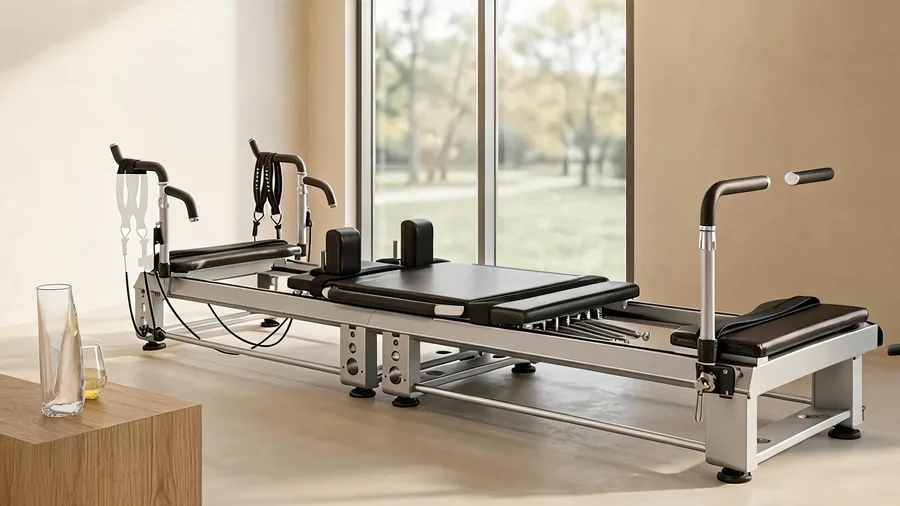
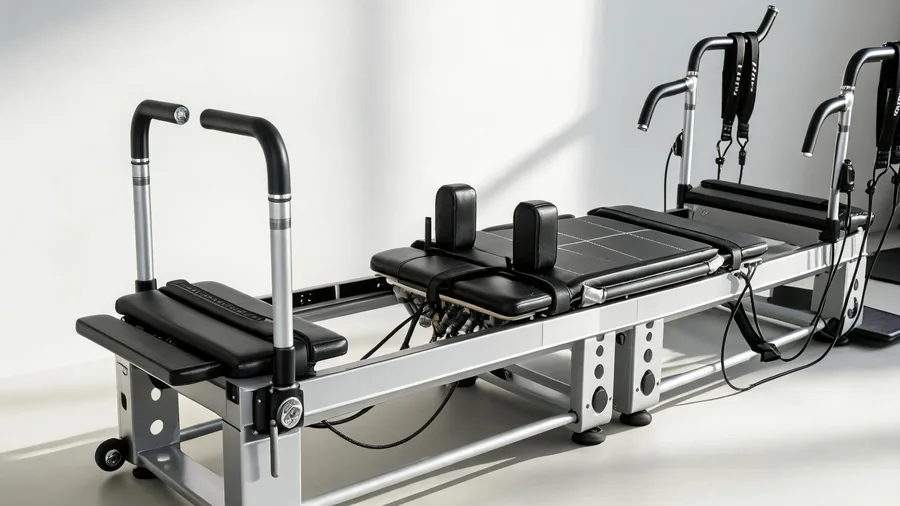
Reformer ไม่ใช่ทุกเครื่องที่เหมาะกับงานนี้เท่ากัน คุณสมบัติต่อไปนี้ทำให้เครื่องระดับพาณิชย์เหมาะสมกับการฝึกหญิงตั้งครรภ์และหลังคลอด:
- ระดับสปริงที่ละเอียดและเบา — ความสามารถในการใช้สปริงที่เบาที่สุด (0.5-1.0 kg) จำเป็นมากสำหรับช่วงหลังคลอดระยะแรกและไตรมาสที่สาม
- การเลื่อนของรถเลื่อนที่นุ่มนวล — ตลับลูกปืนแบบซีลปิดช่วยป้องกันการกระตุกและการเคลื่อนที่แบบสะดุด
- บาร์เท้าที่ปรับได้ — รองรับสรีระที่เปลี่ยนไปตลอดการตั้งครรภ์
- เบาะรถเลื่อนที่กว้างและสบาย — รองรับหน้าท้องที่ขยายใหญ่ขึ้นในท่านอนหงาย
- ความสูงในการขึ้นลงต่ำ — ขึ้นและลงเครื่องได้ง่ายขึ้นในช่วงท้ายของการตั้งครรภ์
- โครงเครื่องที่มั่นคงและกันลื่น — ไม่โยกคลอนขณะฝึกท่านอนตะแคงและท่าคุกเข่า
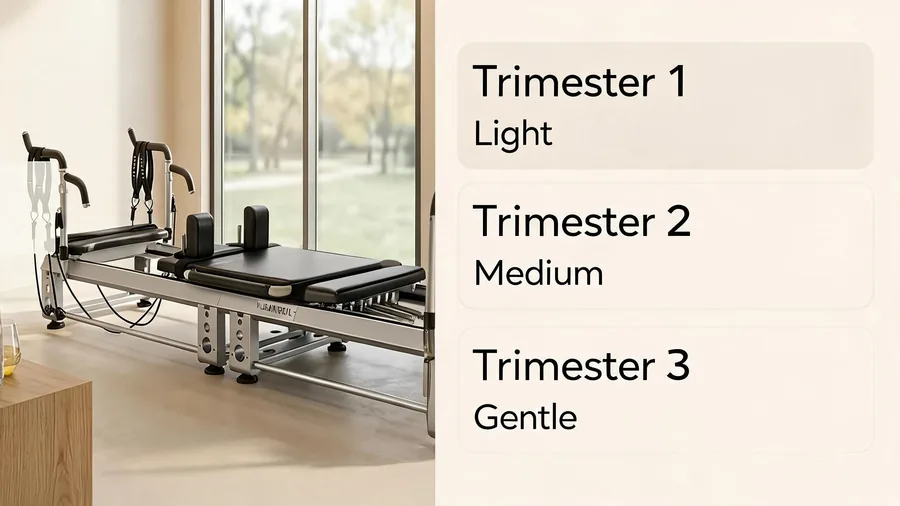
3. การตั้งสปริงอย่างปลอดภัยในแต่ละไตรมาส
การเลือกสปริงเป็นปัจจัยด้านความปลอดภัยหลักของโปรแกรมนี้ หลักการทั่วไปคือ ใช้สปริงที่เบาที่สุดที่ยังควบคุมการเคลื่อนไหวได้ และลดแรงต้านลงเมื่อการตั้งครรภ์ดำเนินไป
4. การดัดแปลงคลาสสำหรับลูกค้าหญิงตั้งครรภ์และหลังคลอด
การออกแบบโปรแกรมนี้ต้องมากกว่าการใช้สปริงที่เบาลง การดัดแปลงที่สำคัญได้แก่ งดท่านอนหงายหลังไตรมาสแรก (ใช้ท่านอนตะแคง ท่านั่ง และท่าสี่ขาแทน) หลีกเลี่ยงการบิดตัวลึก จัดการหายใจให้สอดคล้องกับการเคลื่อนไหว และเสนอทางเลือกในทุกท่าเพื่อให้ลูกค้าเลือกความหนักได้เอง
คลาสสำหรับลูกค้าหลังคลอดควรเริ่มจากการกระตุ้นอุ้งเชิงกรานและกลไกการหายใจก่อนการฝึกแกนกลางลำตัวแบบมีแรงต้าน ครูผู้สอนควรคัดกรองภาวะหน้าท้องแยก (diastasis recti) และส่งต่อลูกค้าให้ผู้เชี่ยวชาญทางการแพทย์เมื่อพบข้อบ่งชี้ ขอแนะนำอย่างยิ่งให้ผู้สอนที่รับผิดชอบคลาสเหล่านี้มีใบรับรองผู้เชี่ยวชาญเฉพาะทางด้านการตั้งครรภ์และหลังคลอด
5. ต้องใช้ Reformer กี่เครื่องจึงจะเปิดโปรแกรมได้
สตูดิโอส่วนใหญ่เปิดโปรแกรมนี้ด้วยช่วงเวลาเฉพาะ 1-3 ช่วง โดยใช้ Reformer ที่มีอยู่เดิม เพราะช่วงแรกโปรแกรมมีผู้เรียนน้อย คลาสขนาดเล็กปลอดภัยและเหมาะสมกว่า จึงมักใช้ Reformer 2-4 เครื่องต่อหนึ่งเซสชัน เมื่อความต้องการเพิ่มขึ้น ช่วงเวลาเฉพาะสำหรับหญิงตั้งครรภ์สามารถเพิ่มชั่วโมงให้บริการได้อีก 10-15 ชั่วโมงลูกค้าต่อสัปดาห์ต่อผู้สอนหนึ่งคน
ในด้านอุปกรณ์ คุณไม่จำเป็นต้องซื้อเครื่องใหม่หาก Reformer ของคุณมีคุณสมบัติครบตามรายการในหัวข้อ 2 สตูดิโอที่ใช้เครื่องรุ่นเก่าที่มีแรงต้านสูงอาจเพิ่มชุดสปริงเบา ซึ่งเป็นการอัปเกรดต้นทุนต่ำที่ทำให้ Reformer เดิมพร้อมใช้กับหญิงตั้งครรภ์
6. ราคาและรายได้ของโปรแกรมสำหรับหญิงตั้งครรภ์
โปรแกรมนี้ตั้งราคาไว้ในระดับพรีเมียม เซสชันส่วนตัวและกึ่งส่วนตัวสำหรับหญิงตั้งครรภ์มักอยู่ที่ 60-110 ดอลลาร์ต่อครั้ง และแพ็กเกจแบบชุด (6-10 ครั้ง) เป็นหน่วยขายมาตรฐาน สำหรับสตูดิโอ โปรแกรมนี้ยังสร้างเส้นทางลูกค้าตามธรรมชาติ ลูกค้าตั้งครรภ์มักกลายเป็นลูกค้าหลังคลอด และต่อเนื่องมาเป็นสมาชิกระยะยาว ซึ่งเป็นกลุ่มที่มีมูลค่าตลอดช่วงชีวิตสูงที่สุดกลุ่มหนึ่งในธุรกิจฟิตเนสสไตล์บูทีค
7. ความปลอดภัย ความรับผิด และมาตรฐานผู้สอน
การได้รับอนุมัติจากแพทย์เป็นข้อกำหนดก่อนเข้าเรียนที่ต่อรองไม่ได้ ลูกค้าหญิงตั้งครรภ์และหลังคลอดทุกคนควรแสดงหนังสือรับรองเป็นลายลักษณ์อักษรจากผู้ให้บริการด้านสุขภาพก่อนเข้าเซสชันแรก สตูดิโอควรเก็บเอกสารใบรับรองผู้สอนให้ครบถ้วน มีความคุ้มครองความรับผิดที่เหมาะสม และควบคุมขนาดคลาสให้เล็กพอที่จะดูแลผู้เรียนได้เป็นรายบุคคล
การปฏิบัติตามแนวทางวิชาชีพที่ได้รับการยอมรับ เช่น แนวทางที่เผยแพร่โดย Pilates Method Alliance และองค์กรด้านฟิตเนสสำหรับหญิงตั้งครรภ์ ช่วยปกป้องทั้งลูกค้าและสตูดิโอ ควรตรวจสอบอุปกรณ์ก่อนทุกคลาส โดยให้ความสำคัญเป็นพิเศษกับสภาพสปริงและการล็อกบาร์เท้า
8. คำถามที่พบบ่อย
Reformer Pilates ปลอดภัยระหว่างตั้งครรภ์หรือไม่
ปลอดภัย สำหรับการตั้งครรภ์ที่ไม่มีความเสี่ยงแทรกซ้อน เมื่อสอนโดยครูที่ผ่านการรับรองซึ่งดัดแปลงท่าสำหรับหญิงตั้งครรภ์และได้รับการอนุมัติจากแพทย์ หลีกเลี่ยงท่านอนหงายหลังไตรมาสแรก และใช้แรงต้านเบาไว้
หลังคลอดแล้วเริ่ม Reformer Pilates ได้เมื่อไร
เมื่อได้รับอนุมัติจากแพทย์ สามารถเริ่มฝึก Reformer แบบเบาได้ที่ 6 สัปดาห์หลังคลอด (คลอดธรรมชาติ) หรือช้ากว่านั้นหากผ่าคลอด เริ่มจากงานอุ้งเชิงกรานและการหายใจก่อนการฝึกแกนกลางลำตัวแบบมีแรงต้าน
ต้องใช้อุปกรณ์พิเศษสำหรับคลาส Reformer ของหญิงตั้งครรภ์หรือไม่
ไม่ต้อง Reformer เชิงพาณิชย์มาตรฐานใช้ได้ หากมีตัวเลือกสปริงเบา การเลื่อนที่นุ่มนวล และบาร์เท้าที่ปรับได้ การเพิ่มชุดสปริงเบาเป็นการอัปเกรดต้นทุนต่ำ
ควรมองหาอะไรในตัวครูสอน Pilates สำหรับหญิงตั้งครรภ์
ใบรับรอง Pilates เฉพาะทางด้านการตั้งครรภ์และหลังคลอดที่ได้รับการยอมรับ การฝึกปฐมพยาบาลที่ยังไม่หมดอายุ และประสบการณ์ที่มีหลักฐานยืนยัน ควรขอข้อมูลอ้างอิงจากผู้เชี่ยวชาญทางการแพทย์ที่ส่งลูกค้ามา
Reformer Pilates สำหรับหญิงตั้งครรภ์ช่วยเตรียมตัวคลอดได้หรือไม่
ช่วยสร้างความตระหนักถึงอุ้งเชิงกราน กลไกการหายใจ และความแข็งแรงเชิงหน้าที่ ซึ่งลูกค้าและผู้ให้บริการจำนวนมากรายงานว่าเป็นประโยชน์ต่อการคลอดและการฟื้นตัว ทั้งนี้เป็นการเสริม ไม่ใช่การทดแทน การดูแลทางการแพทย์ระหว่างตั้งครรภ์
Reformer Pilates สำหรับหญิงตั้งครรภ์ทำกำไรได้สำหรับสตูดิโอขนาดเล็กหรือไม่
ได้ ราคาระดับพรีเมียม คลาสขนาดเล็ก และมูลค่าลูกค้าตลอดช่วงชีวิตที่สูง ทำให้โปรแกรมนี้เป็นหนึ่งในโปรแกรมเฉพาะทางที่ทำกำไรต่อพื้นที่สูงที่สุดในธุรกิจฟิตเนสสไตล์บูทีค
บทสรุป
Reformer Pilates สำหรับหญิงตั้งครรภ์และหลังคลอดเป็นโปรแกรมที่มีมูลค่าสูง ซึ่งสตูดิโอส่วนใหญ่สามารถเปิดได้ด้วยอุปกรณ์ที่มีอยู่เดิม ครูที่ผ่านการรับรอง และขั้นตอนความปลอดภัยที่ชัดเจน ข้อกำหนดด้านอุปกรณ์ไม่มากนัก เพียงสปริงเบา การเลื่อนที่นุ่มนวล และบาร์เท้าที่ปรับได้ แต่ผลตอบแทนด้านรายได้และการรักษาลูกค้านั้นสูงมาก ในปี 2026 สตูดิโอที่ดูแลกลุ่มลูกค้านี้ได้ดีจะสร้างความภักดีที่คงอยู่ยาวนานหลายปี
คู่มือที่เกี่ยวข้อง
แหล่งข้อมูลภายนอก
แหล่งข้อมูลในอุตสาหกรรมต่อไปนี้ให้แนวทางที่เชื่อถือได้ในหัวข้อนี้:
Studios running pre and postnatal classes pick from the commercial reformer models.